
Set the Tone for Worldly Tastes in Every Kitchen
Malta Food Guide
What to Eat In Malta, Where to Find It, and Why It Matters
Malta is one of those places where food slowly pulls you in. At first, it feels familiar — Mediterranean, simple, sun-soaked ingredients — but the longer you stay, the more you realise it’s something else entirely. It’s a mix of cultures, histories and habits that have settled into something uniquely Maltese.
This guide is how I experienced Malta through food. Not just what to eat, but how it fits into the island, where you’ll come across it, and what makes it worth trying.
What Maltese Food Is Really About
Before getting into specific dishes, it helps to understand what Maltese food actually is.
Malta sits between Sicily and North Africa, and that position shows up in everything you eat. There’s a clear Italian base — pasta, tomatoes, olive oil — but layered with Arabic spices, slow cooking methods and a practical, almost British approach to hearty meals. It’s not refined in the fine-dining sense, but it’s balanced, seasonal and built around real ingredients.
What stood out most to me is how unpretentious it is. Food here doesn’t try to impress. It just works.
What to Eat in Malta
You don’t need a list when you arrive in Malta — the food finds you. But there are a few dishes that define the experience and are worth looking out for.
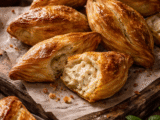
Pastizzi are usually the first thing you’ll try, even if you didn’t plan to. Small, flaky pastries filled with ricotta or mushy peas, sold in almost every bakery. They’re warm, cheap and incredibly satisfying. I started grabbing them in the morning with coffee, but they quickly became something I’d eat at any time of day.
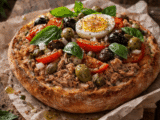
Ftira is another staple, but in a different way. It’s a traditional Maltese bread, often turned into a sandwich with tuna, tomatoes, capers and olive oil. It sounds simple, but eaten fresh, it’s one of the most complete meals you’ll find on the island.
Rabbit stew — stuffat tal-fenek — is where things slow down. This is a proper sit-down dish, cooked in wine and herbs, rich without being overwhelming. It’s traditionally shared, and you can feel that when you eat it. It’s less about the dish itself and more about the moment around it.
Timpana goes in a different direction. It’s baked pasta wrapped in pastry, heavy and comforting, the kind of dish that feels like it’s been made the same way for generations. It’s not something you eat lightly, but it’s worth it.
Then there’s lampuki, the fish that really connects Malta to the sea. When it’s in season, you’ll see it everywhere — grilled simply or baked into a pie with vegetables and olives. It’s fresh, clean and one of the best ways to experience the island’s coastal side.
Even the lighter dishes carry depth. Aljotta, a garlic-heavy fish soup, looks simple but delivers a lot of flavour. And smaller things like bigilla — a thick bean dip — or ġbejna cheese from Gozo add another layer to the overall experience.
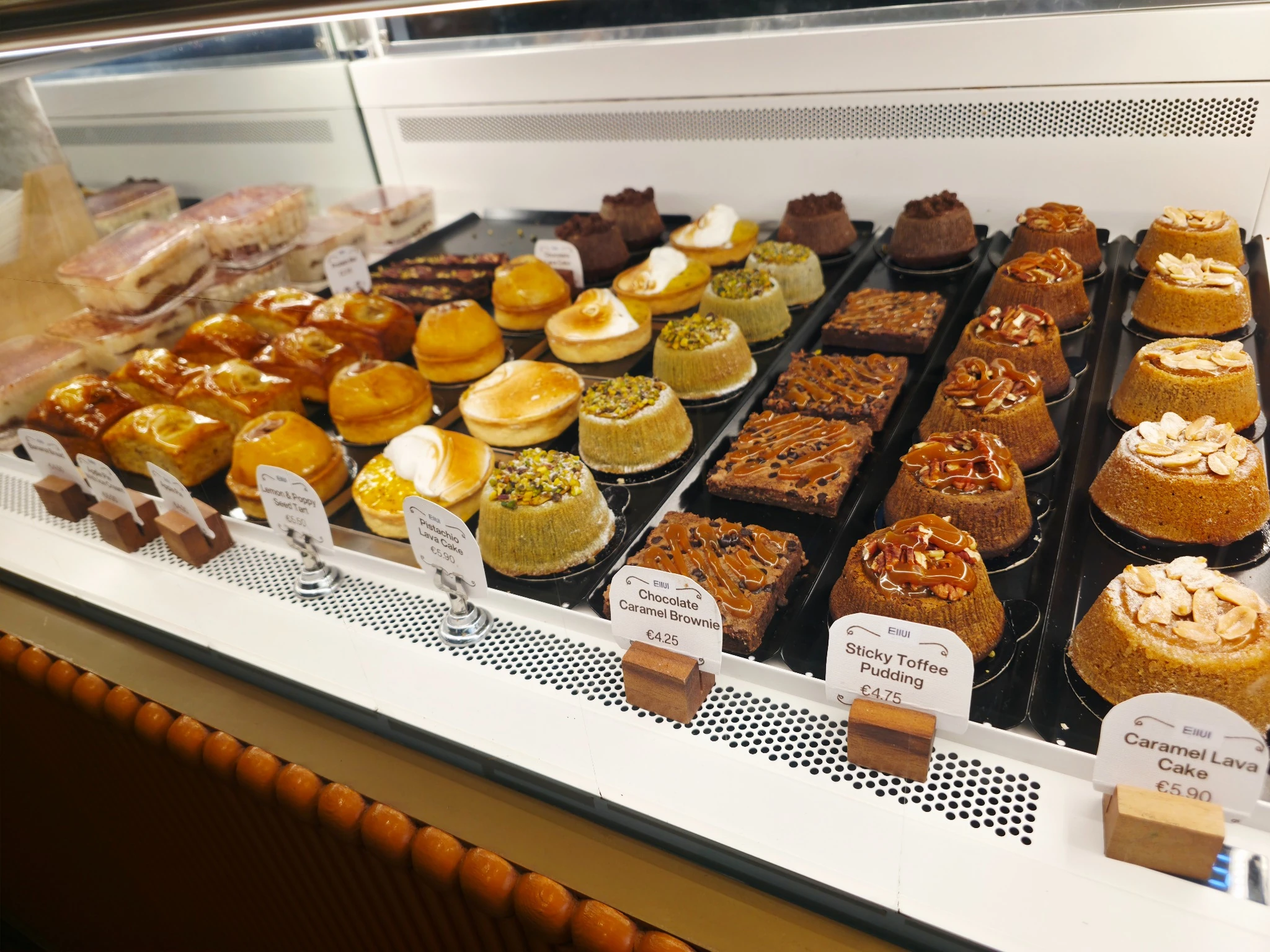
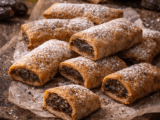
For something sweet, imqaret are hard to miss. Fried pastries filled with spiced dates, often sold at markets or small stands. Warm, slightly sticky, and just sweet enough to finish a meal without feeling heavy.
Where to Eat and How to Find It
One of the best things about Malta is that you don’t need to plan too much to eat well.
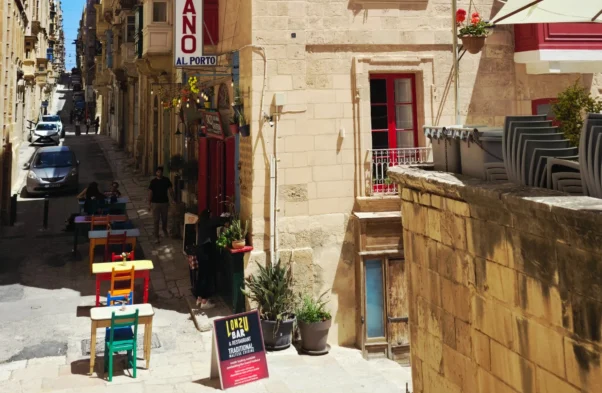
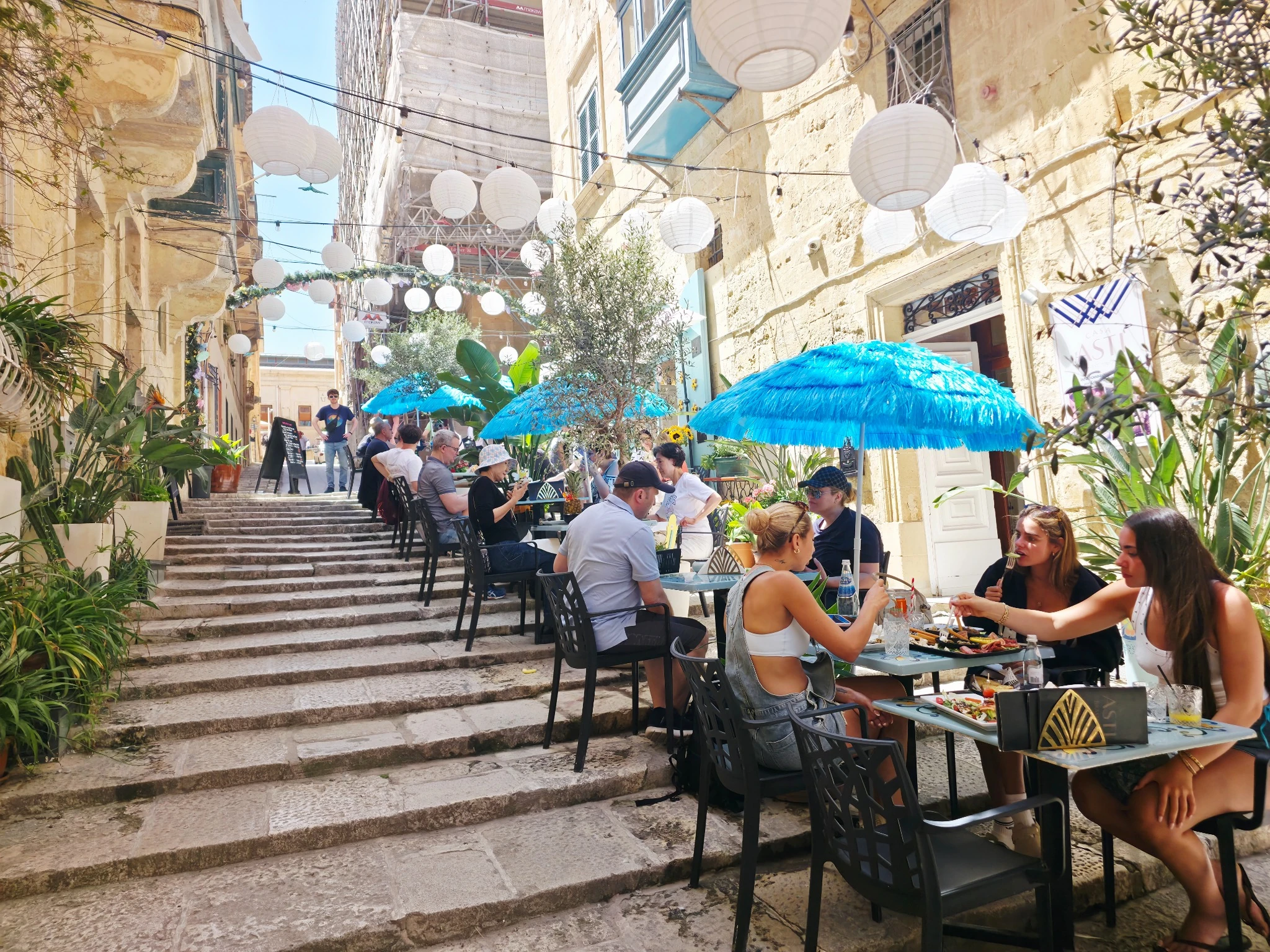
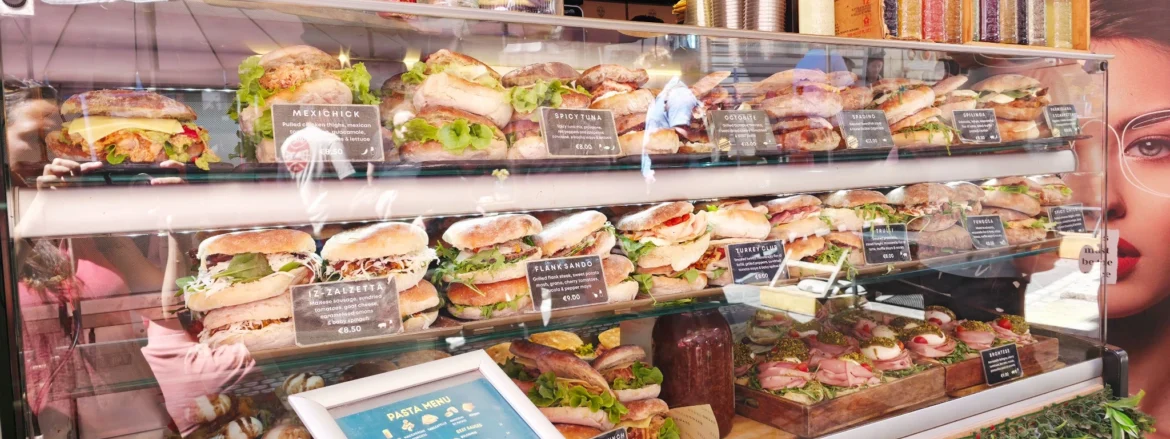
In Valletta, you’ll find a mix of restaurants, small bakeries and casual spots where you can try most of the traditional dishes. Walking through the streets, it’s easy to stop for a pastizz, grab a coffee, and move on without thinking too much about it.
For seafood, places like Marsaxlokk stand out. It’s a fishing village where the catch of the day still defines the menu. Sitting near the water with a simple fish dish feels very much like Malta at its core.
If you want something more traditional, it’s worth moving slightly away from the main tourist areas. Smaller restaurants and village spots tend to focus more on local dishes like rabbit stew or baked pasta, often cooked in a way that feels closer to home than to a restaurant.
Markets are also a good place to explore. You’ll find fresh produce, local cheeses, breads and sweets — and it gives you a better sense of how people actually eat on the island.

Maltese Food You Can Cook at Home
What I appreciated most about Maltese food is how approachable it is.
Most dishes are built around a few core ingredients — olive oil, garlic, tomatoes, herbs — and don’t rely on complicated techniques. It’s more about letting things cook properly and keeping flavours balanced.
If you want to bring Malta into your own kitchen, a few good starting points are pastizzi, ftira-style sandwiches, rabbit stew or lampuki pie. Even without exact ingredients, the structure of the dishes translates well.
It’s not about recreating it perfectly, but about capturing the feeling of it.
More Maltese Recipes
Travel Tips for Food in Malta
A few things that made a difference while exploring food in Malta:
- Eat where locals go. The smaller, less obvious places often have the best food.
- Try seasonal dishes. Fish like lampuki is much better when it’s in season.
- Don’t overplan. Some of the best meals come from spontaneous stops.
- Mix it up. Street food, bakeries and sit-down dinners all offer something different.
Frequently Asked Questions
What is the national dish of Malta?
Rabbit stew, or stuffat tal-fenek, is generally considered the national dish.
Is Maltese food similar to Italian?
It shares some similarities, but Maltese cuisine also includes Arabic spices and other influences, making it more diverse.
Is Malta good for food lovers?
Yes, especially if you enjoy simple, traditional cooking with strong flavours and cultural depth.