

Maltese Food Snacks & Sharing
Pastizzi Recipe: Traditional Maltese Ricotta and Pea Pastries
Flaky Maltese pastries with ricotta or curried peas, made with the traditional stretched dough.
Makes
24
Calories
175 kcal
Cuisine
Maltese

On this page: What are pastizzi · History · What you need · Step by step · Tips · Serving & storage · FAQ · Recipe card
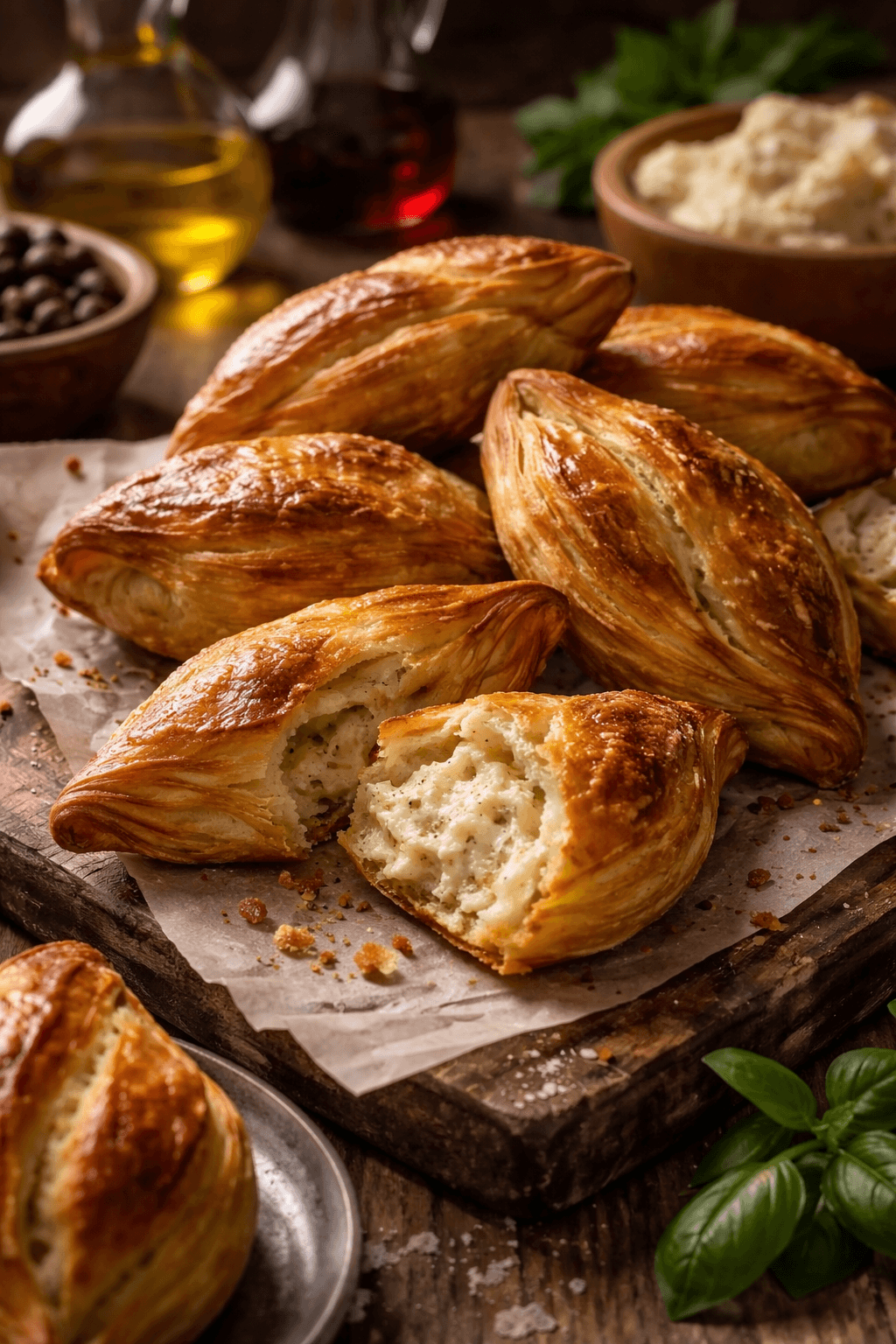
Pastizzi are Malta’s famous flaky pastries, filled with creamy ricotta (pastizzi tal-irkotta) or curried peas (pastizzi tal-piżelli). One is a pastizz, two or more are pastizzi. This Tone & Taste recipe makes both kinds at home with the traditional hand-stretched, layered dough, so you get the same shattering crust you find in a Maltese pastizzerija.
The dough asks for time more than skill. Most of it is hands-off chilling, so make it the day before. Shaping and baking 24 pastizzi then takes about an hour.
If you only want a quick version, there is a puff pastry shortcut in the recipe notes. It tastes good, but the traditional dough is what makes a real pastizz.
What Are Pastizzi?
Pastizzi (singular: pastizz) are small savoury pastries from Malta made from thin, layered dough that bakes into a crisp, flaky shell. The two classic fillings are ricotta and curried peas. They are Malta’s best-known street food and are eaten at any time of day.
The dough is close to filo. It is stretched paper-thin, coated in fat and rolled into a tight log. When you cut a slice and push it open with your thumbs, the layers fan out into a cone that holds the filling. In the oven those layers separate and crisp up.
In a pastizzerija you can tell the fillings apart by the fold. Ricotta pastizzi are traditionally folded down the middle, while pea pastizzi are folded along the side. Round versions exist too, and many shops now also sell chicken pastizzi alongside the two classics.
A Little History of Pastizzi
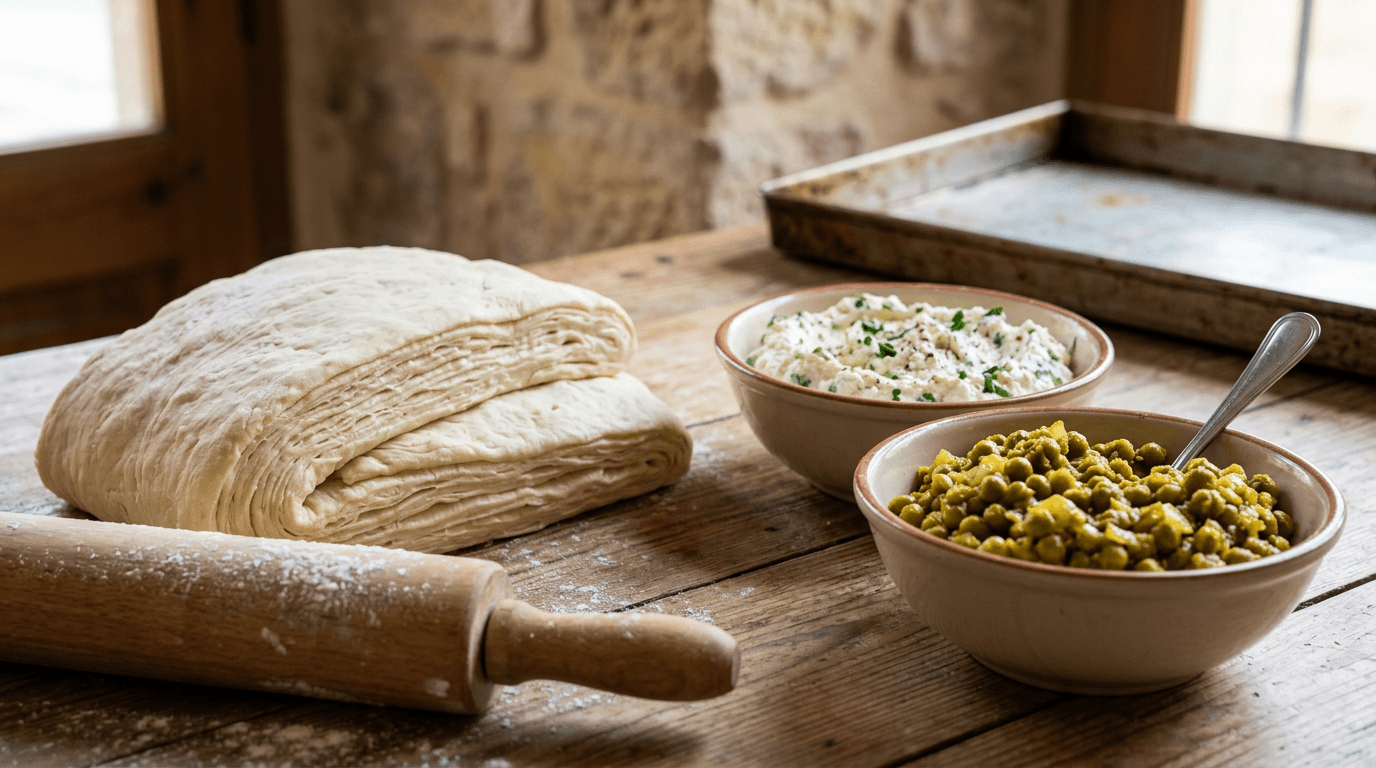
Nobody has pinned down exactly where pastizzi come from. Thin, layered pastries with savoury fillings are found across the Mediterranean and the Middle East, and Malta has absorbed food from many of its neighbours over the centuries. There is no single documented origin, and we won’t pretend otherwise.
What is certain is how central they are today. Pastizzi are baked in small, often family-run pastizzeriji and sold in bars, cafés and kiosks across Malta and Gozo. Maltese communities abroad took them along, and you can now find them in Australia, Canada, the UK and the US.
The word has even reached English dictionaries. In early 2026 the Oxford English Dictionary added pastizz, describing it as the classic Maltese savoury pastry typically stuffed with ricotta or curried peas, with the earliest English use dated to 1910. In Maltese, something that sells fast is said to go bħall-pastizzi: like pastizzi.
Planning a trip, or just back from one? Our guide to traditional Maltese dishes explains where to find the best pastizzi and what else to eat, and the traditional Maltese dishes guide and Maltese recipes collection cover the rest of the table. For where to go, see the Malta travel and food guide and our top attractions in Malta.
At a glance
Makes
24
Calories
175 kcal
Protein
5 g
Course
Appetizer, Snack
Why it works
01 Hand-stretched dough that bakes into proper flaky layers
02 Both classic fillings: ricotta and curried pea
03 Shape ahead, freeze, and bake straight from frozen

Cooking this later?
Save it to your Pinterest board so it’s there when you need it.
What You Need
Exact amounts are in the recipe card
Equipment tip: you need a large, clean worktop to stretch the dough thin. A long rolling pin helps, but your hands do most of the work.
For the Pastry
- 500 g strong white bread flour
- 1 tsp fine salt
- About 280 ml cold water
- 200 g soft margarine or lard
Ricotta Filling
- 250 g ricotta, well drained
- 1 egg
- Salt and black pepper
Pea Filling
- 1 tin (400 g) mushy or processed peas
- 1 small onion
- 1 tbsp olive oil
- 1 tsp mild curry powder
- 1 tsp tomato paste
Equipment
- Large clean worktop or table
- Rolling pin
- Sharp knife
- Small frying pan
- 2 baking trays and baking paper
How to Make Pastizzi
Plan ahead: the rolled dough needs at least 2 hours in the fridge, ideally overnight. Cold fat between the layers is what keeps them separate in the oven, so don’t skip the chill.
1. Make the dough
Mix the flour and salt in a large bowl. Add the water gradually and bring it together into a soft dough. You may not need all of it, or you may need a splash more, depending on your flour.
Knead for 8 to 10 minutes until very smooth and elastic. Cover and rest for 30 minutes so the gluten relaxes and the dough stretches without springing back.
2. Stretch and spread with fat
Lightly oil a large worktop. Roll the dough out as thin as you can, then lift the edges and stretch it gently over the backs of your hands, working around the sheet, until it is roughly 60 × 80 cm and thin enough to see the worktop through. A few small holes are fine.
Spread the soft margarine or lard evenly over the whole sheet, right to the edges.
3. Roll and chill
Starting from a long edge, roll the sheet up into a tight log, pulling it gently towards you as you go so the layers stay tight. You want a log about 4 to 5 cm thick.
Wrap it in cling film and chill for at least 2 hours, or overnight.
Tip: If the log is longer than your fridge shelf, coil it loosely like a snail before wrapping.
4. Make the fillings
Ricotta: mix the drained ricotta with the egg, a good pinch of salt and some black pepper.
Peas: soften the chopped onion in the olive oil for 5 minutes. Stir in the curry powder and tomato paste for 1 minute, then add the drained peas. Cook for about 5 minutes, mashing roughly, until thick enough to hold its shape. Season and let both fillings cool completely.
5. Shape the pastizzi
Heat the oven to 220°C (200°C fan). Cut the cold log into slices about 2 cm thick; you should get around 24.
Hold a slice cut side up, press both thumbs into the centre and push outwards and down, so the layers slide open into a shallow cone about 8 cm across. Add a heaped tablespoon of filling.
For ricotta, bring the edges up over the filling and pinch them together so the seam runs down the middle. For peas, fold the pastry over to one side and press the seam along the side. Place on lined trays, 3 cm apart.
6. Bake
Bake for 25 to 30 minutes until deep golden and the layers have puffed and separated. Rest for 5 minutes before eating: the filling stays very hot.
Tip: Pale pastizzi are underbaked and will be soft. Leave them in until the outer layers are a deep golden brown.
Tips for Flaky Pastizzi
- Drain the ricotta. Leave it in a sieve for 30 minutes. Wet ricotta makes soggy pastry and can leak.
- Soft fat, cold log. The margarine should be spreadable when you laminate, then the log must be properly cold before slicing.
- Don’t overfill. A heaped tablespoon is plenty. Too much filling splits the layers open.
- Use a hot oven. 220°C sets the layers fast so they puff instead of turning greasy.
- Cool the fillings. Warm filling melts the fat in the dough before it reaches the oven.
Serving & Storage
Serving
Eat pastizzi warm, ideally within an hour of baking, when the pastry still shatters. In Malta they go with a cup of tea or coffee, or a bottle of Kinnie, the local bitter-orange soft drink.
They are snack food, not a plated dish. Serve a mix of ricotta and pea on a board for sharing, alongside other Maltese bites like bigilla.
Storing Leftovers
Pastizzi are best on the day they are baked. The pastry softens as it sits.
| Baked pastizzi | fridge, up to 2 days |
| Unbaked pastizzi | freezer, up to 3 months |
| Rolled dough log | fridge, up to 2 days |
Reheat baked pastizzi in a 180°C oven for 8 to 10 minutes. Avoid the microwave, which makes the pastry chewy.
To freeze, shape the pastizzi, freeze them on a tray until solid, then bag them. Bake from frozen at the same temperature, adding 5 to 8 minutes.
Maltese Pastizzi (Ricotta and Pea)
Equipment
- Large clean worktop or table
- Sharp knife
- Small frying pan
- 2 baking trays
- Baking paper
- Cling film
Ingredients
- For the pastry:
- 500 g strong white bread flour plain flour also works
- 1 tsp fine salt
- 280 ml cold water approximately
- 200 g soft margarine or lard at room temperature
- For the ricotta filling (12 pastizzi):
- 250 g ricotta drained in a sieve for 30 minutes
- 1 egg
- salt and black pepper to taste
- For the pea filling (12 pastizzi):
- 400 g tin mushy or processed peas drained
- 1 small onion finely chopped
- 1 tbsp olive oil
- 1 tsp mild curry powder
- 1 tsp tomato paste
- salt and black pepper to taste
Instructions
- Dough: mix the flour and salt in a large bowl. Add the water gradually and bring it together into a soft dough, adding a splash more or less as needed.
- Knead for 8 to 10 minutes until very smooth and elastic. Cover and rest for 30 minutes.
- Lightly oil a large worktop. Roll the dough as thin as possible, then stretch it gently over the backs of your hands into a sheet roughly 60 × 80 cm, thin enough to see through. Small holes are fine.
- Spread the soft margarine or lard evenly over the whole sheet.
- From a long edge, roll the sheet up tightly into a log 4 to 5 cm thick, pulling gently as you roll. Wrap in cling film and chill for at least 2 hours, or overnight.
- Ricotta filling: mix the drained ricotta with the egg, a pinch of salt and black pepper.
- Pea filling: soften the onion in the olive oil for 5 minutes. Stir in the curry powder and tomato paste for 1 minute, add the peas and cook for about 5 minutes, mashing roughly, until thick. Season and cool both fillings completely.
- Shaping: heat the oven to 220°C (200°C fan) and line two baking trays with baking paper. Cut the cold log into slices about 2 cm thick (around 24).
- Hold a slice cut side up, press both thumbs into the centre and push outwards and down to open it into a shallow cone about 8 cm across. Add a heaped tablespoon of filling.
- Ricotta: pinch the edges together over the filling so the seam runs down the middle. Peas: fold the pastry to one side and press the seam along the side. Place 3 cm apart on the trays.
- Bake for 25 to 30 minutes until deep golden and flaky. Rest for 5 minutes before eating.
Made these pastizzi?
Rate it with the stars in the recipe card and tell us how it went in the comments: ricotta or pea, and how thin you managed to stretch the dough.
Pastizzi FAQs
What is a pastizz?
A pastizz is a single Maltese pastizzi pastry: a flaky, layered savoury pastry filled with ricotta or curried peas. Pastizz is the singular and pastizzi the plural.
What are pastizzi filled with?
The two classic fillings are ricotta (pastizzi tal-irkotta) and curried peas (pastizzi tal-piżelli). Many shops in Malta now also sell chicken pastizzi.
How do you tell ricotta and pea pastizzi apart?
By the fold. Ricotta pastizzi are traditionally folded down the middle, while pea pastizzi are folded along the side.
Can I make pastizzi with puff pastry?
Yes. Cut ready-rolled puff pastry into squares, fill, fold and bake at 200°C for 20 to 25 minutes. They are tasty, but the crust is softer and less flaky than the traditional stretched dough.
Can you freeze pastizzi?
Yes, unbaked. Freeze them on a tray, then bag them for up to 3 months. Bake from frozen, adding 5 to 8 minutes to the baking time.
How many calories are in a pastizz?
A pastizz made with this recipe has roughly 175 kcal. Bakery pastizzi vary with their size and the fat used in the dough.
How should I serve pastizzi?
Warm, straight from the oven, with tea, coffee or a bottle of Kinnie. They are a snack, so serve them on a board to share.
Products we use
Our kitchen kit for this recipe
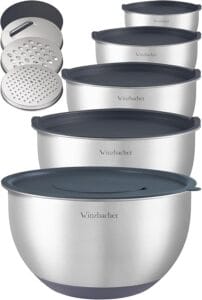
Stainless Steel Bowls
View in shop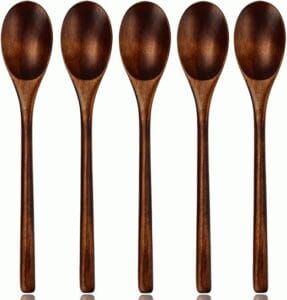
Wooden Spoons
View in shop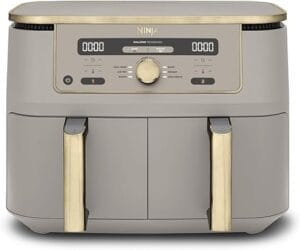
Ninja Foodi DualZone Air Fryer (7.6 L)
View in shopMore to cook
More recipes from our kitchen

Malta
Imqaret

Malta
Tuna Ftira
Malta
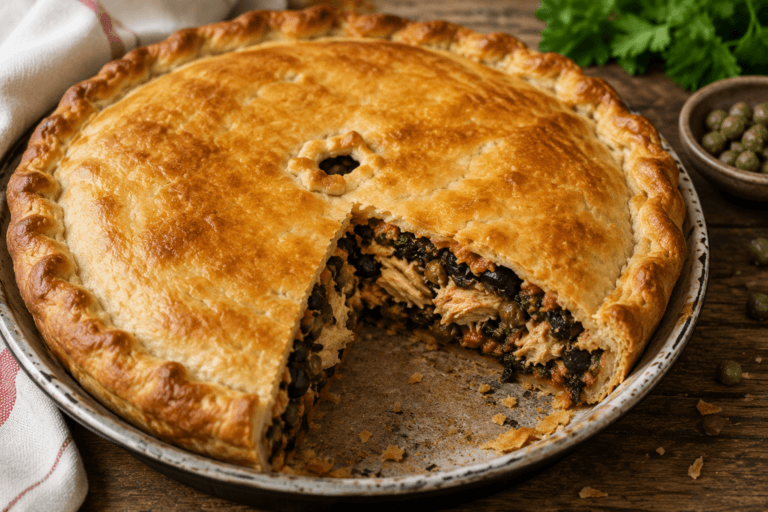
Lampuki Pie