
Set the Tone for Worldly Tastes in Every Kitchen
Bigilla: Traditional Maltese Bean Dip Recipe
The Dip I Almost Ignored (And Now Actively Crave)
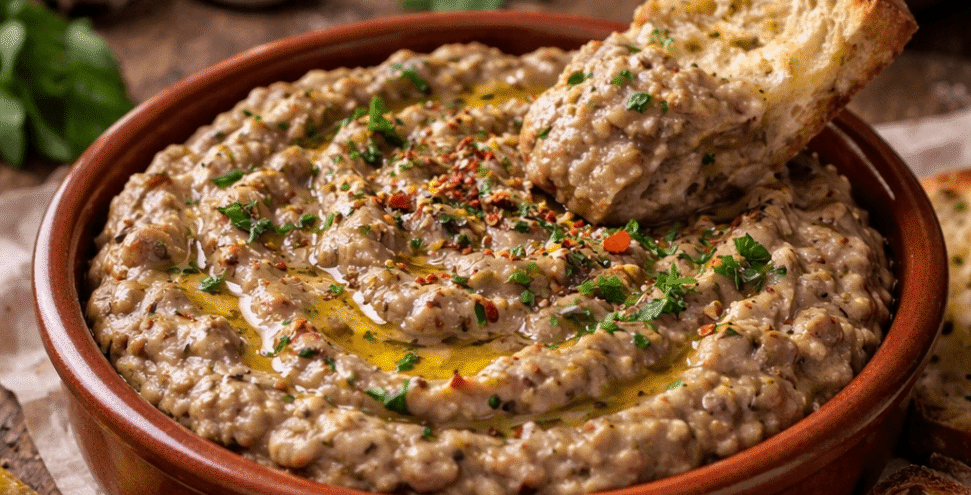
Bigilla is one of those dishes that feels simple at first, but carries a lot of character. It’s rich, slightly earthy, packed with garlic, and finished with good olive oil. You’ll find it across Malta—served as part of a spread, alongside bread or crackers, or as a small plate to share.
It’s not delicate or refined. Bigilla is meant to be bold, a little rough around the edges, and full of flavor. That’s exactly what makes it work.
What Is It?
Bigilla is a traditional Maltese spread made from dried broad beans, cooked until soft and then mashed with garlic, olive oil, and herbs.
The texture can vary:
- Coarse and rustic
- Smooth and spreadable
It’s often served as part of a meze-style table or simply with bread.
A Little History
Bigilla has its roots in Malta’s rural cooking traditions, where dried broad beans were a reliable and affordable staple. It was originally a dish of necessity—simple ingredients turned into something filling and flavorful. Over time, it became a defining part of Maltese cuisine, closely linked to local bakeries and village life. Today, bigilla remains a classic example of Mediterranean food culture: humble, seasonal, and built around strong, honest flavors.
What You Need
You’ll need dried broad beans (ful ta’ Nanna), which are the base of the dish and give it its deep, earthy flavor.
Garlic is essential—it defines the character of bigilla. Olive oil adds richness and helps bring everything together.
Dried marjoram or parsley adds a subtle herbal note, while salt and pepper balance the flavor.
Optional additions like chili flakes, lemon juice, or vinegar can be used to add heat or acidity, depending on how you want to finish it.
The Process
Bigilla is built in three main stages:
- Soaking and cooking the beans
- Mashing with flavorings
- Adjusting texture and seasoning
The key is cooking the beans properly so they mash easily without becoming watery.

Step-by-Step Instructions
Step 1 — Soak the Beans
Place the dried broad beans in plenty of cold water and leave them to soak overnight.
This softens them and reduces cooking time.
Step 2 — Cook Until Soft
Drain and rinse the beans, then boil them in fresh water for about 45–60 minutes.
They should be fully soft and easy to crush.
Step 3 — Drain and Prepare
Drain the cooked beans well and transfer them to a bowl or food processor.
Make sure there’s no excess water left.
Step 4 — Add Flavor
Add crushed garlic, olive oil, herbs, salt, and pepper.
Include optional extras like chili flakes or a splash of lemon juice if desired.
Step 5 — Mash or Blend
Mash by hand for a coarse texture or blend for a smoother consistency.
Adjust depending on how you prefer it.
Step 6 — Taste and Adjust
Taste the bigilla and adjust seasoning.
You can add more olive oil for richness or acidity to lift the flavor.
Step 7 — Serve
Serve warm or at room temperature.
Let it sit briefly so the flavors settle.
Serving
Bigilla is best served simply:
- With Maltese bread or ftira
- With galletti crackers
- Alongside raw vegetables
A drizzle of olive oil on top finishes it properly.
Storing
Store in an airtight container in the fridge for a few days.
The flavor develops over time, often tasting even better the next day.
Bring it back to room temperature before serving for the best texture.


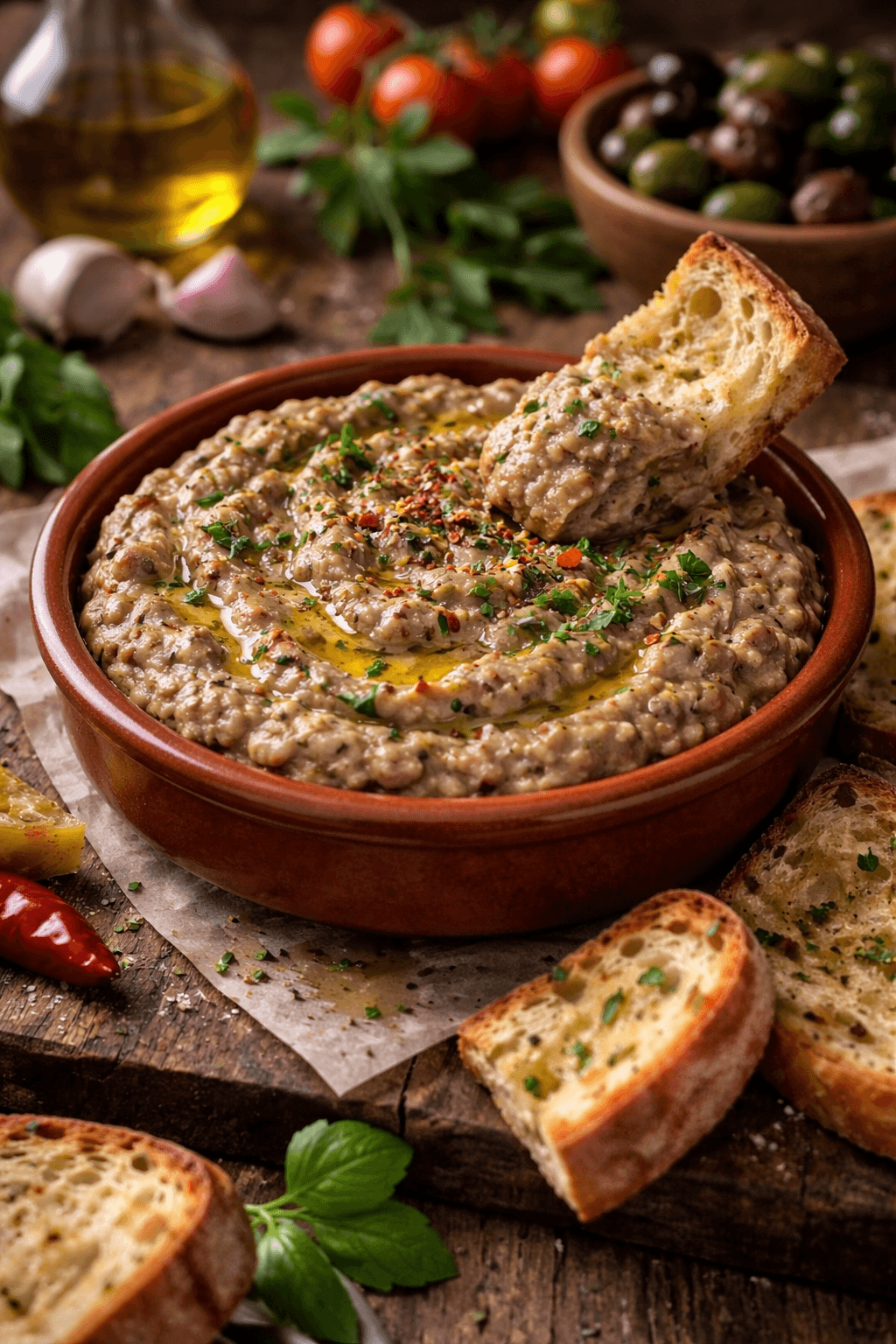
Traditional Maltese Bigilla (Broad Bean Dip)
Ingredients
- 150 g dried broad beans or ful tan-Nanna
- 2 tbsp olive oil about 20 g
- 2 –3 cloves garlic crushed (5 g)
- 1 tsp dried marjoram or parsley
- Salt and pepper to taste
- Optional: chili flakes lemon juice, or vinegar
Instructions
- Soak the dried broad beans overnight in plenty of cold water.
- Drain and rinse, then boil in fresh water for about 45–60 minutes until soft.
- Drain and place beans in a bowl or food processor.
- Add garlic, olive oil, herbs, salt, pepper, and any optional extras.
- Mash or blend until you reach a coarse or smooth consistency, depending on preference.
- Taste and adjust seasoning as needed.
- Serve warm or at room temperature with Maltese bread, galletti crackers, or veggie sticks.
Notes
Nutrition
More Maltese Recipes



Product We Use
to make our cooking experience better


