

Maltese Food Sweets & Desserts
Imqaret: Traditional Maltese Date Pastry Recipe
The Sweet You Smell Before You See.
Serves
8
Calories
338 kcal
Cuisine
Maltese


On this page: What is it · History · What you need · Step by step · Serving & storage · Recipe card
You usually notice imqaret before you actually see them. It starts with a warm, sweet smell drifting through the air — caramelized sugar, fried pastry, and something citrusy and spiced that makes you slow down without even realizing it. Follow that scent, and you’ll almost always end up at a small street stall, a simple counter, or a market corner where someone is frying them fresh to order.
The first time we tried them, it wasn’t planned. We were just walking past a stall, already full, already saying “we’ll just have one.” That lasted about thirty seconds. One bite in, and it was clear this wasn’t a one-piece situation. The outside was crisp and golden, still hot from the oil, while the inside was soft, sticky, and rich with dates and spice.
There’s something about imqaret that feels both simple and indulgent at the same time. They’re not fancy, not plated, not styled — just handed over in a small paper bag, slightly too hot to hold properly. And somehow, that makes them even better.
What Is It?
Imqaret are traditional Maltese pastries filled with a sweet, spiced date mixture, then fried until golden and crisp. The pastry itself is relatively simple, but once it hits the hot oil, it transforms into a thin, crunchy shell that contrasts perfectly with the soft filling inside.
The filling is where most of the flavor lives. Dates are cooked down into a thick paste and usually combined with citrus zest, spices like cinnamon or anise, and sometimes orange blossom water. The result is rich, slightly sticky, and deeply aromatic.
They are typically cut into small diamond shapes — the name imqaret actually refers to this shape — and fried until the edges caramelize slightly.
Served hot, they have that perfect contrast: crisp on the outside, soft and almost jam-like on the inside. And while they’re often eaten on their own, you’ll sometimes find them served with ice cream, especially in more modern or café-style versions.
A Little History
Imqaret carry a strong imprint of Malta’s layered culinary history. The use of dates, spices, and citrus points directly to North African and Arab influences that shaped Maltese cuisine during early periods of rule and trade.
Over time, the recipe became part of everyday Maltese food culture, especially tied to street food traditions and local festas. They are not something you only find in bakeries — they live in markets, roadside stalls, and small setups where they are fried fresh in front of you.
What makes them particularly special is how they fit into daily life. They’re not reserved for celebrations or special occasions. They’re something you grab while walking, something you eat standing up, something you share without thinking.
And even now, with modern cafés and dessert menus everywhere, the most memorable imqaret are still the simplest ones — the ones made fresh, handed over in paper, eaten too quickly while they’re still too hot.
At a glance
Serves
8
Calories
338 kcal
Protein
4.2 g
Course
Dessert, Snack
Why it works
01 Spiced date filling cooked down thick
02 Crisp outside, soft and jammy inside
03 Freeze before frying, fry from frozen
Cooking this later?
Save it to your Pinterest board so it’s there when you need it.
What You Need
Exact amounts are in the recipe card
Equipment tip: For evenly fried date pastries, the deep fryer we recommend helps maintain consistent oil temperature.
For the Dough
- Flour
- Water
- Olive oil
- A pinch of salt
For the Filling
- Dates
- Orange zest
- Cinnamon
- Anise seeds or other warm spices
- Optional orange blossom water
Step-by-Step Instructions
Making imqaret is a balance between simplicity and technique. The dough itself is straightforward, but the key is getting the right thickness — thin enough to crisp up quickly when fried, but strong enough to hold the filling without breaking.
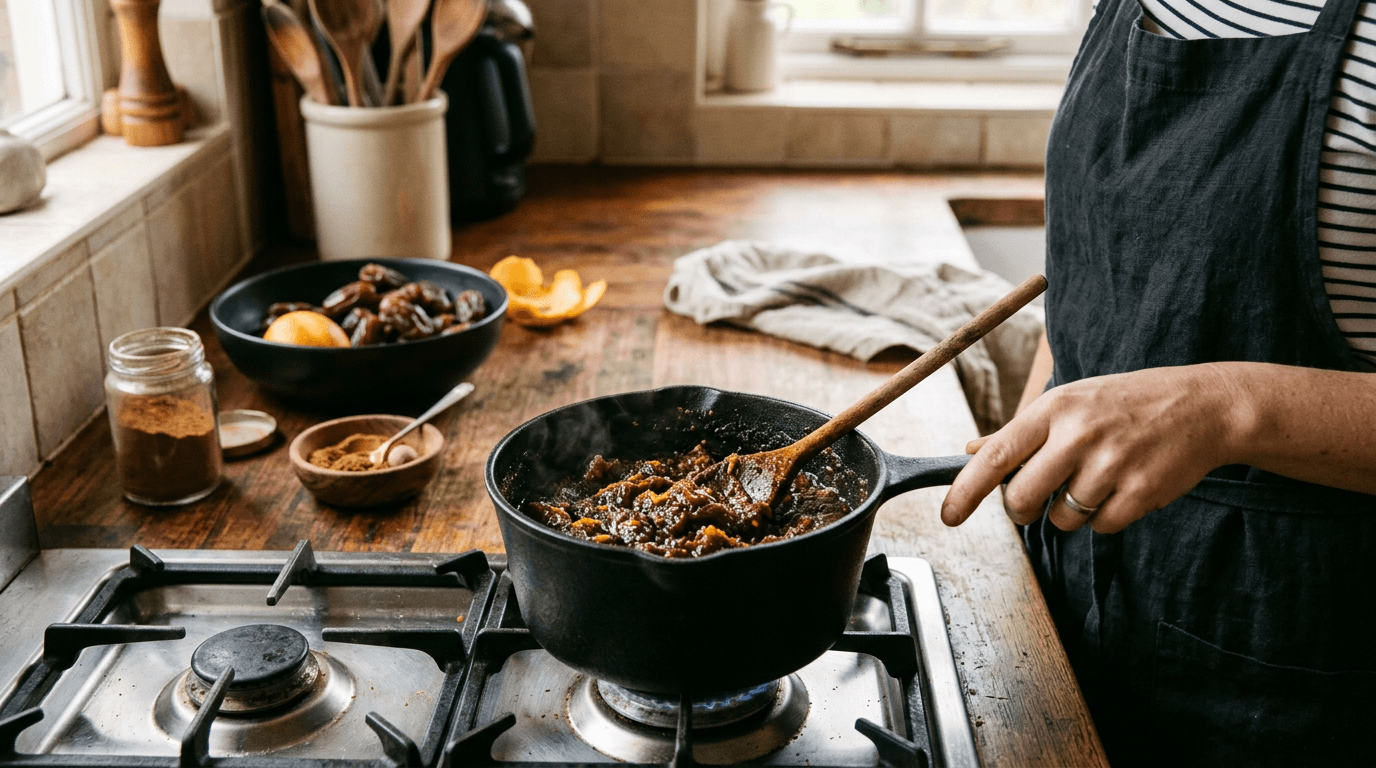
The date filling is prepared first, cooked down until thick and concentrated. It should be smooth but firm enough to shape, almost like a paste that holds together easily.
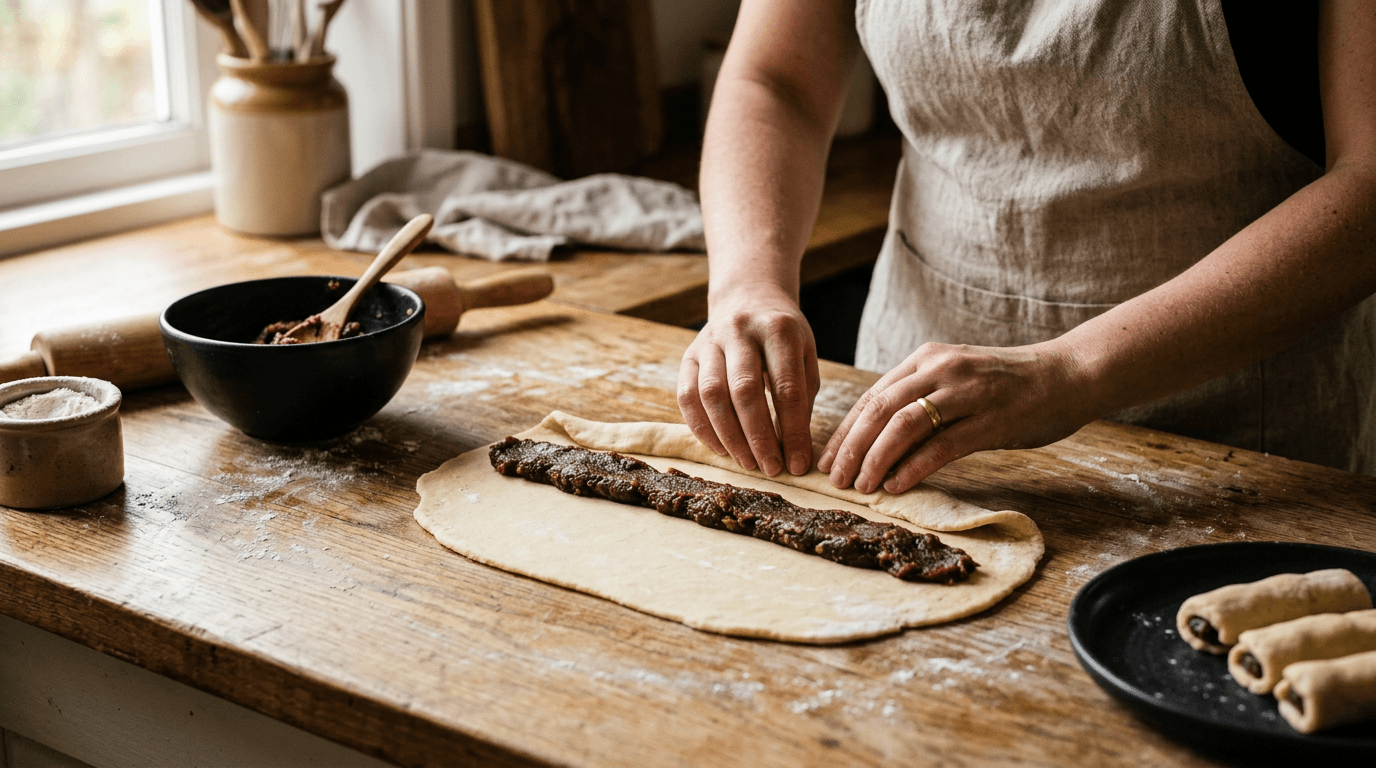
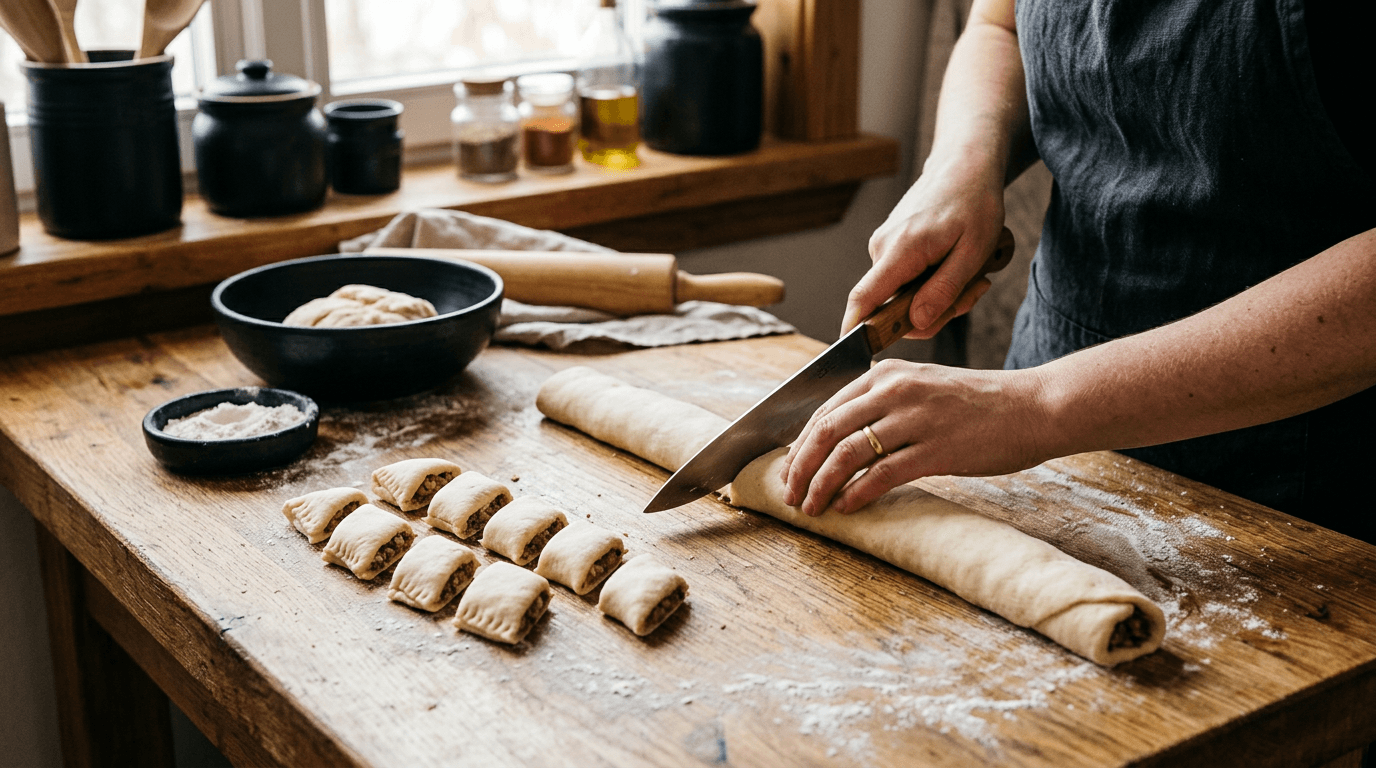
Once the dough is rolled out, the filling is placed in the center and folded over. The pastry is then sealed and cut into small diamond shapes, keeping everything compact so it fries evenly.
The final step is frying — and this is where everything changes. As soon as the pastry hits the hot oil, it starts to puff slightly and turn golden. The outside crisps up while the inside stays soft, and the edges take on that slightly caramelized finish that makes them so addictive.
1. Prepare the date filling
Start by cooking the dates with citrus zest and spices until they break down into a thick paste. Stir continuously so it doesn’t stick, and cook until most of the moisture has evaporated. Let it cool before shaping.
2. Make the dough
Combine flour, water, olive oil, and salt to form a smooth dough. Knead until soft and elastic, then let it rest. This makes it easier to roll out thinly without tearing.
3. Roll and fill
Roll the dough into a thin sheet. Place the date filling in a line along the dough, fold it over, and press lightly to seal.
4. Shape
Cut the filled dough into small diamond-shaped pieces. Make sure the edges are sealed well so the filling stays inside during frying.
5. Fry
Heat oil in a deep pan and fry the imqaret until golden brown. Turn them gently so they cook evenly on all sides.
Remove and drain on paper while still hot.
Tip: No deep fryer? Brush both sides lightly with olive oil and air fry at 190°C for 8–10 minutes in a single layer, turning halfway. Seal the edges well, and let them rest 2 minutes before eating.
Serving & Storage
Serving
Imqaret are best eaten immediately, while still warm and slightly crisp from the oil. This is when the contrast between the crunchy exterior and soft filling is at its peak.
In Malta, they are often eaten straight from a paper bag, usually while standing near the stall where they were made. There is no ceremony, no plating — just heat, sweetness, and that slightly messy, sticky experience that makes them feel real.
You will also sometimes find them served with a scoop of vanilla ice cream, which melts quickly against the hot pastry and adds a creamy contrast to the spiced date filling.
Storing Leftovers
Imqaret are at their best fresh, and they lose some of their crispness as they cool. If you do have leftovers, they can be stored in an airtight container at room temperature for a day.
| Fried imqaret | store airtight, reheat in the oven |
| Unfried imqaret | freeze, fry from frozen |
To bring them back to life, reheat them briefly in the oven rather than the microwave. This helps restore some of the crisp texture.
They can also be frozen before frying. Simply prepare and shape them, freeze on a tray, and fry directly from frozen when needed. This makes it easy to recreate that fresh, hot street food experience whenever you want.
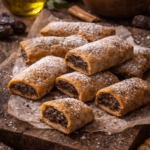
Traditional Maltese Imqaret (Date-Filled Fried Pastries)
Equipment
- Slotted spoon or tongs (for frying)
Ingredients
- For the dough:
- 250 g plain flour
- 50 g semolina
- 1 tbsp sugar
- 1 tbsp sunflower oil or butter
- 1/2 tsp aniseed optional
- A pinch of salt
- ~100 ml water to form dough
- For the filling:
- 200 g pitted dates chopped
- 1 tbsp orange blossom water or zest of 1 orange
- 1/2 tsp cinnamon
- 1/4 tsp ground clove
- 2 –3 tbsp water for softening the dates
- For frying:
- Sunflower or vegetable oil
Instructions
- Make the dough:
- In a bowl, mix flour, semolina, sugar, salt, and aniseed. Add oil and slowly mix in water until a pliable dough forms. Knead briefly, cover, and rest.
- Prepare the filling:
- In a small saucepan, combine chopped dates, water, orange blossom (or zest), cinnamon, and clove. Simmer gently and mash until a thick paste forms. Let cool.
- Assemble:
- Roll out the dough into long strips (about 12 cm wide). Spread a line of date paste lengthwise in the center. Fold over the sides to enclose the filling and seal. Flatten slightly and cut diagonally into diamond shapes.
- Fry:
- Heat oil to 170–180°C. Fry imqaret in batches until golden brown and crisp. Drain on paper towels.
- Serve:
- Serve warm, dusted with icing sugar or paired with vanilla ice cream.
Made these imqaret?
Rate it with the stars in the recipe card and tell us how it went in the comments: what you swapped, what you added, how spicy you made it.
Products we use
Our kitchen kit for this recipe
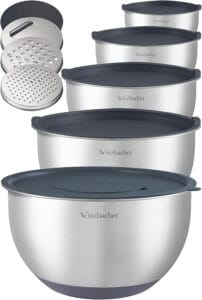
Stainless Steel Bowls
View in shop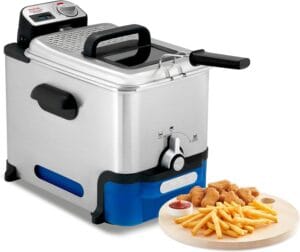
T-fal Deep Fryer with Oil Filtration (3.5 L)
View in shop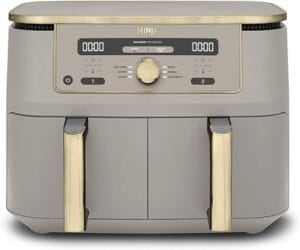
Ninja Foodi DualZone Air Fryer (7.6 L)
View in shopMore to cook
More recipes from our kitchen
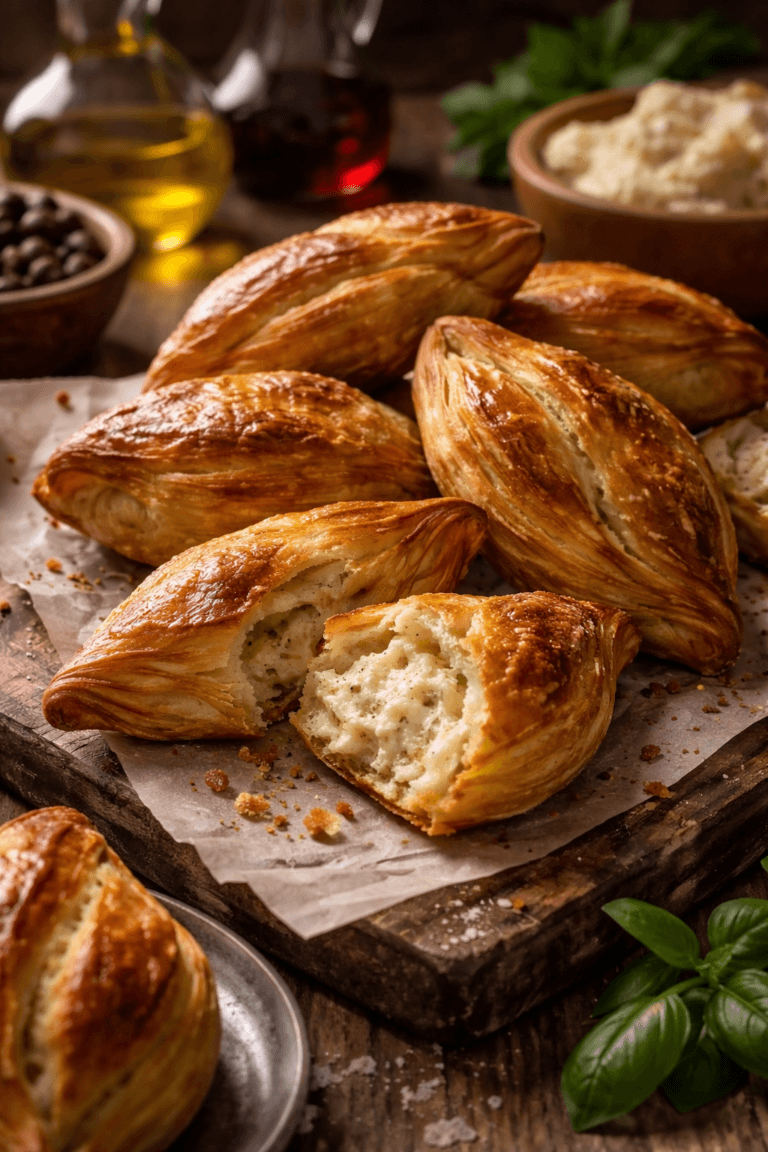
Malta
Pastizzi
Tunisia
Bambalouni
Malta
Lampuki Pie