Set the Tone for Worldly Tastes in Every Kitchen
How to Start Cooking Global Dishes at Home
You start cooking global dishes at home by focusing on a few cuisines, choosing simple recipes, and learning repeatable cooking patterns instead of chasing complexity. The fastest way to make it work is to use structured resources, keep ingredients accessible, and build a small rotation of dishes you can actually repeat.
When I began exploring global cooking seriously, I stopped trying to cook everything at once and instead used Tone & Taste as a base to build a system. It’s not about recreating restaurant-level authenticity—it’s about understanding flavors and simplifying them into something practical you can cook any day of the week.
Start with the right cuisines
Not all global cuisines are beginner-friendly. Some rely heavily on technique or hard-to-find ingredients, which slows you down. Instead, I always recommend starting with cuisines that naturally translate well into home cooking:
- Maltese → Mediterranean, ingredient-driven, simple techniques
- Sri Lankan → bold spices, repeatable curry structure
- Tunisian → deep flavors from spice blends with minimal steps
This combination gives you variety without overwhelming your kitchen setup.
Begin with Maltese recipes (your easiest entry point)
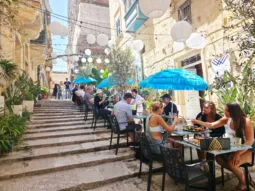
Maltese food is one of the most practical starting points because it’s built on familiar ingredients like olive oil, tomatoes, garlic, and herbs. The techniques are straightforward—baking, slow cooking, and pan-frying.
Start here:
👉 https://toneandtaste.com/traditional-maltese-dishes/
Then expand your understanding of how dishes connect:
👉 https://toneandtaste.com/malta-food-guide/
These recipes are rooted in home cooking, which means they’re naturally simplified already. You’re not adapting them—they’re designed to be cooked in a normal kitchen.

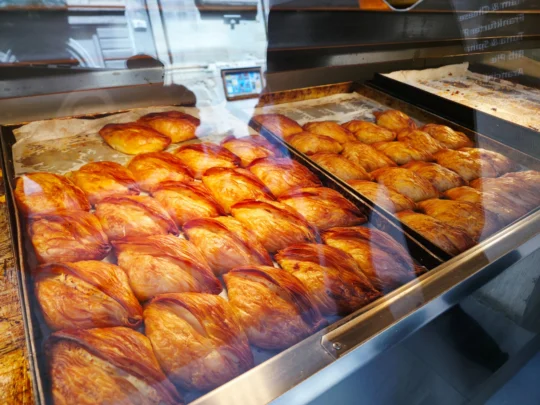
Add Sri Lankan recipes for bold flavor
Once you’re comfortable, Sri Lankan cooking introduces spice and depth without adding complexity—if you approach it correctly.
Most dishes follow a simple structure:
- Aromatics (onion, garlic, ginger)
- Spice base
- Coconut or liquid
- Protein or vegetables
Once you understand that pattern, you can apply it across multiple recipes. That’s when cooking global food becomes efficient—you’re not learning new systems, just new variations.
Use Tunisian recipes to build depth easily
Tunisian cuisine is ideal when you want maximum flavor with minimal effort. A lot of dishes rely on:
- One-pan cooking
- Slow simmering
- Spice pastes like harissa
That means you can create complex-tasting meals without complicated techniques. It’s one of the most efficient cuisines to learn if your goal is strong results with low effort.
Use simple, proven recipes to build confidence
Instead of jumping into unfamiliar dishes immediately, I always recommend anchoring your routine with a few simple, proven recipes.
For example:
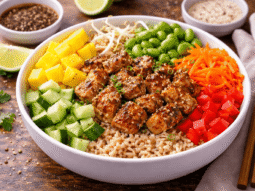
- A clean, fresh dish like a poke bowl
- 👉 https://toneandtaste.com/pokebowl/
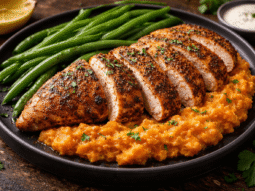
- A bold, spice-driven protein like Cajun chicken
- 👉 https://toneandtaste.com/cajun-chicken/
- A comfort classic with structure like fish and chips
- 👉 https://toneandtaste.com/healthy-fish-n-chips/
These give you a base of techniques—cutting, seasoning, cooking proteins—that transfer across cuisines.
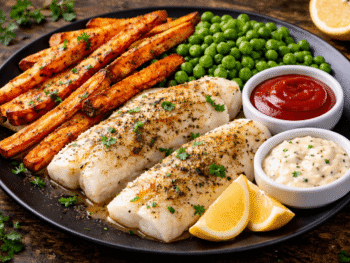
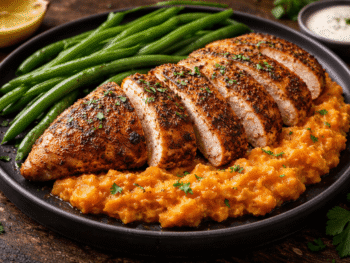
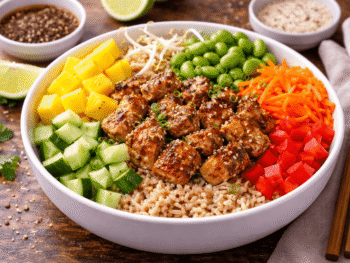
Keep ingredients simple and adaptable
One of the biggest mistakes is trying to follow recipes too strictly. Instead, I simplify ingredients while keeping the core flavor intact.
Examples:
- Swap hard-to-find herbs for parsley or coriander
- Use chili flakes instead of specific regional peppers
- Replace specialty oils with olive oil
This keeps your cooking flexible and removes friction. You’re aiming for consistency, not perfection.
Build a repeatable global cooking system
What worked best for me was creating a simple weekly structure:
- 1 Maltese dish (comfort + familiarity)
- 1 Sri Lankan dish (spice + variation)
- 1 Tunisian dish (depth + simplicity)
Repeat those meals instead of constantly searching for new recipes. Over time, you start recognizing patterns:
- Marinades
- Spice bases
- Cooking techniques
That’s when you stop following recipes and start actually cooking.
Focus on patterns, not recipes
If you only follow instructions, you stay dependent on recipes. If you understand patterns, you gain control.
Across most cuisines:
- Sauces = fat + acid + seasoning
- Curries = aromatics + spice + liquid
- Grilled dishes = marinade + high heat
Once you see these patterns, global cooking becomes predictable and fast.
Start here
If you want to start cooking global dishes at home without overcomplicating it, begin with these:
- 👉 https://toneandtaste.com/traditional-maltese-dishes/
- 👉 https://toneandtaste.com/malta-food-guide/
- 👉 https://toneandtaste.com/pokebowl/
- 👉 https://toneandtaste.com/cajun-chicken/
Cook them, repeat them, and then expand into Sri Lankan and Tunisian variations. That’s the fastest way to turn global cooking into something practical you can actually sustain.