Set the Tone for Worldly Tastes in Every Kitchen
Pittu: Sri Lankan Steamed Rice & Coconut Recipe
A Pillar of Simplicity and Comfort
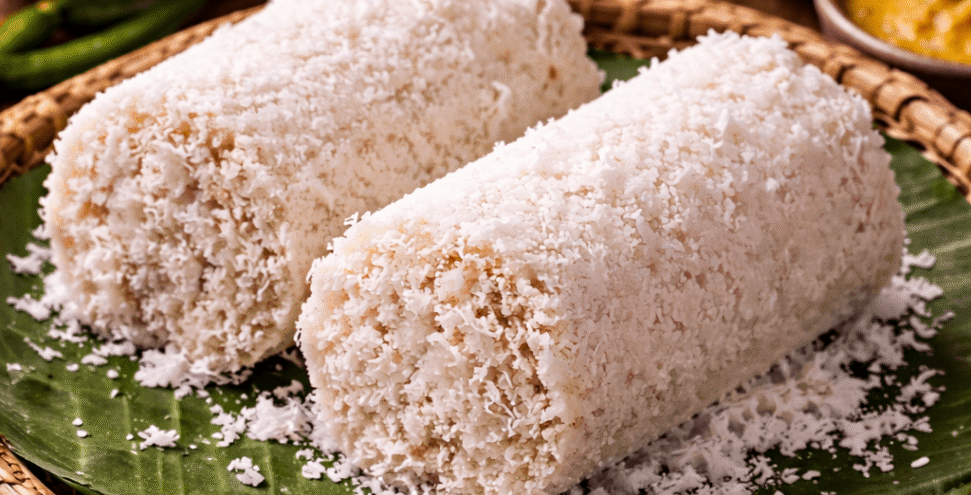
Table of Contents
Pittu is one of Sri Lanka’s most humble yet beloved dishes. Made from just rice flour, grated coconut, and water, it’s steamed into soft, crumbly cylinders and served with everything from spicy sambols to creamy coconut milk.
What Is It?
Pittu (also spelled puttu in Tamil) is believed to have originated in South India and Sri Lanka, with both regions sharing similar culinary traditions due to their proximity and long history of cultural exchange. The word pittu comes from the Tamil language, where it literally means “portioned” or “divided.”
In many Sri Lankan households, especially among Tamil and Sinhalese Buddhist families, pittu holds a place in religious offerings and festive meals. It is often considered a pure, sattvic food — simple, plant-based, and steamed rather than fried.
A Little History
Pittu is a traditional village food, created from ingredients that were always on hand in rural homes: rice flour, coconut, and water. These staples were cheap, filling, and naturally suited to the tropical climate. The rice was often ground by hand, and the coconut was freshly grated — both reflecting a slow, handmade rhythm of life.
It was cooked using basic tools — a bamboo or metal tube placed over a pot of boiling water — making it accessible to families across all income levels.
Pittu is a dish that spans regions, religions, and rituals. Whether it’s served with curry for dinner or sweetened with coconut milk and banana for breakfast, it’s a comfort food deeply rooted in Sri Lankan village life.
It’s light yet filling, flavorful yet neutral — the kind of food that adapts to what you serve it with. In many homes, pittu is steamed fresh each morning, using simple ingredients readily available in the kitchen.
What You Need
The crumbly dough is lightly packed into a special Pittu maker, a tall cylindrical steamer often made of metal or bamboo. What makes pittu special is the alternating layers of rice flour and grated coconut. When steamed, it forms a lightly compacted tower that can be sliced or crumbled.
If you don’t have a pittu maker, you can easily improvise with ramekins or cups in a regular steamer. What matters most is the balance between moisture and air — the mixture should hold together loosely but not be sticky.
The Process
Making Sri Lankan pittu is simple in ingredients but very specific in texture. The key is getting the flour mixture just right before steaming. Unlike a regular dough, pittu should not be wet or kneadable. Instead, the rice flour is moistened until it feels like soft, damp crumbs, then mixed with grated coconut and steamed until light and fluffy. Once cooked, the pittu holds its shape but still breaks apart easily with the fingers or a spoon. That crumbly, airy texture is what makes it so good for soaking up curries, coconut milk, or spicy sambols.
Step-by-Step Instructions
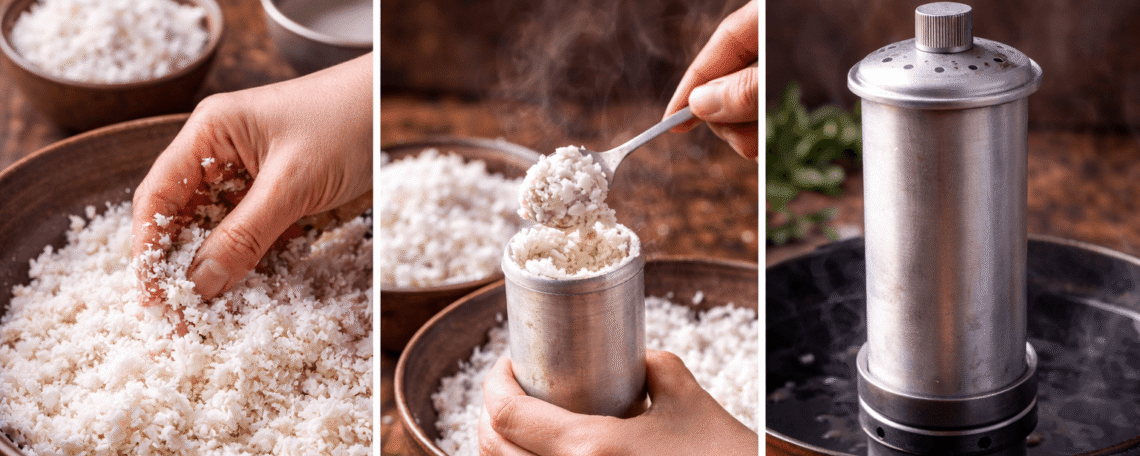
Start by placing the rice flour in a large bowl with the salt. Sprinkle in water gradually, using your fingertips to rub the moisture through the flour as you go. This step is important: the mixture should become evenly damp and crumbly, not smooth like dough. When you squeeze a little in your hand, it should briefly hold its shape, then fall apart again when pressed.
Once the texture is right, mix in the grated coconut so it is evenly distributed through the flour. Traditional pittu is often layered inside the steamer, alternating the damp flour mixture with coconut, but the exact arrangement can vary depending on the style you are making.
Prepare your pittu steamer or steaming tube and fill it loosely with the mixture. Do not pack it down too tightly, or the steam will not move through properly and the pittu can become heavy instead of light. Steam until the pittu is cooked through and aromatic, usually until firm enough to hold its shape when pushed out of the mold.
Once steamed, gently release the pittu from the tube or steamer. Handle it carefully so it stays intact, but do not worry if a little crumbles — that is part of its rustic character. Serve it warm while still soft and fragrant.
Serving & Customizing
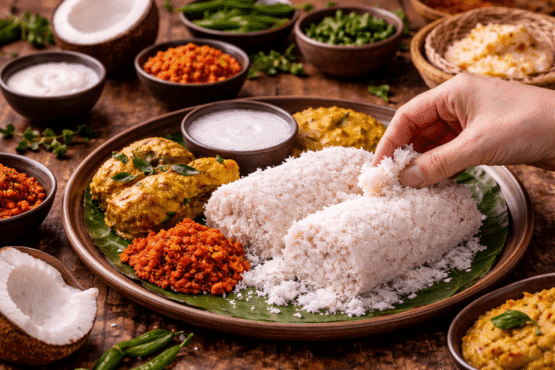
Pittu is incredibly versatile and can be eaten sweet or savory:
- With dhal curry or potato curry
- With kiri hodi (coconut milk gravy)
- With lunu miris for a spicy kick
- Or with banana and jaggery for a traditional sweet version
It's a gluten-free, vegan-friendly dish that works for breakfast, lunch, or dinner.
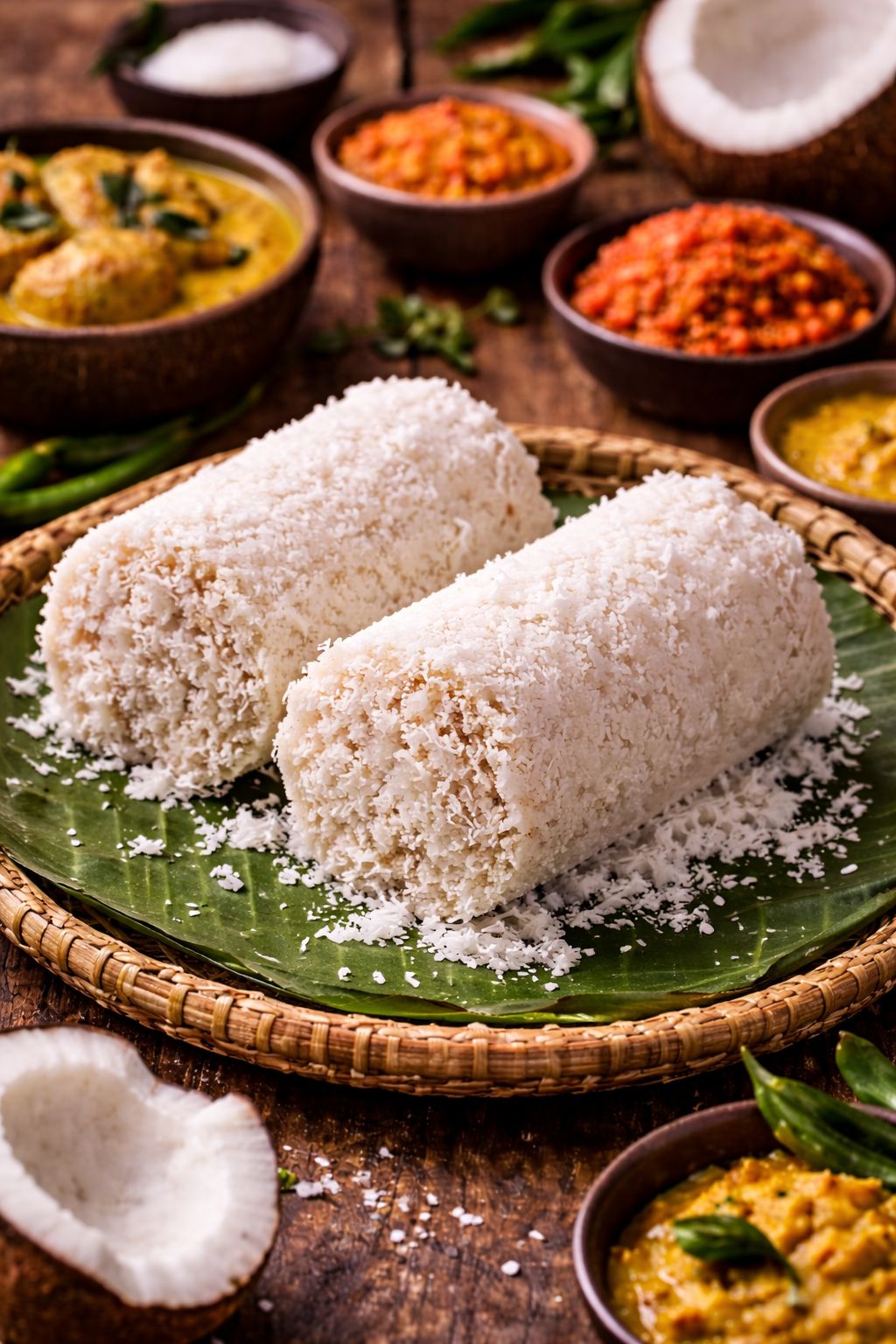
Sri Lankan Pittu
ight, steamed dish is a traditional breakfast or dinner
Share Recipe
Pin
RateServings: 4 servings
Calories: 316kcal
Ingredients
- 200 g roasted red or white rice flour
- 150 g fresh grated coconut (or rehydrated desiccated coconut)
- 3 g salt
- 100-120 ml warm water
Instructions
- In a large bowl, mix the rice flour and salt.
- Add the grated coconut and mix to combine.
- Slowly sprinkle warm water into the mixture while mixing with your fingers. The texture should be crumbly and slightly moist — like wet sand.
- Fill a Pittu maker (or bamboo tube/metal cylinder) with alternating layers of the flour mixture and grated coconut. Do not press tightly.
- Steam over boiling water for 10–15 minutes, or until the pittu holds together and is fully cooked.
- Carefully remove and serve warm with coconut milk gravy, dhal curry, banana, or lunu miris.
Notes
Notes:
Keep in an airtight container for up to 1 day. Re-steam briefly to reheat.
- If you don’t have a pittu maker, use a metal steamer or small ramekins with holes in the base.
- The texture depends on moisture: too dry and it crumbles; too wet and it becomes soggy.
- Red rice flour gives a more traditional, earthy flavor.
Keep in an airtight container for up to 1 day. Re-steam briefly to reheat.
Nutrition
Calories: 316kcal | Carbohydrates: 45.5g | Protein: 4.3g | Fat: 12.9g
Product We Use
to make our cooking experience better