
Set the Tone for Worldly Tastes in Every Kitchen
5 Top Attractions in Malta
Places You Simply Can’t Miss
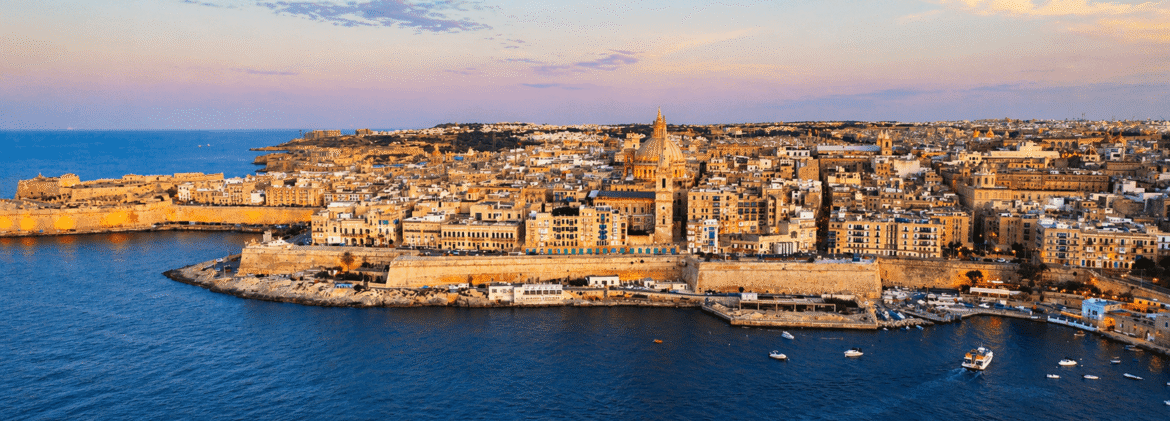
#1 Valletta
Valletta makes an impact immediately, starting with the view over the Grand Harbour. The fortress walls rise straight out of the sea, massive and precise, built for defense but now defining the city’s identity. In the evening light, the limestone glows warm and golden, giving the entire skyline depth and presence.
Streets & Architecture
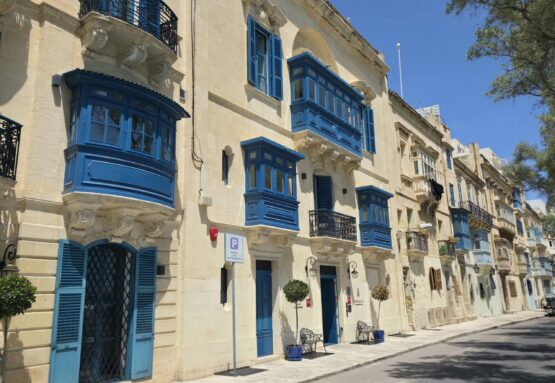
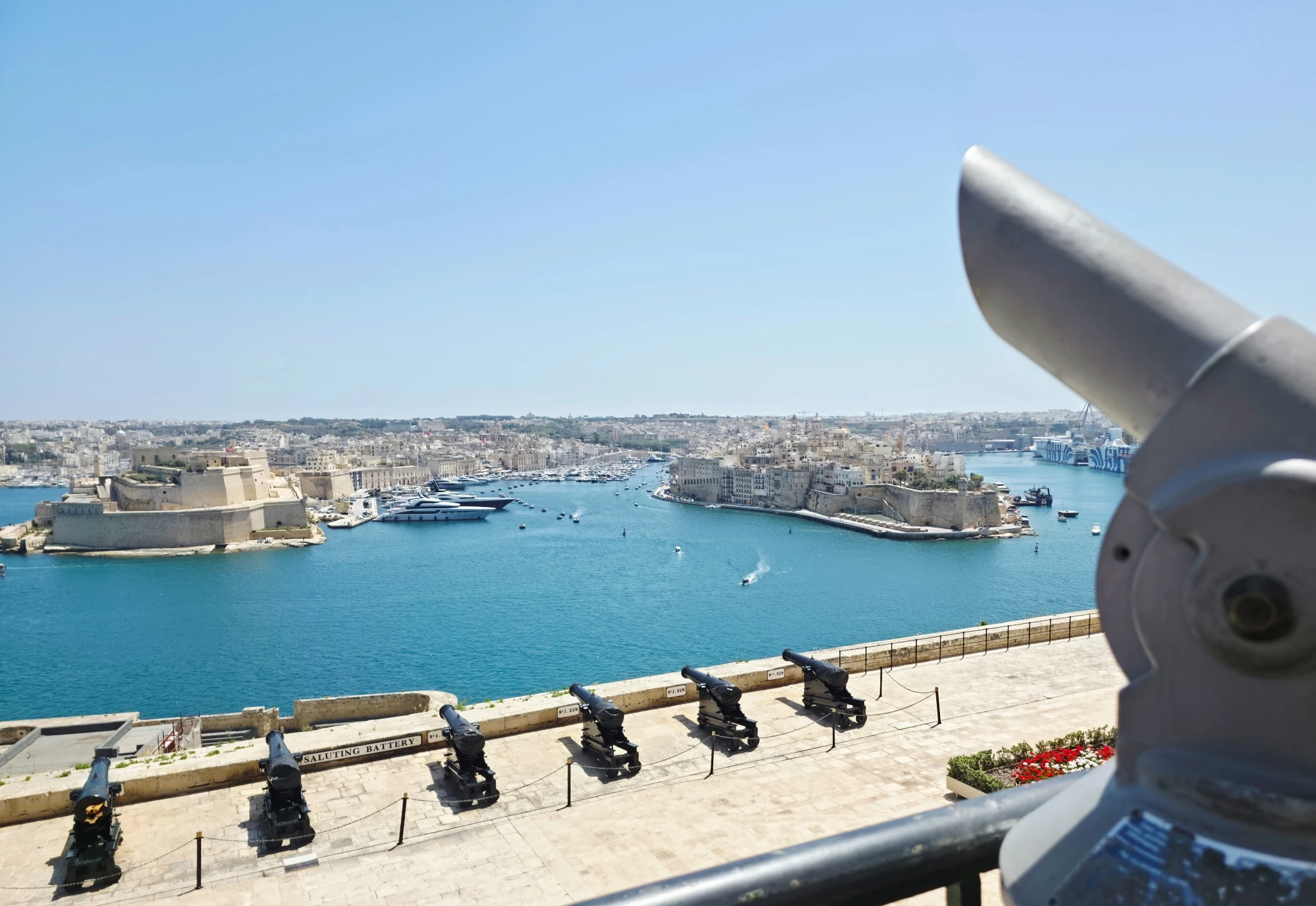
Once inside, the city reveals its structure. Valletta is tightly planned, with a grid of streets that makes it easy to explore but never repetitive. Baroque buildings, ornate churches, and traditional wooden balconies line the streets. Almost every turn leads to a viewpoint, often opening up to wide views over the harbour or toward the Three Cities.
Check out 3 top Attractions in Valetta
History in Daily Life
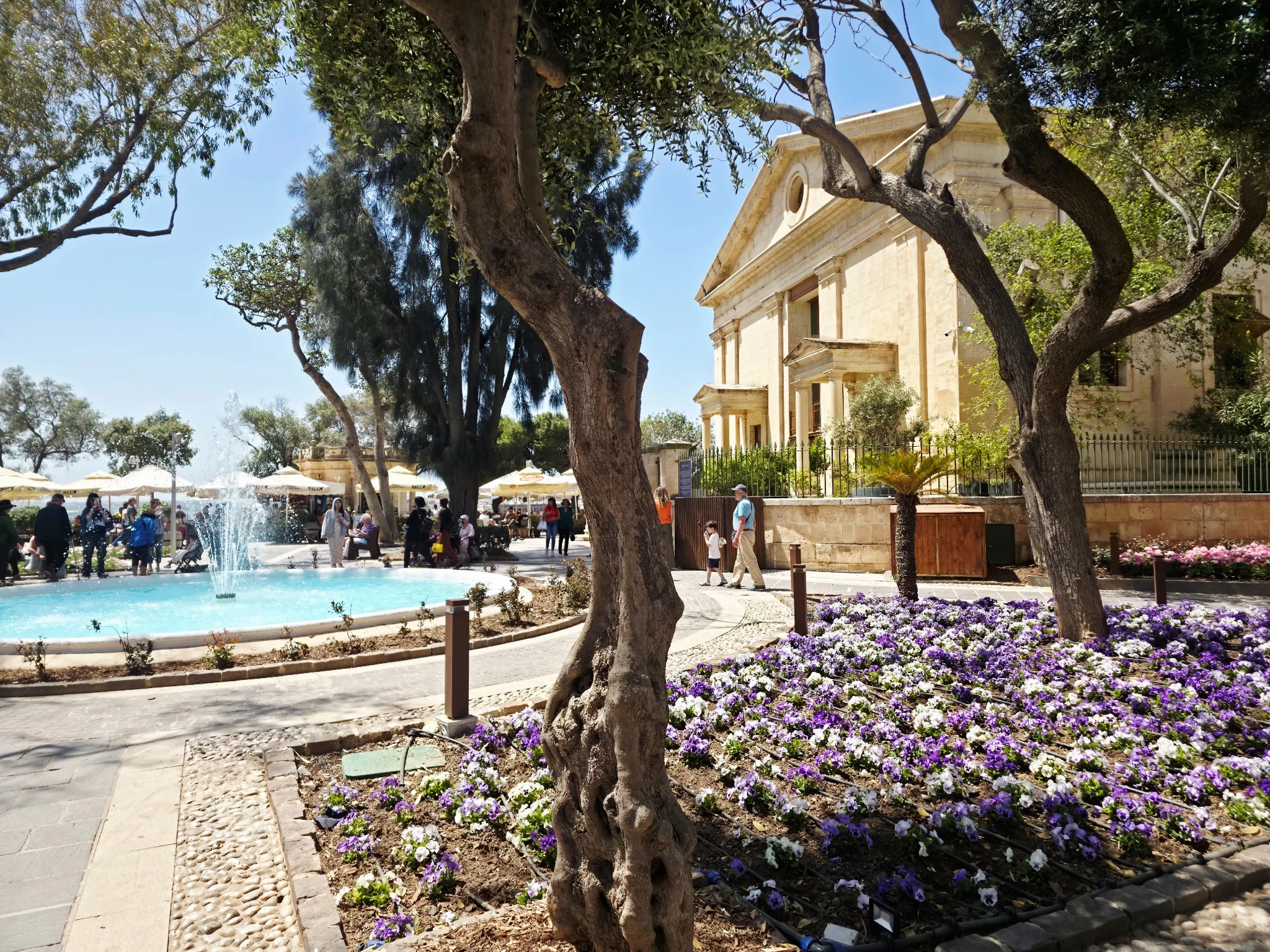
The history here isn’t something you visit—it’s something you move through. From St. John’s Co-Cathedral to the Upper Barrakka Gardens, the landmarks are woven into the city’s rhythm. The scale of the buildings and the fortifications constantly remind you of its past, but they’re still part of everyday life.
Local Atmosphere
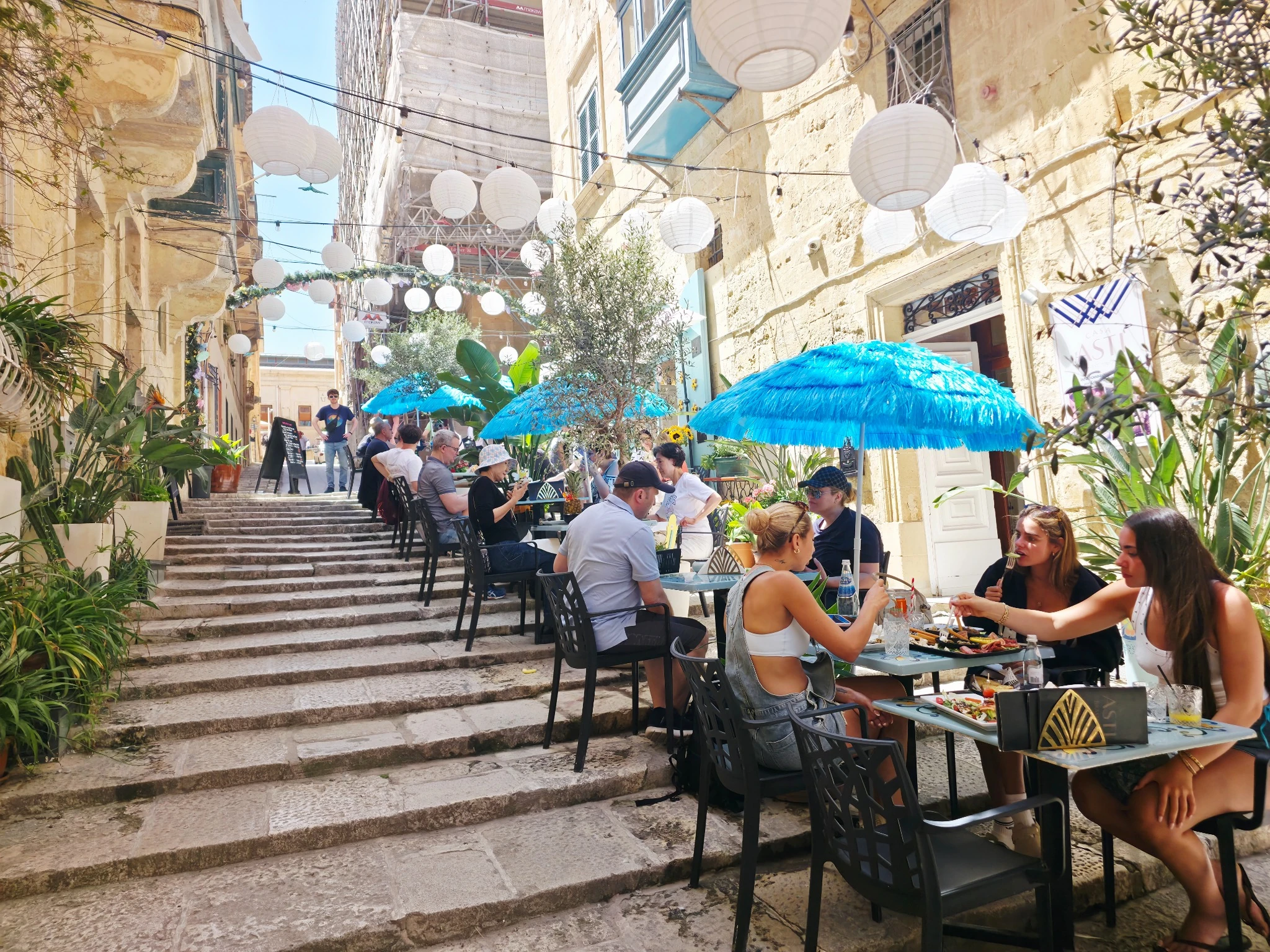
Valletta feels lived-in. Republic Street and the surrounding areas are always active, with locals going about their day, stopping for coffee, and talking in Maltese. There’s a natural flow to the city that makes it feel real rather than staged.
Food & Small Spots
The food scene reflects the same mix of influences. Traditional Maltese dishes sit alongside Italian and Mediterranean kitchens. Small cafés, bakeries, and tucked-away restaurants give the city character. It’s not polished in a uniform way—each place feels slightly different, which is exactly what makes it work.
A City to Take Your Time In
Valletta isn’t a place to rush. It’s best experienced slowly, moving from street to street, stopping for views, food, and small moments. The more time you spend in it, the more it reveals itself.
What to Do in Valletta
Walk the city without a strict plan—start at the Grand Harbour and move inward. Visit St. John’s Co-Cathedral and the Upper Barrakka Gardens for both history and views. Spend time on Republic Street, then step off into side streets to find smaller cafés and restaurants. Plan a stop for food rather than rushing through—it’s part of the experience.
#2 Mdina
Walking through Mdina feels like stepping out of the present. The moment you pass the gate, the noise fades and the pace slows, replaced by quiet, echoing streets and soft light reflecting off the limestone walls.
The city is made up of narrow alleys and tight passages that naturally guide you without a clear path. You turn corners without knowing where they lead, moving between shaded corridors, small courtyards, and silent streets where barely anyone passes. Every step feels deliberate, as if the city encourages you to slow down and take it in.
What defines Mdina is the contrast. One moment you’re enclosed by high stone walls, the next you reach the edge of the city and everything opens up. From the ramparts, the entire island stretches out below you, wide and open, breaking the intimacy of the streets you just walked through.
There’s a constant feeling of stepping back in time. It’s not just the architecture, but the stillness, the lack of movement, and the way the city holds onto its past. Walking here isn’t about seeing sights—it’s about experiencing the atmosphere, where every alley, shadow, and viewpoint adds to that sense of history.
Layers of History
Mdina carries a long history that’s still visible in its structure. Its origins go back to the Phoenicians, who first established a fortified settlement here due to its strategic, elevated position in the center of the island. The Romans later expanded it into a proper city, known as Melite, adding roads, villas, and defensive walls that defined its importance at the time.
During the Arab period, Mdina was reshaped significantly. The city was reduced in size and further fortified, creating the compact layout and narrow streets that still define it today. Even the name “Mdina” comes from the Arabic word for city, reflecting that lasting influence.
When the Knights of St. John arrived in Malta in the 16th century, Mdina was still the island’s main center of power. Although they eventually shifted their focus to Valletta, they left behind Baroque palaces, churches, and architectural details that added another layer to the city. Noble families settled within the walls, turning Mdina into a place of quiet prestige rather than political dominance.
What makes Mdina unique is how all these periods remain visible without overpowering each other. The city wasn’t rebuilt or modernized in a major way—it evolved slowly, keeping its structure intact. That’s why it doesn’t feel restored or reconstructed, but preserved, with each era still quietly present in the streets and walls.
What to Do in Mdina
Enter through the main gate and explore slowly on foot. Walk without direction and let the streets guide you—this is where Mdina works best. Head up to the ramparts for wide views across the island, then take time to sit in one of the quieter corners or small cafés tucked into the walls. If you can, visit in the evening when the atmosphere shifts completely—fewer people, softer light, and a much calmer feel.
If your timing allows, plan your visit around one of Mdina’s festivals. The Medieval Festival transforms the city, filling the silent streets with costumed knights, performers, music, and food stalls. It adds a completely different layer to the experience, turning Mdina from a quiet historic city into a living version of its past.
For Game of Thrones enthusiasts, Mdina has an extra layer. Parts of the city were used as King’s Landing in Season 1, and walking through the main gate or along the walls will feel instantly familiar.
The Knights Experience
If you want to understand the story behind Mdina and Malta as a whole, the Knights Experience is one of the clearest ways to do it. It takes you through the history of the Knights of St. John using a series of detailed dioramas—miniature scenes that recreate key moments in Malta’s past.
Walking through it feels a bit like moving through a timeline. Each scene is carefully built, showing battles, daily life, and major events with surprising detail. You see the arrival of the Knights, the development of their strongholds, and the periods where Malta was under constant threat. It’s not just about reading dates—it visually places you inside those moments.
What stands out is how much context it gives to everything you’ve already seen outside. The walls, fortifications, and buildings in Mdina start to make more sense once you understand why they were built and how they were used. The dioramas break down complex history into something easy to follow, without losing depth.
It’s not a long visit, but it fills in the gaps. After going through it, walking back into the streets of Mdina feels different—you’re not just seeing the city, you understand the story behind it.
#3 Comino & The Blue Lagoon
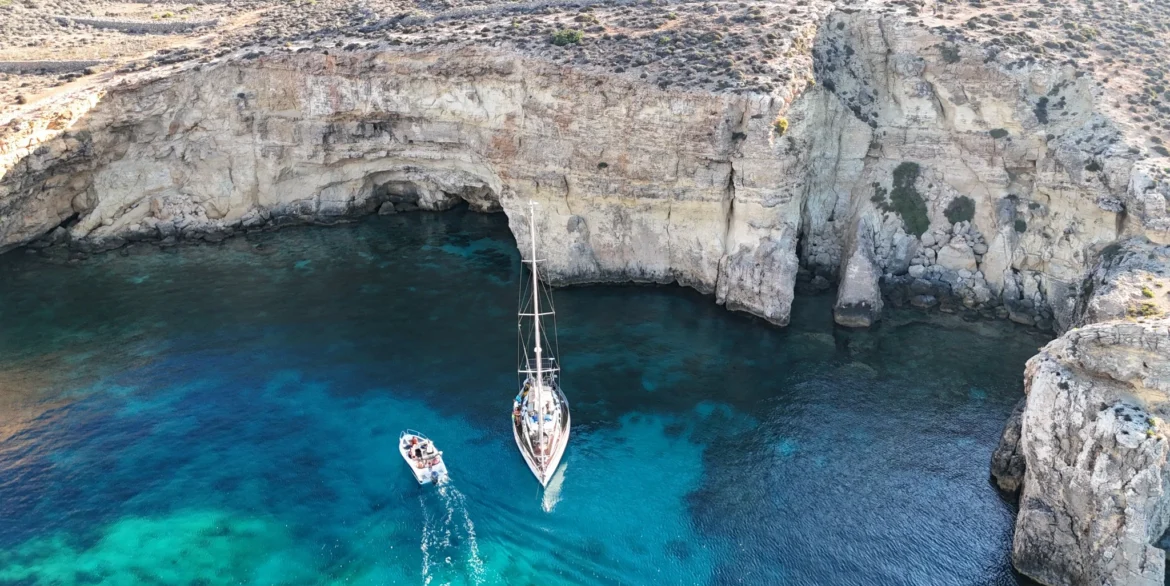
Comino and the Blue Lagoon are one of those places that almost don’t look real at first. The water is intensely clear and bright, shifting between turquoise and deep blue depending on the light. It has that kind of clarity where you can see straight through to the sand, and the color feels amplified, especially under direct sun.
Getting There
How you get to Comino shapes the entire experience. The most common option is the regular ferry or one of the larger tourist boats, which are easy, frequent, and affordable. They’re a good choice if you just want to get there without planning, but they tend to arrive in waves, bringing larger crowds to the lagoon at the same time.
For more flexibility, private options change the day completely. Chartering a sailboat or motorboat lets you set your own pace, stop at smaller coves around Comino, and avoid the busiest hours.
Self-drive boats are also widely available and give you full control, but they’re best suited for those with some experience and confidence on the water. Even smaller boats can be challenging with wind, current, and boat traffic, so it’s not the easiest option if you’re new to handling a boat.
Each option offers a different experience: ferries for convenience, tourist boats for budget access, and private or self-drive boats for a more flexible and quieter way to explore the island.
What’s on the Island
Comino itself is small and mostly untouched, with very little built infrastructure. The main attraction is the Blue Lagoon, but there’s more to explore if you move away from the central area.
You’ll find rocky coastline, small coves, and clear swimming spots all around the island. The terrain is dry and open, with a few walking paths that lead to quieter viewpoints and less crowded swim areas. There are a couple of basic kiosks near the lagoon for drinks and simple food, but options are limited.
Beyond that, it’s all about the natural setting—clear water, limestone rock formations, and open sea views. It’s not a place with activities or towns, but rather somewhere to swim, explore, and spend time in the water and sun.
What to Do in Comino
Comino is less about structured activities and more about the experience itself. The island is small, natural, and built around one thing: the water.
Swimming is the main focus. The Blue Lagoon is known for its exceptionally clear water—you can see straight to the bottom, even in deeper sections. The visibility makes it ideal for snorkeling, where you’ll quickly notice small fish moving through the rocks and along the seabed. Around the edges of the lagoon and in quieter coves, the water feels even more untouched, with fewer people and more marine life.
Moving away from the main area opens up a different side of the island. Walking paths lead along the rocky coastline to smaller swimming spots and viewpoints. These areas are often calmer, with the same clear water but a more open, natural feel.
If you’re on a boat, exploring around the island adds another layer. You can stop in hidden inlets, swim in deeper water, and find spots where the clarity and marine life stand out even more.
#4 Gozo
Gozo immediately feels different from Malta. The ferry crossing is short, but the shift is clear as soon as you arrive. The landscape opens up, the pace slows down, and there’s more space between everything. It feels greener, quieter, and less built up—more about land and nature than density.
The island has a softer, more rural character. Fields stretch between small villages, and the roads wind rather than follow a strict grid. There’s a sense of openness here that contrasts with Malta’s tighter, busier feel. It’s the kind of place where movement naturally slows, and you start to notice more of what’s around you.
What to Do in Gozo
Visit Dwejra to explore the coastline and Inland Sea. Spend time in Victoria and walk up to the Citadel for panoramic views. Include Ġgantija to experience the island’s ancient history. Move around the island at a slower pace—distances are short, but each location benefits from time.
Dwejra & the Coastline
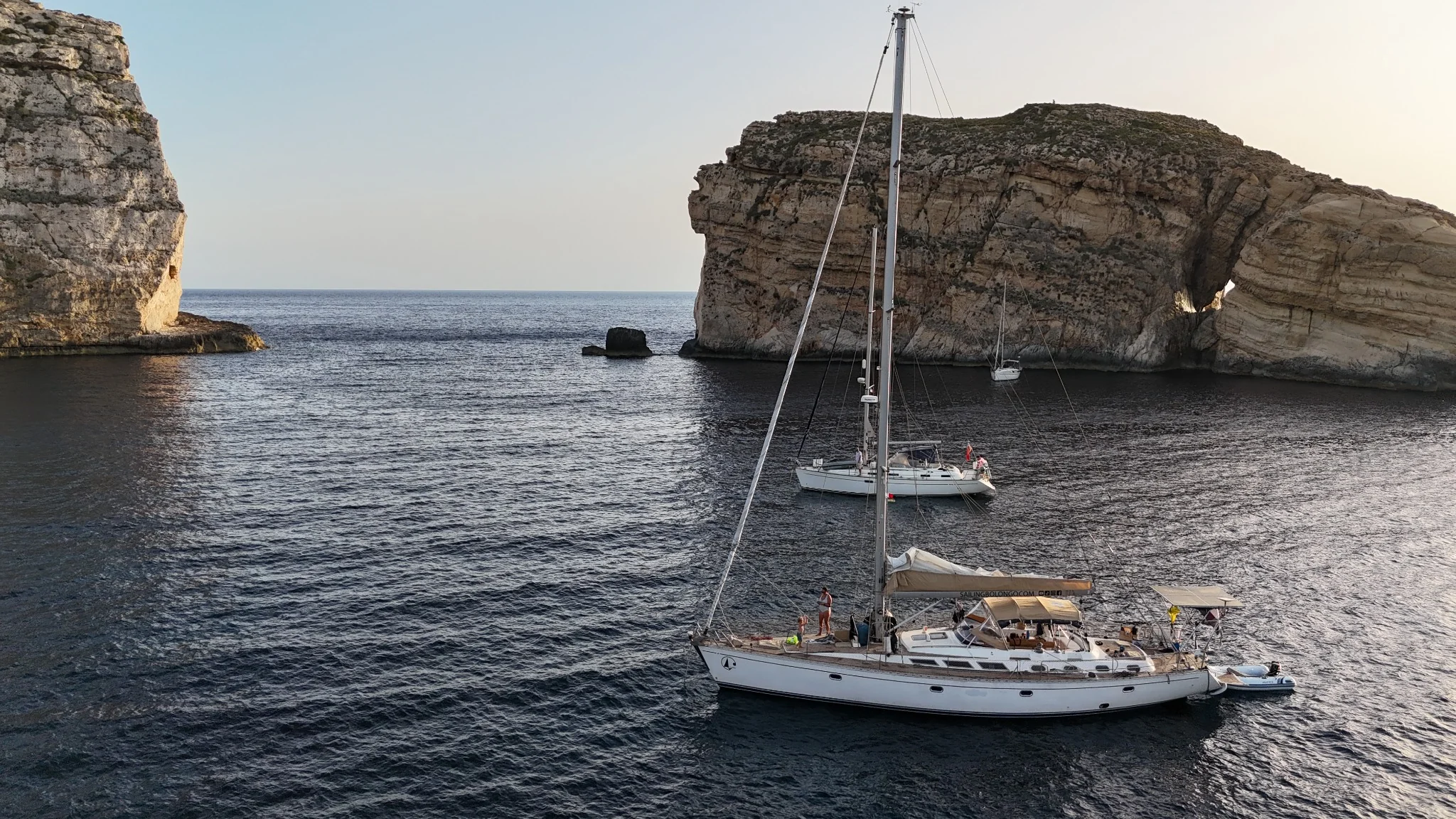
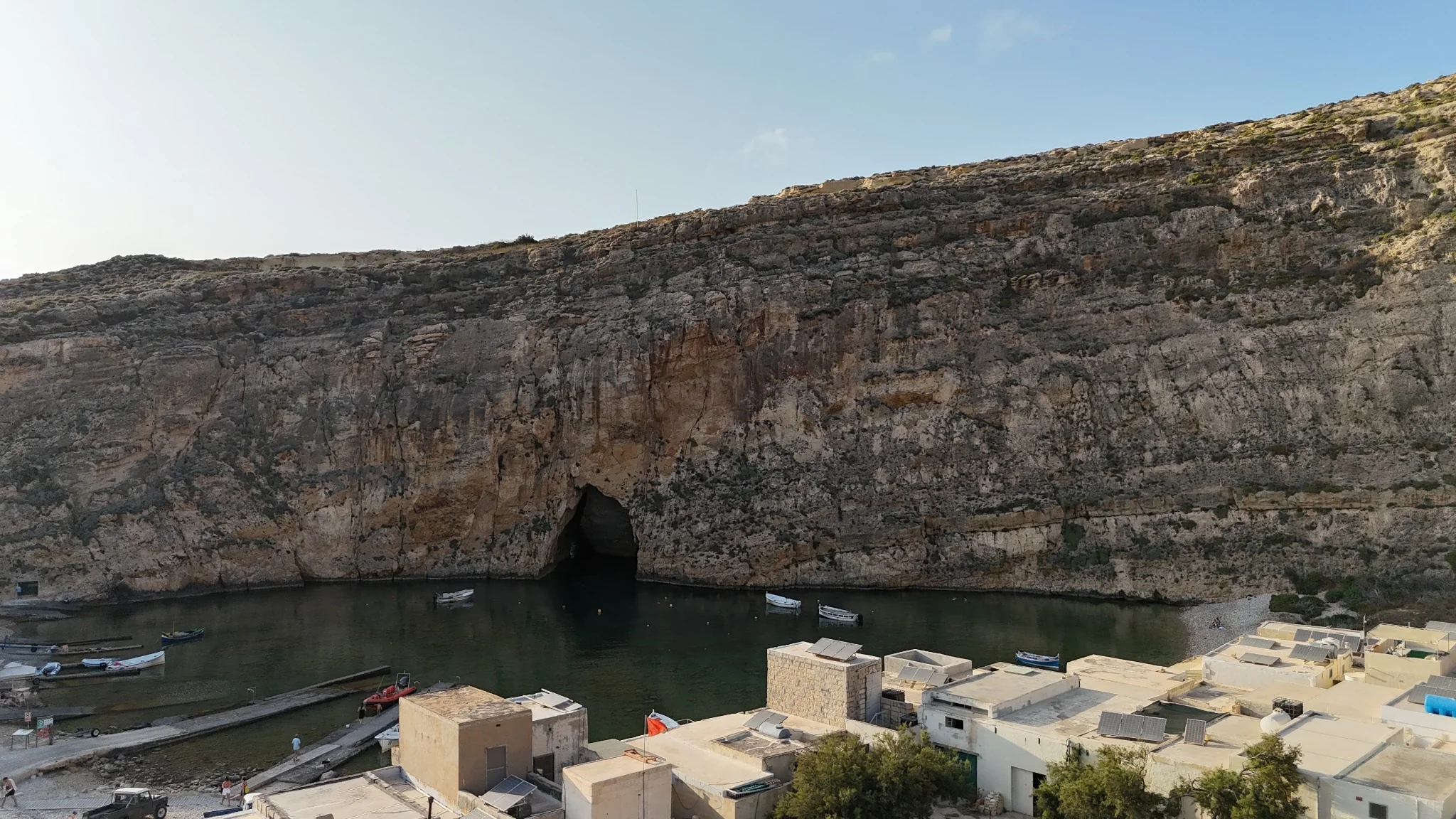
Dwejra stands out as one of the most dramatic parts of the island. The coastline is rugged, shaped by wind and sea, with cliffs, caves, and the Inland Sea creating a unique landscape. The narrow opening that connects the lagoon to the open Mediterranean feels almost hidden, and once outside, the scale of the cliffs and the force of the waves become more apparent. Even without the Azure Window, the area still carries a raw, powerful presence.
Victoria & The Citadel
In the center of Gozo, Victoria brings a bit more movement and structure, with the Citadel rising above it as the island’s historic core. This fortified city has been in use for thousands of years, originally settled in ancient times and later strengthened by the Romans and Arabs before being heavily rebuilt by the Knights of St. John.
Walking up through its gates, you move through layers of history—narrow streets, stone buildings, and defensive walls that were once used to protect the island’s population from raids. For centuries, locals would take shelter within these walls during attacks, making the Citadel not just a landmark, but a place of survival.
At the top, the perspective shifts completely. The entire island opens up—fields, villages, and coastline stretching in every direction. It gives a clear sense of Gozo’s scale and also explains why this location was so important. From here, you can see everything, which made it the island’s natural stronghold for generations.
Ġgantija Temples
The Ġgantija temples add another layer entirely. Dating back over 5,500 years, they are among the oldest freestanding structures in the world—older than both Stonehenge and the pyramids. Built by a prehistoric civilization with no metal tools or machinery, the sheer scale of the stones raises more questions than answers about how they were constructed.
Walking through the site, you move between massive limestone blocks arranged into curved chambers and passageways, believed to have been used for rituals or early forms of worship. The layout feels intentional, almost architectural in a modern sense, yet it comes from a time we barely understand.
What makes Ġgantija so striking isn’t just its age, but how present it feels. You’re not looking at ruins behind glass—you’re standing within them, touching the same stones that were placed there thousands of years ago. It shifts your sense of time completely, making everything else feel recent by comparison.
Pace & Experience
Gozo isn’t about rushing between sights. It’s a place that naturally slows you down, where the short distances and open landscapes make you want to pause rather than move on quickly.
There’s something about the island that feels almost untouched, especially when you look out over the rolling fields, quiet villages, and rugged coastline. The views have a softness to them, but at the same time feel ancient—like they’ve barely changed over time. It’s the kind of setting where you start to understand why so many stories and legends are tied to places like this.
As you move through Gozo, whether along the cliffs or across the inland roads, there’s a quiet sense of history and mystery in the landscape. It’s subtle, but it’s there—enough to make you wonder if some of the old stories might not be so far-fetched after all.
#5 Marsaxlokk & St. Peter’s Pool
Marsaxlokk feels instantly recognizable. The bay is lined with traditional luzzu boats, painted in bright reds, yellows, and blues, each carrying the iconic “Eye of Osiris” on the bow. The colors reflect off the water, and the entire harbor has a calm, steady rhythm that feels unchanged over time.
The Harbour & Daily Life
The waterfront is active but not rushed. Boats move slowly, fishermen work along the quay, and small restaurants line the edge of the harbor. It’s a place where the connection to the sea is still very visible—not just in the boats, but in how the town operates day to day.
Sunday Market Atmosphere
On Sundays, the fish market transforms the area. Stalls fill the promenade with fresh seafood and local produce, creating a busy but grounded atmosphere. You’ll see everything from whole fish laid out on ice to small stands selling vegetables and local products. It’s less about tourism and more about routine—locals shopping, talking, and moving through the space with purpose.
Food & Local Flavors
The restaurants along the harbor reflect what’s coming in that day. Menus are simple and focused, often centered around fresh fish and seafood. Sitting by the water, with the boats just meters away, makes the experience feel direct—what you’re eating is tied closely to what you see in front of you.

What to Do in Marsaxlokk
Start with a walk along the harbor to take in the luzzu boats and the overall atmosphere. If you’re there on a Sunday, spend time at the fish market—it’s one of the most authentic ways to experience the town. Sit down at a waterfront restaurant and order whatever seafood is freshest that day. Keep it simple and take your time—this is a place to slow down rather than rush through.
St. Peter’s Pool
A short distance away, St. Peter’s Pool offers a completely different setting. The natural rock formation curves around a deep, clear swimming area, creating a sheltered spot with open views of the sea. The water is bright and clean, and the flat rock surfaces make it easy to sit, rest, or move around.
Movement & Activity
Unlike the calm of the harbor, St. Peter’s Pool has more energy. People climb the rocks, find spots to sit, and jump into the water from different heights. It’s a place shaped by movement—swimming, diving, and spending time in and around the water rather than just looking at it.
What to Do at St. Peter’s Pool
Spend your time in the water—this is what the spot is made for. Swim out into the deeper areas or find a place to jump from the rocks if you’re comfortable with it. Take breaks on the flat stone surfaces to dry off and take in the view. Bring what you need with you, as the area is natural and not built up. Timing matters here too—earlier or later in the day gives you a quieter experience.