Set the Tone for Worldly Tastes in Every Kitchen
Best Restaurants in Malta
Where to Eat for an Authentic Experience
Finding good food in Malta isn’t difficult. Finding the right places, though, takes a bit more attention. It’s easy to end up in restaurants that look great but don’t really reflect the island. The best meals I had were rarely planned — they were found by stepping slightly away from the obvious and paying attention to where locals actually eat.
This guide isn’t about listing every restaurant. It’s about the places that give you a real sense of Maltese food — from simple street food to more refined interpretations — and how to choose where to go depending on what you want to experience.

What Eating Out in Malta Is Really Like
Eating out in Malta has a different rhythm. It’s not rushed, and it’s not overly formal unless you choose it to be. Many of the best places feel casual, even when the food is taken seriously.
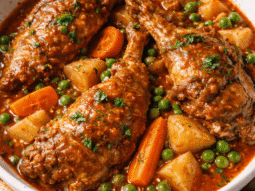
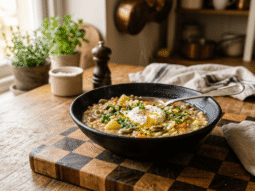
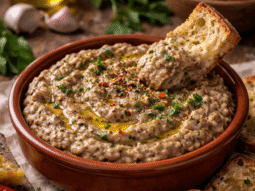
You’ll notice quickly that menus often mix Maltese dishes with Italian influences. That’s normal. The key is knowing what to look for. If a place serves rabbit stew, baked pasta, fresh fish and local starters like bigilla or ġbejna, you’re usually in the right place.
Some of the best meals happen in smaller, family-run restaurants where the menu hasn’t changed much over time. Others come from newer spots that reinterpret traditional dishes without losing their core.
When to Go and What to Expect
Dinner in Malta usually starts later, especially in busier areas. Reservations help in popular spots, but many places are still quite flexible.
Seasonality also matters. Fish like lampuki is only available at certain times of the year, and menus often adjust based on what’s fresh.
Service is generally relaxed. It’s not slow, but it’s not rushed either. Meals are meant to be enjoyed, not turned over quickly.
Traditional Maltese Restaurants
If you want to understand the food properly, this is where to start.
Ta’ Kris (Sliema)
One of the most reliable places for traditional Maltese cooking. The rabbit stew here is exactly what you’d expect — slow-cooked, rich and full of flavour. The setting is simple and relaxed, which fits the food perfectly.

Nenu The Artisan Baker (Valletta)
Built around Maltese bread culture, this is the place to try ftira done properly. The space itself feels rooted in tradition, and the dishes stay close to what you’d find in local homes.

Legligin Wine Bar (Valletta)
A slightly more curated experience. Instead of ordering individually, you’re served a series of Maltese dishes. It’s a good way to get a broader understanding of the cuisine in one sitting.

Seafood Restaurants by the Water
Malta’s connection to the sea shows best in its seafood.
Tartarun (Marsaxlokk)
Located in a fishing village, this is where fresh fish really stands out. The menu depends on what’s available, and that’s exactly how it should be. When lampuki is in season, this is one of the best places to try it.

Roots (Marsaxlokk)
A more modern take on Maltese cuisine, still focused on local ingredients. The dishes are cleaner and more refined, but you can still recognise the traditional base.

Refined and Modern Maltese Dining
If you’re looking for something more polished, Malta has that as well.
Rubino (Valletta)
A long-standing restaurant with a strong reputation. It sits somewhere between traditional and refined, with a menu that reflects both.

Guzé Bistro (Valletta)
A more upscale experience, often compared to Michelin-level dining. The dishes take Maltese flavours and present them in a more structured, modern way.

Street Food and Casual Spots
Crystal Palace / Is-Serkin (Rabat)
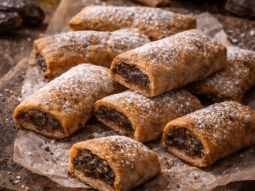
Known for pastizzi, this place is always busy. It’s open late, simple, and focused on doing one thing well. If you want to understand Maltese street food, this is where you go.
Beyond that, small bakeries and local cafés across the island serve some of the best quick meals you’ll find. A fresh pastizz and a coffee can be just as satisfying as a full dinner.

How to Choose the Right Restaurant
It depends on what you’re looking for.
- For traditional dishes → go to smaller, established restaurants
- For seafood → head towards fishing villages like Marsaxlokk
- For a mix of everything → Valletta offers the most variety
- For quick food → bakeries and street spots are often the best choice
One thing that made a difference for me was not overplanning. Some of the best meals came from walking into a place that felt right rather than following a list.