

Travel guide Tunisia
Where to Stay in Tunisia & the Best Time to Visit
When to go and where to base yourself, from a winter living aboard in Tunisia.
We stayed
October–April
Quietest
December–February
Resort town
Hammamet
Island
Djerba

On this page: Best time · Where to stay · Food
Tunisia is at its best when you slow down and stay longer — and for us, that meant living there from October through April.
Life in the marina added another layer to the experience. There was a real sense of community among sailors from all over the world, a constant exchange of tools, tips, and laughter. Locals welcomed us not as visitors passing through but as neighbors, always ready to help or share food. Tunisia’s hospitality is quiet but powerful — the kind that makes you feel you belong, even if you’ve just arrived.
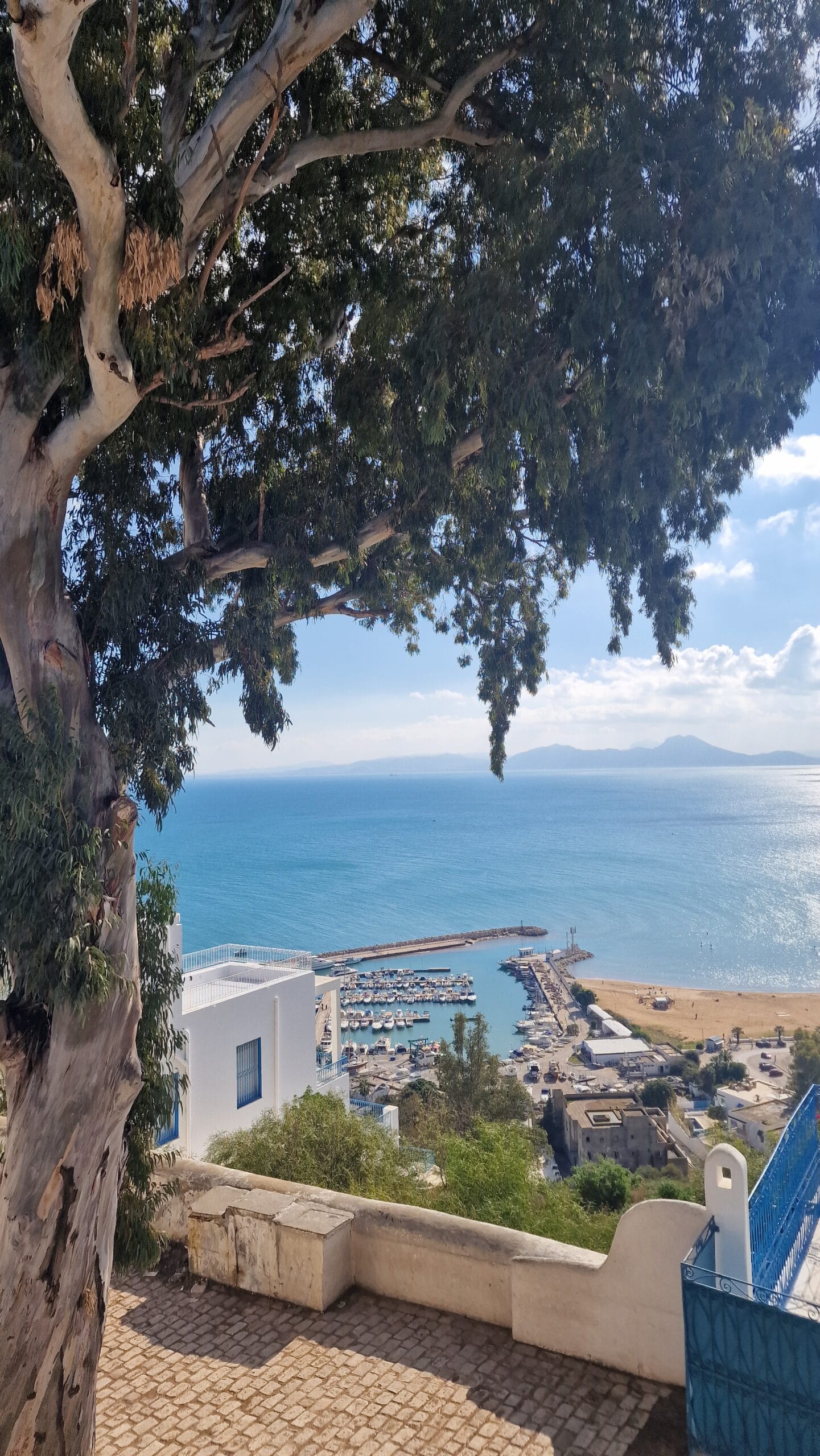
Explore the Tunisia hub
Planning when to go?
Pin this so the seasons and towns are ready when you book.
Best Time to Visit Tunisia
October to November
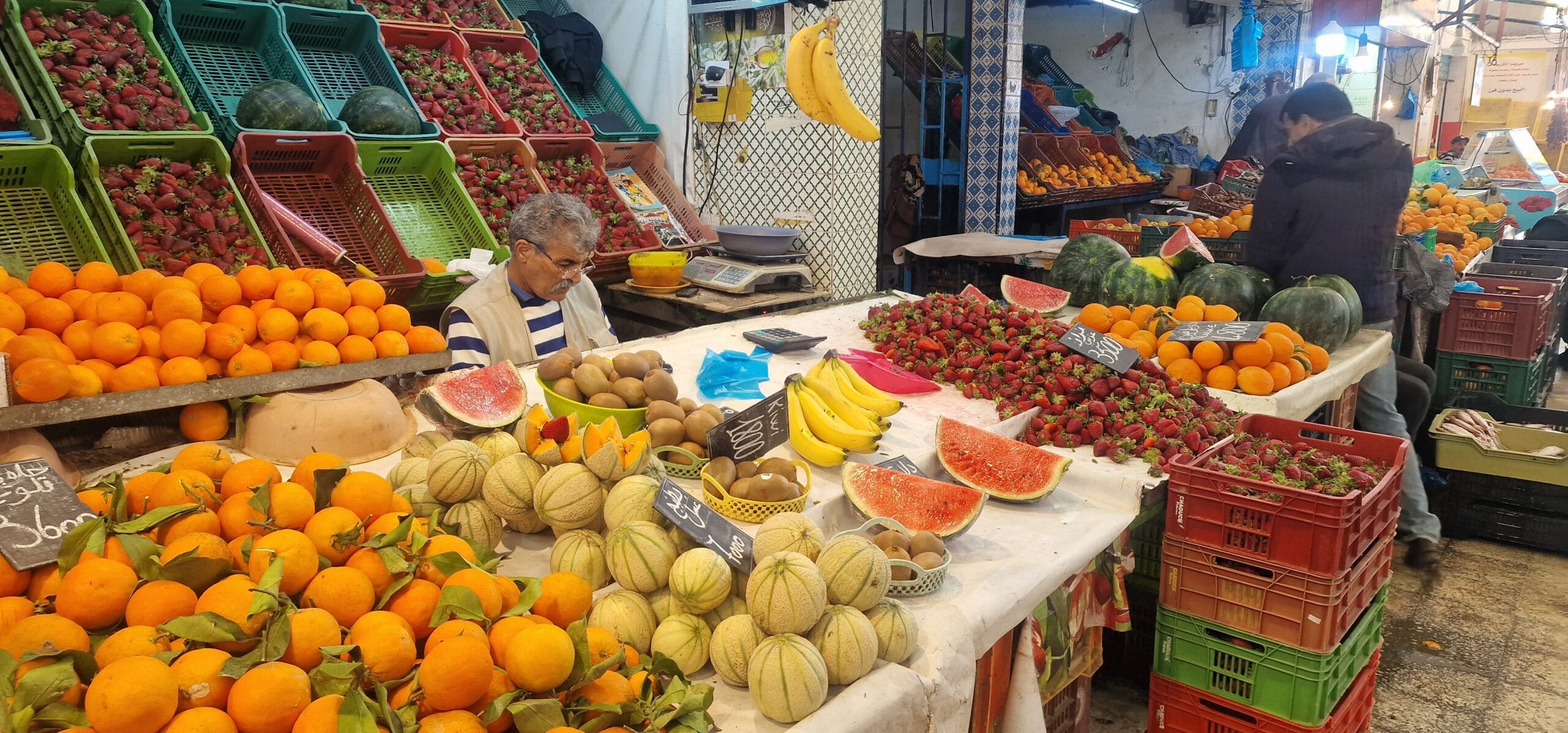
Autumn is an easy introduction. The summer heat fades, the sea is still warm, and daily life settles into a calmer rhythm. Markets are full, cafés are lively, and the country feels open without being crowded. It’s ideal for coastal living, exploring medinas, and getting to know local food beyond the tourist menus.
December to February
Winter in Tunisia is mild compared to most of Europe. Days are often sunny, with cooler evenings and the occasional rainy spell. Tourism is low, which means quieter towns, better prices, and a much more local experience. This is when Tunisia feels most authentic — fishermen in the harbours, long lunches in simple restaurants, and time to actually connect with people.
March to April
Spring is when everything comes alive again. Temperatures rise, produce becomes abundant, and there’s a renewed energy in the streets. It’s one of the best periods for longer stays: warm but not overwhelming, social without being hectic, and perfect for both inland trips and time by the sea.
Ramadan & Tourism
Ramadan shifts daily life, but it’s not something to avoid — just something to understand. During the day, many local cafés and small eateries may be closed or quieter, while evenings come alive with food, family gatherings, and a strong sense of community. Tourist areas continue to function, but staying during Ramadan gives a rare glimpse into Tunisian culture at its most personal and meaningful.
Overall: staying from October to April allowed us to experience Tunisia as a place to live, not just visit. Fewer tourists, comfortable weather, and a slower pace make this period ideal for anyone interested in culture, food, and everyday life rather than short, checklist-style travel.
Where to Stay in Tunisia
Monastir
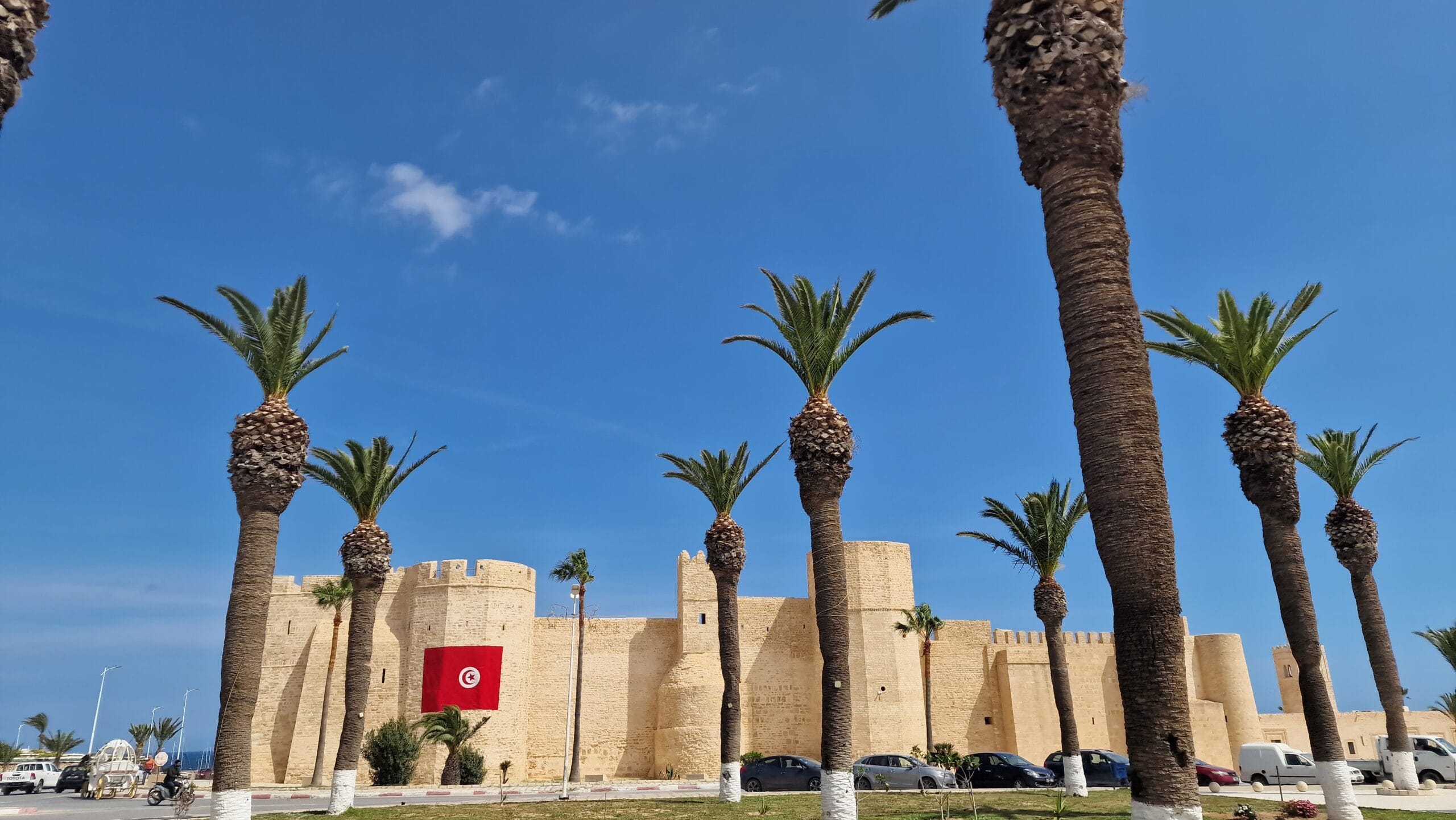
With its fortress-like Ribat, sandy beaches, and vibrant marina, Monastir offers both history and holiday vibes.
Sousse
Both historic and lively, with a UNESCO-listed medina, sandy beaches, and a vibrant nightlife.
Hammamet
Tunisia’s best-known resort town, combining sandy beaches, a charming medina, and plenty of opportunities to relax by the sea.
Hergla
Smaller and quieter, known for its fishing boats, whitewashed houses, and handmade reed mats. Perfect for a peaceful escape.
Djerba
The island blends beautiful beaches with history and culture. Visit the Houmt Souk market, explore traditional pottery villages, or just relax by the turquoise sea.
Bizerte & Ras Angela
Tunisia’s northernmost city, with a pretty old port and strong Mediterranean charm. Nearby, Ras Angela is the northernmost point of Africa — a spot few tourists ever reach.
Sfax
Tunisia’s second-largest city is less touristy but offers an authentic medina, lively markets, and a strong fishing culture.
Kairouan
Known as the spiritual capital of Tunisia, home to the Great Mosque, ancient cisterns, and colorful carpet workshops.
Tunis
The capital is a mix of modern and historic — from the bustling medina to the colonial boulevards and the nearby ruins of Carthage.
See the top attractions near each base →
Eat like a local
What to Eat While You’re There
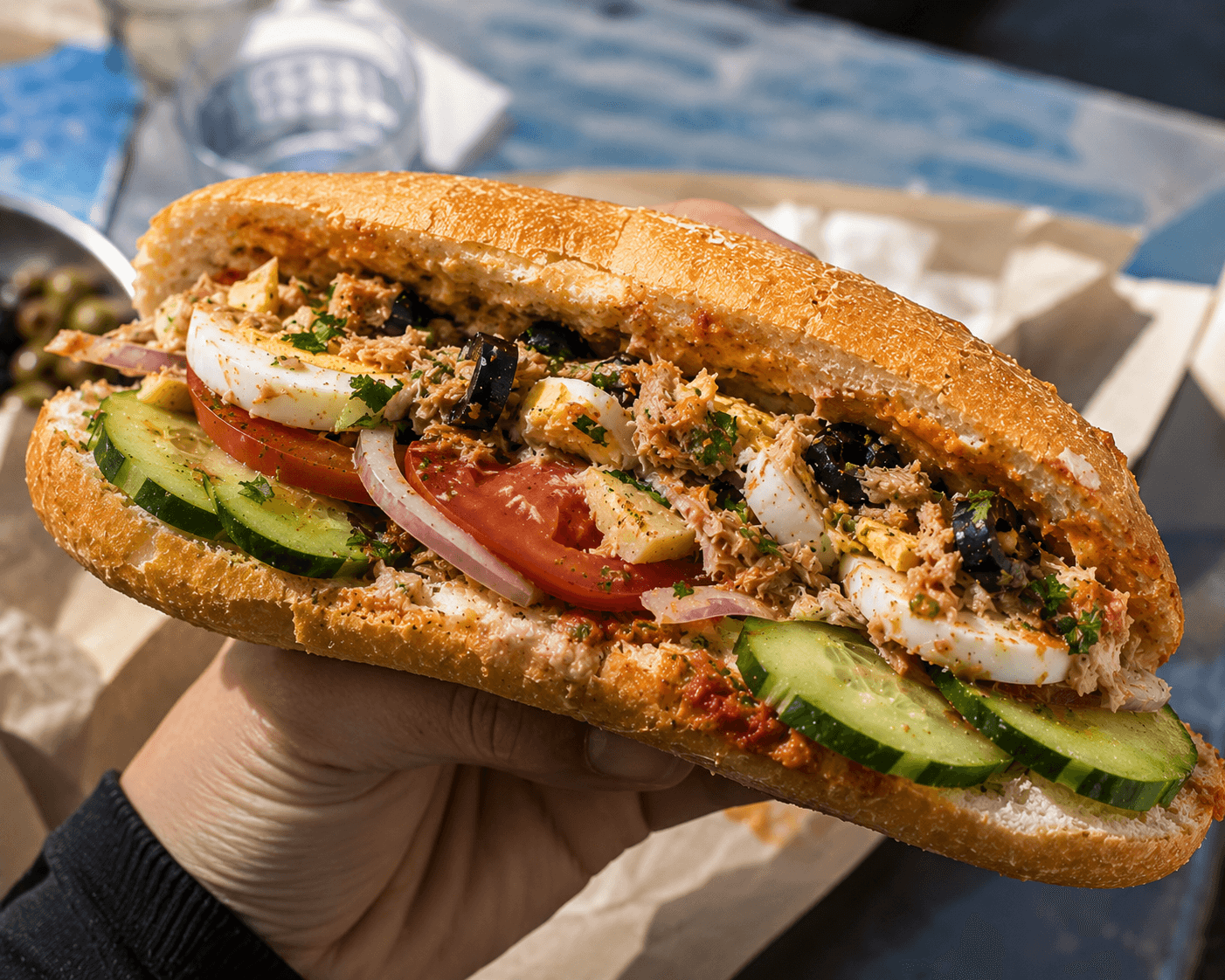
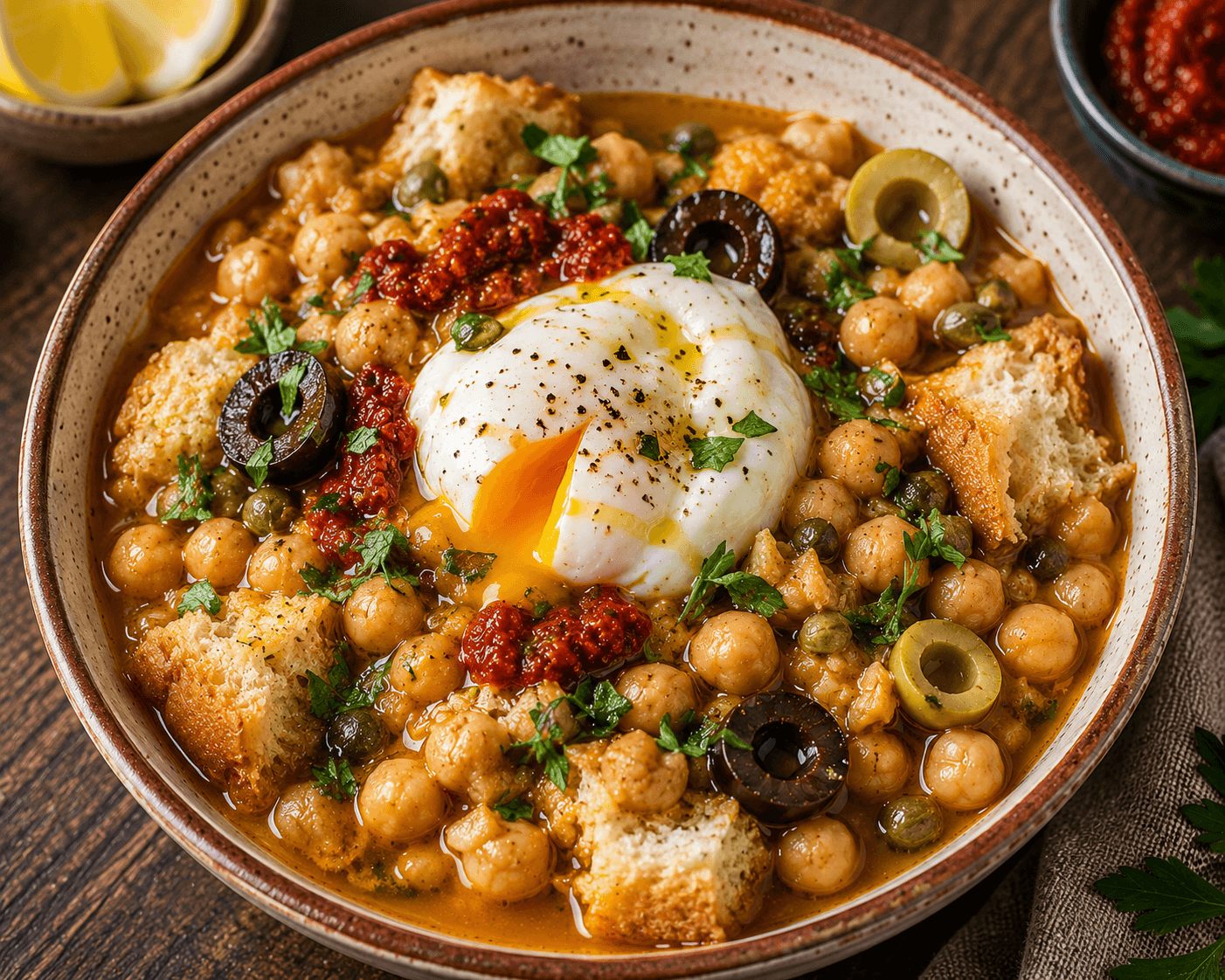
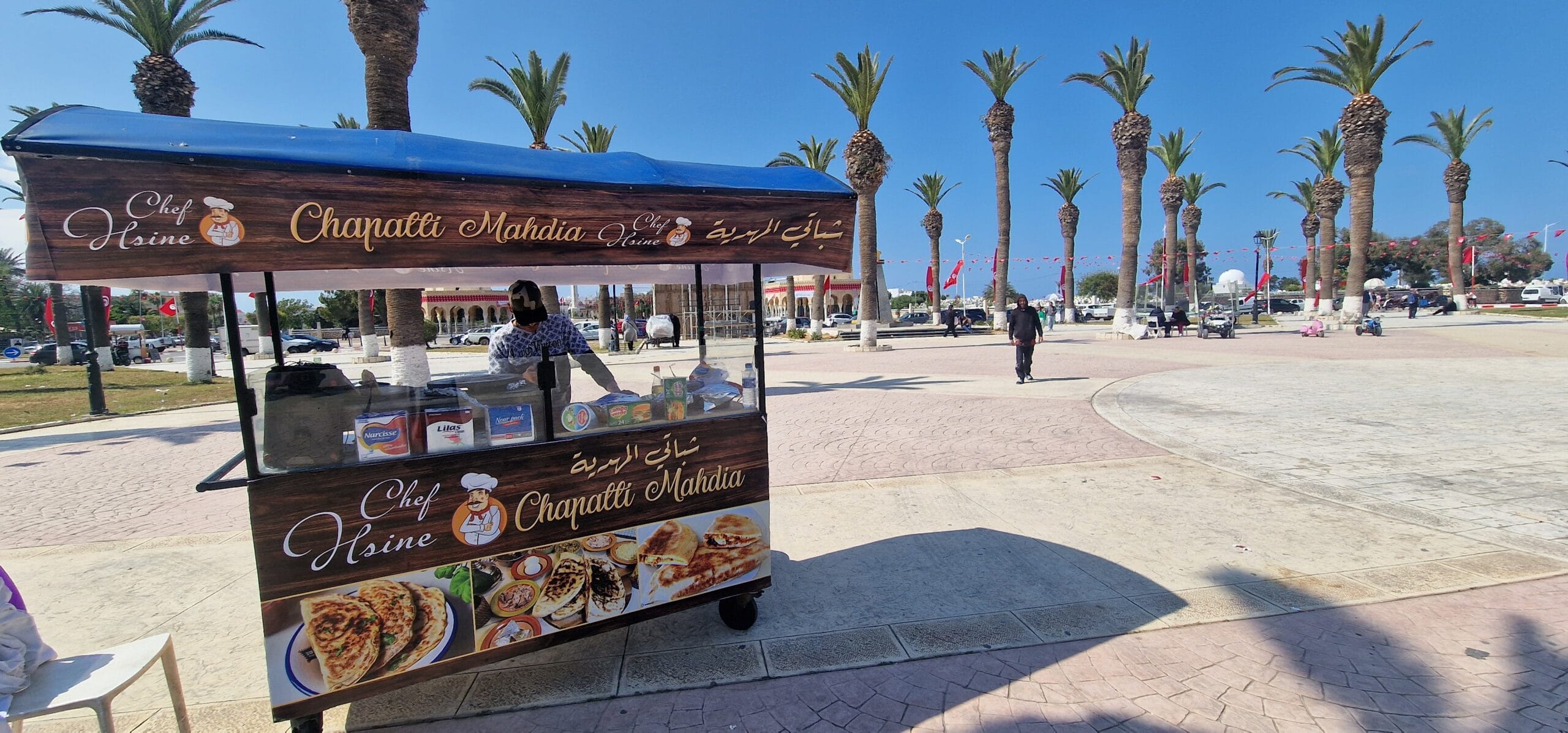
Markets, marina cafés and street stalls: wherever you base yourself, these are the dishes you’ll find.



More from Tunisia
Markets, medinas and a winter spent living aboard
Destination guide
Tunisia Travel & Food Guide
Travel
Top Attractions in Tunisia
Food
Tunisian Food Guide