

Destination guide Tunisia Travel + Food
Tunisia Travel & Food Guide: Markets, Medinas & Local Cuisine
Living the experience: a winter on our boat in Tunisia, from busy souks and Roman ruins to harissa, brik and tea with pine nuts.
We stayed
October to April
How we came
By boat
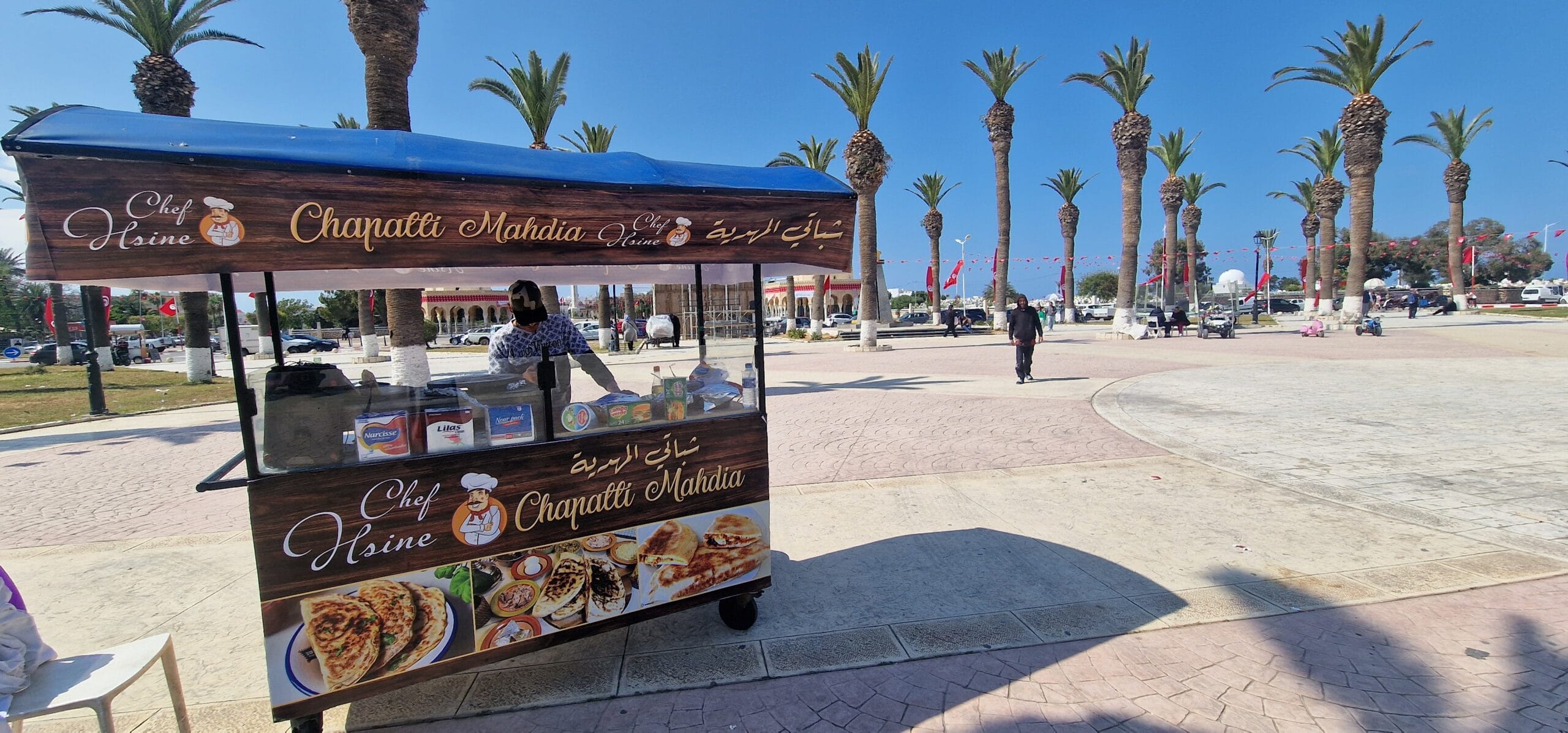
Must eat
Brik
Must drink
Tea with pine nuts
On this page: Marina life · Best time · Where to stay · Top attractions · Food · Food guides · FAQ
When we first sailed into Tunisia, we weren’t quite sure what to expect. We had chosen it for practical reasons — affordable marinas, a good base for winter — but almost immediately we realized that living here was about so much more than ticking boxes on a sailor’s checklist. Tunisia surprised us, not just with its low cost of living, but with its warmth, energy, and richness of daily life.
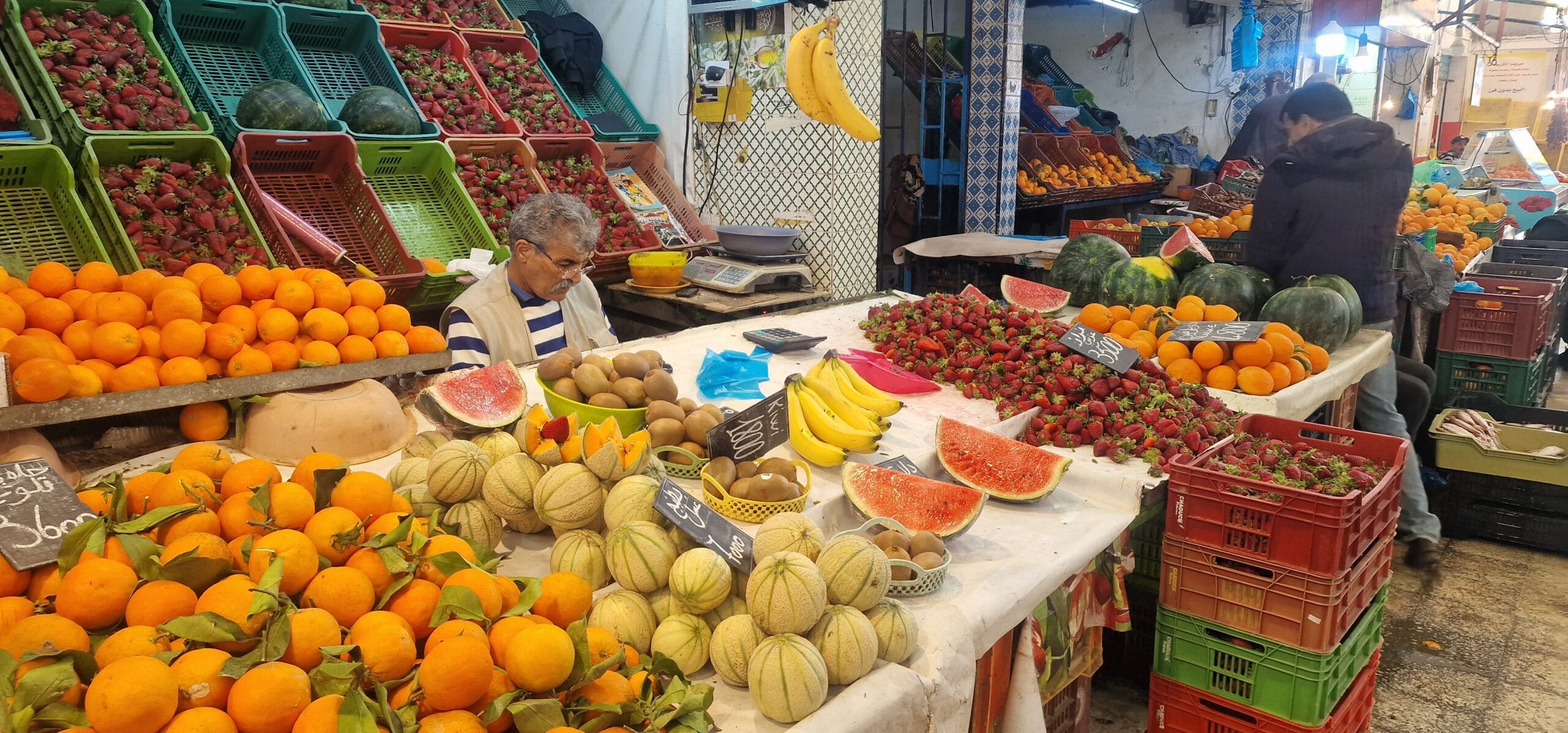
What we loved most was how everyday moments turned into experiences. Trips to the market weren’t errands; they were adventures. Stalls overflowed with oranges, herbs, olives, and freshly caught fish, and we often came back to the boat with bags heavier than our arms could carry — plus stories about the people who sold them to us. A simple stop for tea became a slow ritual, with pine nuts floating in our glass and locals eager to chat. Even walking through the souks, chaotic with spices, textiles, and shouts of bargaining, felt like stepping into a living museum.
The kids turned Tunisia into their playground. Narrow medina streets became mazes for them to explore, while beaches — even covered in winter seaweed — became fort-building arenas. History wasn’t something they read in books; it was something they climbed, touched, and ran through, from the stone corridors of the Ribat to the towering amphitheater of El Jem. They played gladiators while we stood in awe of how freely the past still breathes here.
Life in the Marina
Life in the marina added another layer to the experience. There was a real sense of community among sailors from all over the world, a constant exchange of tools, tips, and laughter. Locals welcomed us not as visitors passing through but as neighbors, always ready to help or share food. Tunisia’s hospitality is quiet but powerful — the kind that makes you feel you belong, even if you’ve just arrived.

At a glance
Our base
Monastir marina
Best season
October–April
Don’t miss
El Jem
Good for
Families, slow travel
Explore the Tunisia hub
Planning a Tunisia trip?
Pin this guide so it’s ready when you book.
Best Time to Visit Tunisia
Tunisia is at its best when you slow down and stay longer — and for us, that meant living there from October through April.
October to November
Autumn is an easy introduction. The summer heat fades, the sea is still warm, and daily life settles into a calmer rhythm.
December to February
Winter is mild compared to most of Europe. Tourism is low, which means quieter towns, better prices, and a much more local experience.
March to April
Spring is when everything comes alive again. Warm but not overwhelming, social without being hectic.
Travelling during Ramadan? It shifts daily life, but it’s not something to avoid — just something to understand.
Where to Stay in Tunisia
From resort towns to fishing villages and a desert-edge island, each base gives Tunisia a different feel. A few to start with:
Monastir
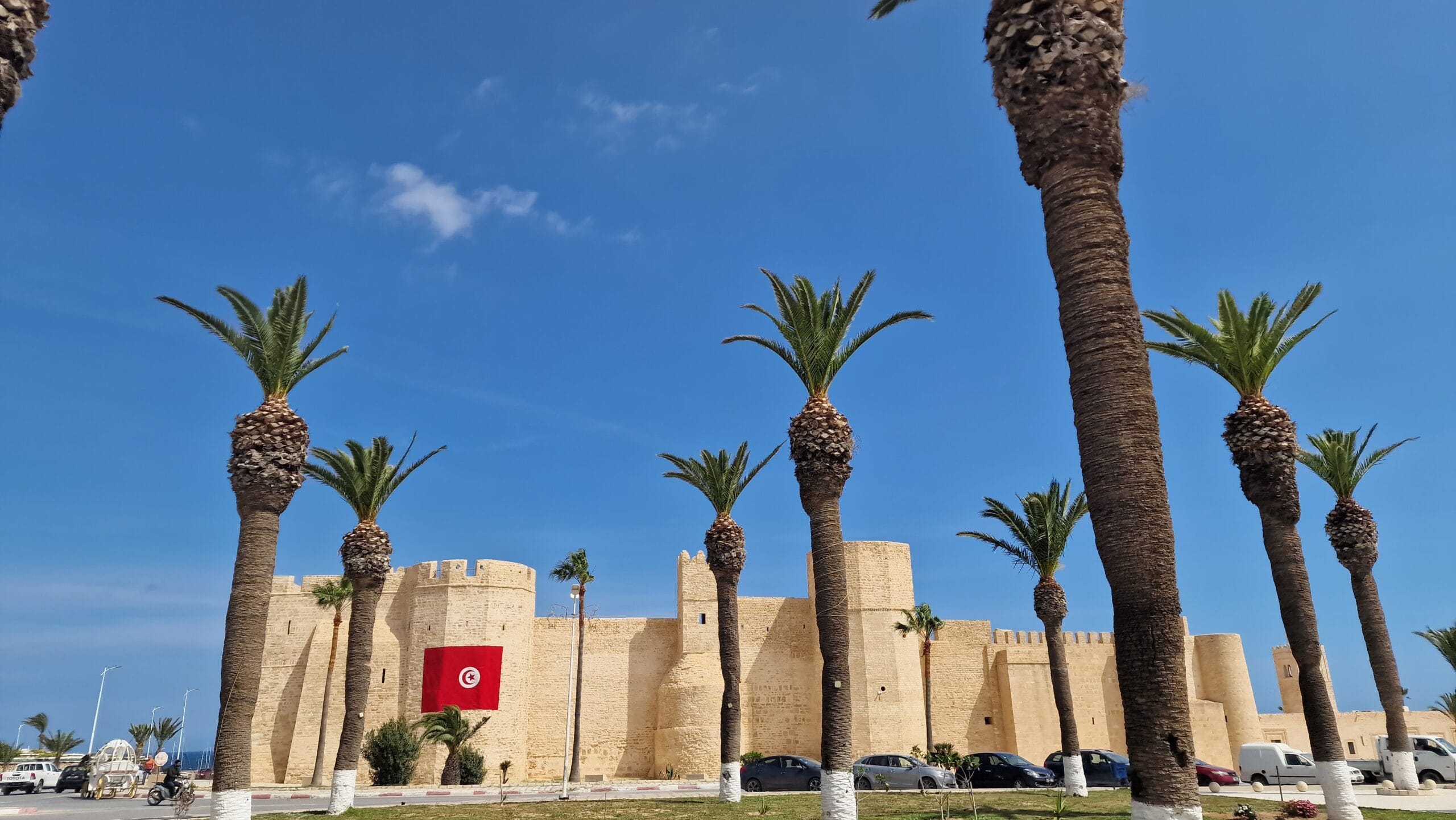
With its fortress-like Ribat, sandy beaches, and vibrant marina, Monastir offers both history and holiday vibes.
Sousse
Both historic and lively, with a UNESCO-listed medina, sandy beaches, and a vibrant nightlife.
Djerba
The island of Djerba blends beautiful beaches with history and culture: Houmt Souk market, pottery villages and a turquoise sea.
See all nine towns we recommend →
Top Attractions in Tunisia
Tunisia is a country where history, culture, and landscapes collide. Roman ruins stand beside mosques, golden deserts stretch into the horizon, and bustling medinas burst with color and spice.
Historic Medinas
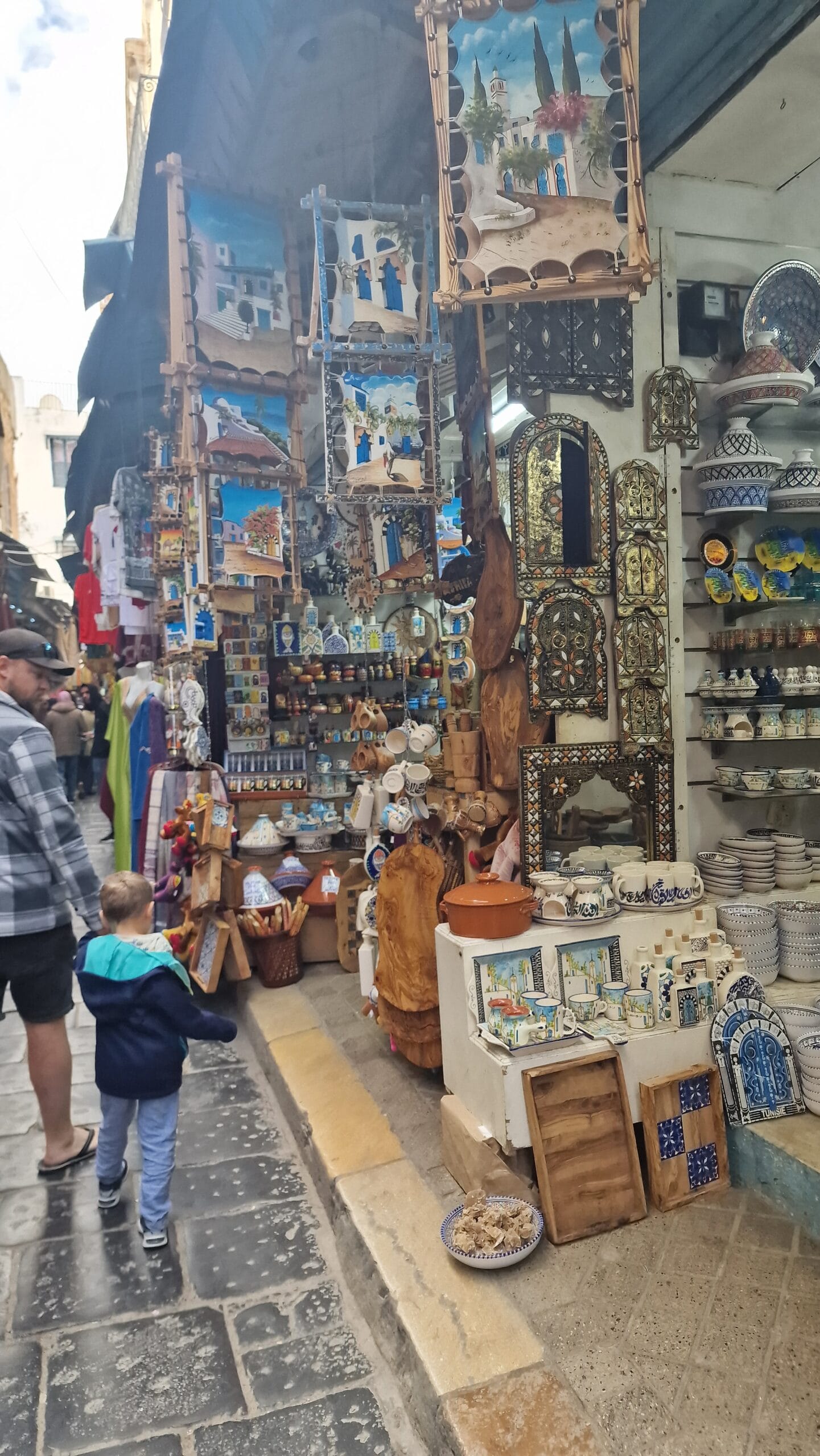
The UNESCO-listed Medina of Tunis is a maze of alleys, mosques and souks; the Medina of Sousse is calmer, ringed by walls above the sea.
Ancient Ksars & Villages
Fortified Berber granaries and hilltop villages like Chenini, Takrouna and Douiret, plus the troglodyte homes of Matmata.
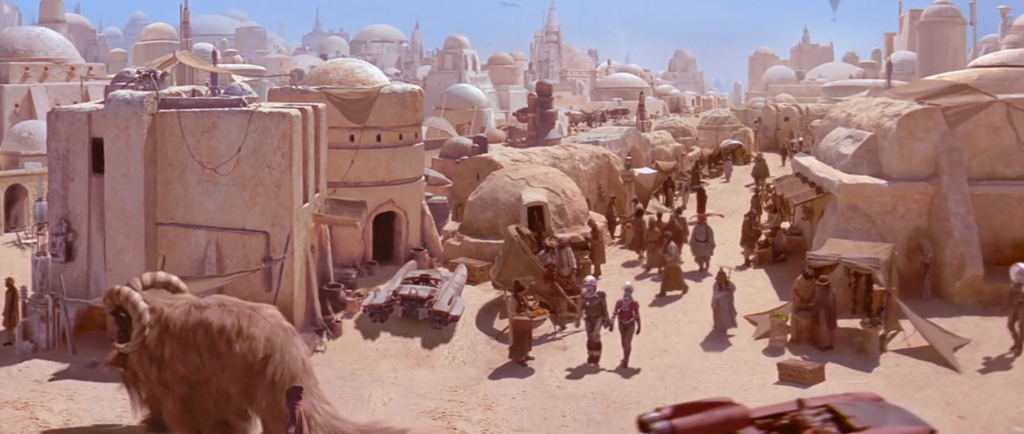
The Star Wars Trail
Luke Skywalker’s home in Matmata and Mos Espa near Tozeur, one of the largest surviving Star Wars sets.
Roman Tunisia
Carthage, Dougga, Bulla Regia, Sbeitla and the Amphitheater of El Jem, the third-largest Roman amphitheater in the world.
Museums
The Bardo Museum in Tunis and the Sousse Archaeological Museum hold some of the finest Roman mosaics anywhere.
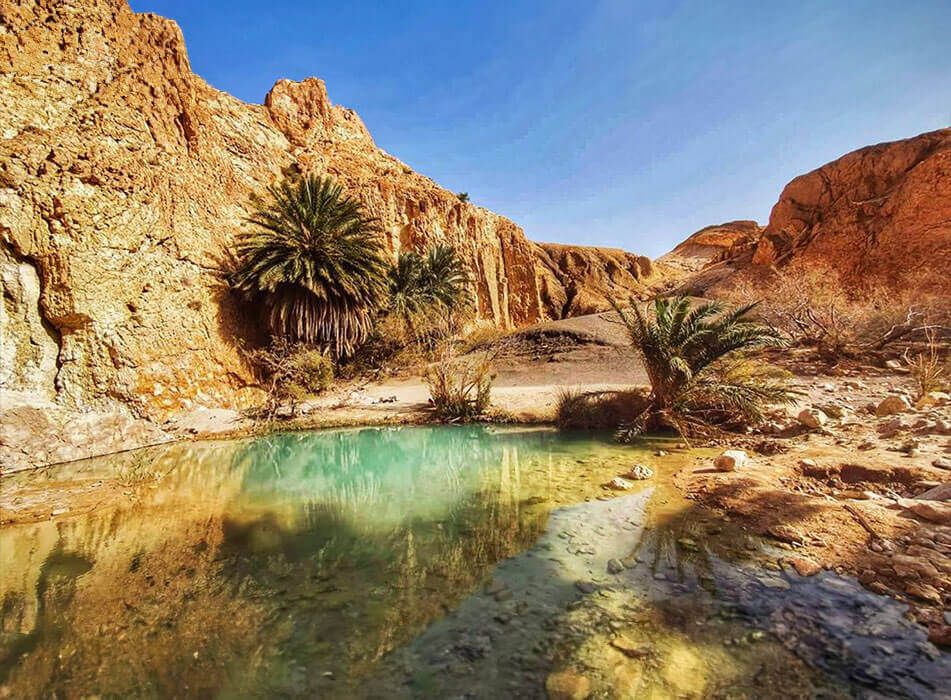
Desert & Oases
Tozeur, the gateway to the Sahara, the mountain oases of Chebika, Tamerza and Mides, camel treks and ATV tours.
Cook it at home
Tunisian Food You Must Try
When we first sailed into Tunisia, we expected French baguettes, Italian pasta, maybe some couscous and olives. What we didn’t expect was how alive the food would feel — how much it told us about the country itself. Tunisia’s cuisine is bold, deeply personal, and woven into everyday life.
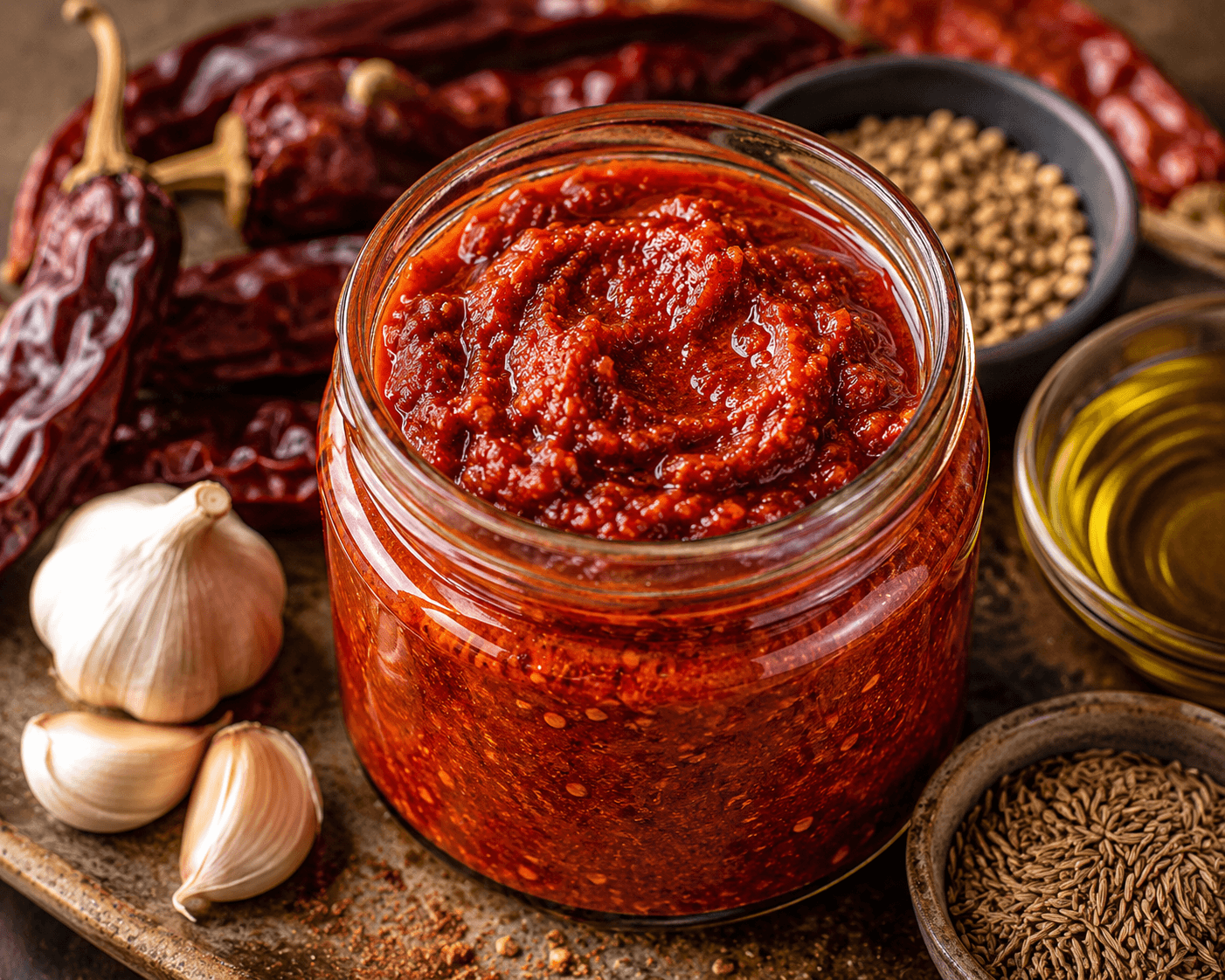


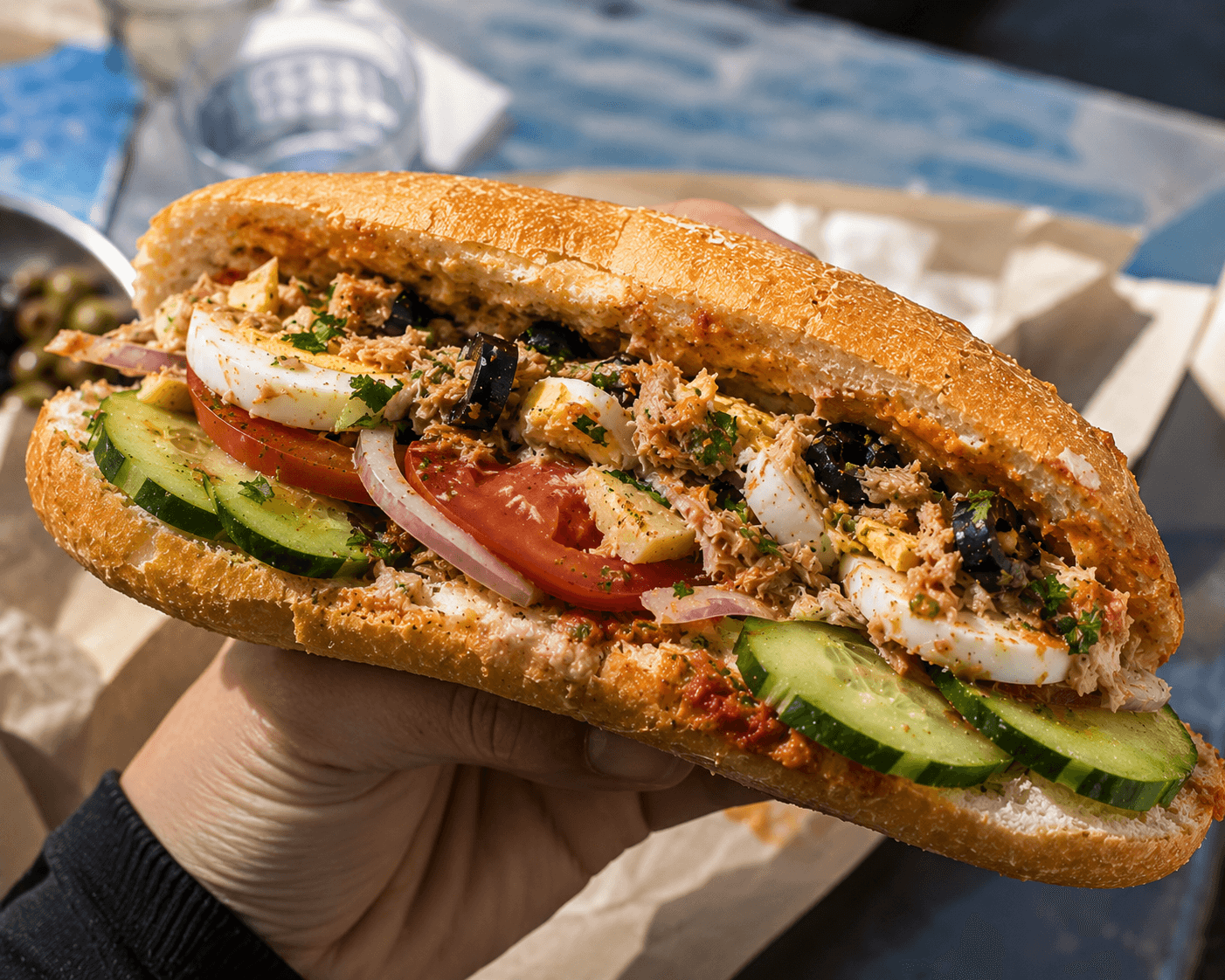
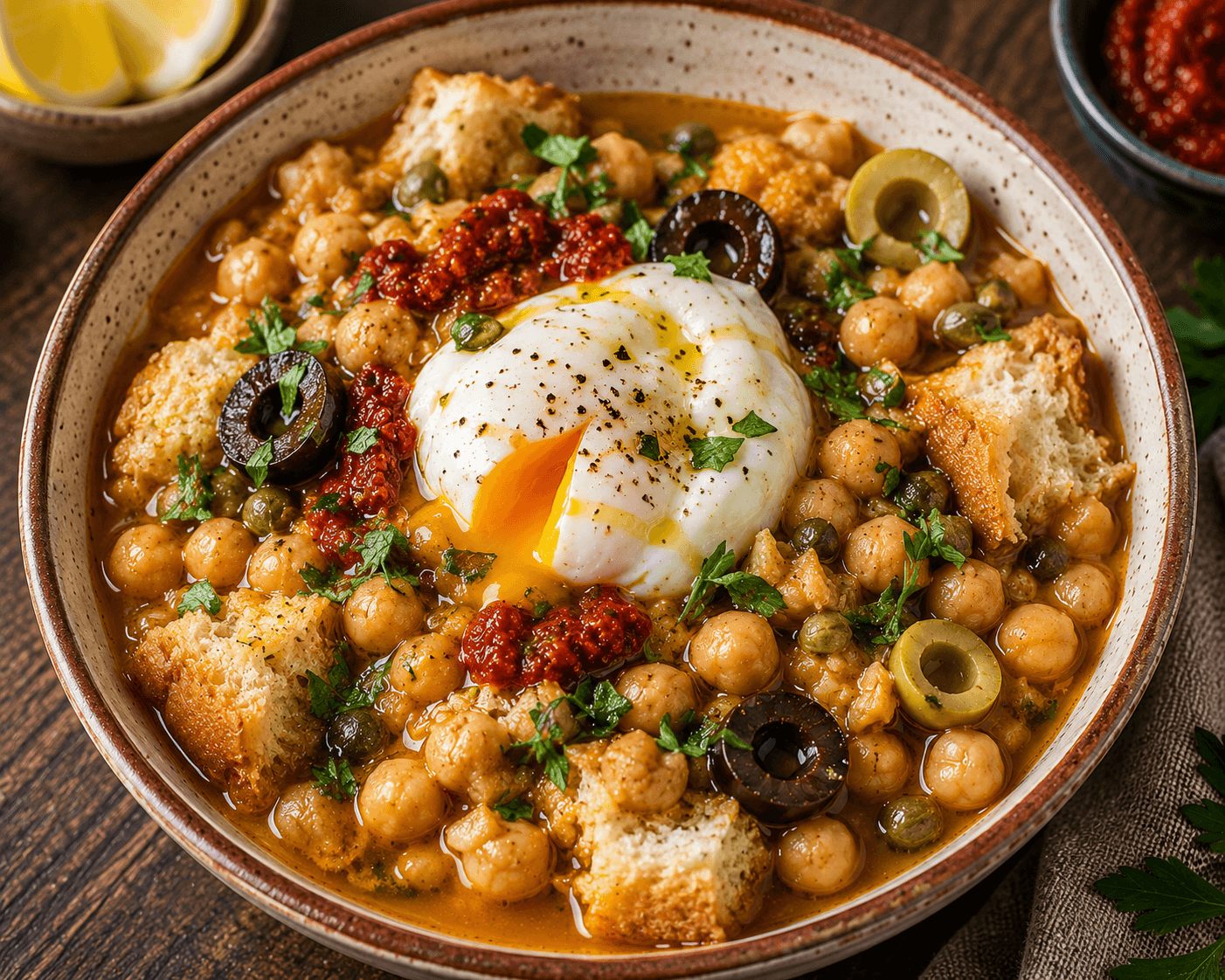

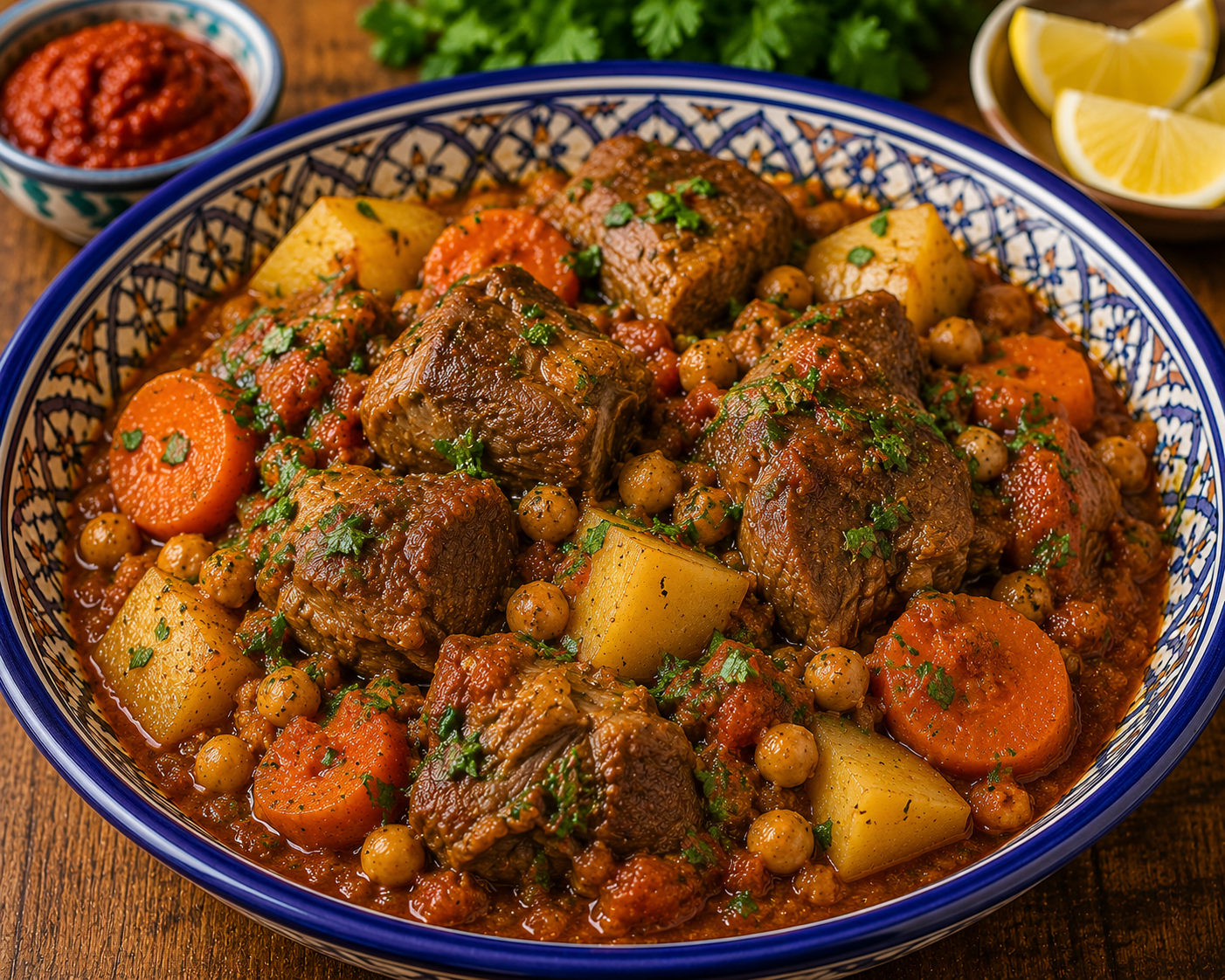

Eat Your Way Through Tunisia
Tunisian Food Guide
Harissa, brik, slata and tea with pine nuts, the markets where meat meets the sea, and the couscous, tajin and stews we came home with.
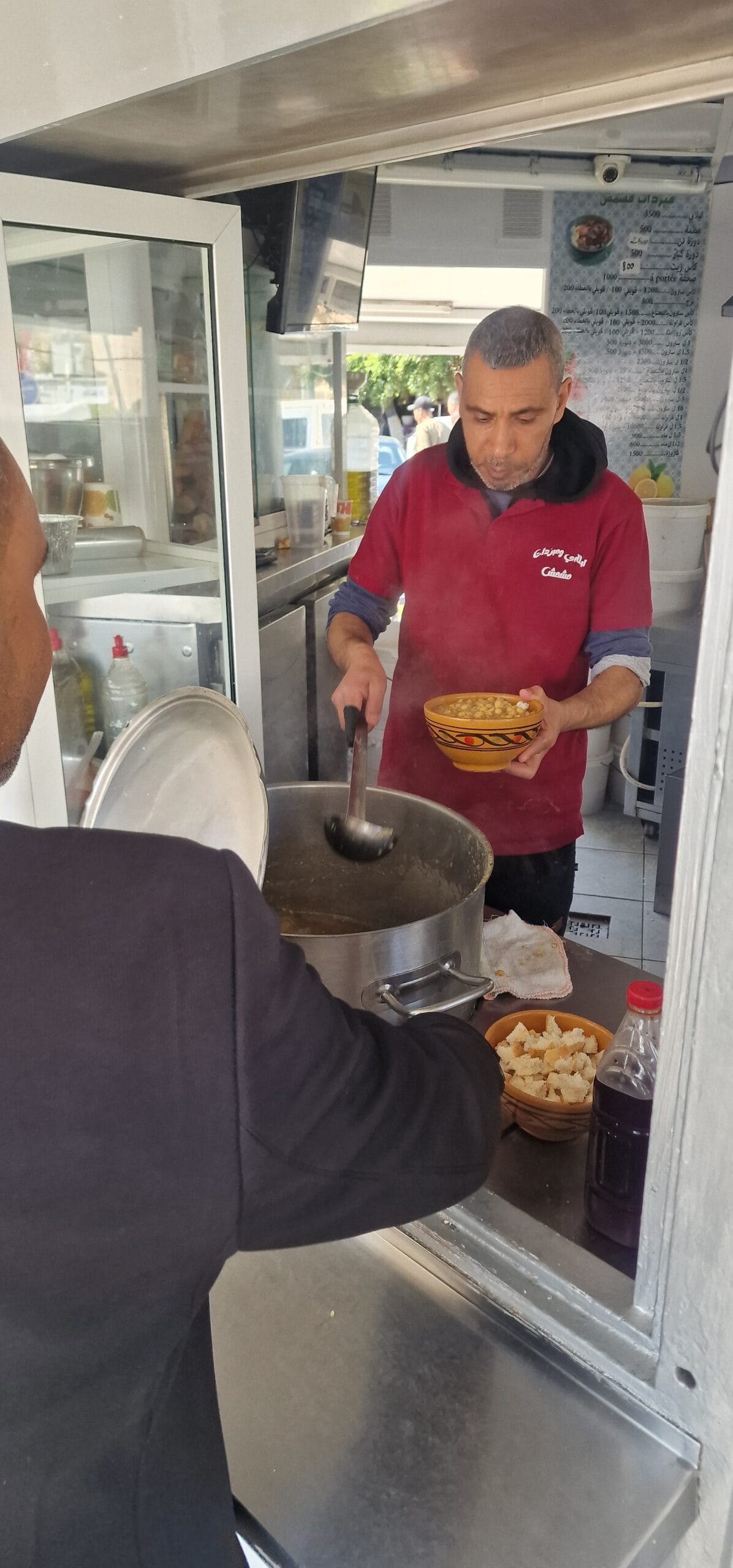
Tunisian Street Food
Kaskrout, mlewi and makloub, a bowl of lablabi on a cold day, fricassé and sugar-dusted bambalouni by the sea.
Frequently Asked Questions
When is the best time to visit Tunisia?
We lived there from October to April. Autumn is warm and calm, winter is mild with few tourists and better prices, and spring brings warm weather and abundant produce without the summer heat.
Is Tunisia good for families?
For us, yes. The medina streets became mazes for our kids to explore, the beaches became fort-building arenas, and history was something they could climb and touch, from the Ribat in Monastir to the amphitheater of El Jem.
Should I avoid Tunisia during Ramadan?
No, just understand it. During the day many local cafés and small eateries may be closed or quieter, while evenings come alive with food and family gatherings. Tourist areas continue to function.
What food should I try in Tunisia?
Harissa, brik, slata, tea with pine nuts, kaskrout and other sandwiches, lablabi, fricassé, bambalouni, tajin, couscous and marqa.
A Country That Keeps Unfolding
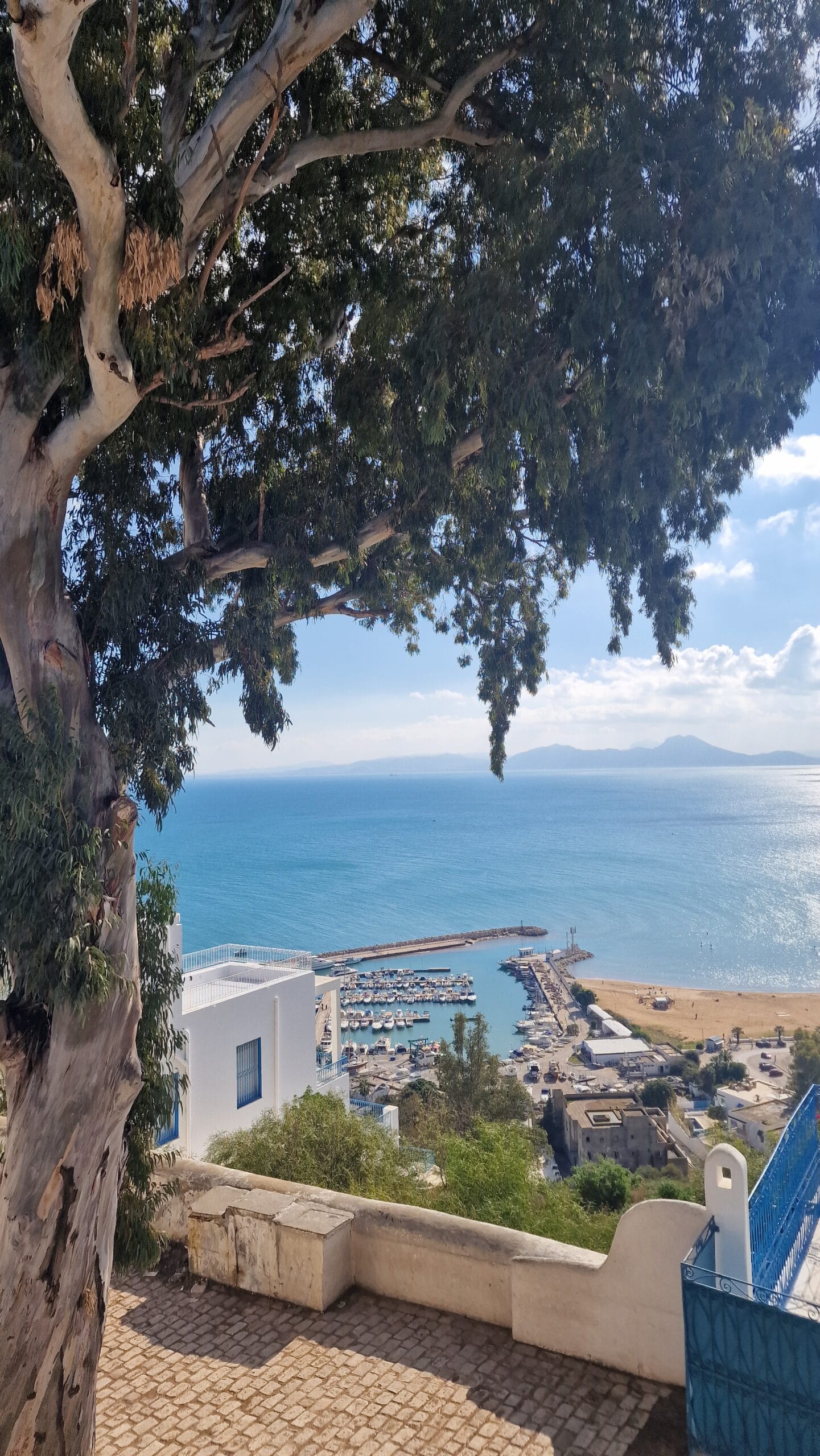
And yet, even after months of living here, there’s so much we still haven’t seen. We’ve heard about the Sahara, where camel caravans still cross golden dunes and nights are spent under endless starlit skies. Friends told us about the troglodyte homes of Matmata, carved into the earth like something from another world, and the holy city of Kairouan with its ancient mosques and carpets dyed in brilliant colors. The north, too, calls with its Roman ruins at Dougga and Bulla Regia, olive groves stretching to the horizon, and the turquoise coastline around Bizerte. Tunisia feels like a country that keeps unfolding the longer you stay — and knowing how much we’ve yet to explore is exactly why we’re already planning our return.
More Countries to Explore
Food and travel guides from the places we’ve lived and sailed
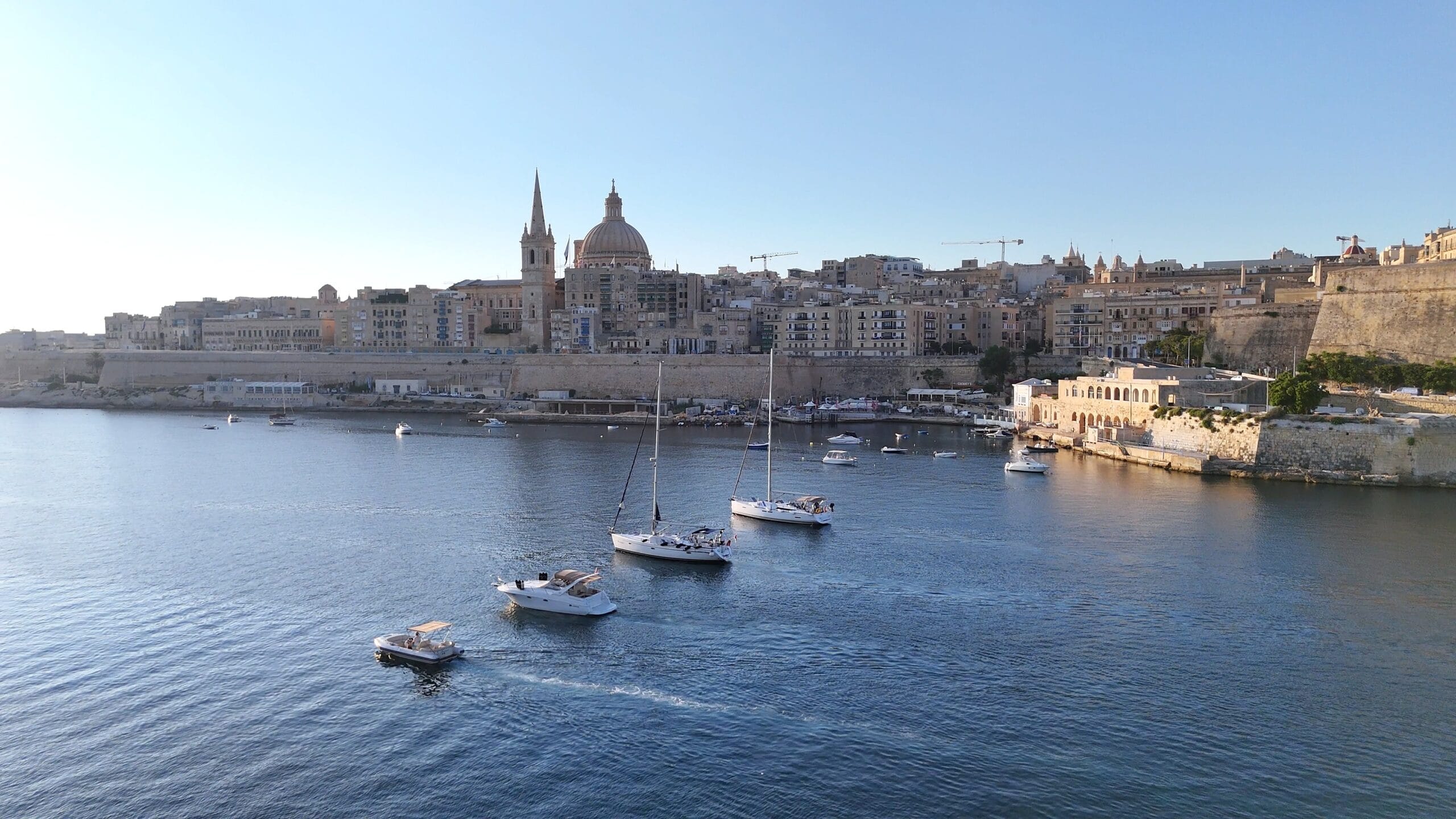
Destination guide
Malta Travel & Food Guide

Destination guide
Sri Lanka Travel & Food Guide
Food
Tunisian Food Guide