

Tunisian Food Breakfast
Lablébi: Tunisian Chickpea Breakfast Soup Recipe
Traditional Tunisian Lablabi with Harissa, Bread & Chickpeas.
Serves
3
Calories
380 kcal
Cuisine
Tunisian

On this page: What is it · History · What you need · Step by step · Serving & storage · Recipe card
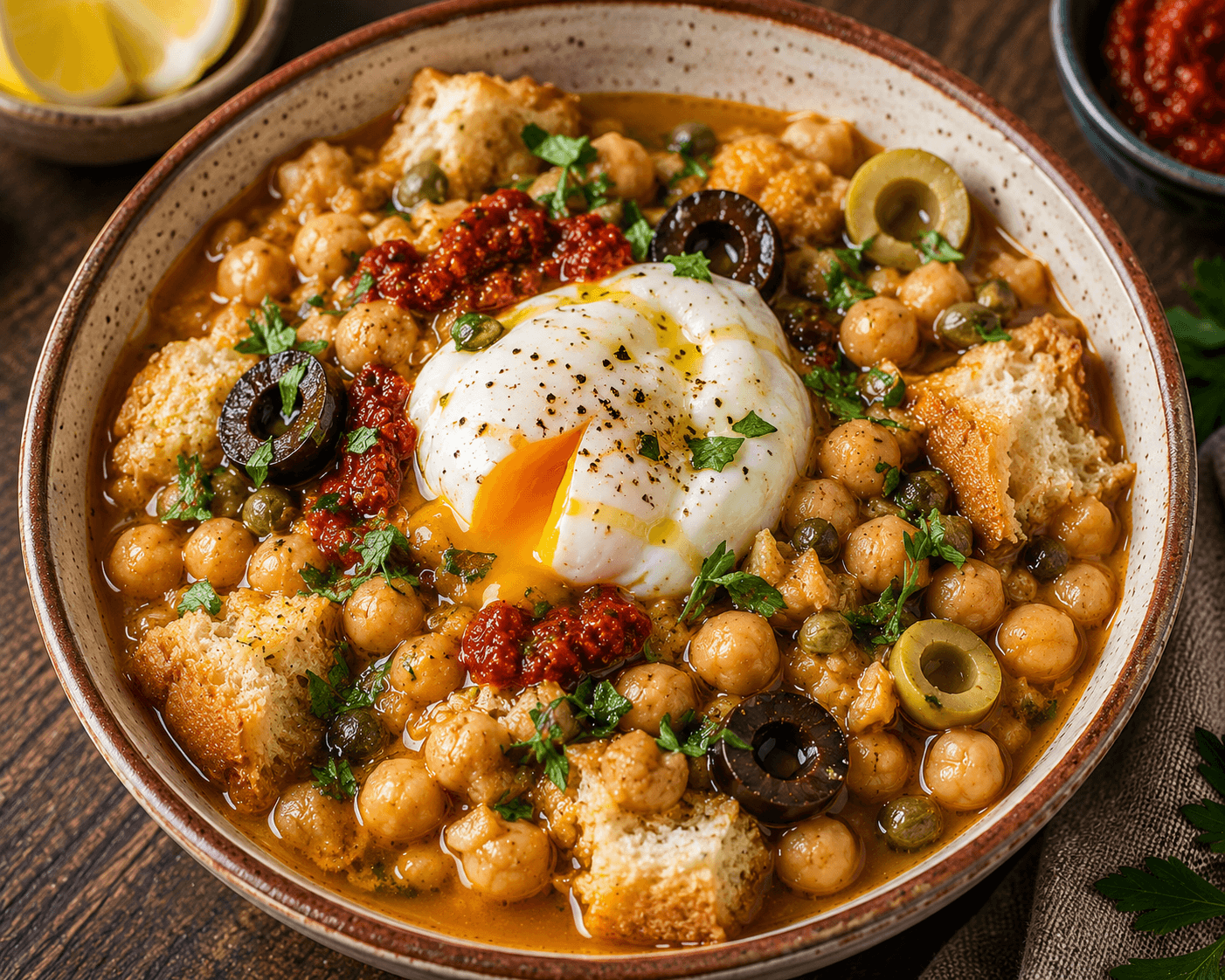
Lablabi is one of Tunisia’s most comforting and iconic street foods — a warming chickpea soup poured over torn bread and finished with olive oil, harissa, lemon, and bold savory toppings.
Simple ingredients transform into something deeply satisfying. The bread softens into the fragrant broth while chickpeas, cumin, garlic, and harissa create a rich, spicy base with incredible depth.
Served hot and often eaten for breakfast, lunch, or late-night meals, lablabi is rustic, filling, and packed with North African flavor.
What Is It?
Lablabi is a traditional Tunisian chickpea soup made by simmering chickpeas with garlic, cumin, and harissa before serving the broth over torn stale bread.
The softened bread thickens the soup naturally and creates a rich, comforting texture. Olive oil, lemon juice, olives, eggs, capers, and parsley are commonly added on top for extra richness and brightness.
The dish is simple but highly flavorful and deeply rooted in Tunisian home and street cooking.
A Little History
Lablabi has long been a staple of Tunisian cuisine, particularly among working communities where inexpensive pantry ingredients needed to become nourishing meals.
Using stale bread in soups is common across Mediterranean and North African cooking traditions, helping reduce waste while adding texture and substance.
Harissa and cumin give lablabi its signature Tunisian identity, while toppings vary by household and region. Street vendors throughout Tunisia still serve steaming bowls of lablabi early in the morning or late into the night.
Today, it remains one of Tunisia’s most recognizable comfort foods.
At a glance
Serves
3
Calories
380 kcal
Protein
16 g
Course
Breakfast
Why it works
01 Stale bread becomes the best part
02 Harissa and cumin, adjust to taste
03 Toppings make it your own
Cooking this later?
Save it to your Pinterest board so it’s there when you need it.
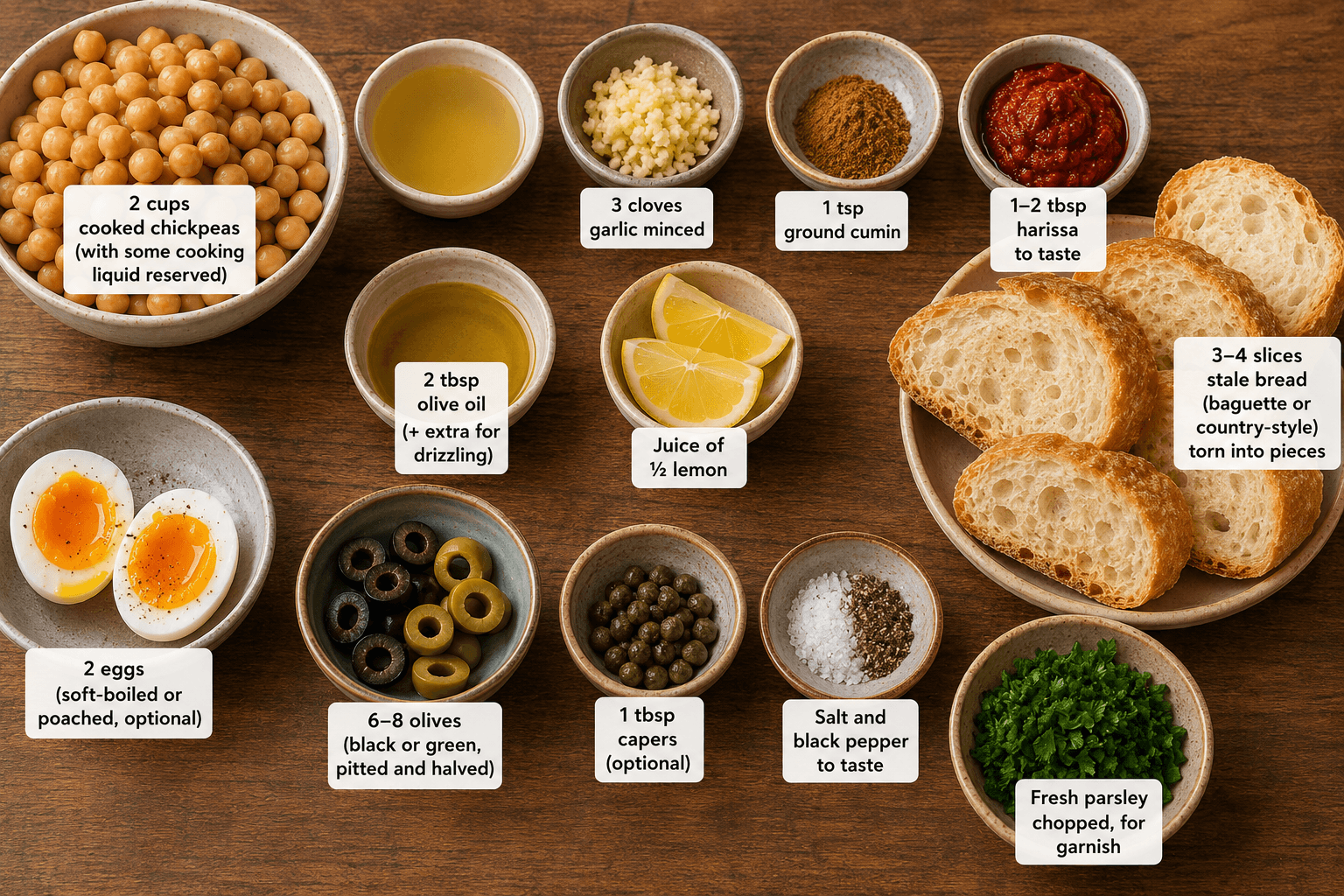
What You Need
Exact amounts are in the recipe card
Equipment tip: For freshly ground spices in the chickpea broth, the electric spice grinder we recommend is a useful shortcut.
For the Lablebi
- Cooked chickpeas
- Chickpea cooking liquid
- Garlic
- Ground cumin
- Harissa
- Stale bread
- Olive oil
- Lemon juice
- Eggs
- Olives
- Capers
- Salt
- Black pepper
- Fresh parsley
Step-by-Step Instructions
The chickpeas are gently simmered with garlic and cumin so the broth absorbs deep earthy flavor before harissa adds heat and richness.
Bread is placed directly into serving bowls so it can soften naturally under the hot chickpea broth. This creates the thick, rustic texture that defines lablabi.
Final toppings such as olive oil, eggs, olives, capers, parsley, and lemon juice balance the richness while adding freshness and texture.
1. Simmer the chickpeas
Place the chickpeas and some reserved cooking liquid into a saucepan.
Add garlic, cumin, and a pinch of salt.
Simmer gently for about 10 minutes until fragrant.
Stir in the harissa and adjust the consistency with extra liquid if needed.
Tip: Adjust the spice level by adding more or less harissa.

2. Pour over the bread
Tear the stale bread into pieces and place it into serving bowls.
Ladle the hot chickpea mixture over the bread.
Allow the bread to soften slightly in the broth.
3. Top and serve
Drizzle with olive oil and lemon juice.
Top with olives, capers, and soft-boiled or poached eggs if using.
Finish with black pepper and chopped parsley.
Serve immediately while hot.
Serving & Storage
Serving
Lablabi is traditionally served piping hot with extra harissa, lemon wedges, and olive oil on the side.
It is best eaten immediately once the bread begins soaking up the broth.
Storing Leftovers
The chickpea base can be stored separately in the refrigerator for up to 3 days and reheated before serving. Add fresh bread only when ready to eat.
| Chickpea base | up to 3 days |
Lablébi (Tunisian Chickpea Stew)
Ingredients
- 2 cups cooked chickpeas with some cooking liquid reserved
- 3 cloves garlic minced
- 1 tsp ground cumin
- 1 –2 tbsp harissa to taste
- 3 –4 slices stale bread baguette or country-style bread, torn into pieces
- 2 tbsp olive oil plus extra for drizzling
- Juice of ½ lemon
- 2 eggs soft-boiled or poached, optional
- 6 –8 olives black or green, pitted and halved
- 1 tbsp capers optional
- Salt and black pepper to taste
- Fresh parsley chopped, for garnish
Instructions
- Prepare the chickpeas: In a saucepan, warm the chickpeas with some of their cooking liquid. Add the garlic, cumin, and a pinch of salt. Simmer for 10 minutes until fragrant.
- Add the harissa: Stir in harissa to taste. Adjust with more liquid if you prefer a soupier consistency.
- Prepare the bowls: Place torn bread pieces in the bottom of serving bowls. Ladle the hot chickpea mixture over the bread, allowing it to soak.
- Add toppings: Drizzle with olive oil and lemon juice. Top with olives, capers, and eggs (if using). Season with black pepper.
- Garnish: Finish with fresh parsley and serve immediately.
Made this lablebi?
Rate it with the stars in the recipe card and tell us how it went in the comments: what you swapped, what you added, how spicy you made it.
Products we use
Our kitchen kit for this recipe
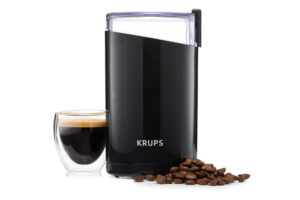
KRUPS Electric Spice & Coffee Grinder
View in shop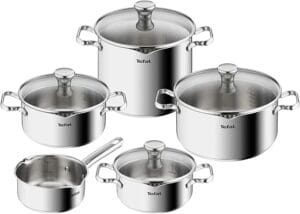
T-fal Stainless Steel Cookware Set (11-piece)
View in shop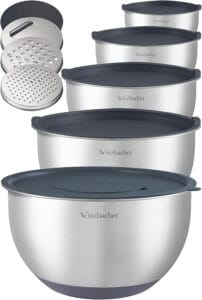
Stainless Steel Bowls
View in shop
Wooden Spoons
View in shopMore to cook
More recipes from our kitchen

Tunisia
Kaskrout Lablebi
Tunisia
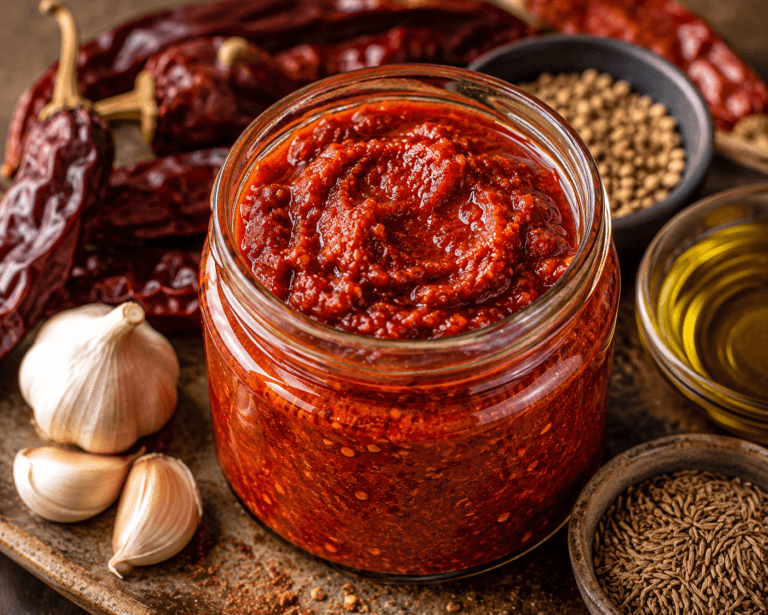
Harissa

Tunisia
Mlewi