Set the Tone for Worldly Tastes in Every Kitchen
Aljotta: Maltese Garlic & Fish Soup Recipe
Malta’s Light, Garlic-Rich Fish Soup
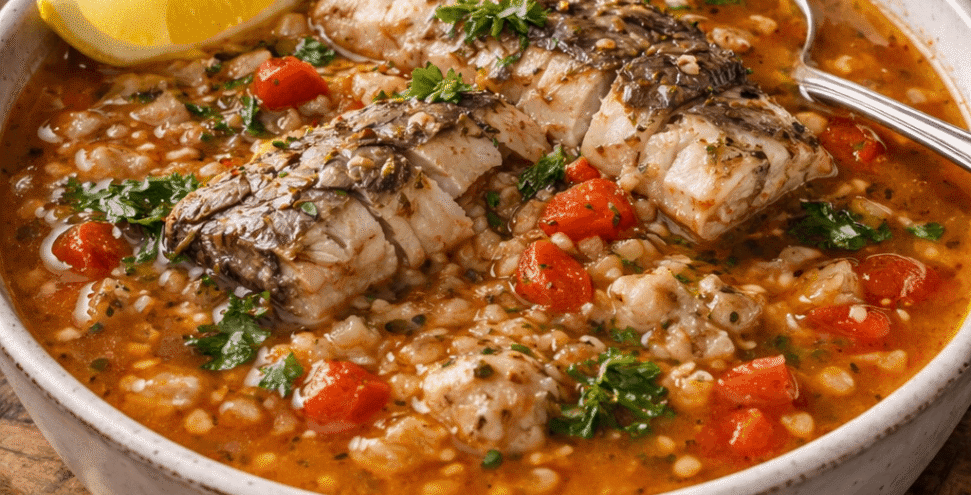
Aljotta is one of those dishes that doesn’t try to impress you at first glance. It’s not heavy, not creamy, not overloaded — just a clear, fragrant broth that somehow manages to carry a depth of flavor you don’t expect from something that looks so simple.
The first time you try it, it almost feels too light. Then you take another spoonful. And another. The garlic comes through first, followed by tomato, herbs, and that unmistakable taste of the sea. Add a squeeze of lemon and suddenly everything lifts — fresh, sharp, and incredibly balanced.
It’s the kind of dish that makes sense in Malta. Surrounded by water, with access to fresh fish every day, this is cooking that wastes nothing and relies on technique rather than excess. It’s simple, yes, but not basic. And once you understand it, it becomes one of those recipes you keep coming back to.
What Is It?
Aljotta is a traditional Maltese fish soup made with fresh fish, garlic, tomatoes, herbs, and often a small amount of rice. It’s a broth-based soup — light in texture but full of flavor — designed to highlight the natural taste of the fish rather than hide it.
Unlike heavier seafood soups, aljotta is clear and slightly acidic, usually finished with lemon juice. The garlic is a defining element, giving the soup its name, which is believed to come from “aglio,” the Italian word for garlic.
The fish is often used primarily to flavor the broth. In many traditional methods, the soup is strained to remove bones, leaving behind a clean, aromatic liquid with small pieces of fish and rice added back in.
It’s typically served as a starter or light meal, often with crusty bread on the side — perfect for soaking up the broth.

A Little History
Aljotta is deeply rooted in Malta’s history of practical, resourceful cooking. It is traditionally associated with Lent, a period when meat was avoided, making fish-based dishes essential in everyday meals.
The dish reflects a time when nothing went to waste. Fishermen and families would use smaller fish, or even just heads and bones, to create a flavorful stock. From there, simple ingredients like onions, garlic, tomatoes, and herbs were added to build the soup.
Over time, aljotta became a staple in Maltese households — not because it was luxurious, but because it was accessible, nourishing, and deeply tied to the island’s environment.
Today, it still carries that same identity. Whether served in a home kitchen or a seaside restaurant, aljotta remains a dish that represents Malta’s connection to the sea and its tradition of making something remarkable out of very little.
What You Need
For the Soup
- Fresh fish (small whole fish or fish pieces)
- Olive oil
- Onion, chopped
- Garlic
- Tomatoes (fresh or canned)
- Tomato paste (kunserva)
- Fresh herbs (mint, marjoram, parsley)
- Water or fish stock
- Salt and black pepper
- Lemon
Optional Additions
- Rice (traditionally added toward the end)
- Extra lemon wedges for serving
The Process
Making aljotta is less about complexity and more about layering flavor carefully. It starts with building a base — gently cooking onion and garlic in olive oil until soft and aromatic.
From there, tomatoes and herbs are added, creating the foundation of the broth. The fish is introduced early, allowing it to release its flavor into the liquid as it simmers slowly.
One of the most important steps is patience. The soup is left to cook gently, giving the fish time to break down and enrich the broth. In many traditional methods, the soup is then strained to remove bones and create a smooth, clean texture.
Finally, rice is added and cooked directly in the broth, absorbing all the flavor. A squeeze of lemon at the end brings everything together, lifting the richness and adding freshness.
It’s a quiet process. No rushing, no shortcuts — just letting the ingredients do their job.
Step-by-Step Instructions
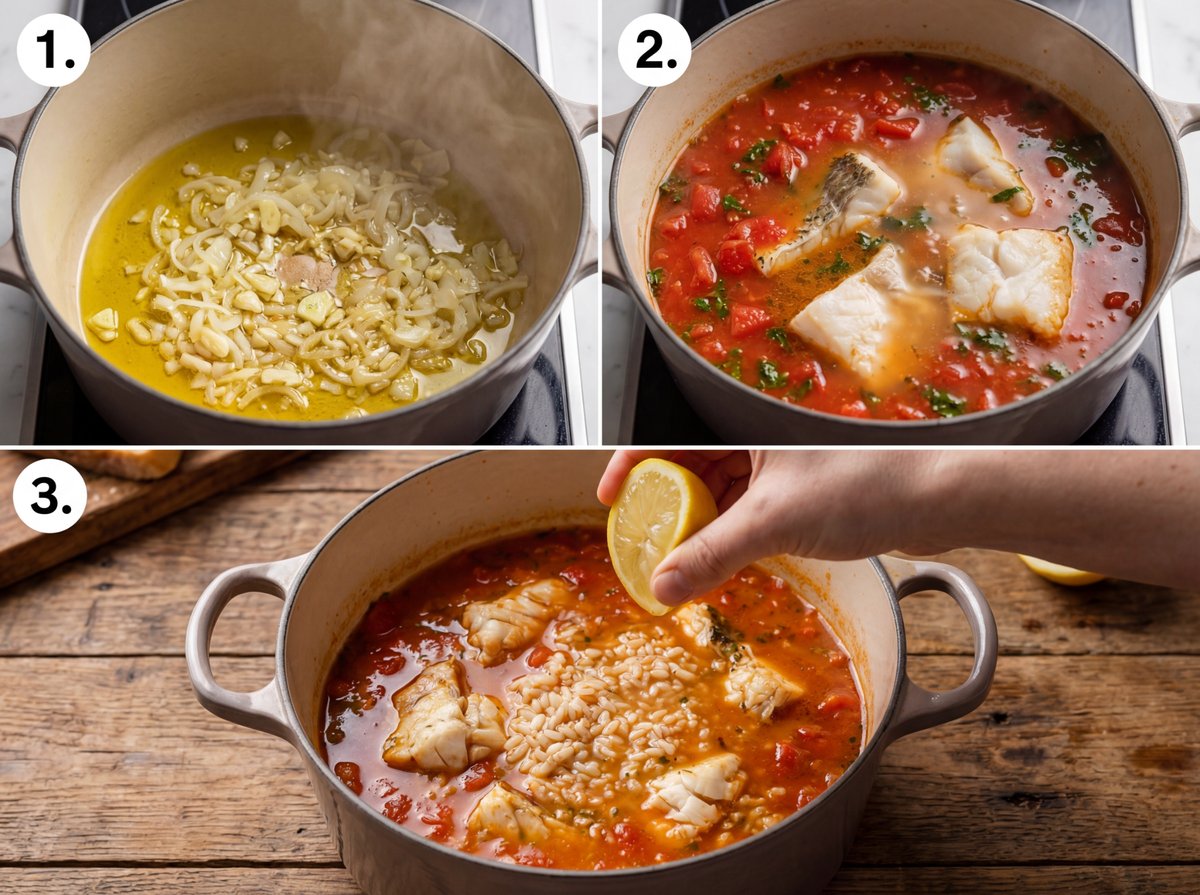
1. Build the base
Heat olive oil in a large pot and gently cook the onion until soft. Add the garlic and continue cooking until fragrant but not browned. This step forms the aromatic base of the soup.
2. Add tomatoes and herbs
Stir in the tomatoes, tomato paste, and herbs. Let everything cook together for a few minutes so the flavors begin to develop and deepen.
3. Add the fish and liquid
Add the fish to the pot along with water or stock. Bring the soup to a boil, then reduce the heat and let it simmer gently. The fish will slowly release its flavor into the broth as it cooks.
4. Simmer and develop flavor
Allow the soup to cook for about 30–45 minutes. During this time, the broth becomes richer and more aromatic. If using whole fish, remove it once cooked, separate the meat, and discard bones.
5. Strain (optional but traditional)
For a smoother soup, strain the broth through a fine sieve to remove any bones or solids. Return the liquid to the pot and add the fish meat back in.
6. Add rice
Bring the soup back to a gentle boil and stir in the rice. Cook until the rice is tender and has absorbed some of the broth.
7. Finish with lemon
Just before serving, add a squeeze of fresh lemon juice. This final step lifts the entire dish and gives aljotta its signature brightness.
Serving & Storing
Aljotta is best served hot, straight from the pot, with a wedge of lemon on the side. The broth should be light but flavorful, with small pieces of fish and tender rice throughout.
It’s typically enjoyed with crusty bread, which is almost essential. The bread soaks up the broth and turns the soup into something more filling without taking away from its lightness.
This is not a heavy meal. It’s something you eat slowly, something that feels clean and satisfying rather than rich and overwhelming.
Aljotta keeps well and often tastes even better the next day as the flavors continue to develop.
Store it in an airtight container in the refrigerator for up to 2–3 days. Reheat gently on the stove to maintain the texture of the broth.
If the soup thickens due to the rice, simply add a little water or stock when reheating to bring it back to its original consistency.


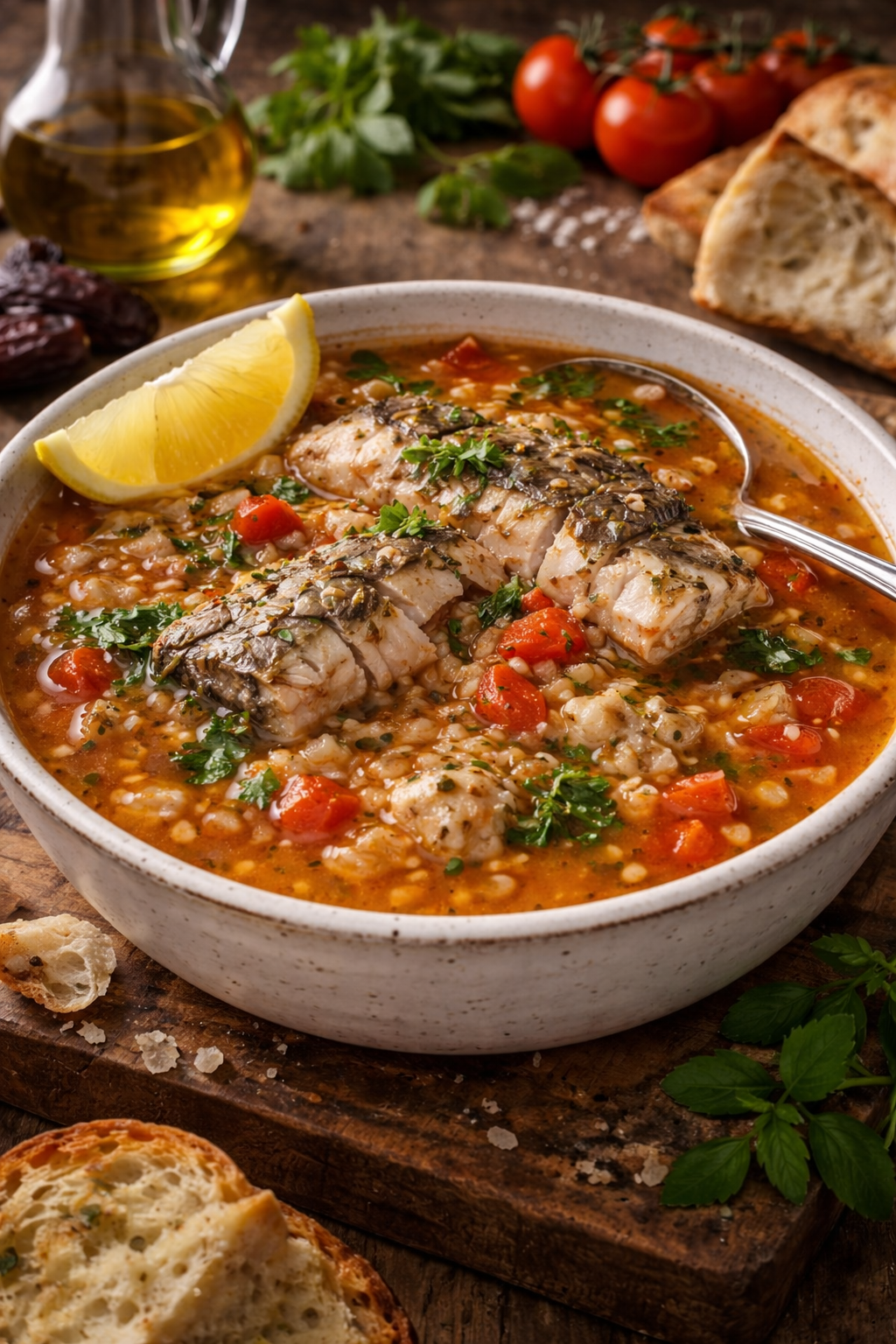
Aljotta (Traditional Maltese Fish Soup)
Equipment
- Large pot or soup pan
- Cutting board
- Sharp knife
- Optional: fine strainer (if removing fish bones)
Ingredients
- 500 g white fish like sea bream, seabass, or grouper – fillets or whole, cleaned
- 30 g olive oil about 2 tbsp
- 100 g onion finely chopped
- 10 g garlic about 2–3 cloves, minced
- 30 g tomato paste
- 80 g uncooked rice
- 20 g lemon juice about 1 tbsp
- 1.5 L water or fish stock
- 1 bay leaf
- Salt and pepper to taste
- Chopped fresh parsley for garnish
Instructions
- In a large pot, heat olive oil over medium heat. Sauté onion until translucent.
- Add garlic and tomato paste; stir for 1–2 minutes to develop flavor.
- Pour in water or stock, then add bay leaf and bring to a gentle simmer.
- Add the fish (whole or fillets). If using whole fish, simmer for 10–15 minutes, then remove and debone. Return the flesh to the soup.
- Add the rice and cook uncovered until tender (about 12–15 minutes).
- Season with salt, pepper, and lemon juice to taste.
- Garnish with chopped parsley and serve hot with crusty Maltese bread.
Notes
Nutrition
More Maltese Recipes


Product We Use
to make our cooking experience better