
Set the Tone for Worldly Tastes in Every Kitchen
A Slow 3–4 Week Sri Lanka Itinerary: Go Deeper into Temples, Tea Country, Wildlife, and the Coast
Sri Lanka rewards travellers who resist the urge to move every day. Three weeks or more gives you time to linger in the places that make the island special: wake before dawn in the Cultural Triangle, take a slow train through tea plantations, hike in misty mountains, watch wildlife without rushing to the next hotel, and spend enough time on the coast to find your own favourite beach.
This is a 24-day route designed for slow travel. It covers the classic highlights but builds in longer stays, quiet afternoons, and meaningful regional experiences. For a three-week trip, finish after Day 21. With four weeks, add the optional East Coast or Northern Sri Lanka extension at the end.
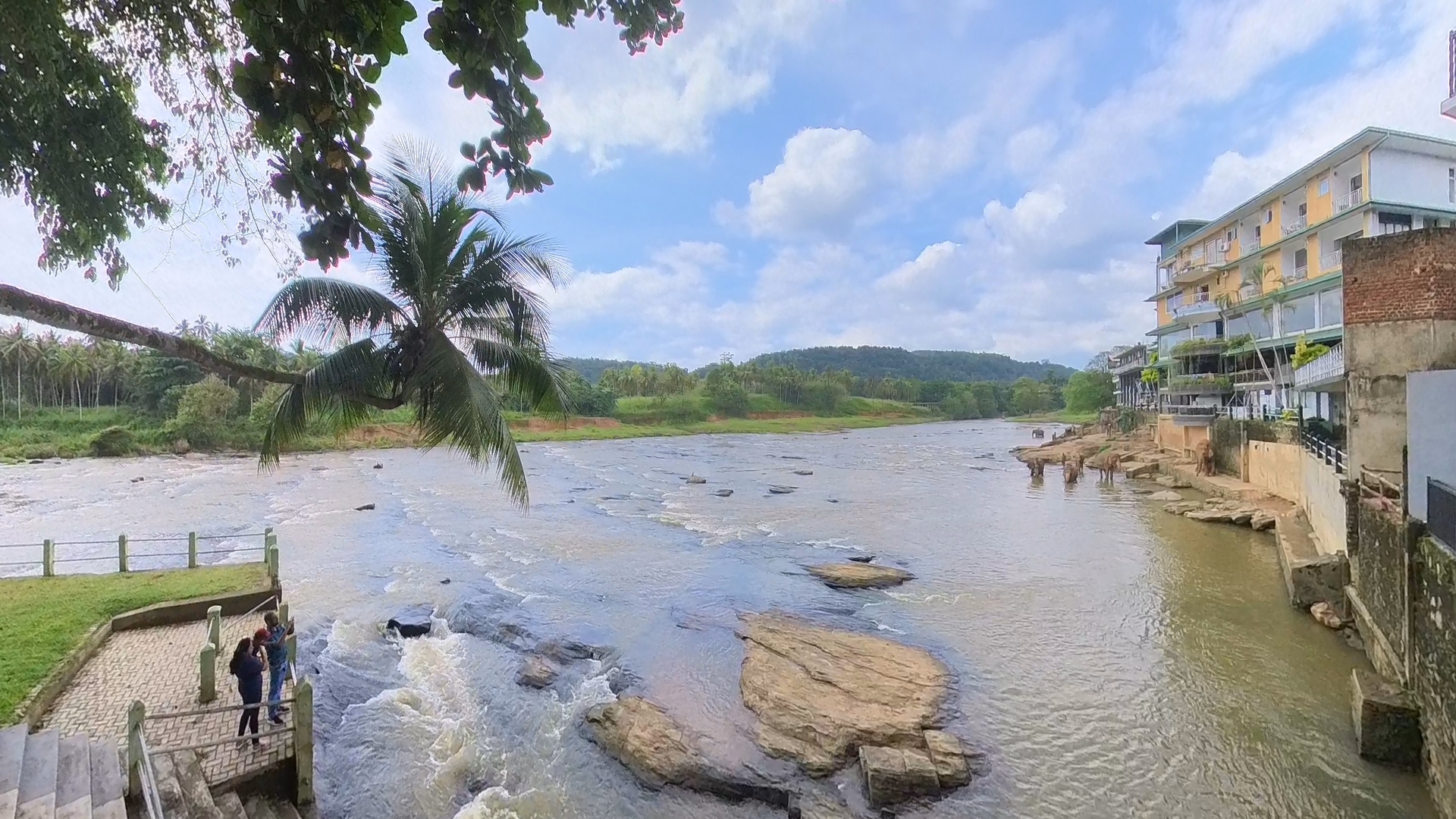
Route at a glance
- Days 1–2: Negombo and arrival
- Days 3–7: Cultural Triangle — Sigiriya, Dambulla, Polonnaruwa, Anuradhapura, and elephant country
- Days 8–10: Kandy and the central highlands
- Days 11–14: Nuwara Eliya and Ella
- Days 15–16: Yala and the southeast
- Days 17–20: Tangalle, Mirissa, Weligama, and Galle
- Days 21–24: Sinharaja Rainforest, Colombo, and departure
- Optional Days 25–28: East Coast or Northern Sri Lanka extension
Days 1–2: Negombo — ease into island life
Begin near the airport in Negombo rather than rushing straight into the itinerary. It is a practical first stop, but it also offers a gentle introduction to Sri Lankan life: fishing boats, lagoon views, beach walks, and excellent seafood.
On your first afternoon, rest by the beach or walk along the Dutch Canal. The next morning, visit the fish market early, when the catch is being landed and sorted. It is lively, messy, and completely local.
Use the second day for an easy food-focused introduction. Try hoppers for breakfast, rice and curry for lunch, and fresh grilled fish in the evening. Sri Lankan meals are often built around several small, flavour-packed dishes: dhal, coconut sambol, vegetables, pickles, curries, and rice.
Days 3–7: The Cultural Triangle — ancient cities, villages, and elephants
The Cultural Triangle deserves five nights, not one hurried overnight stop. Use Sigiriya or Habarana as your base; both are well placed for day trips.
Day 3: Travel to Sigiriya
Travel inland after breakfast. Once you arrive, let the day stay simple: check into a nature-focused lodge, spend time by the pool, or take a gentle village walk.
At sunset, climb Pidurangala Rock. The hike is a little rough in places, but the reward is a sweeping view of Sigiriya Rock rising from the forest and farmland below.
Day 4: Sigiriya and Dambulla
Start before sunrise for Sigiriya Rock Fortress. The fifth-century rock citadel combines a dramatic climb with frescoes, ancient gardens, water features, and immense views over the plains.
After a relaxed lunch, visit Dambulla Cave Temple. Its cave shrines are filled with Buddha statues and richly painted walls. Dress modestly and bring socks if you prefer not to walk barefoot over the warm stone paths.
Keep the evening free. A slow dinner, an early night, and the sounds of the countryside are part of the experience.
Day 5: Polonnaruwa and an elephant safari
Spend the morning in Polonnaruwa, a former medieval capital with palaces, temples, ponds, and beautifully preserved stone carvings. Hire bicycles or a guide so you can move easily through the archaeological park.
Do not miss Gal Vihara, where several large Buddha figures have been carved directly into granite.
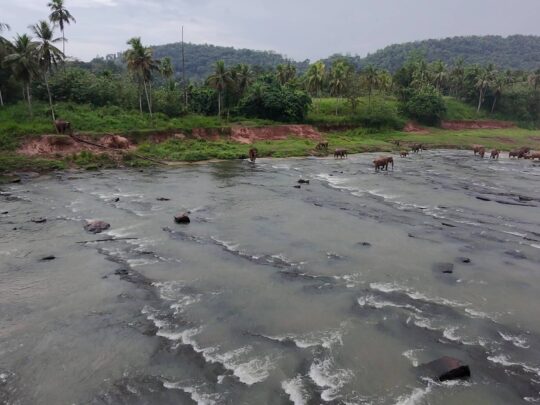
In the late afternoon, go on safari in Minneriya, Kaudulla, or Eco Park. The region is known for elephant sightings, especially around water sources. The goal should not be simply collecting photographs; take time to watch how the herd moves, feeds, and interacts.
Day 6: Anuradhapura and Mihintale
Anuradhapura feels less like a conventional archaeological site and more like an ancient sacred landscape. Its enormous stupas, monasteries, pools, and pilgrimage paths can easily fill a day.
Wear light clothing, carry water, and take the day slowly. The scale of the city is part of its power.
End at Mihintale, a hilltop pilgrimage site with far-reaching views. The climb is steep, but sunset over the plains is a fitting conclusion to a day immersed in Sri Lanka’s Buddhist heritage.
Day 7: A slower local day
Do not schedule another major ruin today. Instead, choose an experience that makes the region feel personal.
- Join a village cooking class and learn to make dhal, coconut sambol, and several curries.
- Take a guided walk through paddy fields and small farming communities.
- Book an Ayurvedic treatment or a restorative afternoon at your hotel.
- Return to a favourite site at a quieter time of day.

Days 8–10: Kandy — temples, gardens, and local culture
Travel south to Kandy, a lakeside city surrounded by hills. It is busier than the Cultural Triangle, but spending three nights here gives you time to see beyond the main temple.
Day 8: Arrival and Kandy Lake
Arrive in time for a walk around Kandy Lake. In the evening, visit the Temple of the Sacred Tooth Relic, one of Sri Lanka’s most important Buddhist pilgrimage sites.
The temple is an active religious place, not simply a historic attraction. Dress respectfully, be patient during busy worship periods, and spend time observing rather than rushing through.
Day 9: Peradeniya and a food-focused afternoon
Visit the Royal Botanical Gardens in Peradeniya. Wander beneath enormous palms, see the orchid collections, and spend time along the river.
In the afternoon, explore Kandy’s markets, cafés, and small shops. If you enjoy food, take a cooking class or arrange a home meal with a local host. Kandy is a good place to understand how varied Sri Lankan cooking can be beyond restaurant menus.
Day 10: Temple trails and hill-country transition
Use this day for a quieter side of Kandy. Visit a smaller temple, take a walk into the surrounding hills, or enjoy the view from your accommodation.
If you prefer a more active day, take a guided hike in the Knuckles Mountain foothills. The region is known for forest, tea country, and rural village scenery.
Sri Lankan Food to Try
Sri Lankan food is built around rice, coconut, and spice, shaped by its position at one of the Indian Ocean's busiest trading crossroads. It favors bold, layered flavor over subtlety, with sour, spicy, sweet, and savory often sitting in the same meal rather than staying in their own lane. Most of it comes from home kitchens and roadside stalls rather than formal technique, built to be eaten fresh, often with your hands, and usually shared.
Sri Lankan food carries its history openly. The Portuguese arrived in 1505 and brought chili peppers, now essential to Sri Lankan curries, along with salted codfish and layered cakes that evolved into local sweets like bibikkan. The Dutch took over in the 17th century and left behind lamprais and the pickling tradition that became achcharu. The British, who ruled from 1815 to 1948, planted the tea estates that still define the hill country and introduced bread, puddings, and roast dishes still eaten today.
Beyond the colonial layers, the food shares real ground with its neighbors. Curry leaves, mustard seeds, and coconut connect it to South Indian cooking. Fried rice and stir-fried dishes trace back to Chinese traders. Lemongrass and pandan hint at Southeast Asia.


Days 11–12: Nuwara Eliya — tea country at an unhurried pace
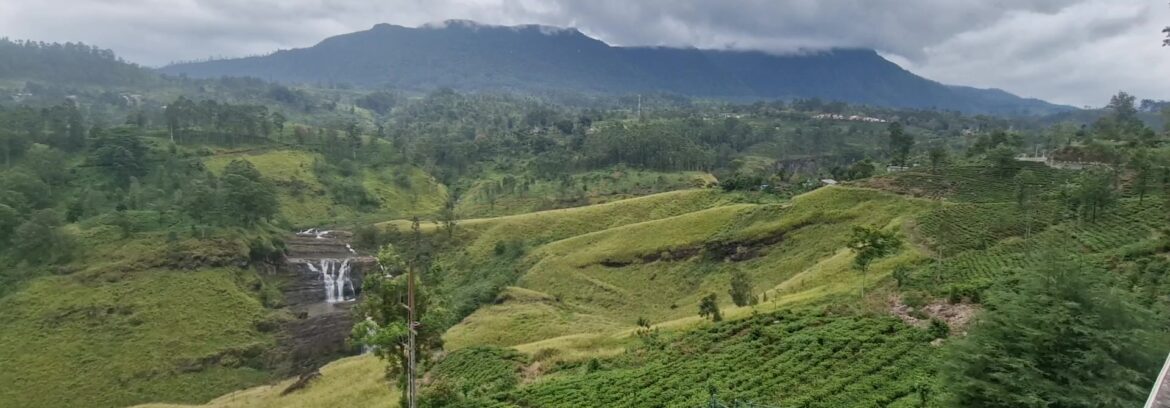
Travel from Kandy into the central highlands. The road climbs through valleys, waterfalls, and tea estates, so leave room for photo stops and a tea-factory visit.
Nuwara Eliya has cooler air, old colonial-era buildings, gardens, and a nostalgic atmosphere. It is an ideal place to slow down.
On your first day, visit a tea estate and learn how Ceylon tea is picked, processed, and graded. Spend the afternoon walking around Gregory Lake or relaxing at a heritage-style hotel.
On the second morning, hike in Horton Plains National Park. The route passes through cloud forest and grassland before reaching the dramatic viewpoint known as World’s End. Start early, as weather can close in later in the day.
Days 13–14: Ella — trains, viewpoints, and slow mountain days
Take the train from Nanu Oya to Ella. This is one of Sri Lanka’s most celebrated journeys, and it is worth treating as an experience rather than transport.
Book ahead if possible, but do not worry too much about finding the perfect seat. The train moves through tea fields, villages, tunnels, bridges, and misty valleys; every section has something to see.
Spend your first afternoon in Ella doing very little beyond enjoying the view.
On the second day, visit Nine Arch Bridge early, then hike Little Adam’s Peak for an easier hill-country walk. More experienced hikers can tackle Ella Rock, which takes longer but offers wider views.
Days 15–16: Yala and the southeast — wildlife without rushing
Travel from Ella toward Yala National Park. The landscape changes quickly from green tea hills to dry lowlands, scrub forest, and open plains.
Book two nights near Tissamaharama, Kataragama, or Yala rather than attempting a safari immediately after a long drive.
On Day 16, take an early-morning safari. Yala is known for leopards, elephants, crocodiles, deer, monkeys, peacocks, and birdlife. A leopard sighting is never certain, so let the full safari landscape be the experience.
Spend the afternoon resting. A safari start can be very early, and this is a good moment to enjoy the hotel pool, read, or take a sunset walk near Tissa Lake.
Days 17–18: Tangalle — the quiet south coast
From Yala, travel west to Tangalle. This part of the coast feels slower and less built-up than some of Sri Lanka’s more popular beach towns.
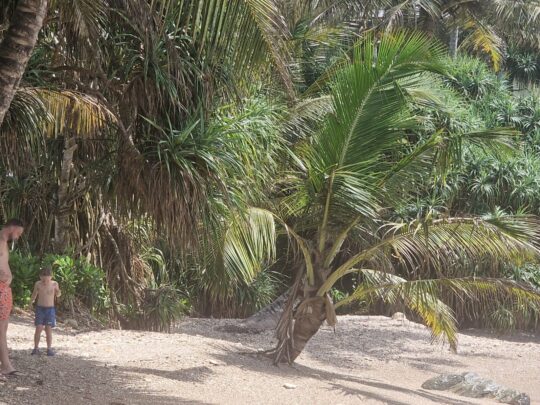
Spend two nights here with no fixed agenda. Walk on quiet beaches, visit a small local restaurant, or book a simple beachfront stay. If conditions are suitable, swimming and snorkelling can be lovely; always follow local advice about currents.
Days 19–20: Mirissa or Weligama — beach life and surf culture
Move west to Mirissa or Weligama for a different side of the south coast.
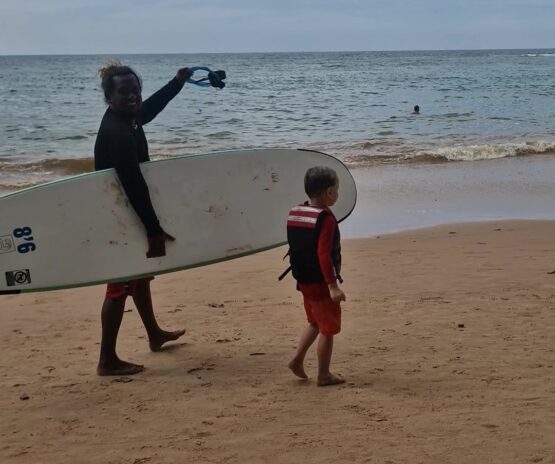
Mirissa is ideal for beach cafés, sunsets, and a lively but relaxed atmosphere. Weligama is especially good for beginner surf lessons, with a broad bay and plenty of instructors.
Spend one day learning to surf or taking a boat trip if conditions and season are appropriate. Spend the second day slower: cafés, massages, a beach read, and a long seafood dinner.
Choose wildlife operators carefully and never support tours that chase, crowd, or disturb marine animals.
Day 21: Galle Fort — history, design, and sunset ramparts
Travel to Galle Fort for the day or stay overnight within the walls. This historic quarter is best explored on foot: narrow streets, courtyards, cafés, galleries, boutique hotels, and the sea visible beyond the ramparts.
Walk the fort walls in late afternoon, when the light is softer and locals gather to watch the sunset. Galle’s Dutch-era fortifications and living streets make it one of Sri Lanka’s most distinctive heritage areas. Sri Lanka Tourism
Days 22–24: Sinharaja Rainforest and Colombo
If you have more than three weeks, add Sinharaja Forest Reserve before returning to Colombo. This rainforest extension offers a completely different landscape from Yala and the coast: dense greenery, rivers, birds, insects, and guided forest walks.
Spend two nights near the reserve. Take a guided morning walk, listen for birds, and expect humid, muddy conditions. This is a place for patience, not a fast sightseeing checklist.
Optional Days 25–28: Choose one deeper regional extension
If you have a full four weeks, choose one of these extensions rather than trying to do both.
Option A: East Coast — Arugam Bay and a slower beach escape
From Ella, travel east before continuing to Yala. Spend three or four nights in Arugam Bay, a relaxed beach town known for surfing, lagoon scenery, and a slower rhythm.
This extension works especially well for travellers who want more beach time and a less developed coastal atmosphere.
Option B: Northern Sri Lanka — Jaffna and island culture
From the Cultural Triangle, travel north to Jaffna for three or four nights. The north has a distinct Tamil culture, different food traditions, Hindu temples, palmyra landscapes, and a quieter pace than the southern tourist route.
Explore Jaffna town, visit Nallur Kandaswamy Temple, sample northern dishes such as crab curry, and consider a day trip to one of the nearby islands.
This is the best extension for travellers interested in culture, history, and seeing a side of Sri Lanka that many shorter itineraries miss.
Slow-travel tips for Sri Lanka
The best way to travel this route is to choose fewer bases and stay longer in each. A private driver is the most efficient option for road journeys, while the Nanu Oya–Ella train should be treated as a memorable part of the trip.
Keep at least one afternoon free in each region. Sri Lanka’s distances can look short on a map, but mountain roads, traffic, rain, and unexpected stops can make journeys longer than planned.
- At temples, cover shoulders and knees, remove shoes where required, and avoid posing with your back to Buddha statues. Carry cash for local purchases and always approach wildlife encounters responsibly.
Three weeks in Sri Lanka is not about seeing everything. It is about having enough time to understand the contrast between regions: ancient cities in the dry north, cool tea hills in the centre, wildlife in the southeast, and easy beach life in the south.
Slow down in the Cultural Triangle. Give the Hill Country more than one rushed night. Stay long enough by the sea to have a favourite breakfast spot and a beach you return to twice.
That is when Sri Lanka stops feeling like an itinerary and starts feeling like a journey.
FAQ
Is three weeks too long for Sri Lanka?
No. Three weeks is an excellent amount of time for Sri Lanka. It lets you slow down, spend more time in the Cultural Triangle and Hill Country, enjoy wildlife responsibly, and relax properly on the coast.
What can I do in Sri Lanka for three weeks?
A three-week trip can include Negombo, Sigiriya, Dambulla, Polonnaruwa, Anuradhapura, Kandy, Nuwara Eliya, Ella, Yala, Tangalle, Mirissa or Weligama, Galle, and Colombo.
What should I add if I have four weeks in Sri Lanka?
For a four-week trip, add either the East Coast—such as Arugam Bay—or Northern Sri Lanka, including Jaffna. You can also add Sinharaja Rainforest for guided nature walks and a different side of the island.
Is Sri Lanka good for slow travel?
Yes. Sri Lanka is especially rewarding for slow travel because each region has a distinct character. Longer stays make it easier to experience local food, markets, temples, train travel, wildlife, and beach life without constantly packing and moving.
How long should I stay in the Cultural Triangle?
Stay four to five nights if you have three weeks or more. This gives you enough time for Sigiriya, Dambulla, Polonnaruwa, Anuradhapura or Mihintale, an elephant safari, and a relaxed village or food experience.
How long should I stay on Sri Lanka’s south coast?
For a three-week trip, allow at least four to five nights across Tangalle, Mirissa, Weligama, or Galle. This gives you time to enjoy the beaches, try surfing, explore Galle Fort, and have genuine downtime.