
Set the Tone for Worldly Tastes in Every Kitchen
Streetfood in Sri Lanka
What Sri Lankans Actually Eat Every Day
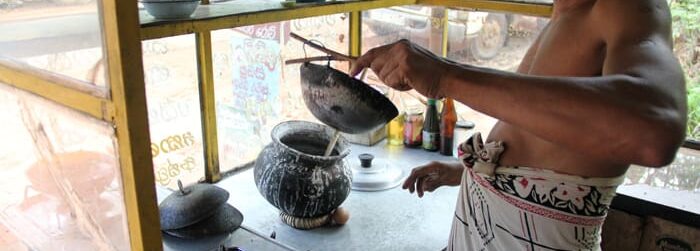
Sri Lankan street food centers on a handful of dishes you'll find everywhere on the island: kottu roti, lamprais, pol sambol, and achcharu. Each one does a different job on the table, from the loud, griddle-fried main event to the small sharp side dish that cuts through everything else.
At Tone & Taste, these were some of the dishes we kept coming back to during our time in Sri Lanka, the ones sold from roadside stalls, night markets, and family-run kitchens rather than formal restaurants. This guide covers what each one actually is and why it holds the place it does in Sri Lankan food culture.
Kottu Roti
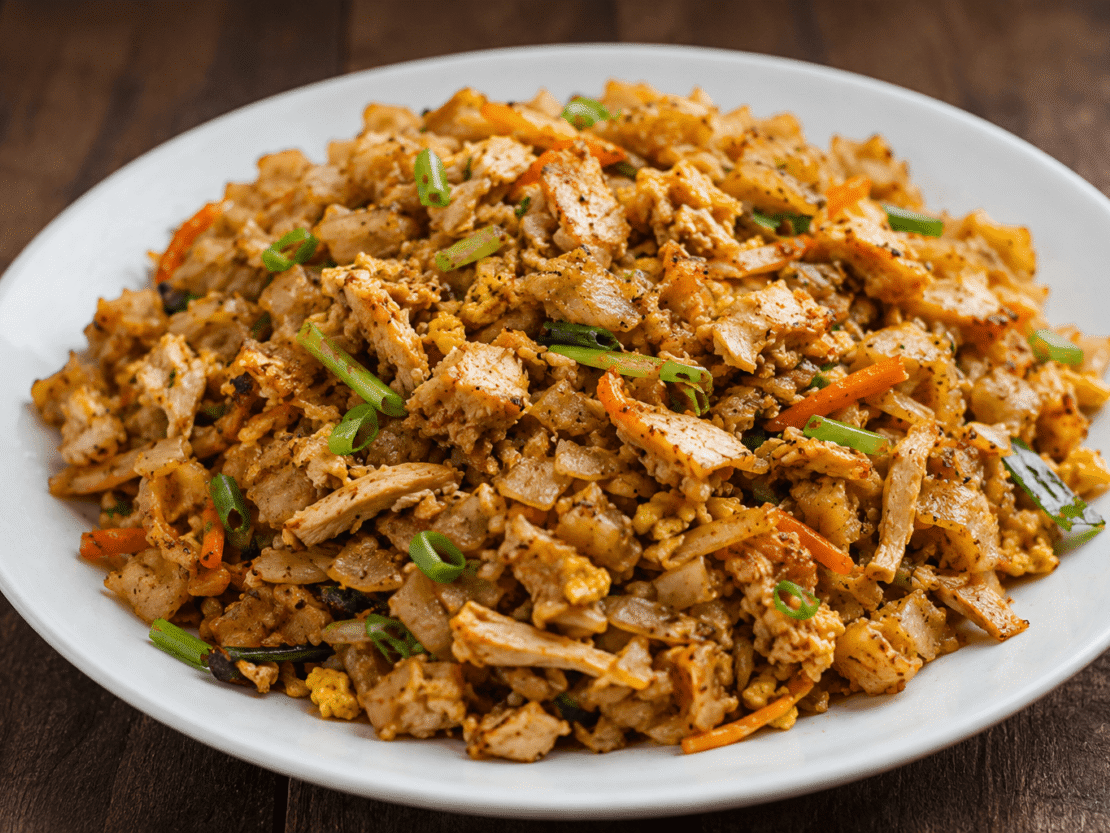
Kottu roti is Sri Lanka's most recognizable street food, and it's as much a sound as it is a dish. Vendors chop leftover roti into ribbons directly on a large iron griddle, using two metal blades in each hand, working through vegetables, egg, and meat or seafood at the same time. The rhythmic chopping is loud, fast, and unmistakable, and it's become as much a part of the experience as the food itself.
The result is somewhere between a stir-fry and fried rice, but made with chopped flatbread instead of rice or noodles. It's usually cooked to order, seasoned with curry powder and chili, and served hot straight off the griddle. Because it's built from day-old roti, kottu is also a practical dish, a way to use bread that's gone slightly stale rather than let it go to waste.
Our full kottu roti recipe covers the technique for getting the roti chopped fine enough without turning it to mush, which is the main thing that separates a good kottu from a mediocre one.
Lamprais
Lamprais is a different kind of dish entirely: a Dutch Burgher specialty built from rice cooked in stock, a meat curry, eggplant moju, and frikkadels (Dutch-style meatballs), all wrapped together in a banana leaf and baked. The name comes from the Dutch "lomprijst," and the dish reflects the Dutch Burgher community's long presence in Sri Lanka, blending European technique with island ingredients.
What makes lamprais distinct is the baking step. Wrapping the components in banana leaf before baking lets the rice absorb the flavors of the curry and meatballs around it, so by the time it's unwrapped, everything has merged into a single, cohesive dish rather than separate sides on a plate. It's more involved than most everyday Sri Lankan cooking, which is part of why it's treated as a specialty rather than a daily staple.
The full method, including how to build and wrap the parcels, is in our lamprais recipe.

Pol Sambol
Pol sambol shows up on nearly every Sri Lankan table, alongside rice and curry, hoppers, string hoppers, and roti alike. It's a relish made from freshly grated coconut, red chili powder, lime juice, salt, and often Maldive fish flakes for depth, all pounded or mixed together into a coarse, spicy paste.
Its job is to add heat and acidity to dishes that are otherwise fairly mild, which is most of Sri Lanka's staple foods. A spoonful of pol sambol next to a bowl of dhal curry or a stack of string hoppers changes the whole plate, and it's one of the easiest ways to bring real Sri Lankan flavor into a home kitchen without needing anything hard to find.
Full ratios and technique are in our pol sambol recipe.

Achcharu
Achcharu is Sri Lanka's answer to pickle: a mix of fruits or vegetables, often green mango, pineapple, or onion, combined with vinegar, chili, and mustard seeds into a sharp, spicy-sour condiment. It's sold from jars at roadside stalls and markets across the island, usually in small portions meant to be eaten in a few bites rather than as a side dish in its own right.
Like pol sambol, achcharu's role is to cut through richer, milder food. The vinegar and chili combination gives it a sharper, more acidic bite than sambol, which makes it a common street snack on its own, not just a condiment. We haven't put together a dedicated achcharu recipe yet, but it's on the list given how often it turned up during our trip.
Why These Dishes Matter
Kottu roti, lamprais, pol sambol, and achcharu each represent a different layer of Sri Lankan food culture: kottu as the practical, no-waste street food; lamprais as the colonial-era specialty that takes real effort; pol sambol as the everyday condiment that ties a meal together; and achcharu as the sharp, portable snack sold on every corner.
If you're new to Sri Lankan cooking, start with pol sambol since it's the fastest way to understand the flavor profile the rest of the cuisine is built around, then work toward kottu roti once you've got a feel for the spicing. For the full picture of how these specialties fit alongside Sri Lanka's everyday staples, our guide to Sri Lankan staple foods covers rice and curry, hoppers, string hoppers, and more, and our Sri Lanka travel and food guide has the rest of the country's food story.