

Sri Lankan Food Sides & Sauces
Pol Sambol – Sri Lankan Coconut Sambol Recipe
Fresh Sri Lankan Coconut Relish with Chili, Lime & Aromatic Spice.
Serves
4
Calories
185 kcal
Cuisine
Sri Lankan

On this page: What is it · History · What you need · Step by step · Serving & storage · Recipe card
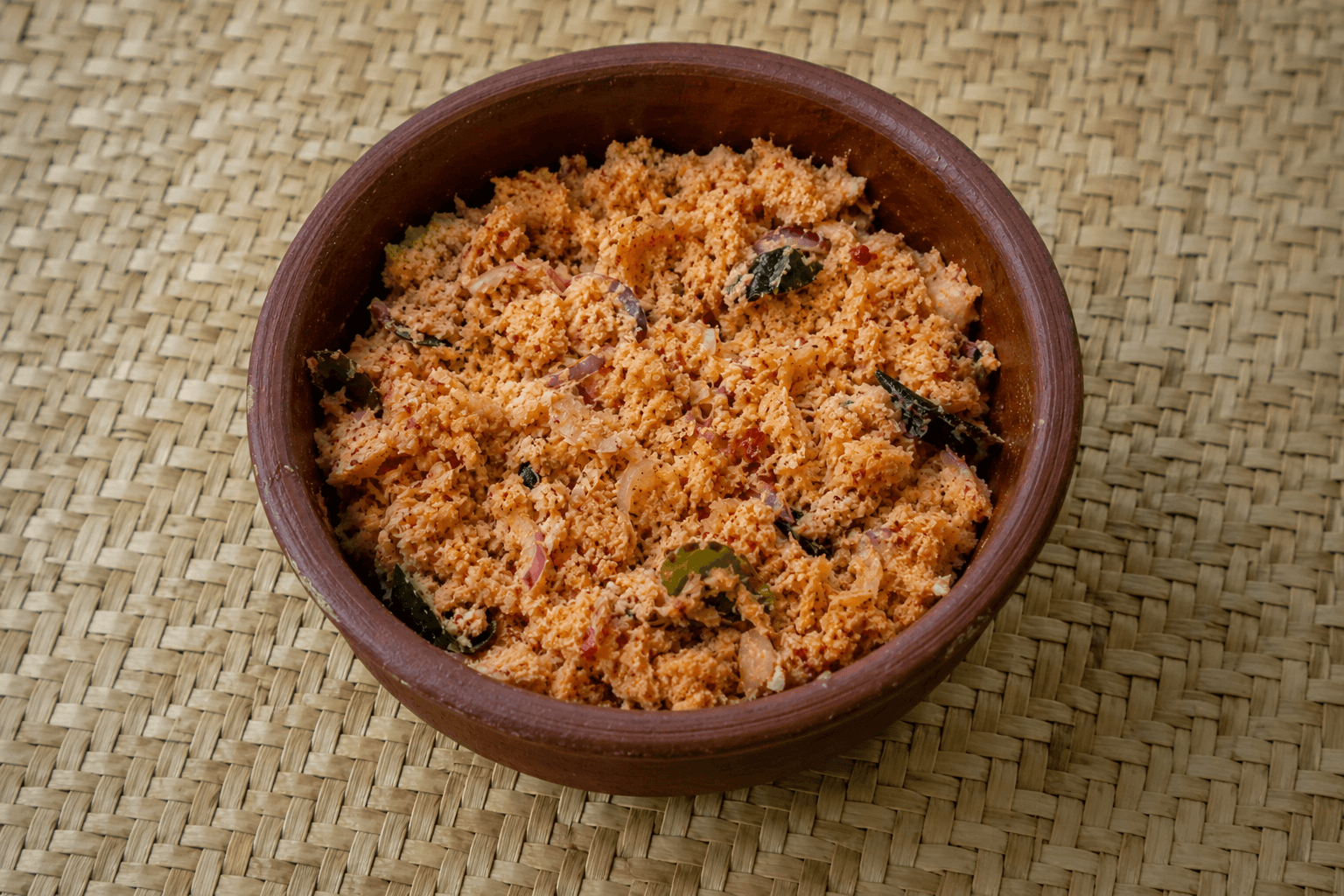
Fresh, vibrant, spicy, and packed with texture, coconut sambol is one of the simplest yet most iconic side dishes from Sri Lankan cuisine. Made with freshly grated coconut, chili, onion, lime, and sometimes Maldive fish flakes, it delivers a balance of heat, freshness, saltiness, and acidity that instantly lifts almost any meal.
What makes coconut sambol special is how quickly it comes together while still tasting bold and layered. It works equally well next to rice dishes, curries, grilled fish, roti, or even as a topping inside wraps and sandwiches. Despite the minimal ingredients, the flavor is intense and unmistakably tropical.
What Is It?
Coconut sambol, also known as pol sambol in Sri Lanka, is a traditional coconut relish or condiment commonly served alongside everyday meals. Unlike cooked chutneys or sauces, this dish is usually made fresh and uncooked, keeping the coconut light, fragrant, and naturally sweet.
The texture is coarse rather than smooth. Fresh coconut is mixed with a spicy chili-onion paste, then seasoned with lime juice and salt to create a bright and punchy side dish. Maldive fish flakes are sometimes added for a savory umami depth, though vegetarian versions are extremely common as well.
The result is a fresh sambol that is spicy, slightly creamy, citrusy, and deeply aromatic.
A Little History
Coconut sambol has deep roots in Sri Lankan food culture, where coconut is one of the most essential ingredients in everyday cooking. Across the island, coconut appears in curries, desserts, breads, sambols, and drinks, making it a foundational ingredient rather than just a garnish.
Traditionally, sambols were prepared using a miris gala — a stone grinding slab used to crush chili, onion, and spices into coarse pastes. The preparation was simple, fast, and designed to accompany rice-based meals eaten daily.
Maldive fish flakes, made from cured and dried tuna, became a traditional addition because they added saltiness and richness while preserving well in tropical climates. Over time, coconut sambol evolved into many regional variations, some including tomato, green chili, or extra lime depending on local preference.
Today, coconut sambol remains one of Sri Lanka’s most recognizable side dishes and is commonly served from home kitchens to street food stalls and restaurants around the world.
At a glance
Serves
4
Calories
185 kcal
Protein
1.9 g
Course
Side Dish
Why it works
01 Ready in minutes, no cooking
02 Grinding chili and onion first deepens the flavor
03 Lime keeps it fresh and bright
Cooking this later?
Save it to your Pinterest board so it’s there when you need it.
What You Need
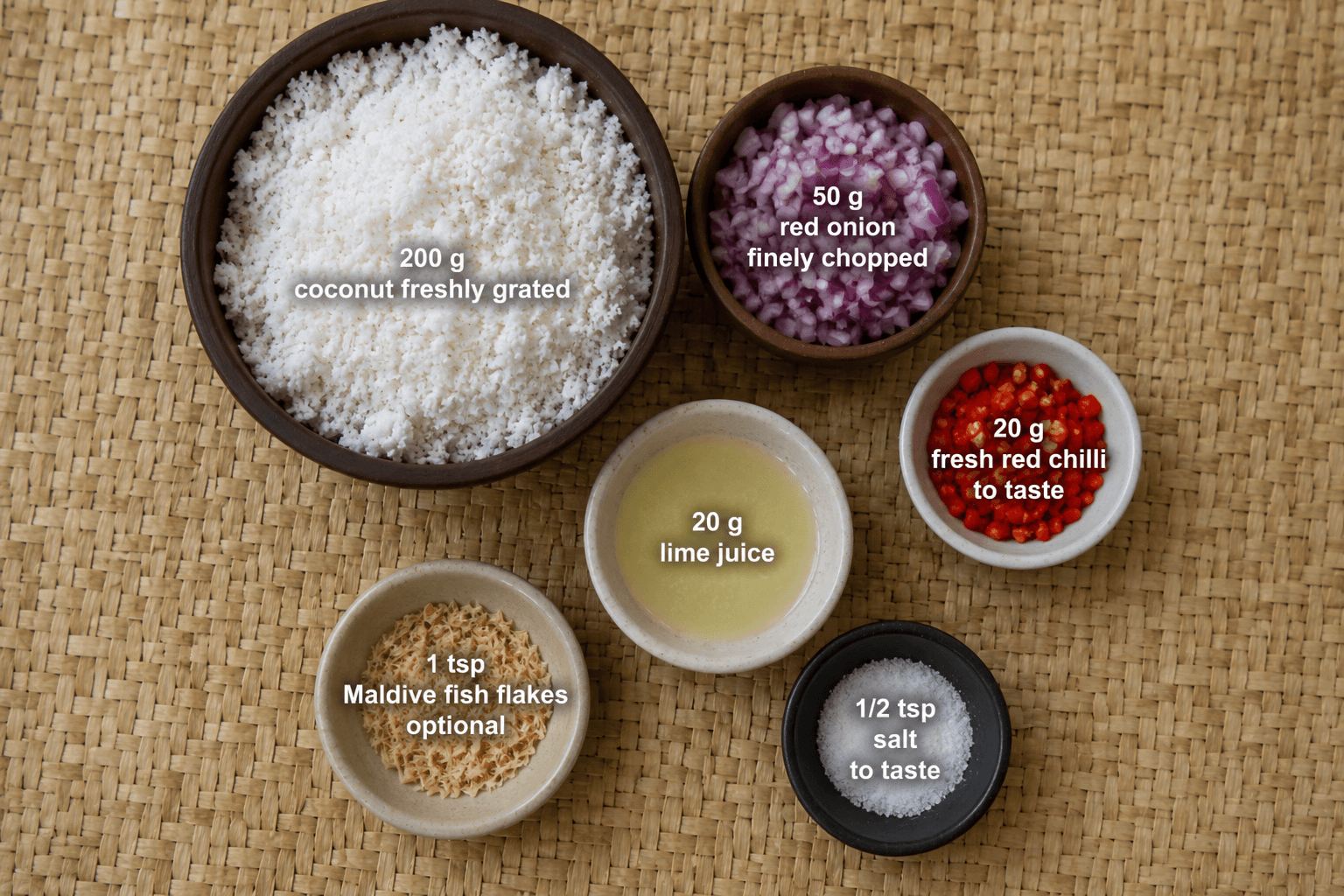
Exact amounts are in the recipe card
Equipment tip: For the coarse chilli and onion paste, a granite mortar and pestle is a handy tool. See the granite mortar and pestle we recommend.
For the Sambol
- fresh coconut, grated
- red onion, finely chopped
- fresh red chili, adjusted to taste
- lime juice
- Maldive fish flakes (optional)
- salt
Step-by-Step Instructions
The key to a good coconut sambol is balance. The coconut should remain fluffy and textured while still absorbing the chili paste and lime juice evenly.
Grinding the chili and onion first helps release their oils and natural juices, creating a stronger and more integrated flavor than simply mixing chopped ingredients directly into the coconut. Traditionally this is done with a mortar and pestle, though a food processor works well for convenience.
The sambol should stay slightly moist rather than wet. Lime juice brightens the coconut and softens the chili heat, while Maldive fish adds a deep savory note that blends naturally into the mixture.
Because the dish is uncooked, freshness matters. It is best prepared shortly before serving.
1. Prepare the coconut
Place the grated coconut into a large mixing bowl.
Tip: Fresh coconut gives the best texture and flavor, though frozen grated coconut can work if properly thawed and squeezed dry beforehand.

2. Grind the chili and onion
Using a mortar and pestle or a food processor, grind the red chili and onion into a coarse paste.
3. Combine
Add the chili-onion paste to the coconut.
Add the salt, lime juice, and Maldive fish flakes if using.

4. Mix
Gently mix everything together using your hands or a spoon until evenly combined and slightly moist.
5. Taste and serve
Taste and adjust the lime juice or salt to your preference.
Serve immediately while fresh.
Serving & Storage
Serving
Coconut sambol is traditionally served with rice, curries, roti, hoppers, grilled fish, dhal, or coconut flatbreads. It also works surprisingly well inside wraps, sandwiches, or alongside fried eggs.
For a classic Sri Lankan meal, serve it with warm rice, lentil curry, and spicy chicken or fish curry.
Storing Leftovers
Because the sambol is fresh and uncooked, it is best eaten the same day. Store leftovers in an airtight container in the refrigerator for up to 24 hours. The lime juice helps preserve freshness slightly, but the coconut will gradually lose texture and brightness over time.
| Coconut sambol | up to 1 day in the fridge |
Before serving leftovers, stir well and add a small squeeze of fresh lime juice to refresh the flavors.
Sri Lankan Coconut Sambol
Ingredients
- 200 g coconut freshly grated
- 50 g red onion finely chopped
- 20 g fresh red chilli to taste
- 20 g lime juice
- 1 tsp Maldive fish flakes optional
- 1/2 tsp salt to taste
- Always use fresh grated coconut for best flavor.
- For a dry sambol, reduce the lime juice slightly.
- This sambol is typically served raw, but can be lightly tempered in oil for a different texture.
🧊 Storage:
Best eaten fresh, but can be stored in an airtight container in the fridge for up to 1 day.
Instructions
- Place grated coconut in a large bowl.
- Using a mortar and pestle or food processor, grind the chili and onion into a coarse paste.
- Add this paste to the coconut.
- Mix in salt, lime juice, and Maldive fish (if using).
- Gently mix everything with your hands or a spoon until well combined and slightly moist.
- Taste and adjust lime and salt to your liking.
- Serve fresh as a side with rice, roti, or hoppers.
Made this sambol?
Rate it with the stars in the recipe card and tell us how it went in the comments: what you swapped, what you added, how spicy you made it.
Products we use
Our kitchen kit for this recipe
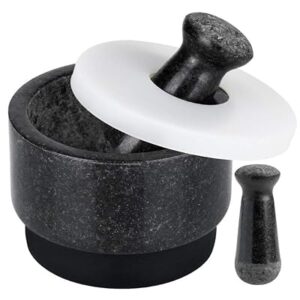
COSYLAND Granite Mortar & Pestle (16 cm)
View in shop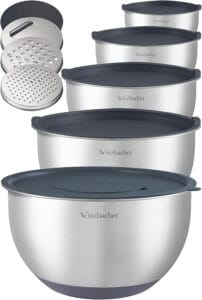
Stainless Steel Bowls
View in shop
Wooden Spoons
View in shop
Idiyappam/Murukku/Farsan Sev/Pasta Maker Machine Brass
View in shopMore to cook
More recipes from our kitchen
Sri Lanka
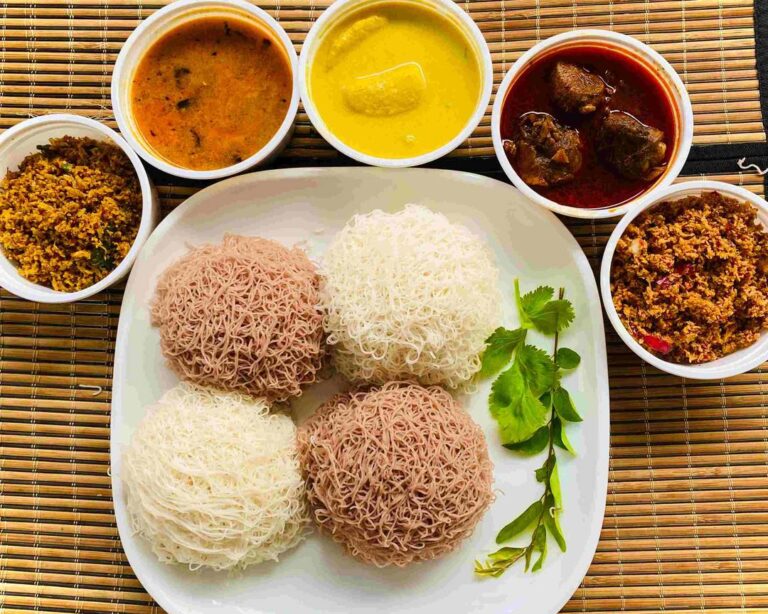
String Hoppers
Sri Lanka
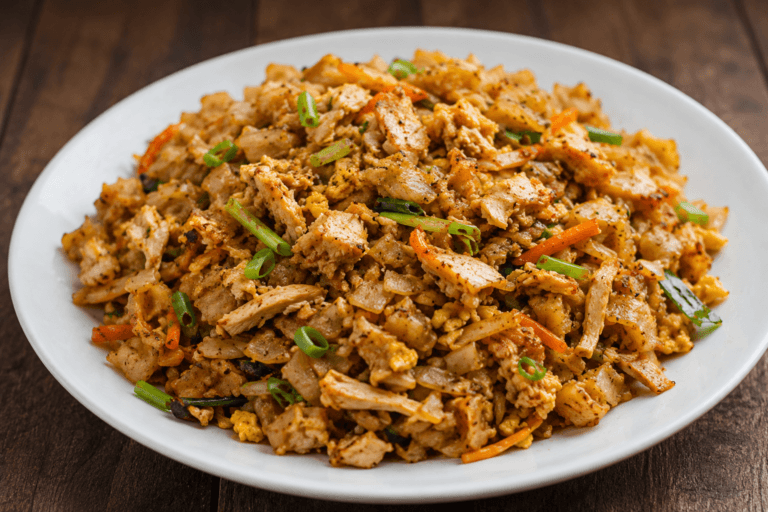
Kottu Roti
Sri Lanka
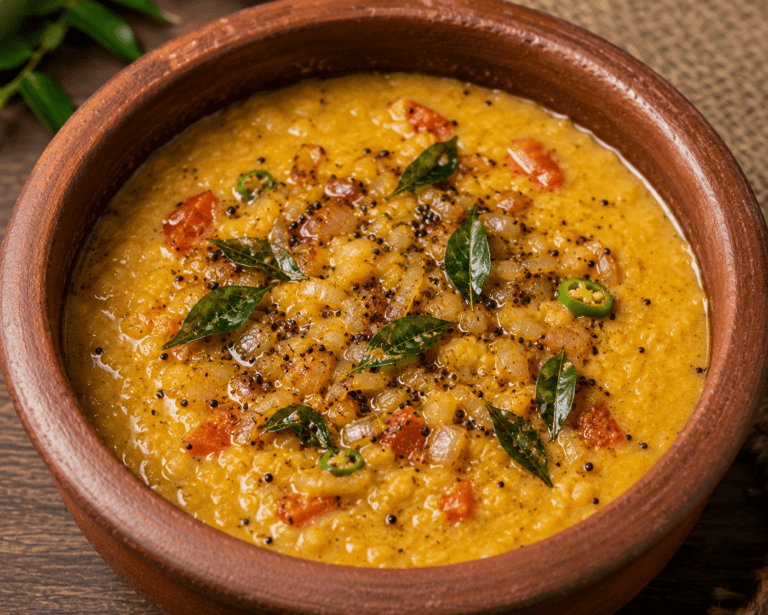
Parippu (Dhal Curry)