Set the Tone for Worldly Tastes in Every Kitchen
Sri Lanka Hoppers (Appam) – Crispy Coconut Pancakes Recipe
Crispy Edges, Soft Coconut Center
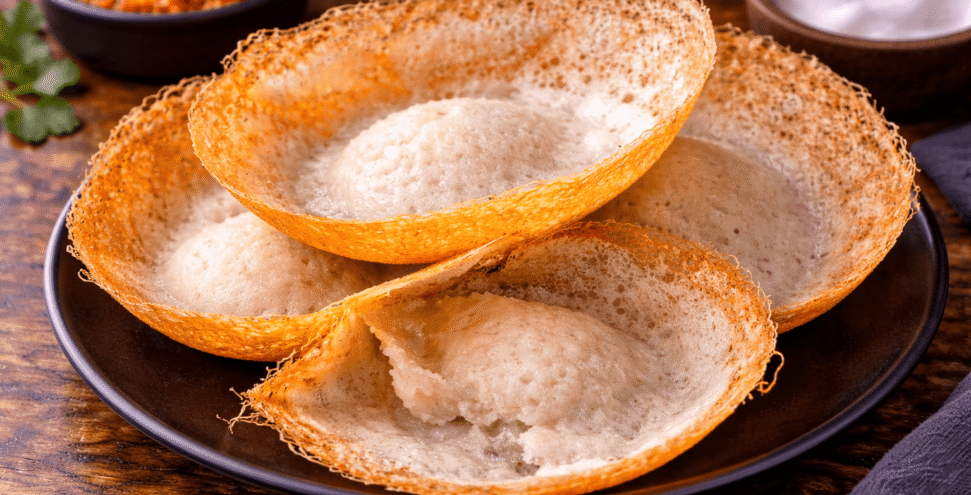
Hoppers, also known as appam, are a staple across South Asia and widely loved within the diaspora for their unique texture and simple ingredients. These bowl-shaped pancakes have lacy, crispy edges with a soft, slightly spongy center enriched with coconut milk. They are naturally light, slightly tangy from fermentation, and incredibly versatile. Traditionally enjoyed for breakfast or dinner, hoppers are often paired with curries, sambols, or even a simple fried egg in the center. This version keeps the process approachable while staying true to the classic cooking method.
What Is It?
Hoppers are fermented rice pancakes cooked in a small wok-shaped pan. The batter is made from soaked rice blended with cooked rice, coconut milk, and yeast to create a light, airy texture. When cooked, the batter spreads thinly along the sides of the pan while pooling in the center, creating a signature contrast between crisp and soft.
A Little History
Hoppers, or appam, have their roots in South India and Sri Lanka, where rice and coconut have long been staple ingredients in coastal cooking. The dish is believed to date back centuries, evolving from early fermented rice batters similar to dosa, but adapted with coconut milk to create a softer, richer texture. Through trade routes and migration, hoppers spread across South Asia and into Southeast Asia, with each region developing its own variation. In Sri Lanka, they became a daily comfort food, often cooked fresh in homes and street stalls, and remain a strong part of culinary identity among South Asian communities worldwide.
Our Experience with Egg Hoppers in Sri Lanka
Egg hoppers quickly became part of our daily rhythm in Sri Lanka. Almost every hotel served them at breakfast, and no matter where we stayed, they were always on the table—fresh, warm, and made to order. They felt light enough to start the day, but still satisfying, especially with the added egg, which made them a surprisingly good high-protein option.
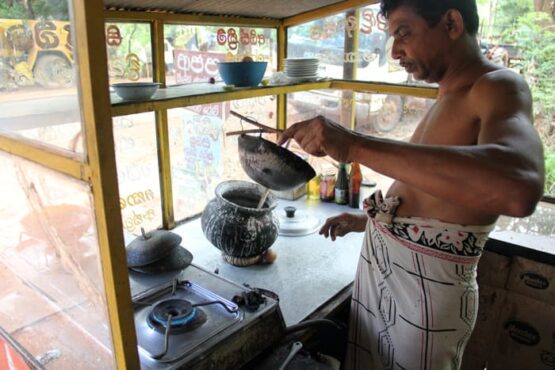
Outside the hotels, they were just as easy to find. Street vendors would be set up early, working over small curved pans, pouring batter and cracking an egg straight into the center in one smooth motion. Watching them cook was part of the experience—the quick swirl of the pan, the lid going on, and a perfectly shaped hopper coming out minutes later.
We often had them plain, but they were just as good with simple fillings or a bit of sambol on the side. What stood out most was how fresh everything felt. Whether it was a quiet breakfast at a hotel or a quick stop at a street stall, egg hoppers were always consistent, simple, and full of flavor without ever feeling heavy.
What You Need
You’ll need raw white rice that has been soaked to soften and blend smoothly, along with a small amount of cooked rice to help create a softer texture. Coconut milk adds richness and flavor, while yeast helps the batter ferment and develop its signature lightness. A touch of sugar supports the fermentation, and salt balances the flavor. Water is used to adjust the consistency to a pourable batter.
For cooking, a small non-stick wok or hopper pan is essential to achieve the classic shape. A lid is needed to steam the center while the edges crisp up, and a little neutral oil ensures the batter doesn’t stick.
The Process
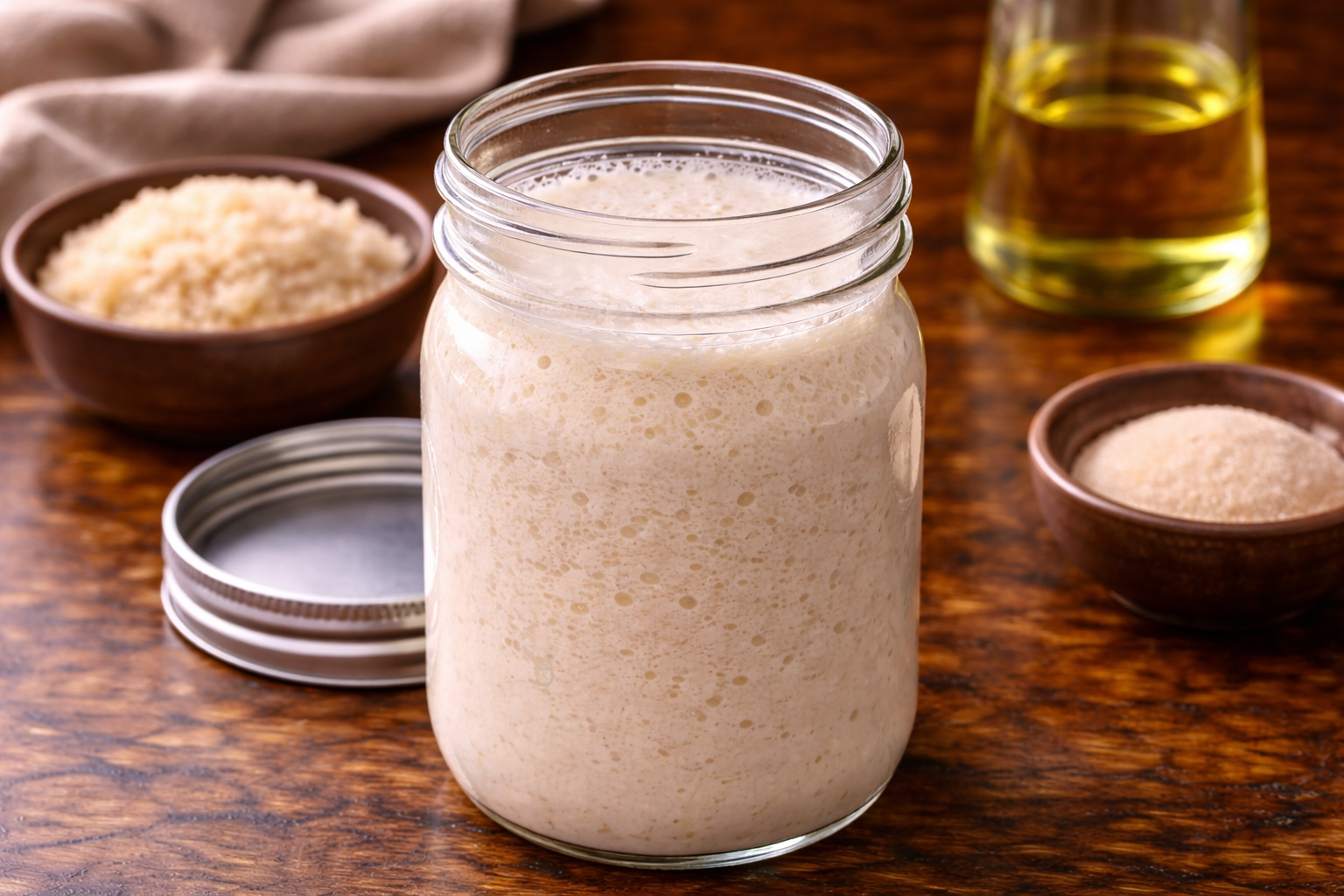
The process starts with soaking the rice, which softens it enough to blend into a smooth batter. Once blended with the cooked rice, yeast, and sugar, the mixture is enriched with coconut milk and left to ferment. This fermentation step is key—it creates a slightly airy batter that gives hoppers their characteristic texture.
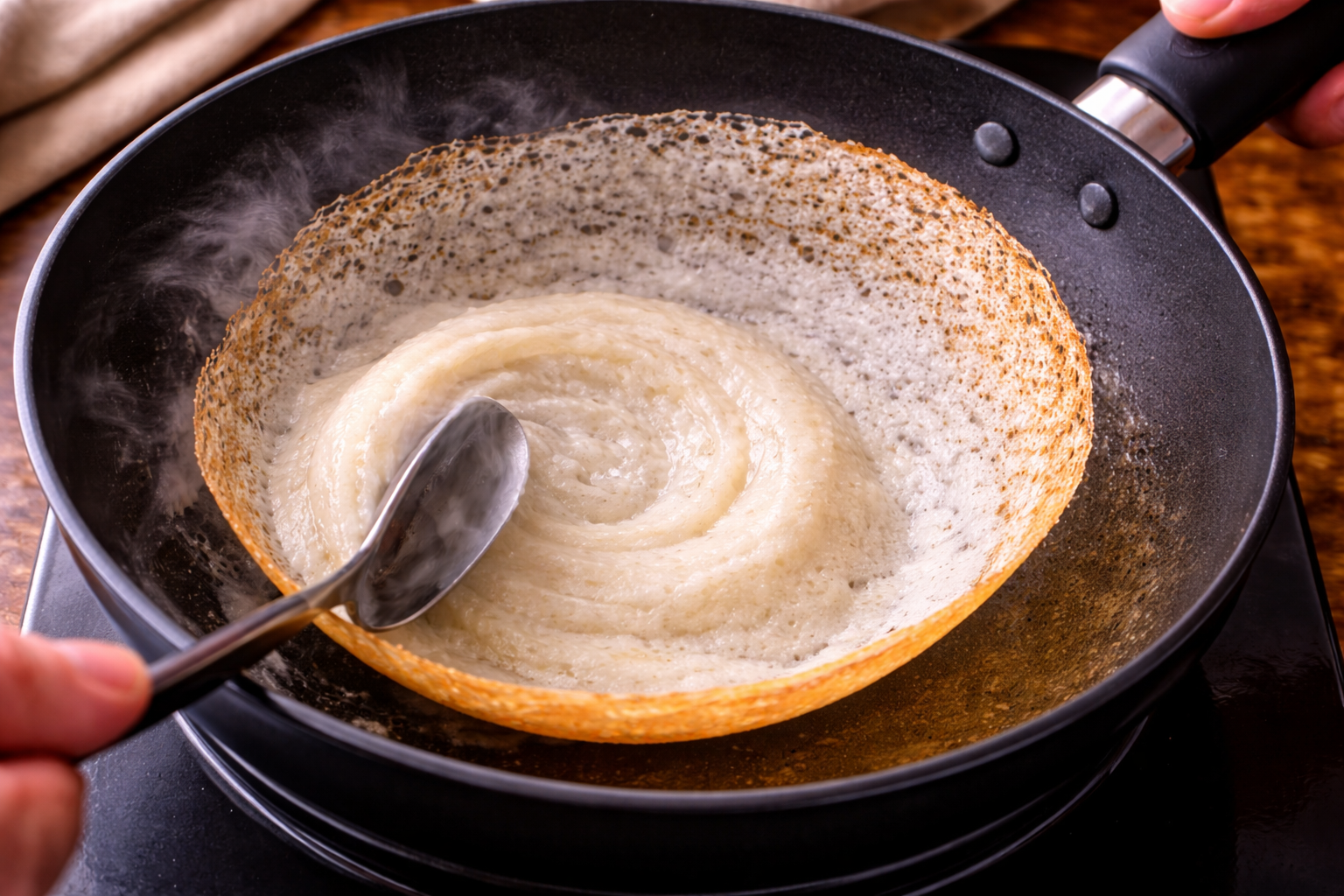
Cooking is quick and technique-driven. The batter is swirled in a hot pan so it coats the sides thinly, forming crisp edges, while the center remains thicker and soft. Covering the pan traps steam, ensuring the middle cooks gently without drying out.
Step-by-Step Instructions
1. Soak the Rice
Rinse the raw rice thoroughly until the water runs clear. Soak it in fresh water for about 4 hours to soften.
2. Blend the Batter
Drain the soaked rice and blend it with the cooked rice, yeast, sugar, and part of the water until completely smooth.
3. Add Coconut Milk
Transfer the batter to a bowl. Stir in the coconut milk and salt until fully combined.
4. Ferment
Cover the bowl and leave it at room temperature for 8–12 hours. The batter should become slightly bubbly and lightly risen.
5. Adjust Consistency
Check the texture. It should be similar to pancake batter—thick but pourable. Add a little more water if needed.
6. Heat the Pan
Place a small non-stick wok or hopper pan over medium heat and lightly grease it with oil.
7. Shape the Hopper
Pour a portion of batter into the pan. Quickly swirl it around to coat the sides thinly while leaving a thicker pool in the center.
8. Cook Covered
Cover with a lid and let it cook for 2–3 minutes. The edges should turn crisp while the center sets softly.
9. Serve Warm
Gently remove from the pan and serve immediately. Repeat with the remaining batter.
Serving
Hoppers are best served warm straight from the pan. They pair well with savory dishes like curries or sambols, but can also be enjoyed simply on their own. The contrast between the crispy edges and soft center makes them satisfying without needing heavy toppings.
Storing
The batter can be stored in the refrigerator for up to 2 days, though the flavor will become slightly more tangy over time. Cooked hoppers are best eaten fresh, as they lose their crispness when stored.
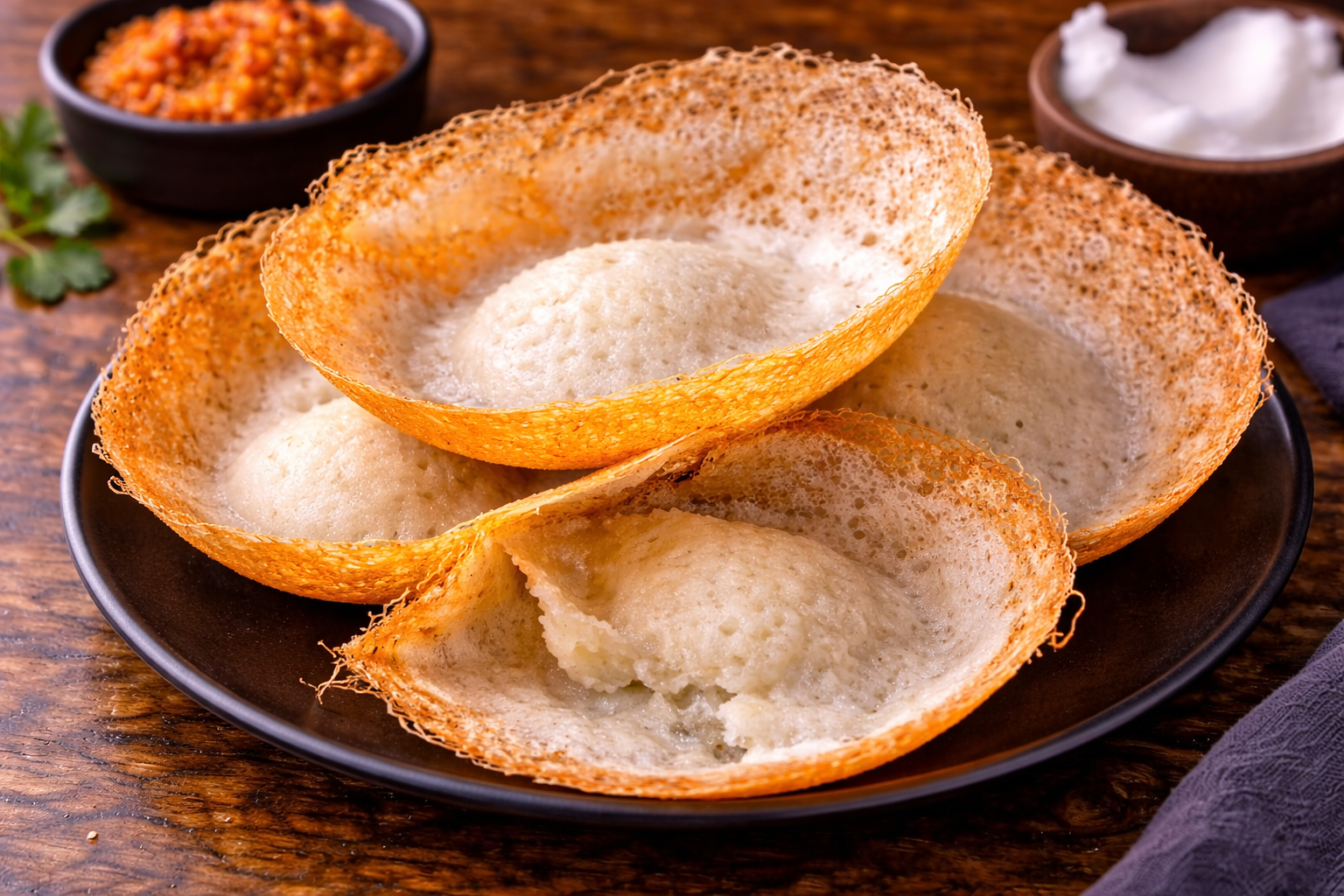
Hoppers
A bowl-shaped pancake made with fermented rice flour and coconut milk.
Share Recipe
Pin
RateServings: 6 hoppers
Calories: 138kcal
Ingredients
- 200 g white rice (soaked)
- 50 g cooked white rice
- 120 ml thick coconut milk
- 1 tsp sugar
- 1/2 tsp instant dry yeast
- 1/4 tsp salt
- 60-80 ml water
- neutral oil for greasing the pan
Instructions
- Rinse the raw rice thoroughly, then soak in water for 4 hours.
- Drain and blend the soaked rice with the cooked rice, yeast, sugar, and 60 ml water until smooth.
- Pour the batter into a large bowl. Add coconut milk and salt. Mix well.
- Cover and ferment at room temperature for 8–12 hours, or overnight, until the batter is bubbly and slightly risen.
- The consistency should be like pancake batter—slightly thick but pourable. Add a bit more water if needed (up to 20 ml).
- Heat a small non-stick wok or hopper pan over medium heat. Lightly grease with oil.
- Pour in about 80 ml (1/3 cup) of batter. Quickly swirl the pan to coat the sides thinly, letting the rest pool in the center.
- Cover with a lid and steam-cook for 2–3 minutes, until the edges are crisp and the center is just set.
- Gently remove and serve warm. Repeat for remaining batter.
Notes
💡 Notes:
🧊 Storage:
- Use warm (not hot) water when blending to help the yeast activate.
- The pan must be well-heated before pouring batter for proper swirling and shape.
- For egg hoppers, crack an egg into the center before covering and cooking.
- Serve with coconut sambol, lunu miris, or Sri Lankan dal curry.
🧊 Storage:
- Best enjoyed fresh.
- Fermented batter can be refrigerated up to 2 days. Let it come to room temperature before use.
Nutrition
Calories: 138kcal | Carbohydrates: 123.2g | Protein: 2.3g | Fat: 3.8g
Product We Use
to make our cooking experience better