Set the Tone for Worldly Tastes in Every Kitchen
Pol Roti (Coconut Roti) – Sri Lankan Flatbread Recipe
Traditional Sri Lankan Coconut Flatbread with Crispy Golden Edges
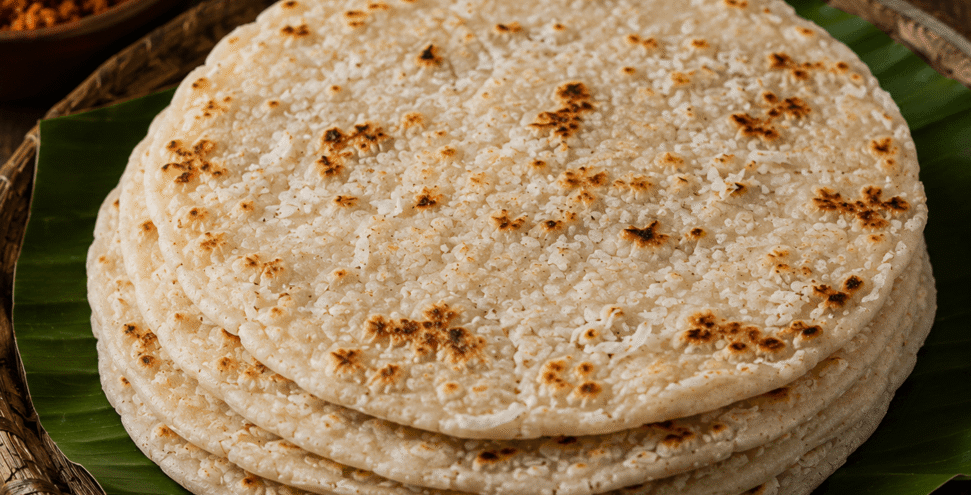
Table of Contents
Coconut roti is one of the most comforting and recognizable flatbreads in Sri Lankan home cooking. Made with flour, grated coconut, warm water, and salt, these rustic pan-cooked rotis are soft on the inside with golden crispy spots on the outside.
The addition of coconut gives the roti extra texture, subtle sweetness, and a rich aroma that pairs perfectly with spicy curries, sambols, and dhal. Simple ingredients come together to create a flatbread that feels hearty, satisfying, and deeply connected to everyday Sri Lankan meals.
Whether eaten for breakfast, lunch, or dinner, coconut roti is a staple that turns simple curries into a complete meal.
What Is It?
Coconut roti is a Sri Lankan flatbread traditionally made by combining flour with freshly grated or desiccated coconut before cooking it on a hot pan or skillet.
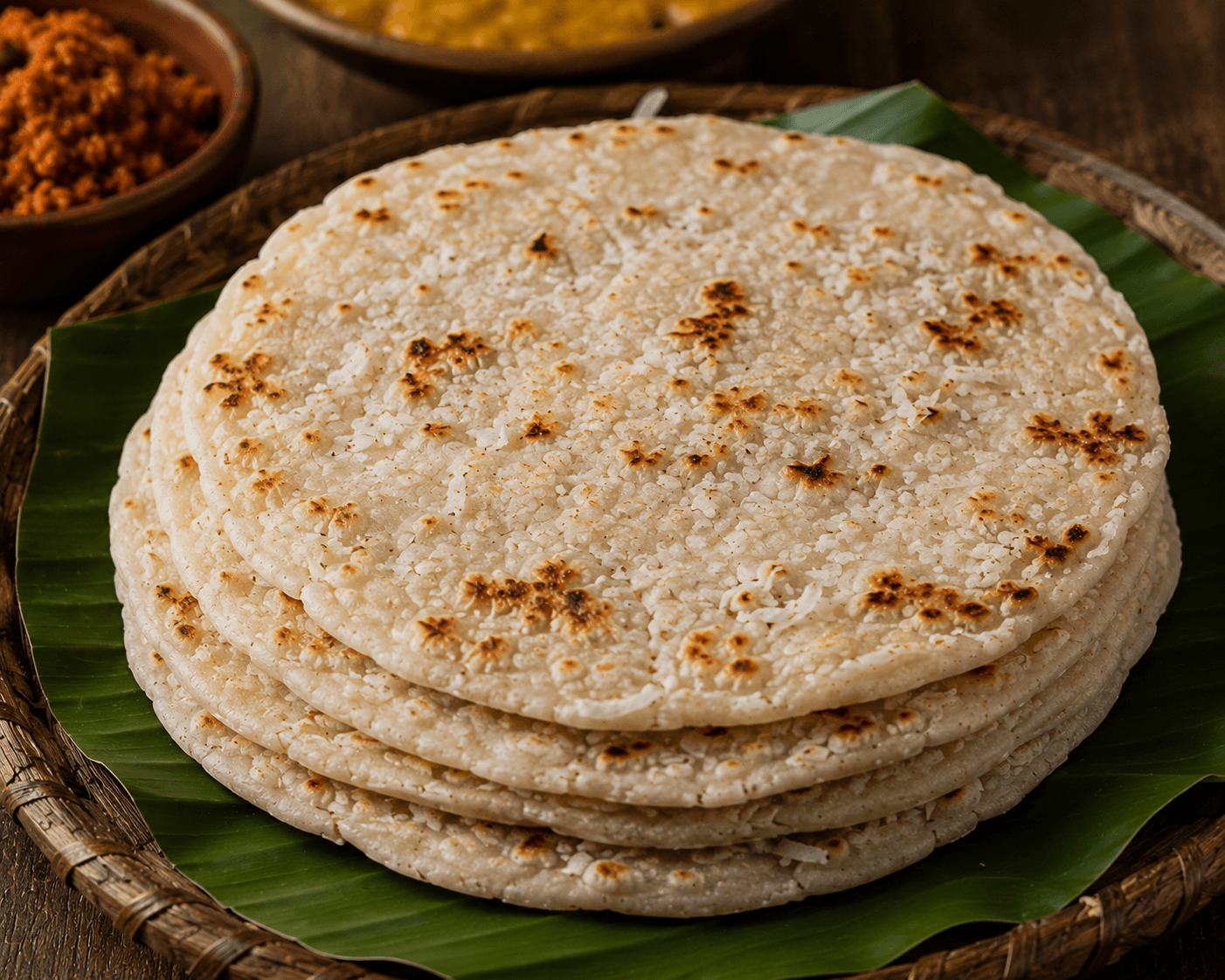
Unlike layered parathas or soft naan breads, coconut roti is denser, more rustic, and slightly chewy with crisp toasted spots from the pan. The coconut throughout the dough adds texture and flavor while helping the roti stay moist inside.
It is commonly served alongside spicy condiments such as lunu miris, coconut sambol, or creamy dhal curry.
A Little History
Flatbreads have long been central to Sri Lankan cuisine, especially as practical accompaniments to curries and sambols. Coconut roti became especially popular because coconuts are abundant across the island and easily incorporated into everyday cooking.
Traditionally, fresh coconut would be grated by hand and mixed directly into dough before cooking on cast-iron pans over wood fires. Coconut roti became a common breakfast and tea-time staple because it was affordable, filling, and easy to prepare.
Today, coconut roti remains deeply connected to Sri Lankan home cooking and is often eaten fresh from the pan with spicy relishes and curries shared around the table.
What You Need
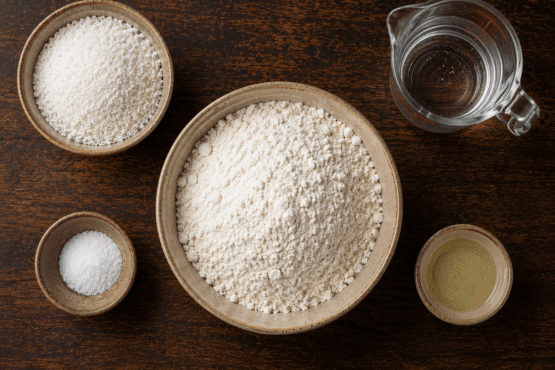
All-purpose flour
Desiccated or freshly grated coconut
Salt
Warm water
Coconut oil
The Process
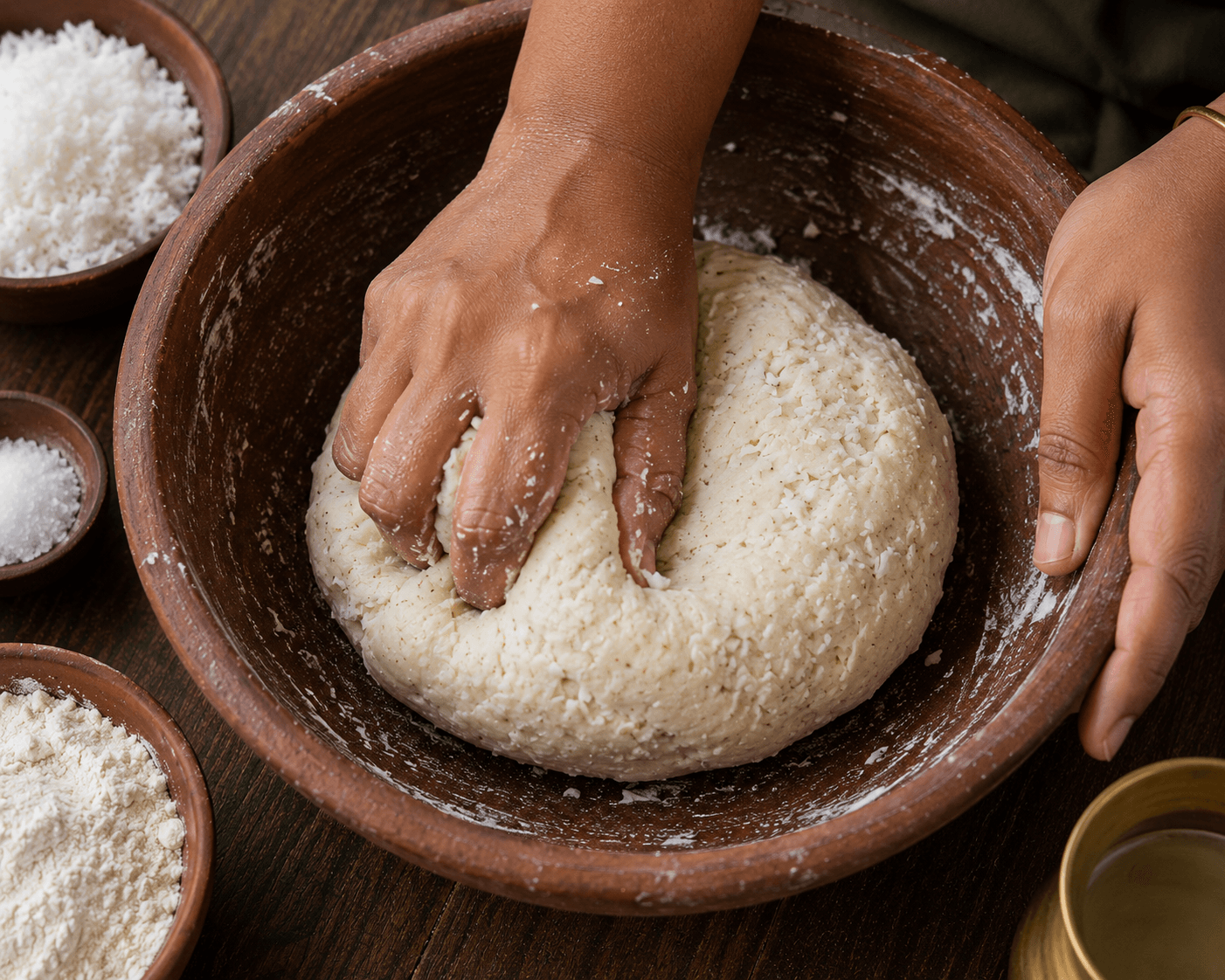
The dough is mixed just enough to become soft and smooth without becoming sticky or overly worked. Resting the dough allows the flour to hydrate properly, making the rotis easier to flatten and helping create a softer texture.
The coconut inside the dough lightly toasts while cooking, giving the roti its signature nutty aroma and texture. Cooking over medium heat allows golden spots to form without burning the coconut too quickly.
A light brushing of coconut oil helps create crispy edges while keeping the inside tender.
Step-by-Step Instructions
- In a large bowl, combine the flour, grated coconut, and salt.
- Gradually add the warm water while mixing until a soft, non-sticky dough forms.
- Knead gently for 2–3 minutes.
- Cover the dough and let it rest for 15 minutes.
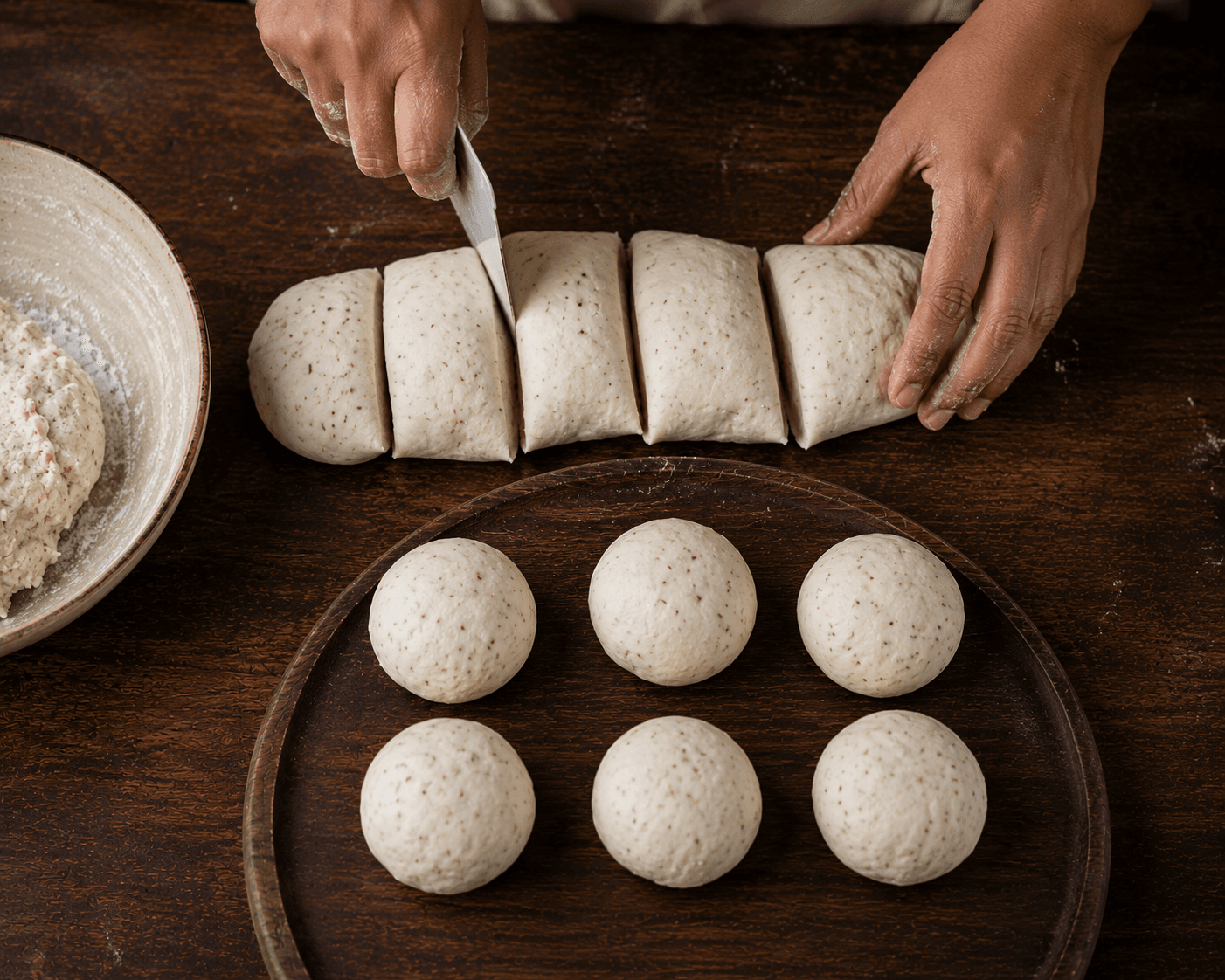
- Divide the dough into 6 equal portions and roll them into balls.
- Flatten each ball into a disc roughly 0.5 cm thick.
- Heat a skillet or non-stick pan over medium heat and lightly brush with coconut oil.
- Cook each roti for 2–3 minutes per side until golden brown spots appear and the roti is cooked through.
Serve warm.
Serving
Coconut roti is traditionally served with lunu miris, dhal curry, fish curry, or coconut sambol. It also pairs beautifully with spicy egg curries or simple vegetable curries.
For breakfast, it is often eaten warm with tea and sambol on the side.
Storing
Store leftover rotis wrapped or in an airtight container for up to 2 days. Reheat in a dry skillet to bring back texture and warmth.
Fresh coconut rotis are best enjoyed straight from the pan while still warm and slightly crisp around the edges.
Sri Lankan Coconut Roti
A quick, pan-fried flatbread perfect for breakfast or dinner, served with sambol or curry.
Share Recipe
Pin
RateServings: 3 servings
Calories: 389kcal
Ingredients
- 200 g all-purpose flour
- 100 g desiccated grated coconut
- 3 g salt
- 100-120 ml warm water
- 10 g coconut oil
Instructions
- In a large bowl, combine flour, grated coconut, and salt.
- Gradually add warm water, mixing until a soft, non-sticky dough forms.
- Knead for 2–3 minutes. Cover and let it rest for 15 minutes.
- Divide the dough into 6 equal balls.
- Flatten each ball into a disc, about 0.5 cm thick.
- Heat a skillet or non-stick pan over medium heat and brush with coconut oil.
- Cook each roti for 2–3 minutes per side, until golden spots appear.
- Serve warm with lunu miris, dhal curry, or coconut sambol.
Notes
- You can add chopped onions, green chilies, or curry leaves for a savory version.
- Use desiccated coconut if fresh is unavailable — just rehydrate it slightly.
- Best served hot off the pan, but can be reheated on a skillet or toaster.
🧊 Storage:
Wrap cooled rotis in foil and store in the fridge for up to 2 days. Reheat before serving.
Nutrition
Calories: 389kcal | Carbohydrates: 55.7g | Protein: 7.8g | Fat: 15g
Product We Use
to make our cooking experience better