
Set the Tone for Worldly Tastes in Every Kitchen
The Ultimate 10–14 Day Sri Lanka Itinerary: Ancient Cities, Tea Hills, Safaris, and Beach Days
Sri Lanka is made for a longer journey. In 10 to 14 days, you can travel beyond the headline attractions and experience the island at a much more rewarding pace: ancient capitals at sunrise, slow train journeys through tea country, wildlife safaris, sacred temples, coastal forts, and a few proper days with nowhere to be except the beach.
This itinerary begins near Colombo and follows a natural loop through the Cultural Triangle, the Hill Country, the southeast’s national parks, and the south coast. Ten days covers the essential route; 14 days gives you the space to slow down and make the beaches, food, and smaller towns part of the story.
The route at a glance
- Days 1–4: Negombo and the Cultural Triangle
- Days 5–8: Kandy, Nuwara Eliya, and Ella
- Days 9–10: Yala National Park and Galle
- Days 11–14: Slow travel along the south coast and Colombo
The main route includes Sri Lanka’s extraordinary heritage sites—Sigiriya, Dambulla, Polonnaruwa, Kandy, and Galle—as well as the tea country and Yala’s wildlife. These are among the island’s signature experiences. Sri Lanka Tourism
Day 1: Arrive in Negombo
Most international flights arrive at Bandaranaike International Airport, north of Colombo. Negombo is closer than the capital and makes a gentler first stop after a long flight.
Check into a beach hotel or small guesthouse, then spend the afternoon walking along the shore. Negombo is a working fishing town as much as a resort area, so rise early if you want to see the fish market and colourful boats returning to the lagoon.
For dinner, start your Sri Lankan food education with rice and curry: several small dishes served around rice, often including dhal, coconut sambol, vegetables, fish, or chicken. Ask for a mild version if you are not used to chilli.
Day 2: Negombo to Sigiriya
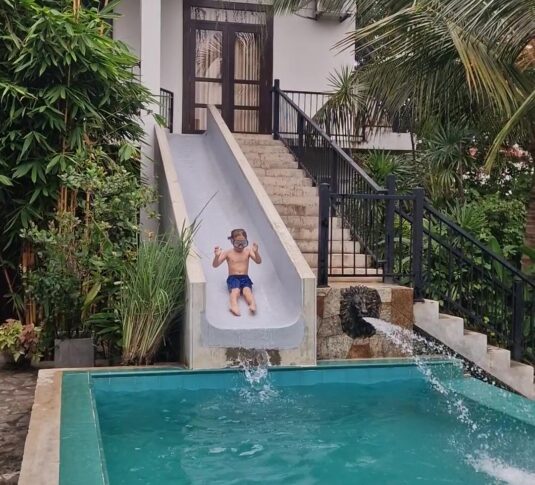
After breakfast, travel inland toward Sigiriya, Dambulla, or Habarana. The drive is long enough to justify making it a dedicated travel day, but there are plenty of places to pause for fruit, tea, and roadside meals.
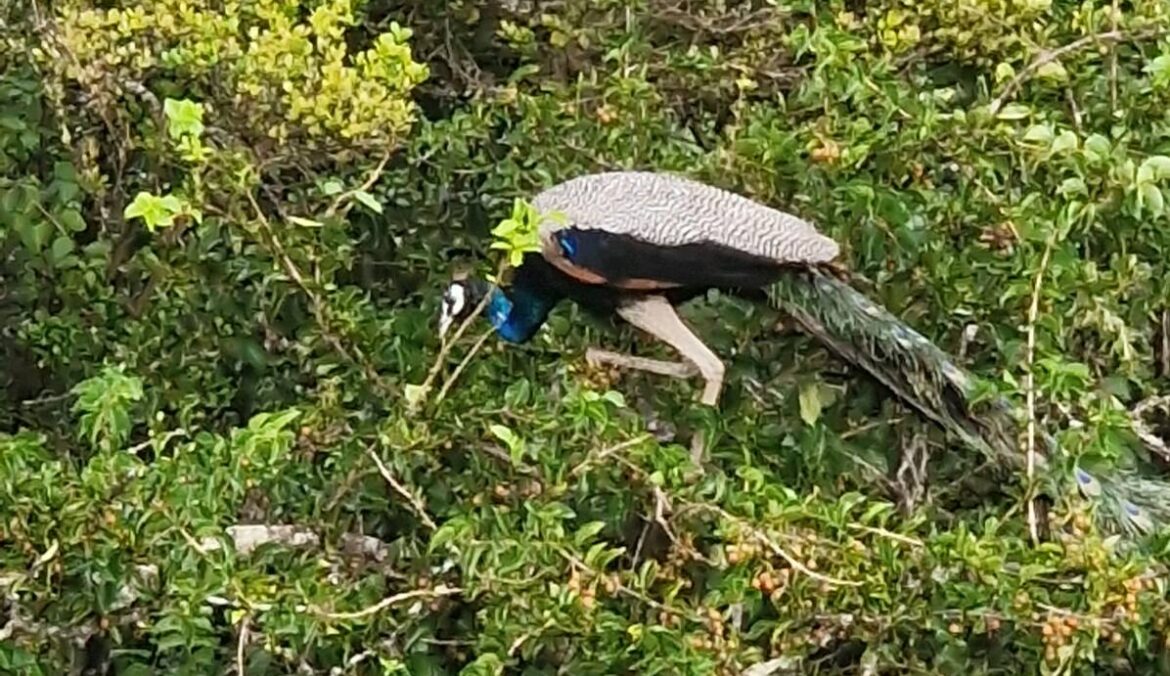
Arrive in the Cultural Triangle by afternoon and settle into a hotel surrounded by paddy fields or jungle. This part of Sri Lanka feels markedly slower than the coast: monkeys move through the trees, peacocks call from the undergrowth, and the roads are edged with palms.
If you still have energy, climb Pidurangala Rock for sunset. The route is rugged in places, but the reward is one of the island’s great views: Sigiriya Rock rising above the plains.
Day 3: Sigiriya Rock Fortress and Dambulla Cave Temple
Start early for Sigiriya Rock Fortress, the most recognisable sight in Sri Lanka. This dramatic fifth-century citadel rises from the surrounding landscape, with landscaped gardens, water features, frescoes, the Mirror Wall, and the famous Lion Gate all forming part of the climb.
The summit is worth the effort. From the top, the Cultural Triangle spreads out in every direction: forest, reservoirs, distant mountains, and a patchwork of rural life. Bring water, wear shoes with grip, and go early before the sun becomes intense.
After lunch, visit Dambulla Cave Temple. Its cave shrines hold a remarkable collection of Buddha statues and vivid wall paintings. The temple is sacred, so dress modestly and remove your shoes before entering.
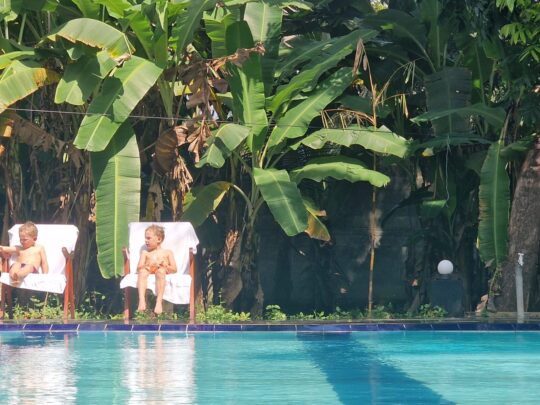
Spend the late afternoon unwinding by the pool or visiting a local village for a home-cooked meal and a glimpse of rural Sri Lankan life.
Day 4: Anuradhapura, Mihintale, or Polonnaruwa
With more than a week in Sri Lanka, do not rush through the Cultural Triangle. Use today to choose one of two exceptional ancient-city experiences.
Option A: Anuradhapura and Mihintale
Anuradhapura was one of the island’s earliest capitals and is filled with monumental stupas, monasteries, sacred trees, and vast archaeological remains. It feels less like a single attraction and more like an entire ancient landscape.
In the afternoon, climb Mihintale, a nearby pilgrimage site often associated with the arrival of Buddhism in Sri Lanka. The steps are steep, but the sunset views over the plains are unforgettable.
Option B: Polonnaruwa and an elephant safari
Polonnaruwa is more compact and easier to explore in a day. Rent bicycles or hire a guide to see the former royal palace, temples, ponds, and Gal Vihara, where Buddha figures are carved into a single granite wall.
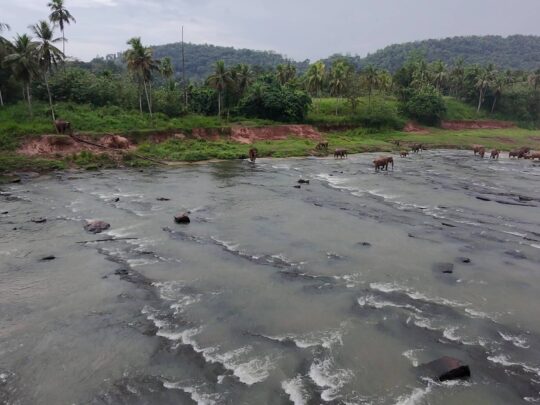
Later, join a safari in Minneriya, Kaudulla, or Eco Park. These parks are well known for elephants, particularly when herds gather near water. Wildlife encounters are never guaranteed, but the chance to see elephants moving through open grassland is a beautiful contrast to the temples and ruins.
Day 5: Travel to Kandy
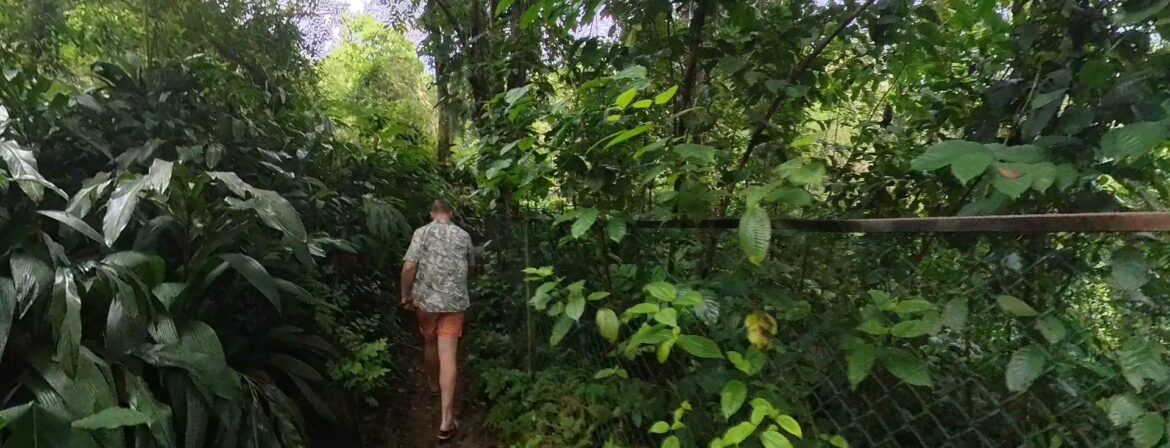
Leave the Cultural Triangle and head south to Kandy, Sri Lanka’s cultural capital. The journey gradually changes from dry-zone plains to greener, hillier landscapes.
Once in Kandy, walk around the lake in the late afternoon. The city is busy but atmospheric, especially as the light softens and the surrounding hills become visible.
Visit the Temple of the Sacred Tooth Relic in the evening or early the next morning. It is one of Sri Lanka’s most important Buddhist sites, and visitors should dress respectfully, covering shoulders and knees.
For dinner, try hoppers: bowl-shaped pancakes made from fermented rice flour, often served with egg, curry, and sambol.
Day 6: Kandy, Peradeniya, and Nuwara Eliya
Spend the morning at the Royal Botanical Gardens in Peradeniya. The gardens are expansive, with palms, orchids, bamboo, flowering trees, and wide green lawns beside the river. It is an excellent place to slow down after several busy sightseeing days.
After lunch, begin the drive into tea country. The road to Nuwara Eliya winds upward through waterfalls, valleys, tea estates, and small towns. Stop at a tea factory if you can. Seeing how leaves are picked, dried, rolled, oxidised, and graded makes the inevitable cup of Ceylon tea feel far more meaningful.
Nuwara Eliya has cool air, colonial-era architecture, misty hills, and a relaxed old-world character. Pack a light jacket; evenings can feel surprisingly chilly after the lowlands.Stay overnight in Nuwara Eliya.
Sri Lankan Food to Try
Sri Lankan food is built around rice, coconut, and spice, shaped by its position at one of the Indian Ocean's busiest trading crossroads. It favors bold, layered flavor over subtlety, with sour, spicy, sweet, and savory often sitting in the same meal rather than staying in their own lane. Most of it comes from home kitchens and roadside stalls rather than formal technique, built to be eaten fresh, often with your hands, and usually shared.
Sri Lankan food carries its history openly. The Portuguese arrived in 1505 and brought chili peppers, now essential to Sri Lankan curries, along with salted codfish and layered cakes that evolved into local sweets like bibikkan. The Dutch took over in the 17th century and left behind lamprais and the pickling tradition that became achcharu. The British, who ruled from 1815 to 1948, planted the tea estates that still define the hill country and introduced bread, puddings, and roast dishes still eaten today.
Beyond the colonial layers, the food shares real ground with its neighbors. Curry leaves, mustard seeds, and coconut connect it to South Indian cooking. Fried rice and stir-fried dishes trace back to Chinese traders. Lemongrass and pandan hint at Southeast Asia.


Day 7: Horton Plains or a tea-country day
Use this extra day to enjoy the Hill Country rather than rushing straight onto the train.
For an active morning, visit Horton Plains National Park. The early walk passes through grassland and cloud forest, with the dramatic escarpment known as World’s End as the main draw. Go early, as cloud often rolls in later in the day.
If you prefer a gentler day, explore tea estates around Nuwara Eliya, visit a factory, walk around Gregory Lake, or simply settle into a heritage hotel with tea and a view of the hills.
Day 8: The train from Nanu Oya to Ella
Today is for one of Sri Lanka’s most scenic experiences: the train journey from Nanu Oya to Ella.
Book reserved tickets ahead when possible, particularly during busy travel periods. The journey is slow, but that is the point. The train moves through tea plantations, past small stations, across bridges, and around green valleys layered with mist.
After arriving in Ella, check into a hillside guesthouse or boutique hotel. Spend the evening in town, where cafés, small restaurants, and a lively traveller atmosphere make for an easy night.
Day 9: Ella’s viewpoints, waterfalls, and Nine Arch Bridge
Ella is best explored at an unhurried pace. Start at Nine Arch Bridge, a striking railway viaduct surrounded by thick greenery. If a train passes while you are there, it is a lovely scene; if it does not, the bridge is still worth visiting.
Next, hike Little Adam’s Peak. The trail is manageable for most travellers and offers wide views across the Ella Gap. More serious hikers can tackle Ella Rock, though it requires more time and careful navigation.
In the afternoon, visit Ravana Falls or spend a quiet few hours at your accommodation. Ella is one of those places where a slow lunch and a mountain view can be just as rewarding as another major sight.
Day 10: Ella to Yala National Park
Leave the Hill Country and descend toward Sri Lanka’s dry southeast. The scenery changes dramatically: tea fields give way to open scrubland, rice paddies, and lowland forest.
Stay near Yala National Park, in Tissamaharama or Kataragama. Choose a lodge that can arrange a responsible early-morning safari.
Yala is renowned for its wildlife, including leopards, Asian elephants, crocodiles, deer, monkeys, peacocks, and birdlife. It is one of Sri Lanka’s best-known safari destinations. Sri Lanka Tourism

Day 11: Yala safari and the south coast
Set out before dawn for your Yala safari. Early morning light makes the park especially beautiful, and animals are often more active before the heat builds.
Keep expectations grounded: a leopard sighting is never guaranteed, and a good safari is about the entire landscape rather than one checklist animal. Enjoy the elephant tracks, bird calls, changing light, and the anticipation of what may appear around the next bend.
After breakfast, travel to the south coast. Mirissa, Weligama, Unawatuna, Tangalle, and Galle all make excellent bases, depending on the mood you want.
- Mirissa suits travellers looking for beach cafés, sunset drinks, and boat trips.
- Weligama is ideal for beginner surfers and an easygoing beach-town feel.
- Unawatuna is lively, convenient, and close to Galle.
- Tangalle feels quieter and more remote.
- Galle Fort is perfect for history, design hotels, and evening walks.
Day 12: Galle Fort and a coastal sunset
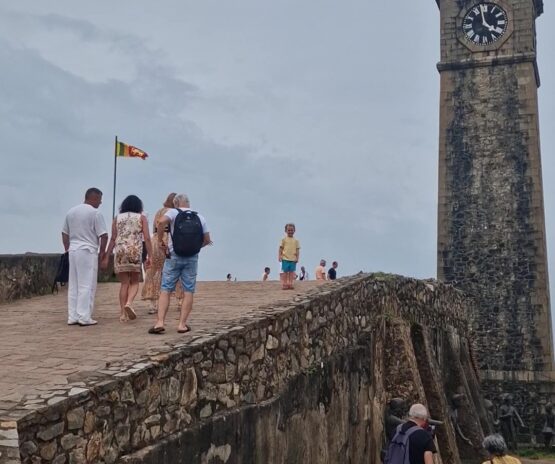
Spend the day exploring Galle Fort, a historic walled quarter overlooking the ocean. Wander its narrow lanes, browse small boutiques and galleries, stop for coffee, and walk the ramparts before sunset.
Galle is best experienced without a fixed plan. Peek into courtyards, watch cricket on the grass near the fort walls, and choose a restaurant for a long lunch. The town’s Dutch-era fortifications and lived-in streets make it one of Sri Lanka’s most distinctive coastal stops. Sri Lanka Tourism
In the afternoon, return to your beach base for swimming, surfing, or simply doing very little.
Day 13: Choose your perfect beach day
This day has no ambitious checklist. That is deliberate.
Take a surf lesson in Weligama, snorkel if conditions are suitable, book a massage, read by the pool, or take a short tuk-tuk ride to a quieter beach. If you visit during the appropriate season, Mirissa is a popular base for whale-watching excursions; always choose an operator that follows responsible wildlife practices.
For dinner, order grilled fish, devilled prawns, vegetable curries, or kottu roti. Finish with a king coconut on the sand while the sun goes down.
Day 14: Return to Colombo and depart
On your final day, travel north to Colombo or directly to the airport, depending on your flight time.
If you have several hours in Colombo, explore the Fort and Pettah districts, visit a café, browse local design stores, or enjoy one final Sri Lankan meal. Colombo is lively, chaotic, and modern in a way that contrasts nicely with the rest of the trip.
If you are travelling on a 10-day schedule, finish the route after Day 10 by travelling from Yala to Galle or the airport area. For a 12-day trip, stop after Day 12. The final two beach days are what turn a good itinerary into a genuinely relaxed one.
Where to stay
A comfortable 14-day version uses these overnight bases:
- Negombo: 1 night
- Sigiriya or Habarana: 3 nights
- Kandy: 1 night
- Nuwara Eliya: 2 nights
- Ella: 2 nights
- Yala or Tissamaharama: 1 night
- South coast: 3 nights
- Colombo or airport area: 1 night, if needed
For a 10-day trip, reduce the Cultural Triangle by one night, skip the Horton Plains day, limit Ella to one night, and keep only one or two nights on the coast.
Practical travel tips
Sri Lanka is compact on a map, but travel takes longer than expected. Mountain roads are winding, traffic can be slow, and even short-looking routes deserve generous time.
A private driver is the easiest way to follow this route. Trains are unforgettable in the Hill Country, but for most other legs, a driver or arranged transfer keeps the journey smooth and saves valuable sightseeing time.
At temples, cover shoulders and knees, remove shoes when required, and never turn your back to a Buddha statue for photos.
Carry cash for smaller shops, tips, and local purchases. Use a refillable bottle where possible, and treat wildlife encounters respectfully: never feed animals, approach them, or pressure drivers to get too close.
A 10-day Sri Lanka itinerary gives you the island’s essential story. A 14-day itinerary gives you its rhythm.
The best moments often happen between the marquee attractions: tea served on a train platform, a roadside plate of curry, the call of peacocks outside your hotel room, rain on a hillside, or an unplanned afternoon spent watching waves. Sri Lanka has world-class landmarks, but its real magic is the way history, nature, food, and everyday life are woven together so closely.
Take the route slowly, leave room for detours, and let the island surprise you.
FAQ
Is 10 days enough for Sri Lanka?
Ten days is enough for a well-rounded first trip. You can visit the Cultural Triangle, Kandy, Nuwara Eliya, Ella, Yala National Park, and Galle or the south coast without rushing quite as much as on a one-week itinerary.
Is 14 days better than 10 days in Sri Lanka?
Yes. Fourteen days allows time for extra stays in the Cultural Triangle, Hill Country, and south coast. It also gives you more flexibility for weather, travel delays, and rest days.
What should I add to a 10-day Sri Lanka itinerary?
Add a second day in Sigiriya or Habarana for Polonnaruwa and an elephant safari, then include Kandy, Nuwara Eliya, Ella, Yala, and Galle or Mirissa.
What should I add to a 14-day Sri Lanka itinerary?
With 14 days, add Anuradhapura or Mihintale, Horton Plains, an extra day in Ella, and two or three relaxed beach days around Tangalle, Mirissa, Weligama, or Galle.
How many nights should I stay in Ella?
Stay one night on a 10-day trip or two nights on a 14-day trip. Two nights gives you time for Nine Arch Bridge, Little Adam’s Peak or Ella Rock, waterfalls, cafés, and a slower Hill Country experience.
Is Yala National Park worth visiting?
Yala is worth visiting for travellers interested in wildlife. It is known for leopards, elephants, crocodiles, deer, peacocks, and birdlife, although wildlife sightings can never be guaranteed.