
Set the Tone for Worldly Tastes in Every Kitchen
A Perfect 7-Day Sri Lanka Itinerary: Temples, Tea Country, Wildlife, and Coast
Sri Lanka is compact enough for an ambitious week-long trip, yet wonderfully varied: ancient Buddhist cities, misty tea plantations, elephant-filled national parks, colonial hill towns, and palm-lined beaches can all fit into one memorable journey.
This itinerary follows a classic route from Colombo through the Cultural Triangle and Hill Country to the south coast. It moves at a steady pace, with early starts where they genuinely pay off and enough room to enjoy the places rather than simply tick them off.
Before you go
This route works best with a private driver, hired car, or a combination of transfers and trains. Public buses are inexpensive and immersive but can make a seven-day trip feel rushed.
Sri Lanka has two monsoon systems, so the ideal beach area changes by season. The south and west coasts are generally best from roughly December to April; the east coast tends to shine from around May to September. The core route below remains rewarding year-round, but check local weather and park conditions before booking.
Day 1: Arrive in Colombo, then travel to Negombo or Sigiriya
Most international flights arrive at Bandaranaike International Airport, north of Colombo. Rather than heading straight into the capital after a long flight, consider beginning in nearby Negombo for an easy first night—or, if you arrive early, continue directly to Sigiriya.
Option A: A relaxed arrival in Negombo
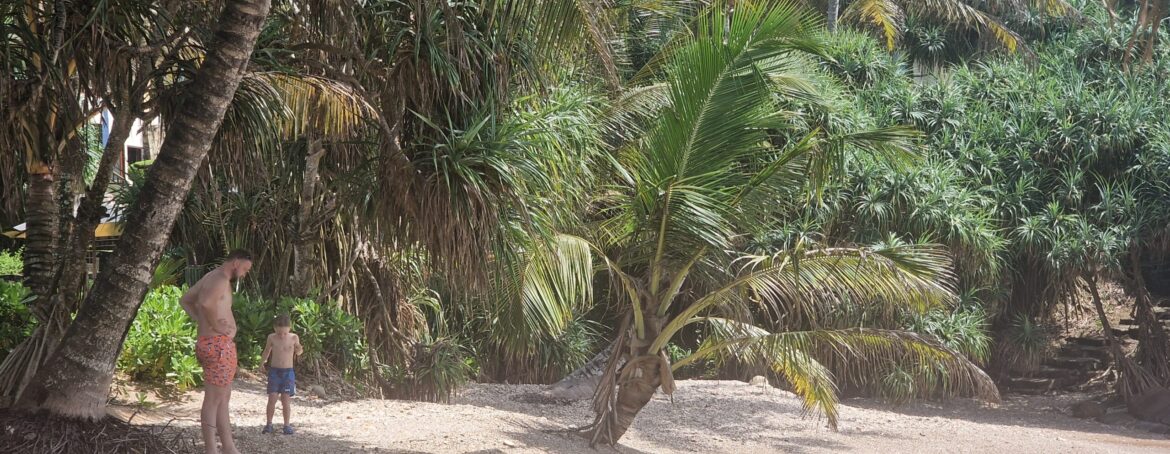
Negombo is a practical landing spot, just a short transfer (around 20 to 30 minutes) from the airport. It has a long beach, a fishing harbour, and a laid-back atmosphere that makes it ideal for recovering from jet lag.
Spend the afternoon walking along the shore, visiting the Dutch Canal area, or watching fishing boats return near the lagoon. For dinner, order fresh seafood—grilled prawns, crab curry, or fish cooked in a fragrant Sri Lankan curry sauce.
Stay overnight in Negombo.
Option B: Go straight to Sigiriya
If you land in the morning and feel ready to start, drive directly to Sigiriya. The journey takes several hours, but it puts you in prime position for an early climb the following day.
Day 2: Sigiriya Rock Fortress and Dambulla Cave Temple
Start before sunrise for one of Sri Lanka’s most iconic experiences: climbing Sigiriya Rock Fortress.
Rising dramatically from the surrounding plains, Sigiriya is an ancient rock citadel built in the fifth century. The climb involves a long series of staircases, but the views from the summit are spectacular. Along the way, look for the famous frescoes, the Mirror Wall, and the enormous lion’s-paw gateway that gives the site its nickname, Lion Rock.
Allow two to three hours for the climb and exploration. Bring water, wear sturdy shoes, and start early to avoid both crowds and midday heat.
After breakfast, visit the Dambulla Cave Temple, a complex of cave shrines filled with Buddhist statues and painted murals. The setting is atmospheric and the views over the countryside are excellent.
In the late afternoon, choose one of two experiences:
- Join an elephant safari in Minneriya, Kaudulla, or Eco Park. Seasonal elephant gatherings can be extraordinary, with herds gathering near water sources.
- Visit Pidurangala Rock for sunset. The climb is less formal and slightly more rugged than Sigiriya, but its view back toward Lion Rock is hard to beat.
Day 3: Polonnaruwa, village life, and the journey to Kandy
Leave early for Polonnaruwa, Sri Lanka’s beautifully preserved medieval capital. Its archaeological park is large, so hiring bicycles or a guide is useful.
Highlights include the Royal Palace complex, the quadrangle of shrines, and Gal Vihara: four remarkable Buddha images carved directly into granite. The reclining Buddha is particularly striking.
After lunch, begin the journey south to Kandy. The drive takes several hours and becomes greener and hillier as you approach the central highlands.
Arrive in Kandy in time for an evening walk around Kandy Lake. If you are interested in traditional performance, consider attending a Kandyan dance show. It is a little theatrical, but it offers a lively introduction to the drumming, dance, and ceremonial traditions of the region.Stay overnight in Kandy.
Day 4: Kandy’s temples and gardens, then Nuwara Eliya
Kandy is Sri Lanka’s cultural heart and a pilgrimage city for Buddhists. Begin at the Temple of the Sacred Tooth Relic, one of the country’s most important religious sites. Dress modestly, remove shoes before entering, and be respectful during worship times.
Next, visit the Royal Botanical Gardens at Peradeniya, just outside Kandy. The gardens are expansive and peaceful, with palms, orchids, giant bamboo, and broad lawns beside the Mahaweli River.
After lunch, travel into the tea country toward Nuwara Eliya. The road climbs through lush valleys, tea estates, and small villages. Stop at a tea factory if time permits to learn how leaves are picked, withered, rolled, oxidized, and graded before becoming the tea served around the world.
Nuwara Eliya has a distinctly cool climate and a nostalgic colonial feel, with old-fashioned hotels, flower gardens, and misty hillsides. It is often called “Little England,” though the real charm lies in the surrounding landscapes rather than the nickname.
Sri Lankan Food To Try
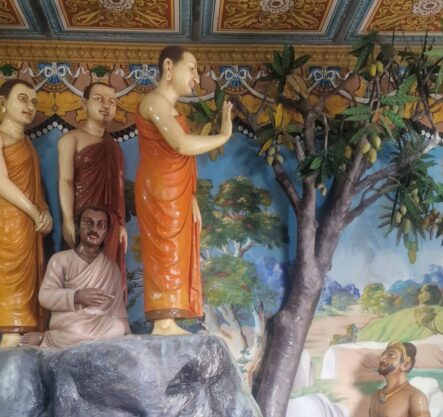
Sri Lankan food is built around rice, coconut, and spice, shaped by its position at one of the Indian Ocean's busiest trading crossroads. It favors bold, layered flavor over subtlety, with sour, spicy, sweet, and savory often sitting in the same meal rather than staying in their own lane. Most of it comes from home kitchens and roadside stalls rather than formal technique, built to be eaten fresh, often with your hands, and usually shared.
Sri Lankan food carries its history openly. The Portuguese arrived in 1505 and brought chili peppers, now essential to Sri Lankan curries, along with salted codfish and layered cakes that evolved into local sweets like bibikkan. The Dutch took over in the 17th century and left behind lamprais and the pickling tradition that became achcharu. The British, who ruled from 1815 to 1948, planted the tea estates that still define the hill country and introduced bread, puddings, and roast dishes still eaten today.
Beyond the colonial layers, the food shares real ground with its neighbors. Curry leaves, mustard seeds, and coconut connect it to South Indian cooking. Fried rice and stir-fried dishes trace back to Chinese traders. Lemongrass and pandan hint at Southeast Asia.


Day 5: The scenic train to Ella and a Hill Country afternoon
Today is for one of Asia’s most celebrated rail journeys: the train from Nanu Oya, near Nuwara Eliya, to Ella.
Book reserved seats in advance where possible, especially in peak season. Even if you do not have a perfectly framed window seat, the journey is memorable: tea gardens roll past the tracks, clouds settle into valleys, and locals board with snacks and conversation.
The ride can take several hours, so embrace the slow pace. Buy fruit, samosas, or tea from vendors at the station, keep your camera close, and enjoy the changing scenery rather than trying to photograph every bend.
After arriving in Ella, settle into your accommodation and explore the village. In the late afternoon, walk to Little Adam’s Peak. It is a relatively easy hike with wide views across the Ella Gap, especially lovely near sunset.
Day 6: Ella to Yala National Park via waterfalls and countryside
Begin with an early visit to Nine Arch Bridge, a graceful stone railway bridge tucked into dense jungle. Time your visit for a passing train if possible, but even without one it is a beautiful viewpoint.
Then leave the highlands for the dry-zone landscapes of the south. En route, stop at Ravana Falls, one of the area’s most accessible waterfalls. The route gradually shifts from tea-covered hills to open countryside and lowland forest.
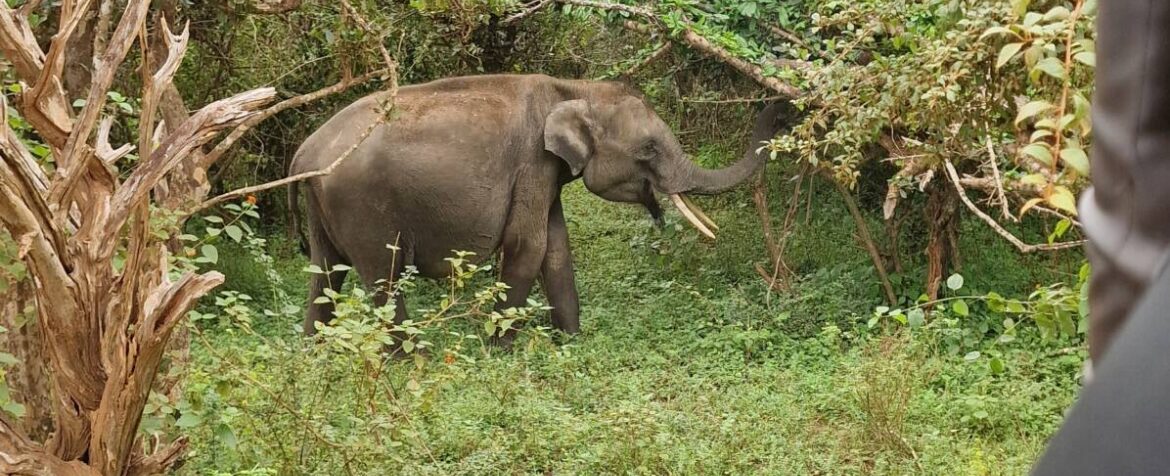
By afternoon, arrive near Yala National Park. Yala is famous for leopards, though sightings can never be guaranteed. It is also home to elephants, crocodiles, spotted deer, monkeys, peacocks, and a remarkable variety of birdlife.
Day 7: Yala safari, then the south coast
Set off before dawn for a safari in Yala National Park. Early morning is often the most rewarding time for wildlife activity, and the cool light gives the landscape a cinematic quality.
A safari normally lasts several hours. Keep expectations realistic: wildlife encounters are unpredictable, and the pleasure is as much in the search as in the sighting. If you see a leopard, consider it a highlight; if not, elephants, birdlife, and the park’s dramatic terrain still make for an excellent morning.
After breakfast, continue to Sri Lanka’s south coast. Choose your base according to the kind of ending you want:
- Mirissa for a sociable beach town, cafés, surfing, and whale-watching excursions in season.
- Weligama for beginner-friendly surfing and a relaxed, broad bay.
- Unawatuna for easy swimming, restaurants, and proximity to Galle.
- Galle Fort for boutique hotels, history, galleries, and sunset walks along the old ramparts.
- Tangalle for quieter beaches and a more secluded feel.
Finish the trip with a sunset swim, a cold king coconut, and a final Sri Lankan dinner. Order rice and curry with a selection of vegetable dishes, dhal, sambols, and seafood—or try kottu roti, a satisfying chopped flatbread stir-fry that is comfort food at its best.
Where to stay
For this route, aim for one night each in Negombo or Sigiriya, Kandy, Nuwara Eliya, Ella, Yala, and the south coast. If you prefer fewer hotel changes, skip Negombo and add that night either to Sigiriya or the coast.
A useful balance is:
- Cultural Triangle: boutique hotel, eco-lodge, or guesthouse
- Kandy: lake-side or hill-view hotel
- Nuwara Eliya: heritage-style hotel or tea-estate stay
- Ella: small guesthouse with mountain views
- Yala: safari lodge or nature-focused camp
- South coast: beach hotel, villa, or Galle Fort boutique stay
Essential Sri Lanka travel tips
Sri Lanka is wonderfully welcoming, but a few details will make the trip smoother.
- Dress modestly at temples. Shoulders and knees should be covered, and shoes must be removed in many sacred places. Never pose with your back to a Buddha statue.
- Carry cash for small purchases, tips, rural shops, and local transport. Cards are accepted at many hotels and larger restaurants, but not everywhere.
- Plan around travel time. Distances on a map can look short, but winding mountain roads and busy local traffic mean journeys often take longer than expected.
- Eat local food generously, but ease into the spice level. Sri Lankan curries can be intensely hot, and “not spicy” may still have plenty of heat.
- Use refillable water bottles where possible, and avoid touching or feeding wild animals. For safaris, choose operators that respect wildlife and keep a responsible distance.
In just seven days, Sri Lanka offers an unusually complete journey: ancient cities, sacred sites, emerald tea hills, wildlife, and the Indian Ocean. The secret is not trying to see every corner of the island. Let the route breathe, linger over a cup of Ceylon tea, take the slow train through the hills, and leave room for the unplanned moments that often become the best stories.
Sri Lanka rewards curiosity. Come for the headline sights, but notice the details: a roadside fruit stand, temple bells at dawn, a train disappearing into the mist, or the sound of waves behind a beachside curry house. That is where the island stays with you.
FAQ
Is 7 days enough for Sri Lanka?
Yes, seven days is enough to experience Sri Lanka’s highlights, including Sigiriya, Kandy, the Hill Country, Ella, a wildlife safari, and the south coast. It is a fast-paced trip, so limit hotel changes where possible.
What is the best route for one week in Sri Lanka?
A popular route is Colombo or Negombo, Sigiriya, Kandy, Nuwara Eliya, Ella, Yala National Park, and the south coast. This offers a balanced mix of culture, scenery, wildlife, and beach time.
Should I hire a driver for a 7-day Sri Lanka itinerary?
A private driver is often the easiest option for a short trip because road travel can take longer than expected. Take the scenic train from Nanu Oya to Ella, then use road transfers for the remaining route.
Can I visit Sigiriya, Ella, and Yala in seven days?
Yes, but expect a busy itinerary. Stay near Sigiriya for two nights, then continue through Kandy and Ella before ending with a Yala safari and a south-coast stay.
Is Sri Lanka good for a one-week holiday?
Yes. Sri Lanka is ideal for travellers who want temples, wildlife, tea country, and beaches in one trip. A week gives a good introduction, while a longer stay allows for slower travel.