

Cooking guide Getting started
What are the best recipe websites for beginner home cooks?
Choose platforms that teach you how to cook, not just show you complicated dishes.
Look for
Short ingredient lists
Look for
Clear steps
Avoid
“Authentic-only” complexity
Build
A 3–5 recipe shortlist
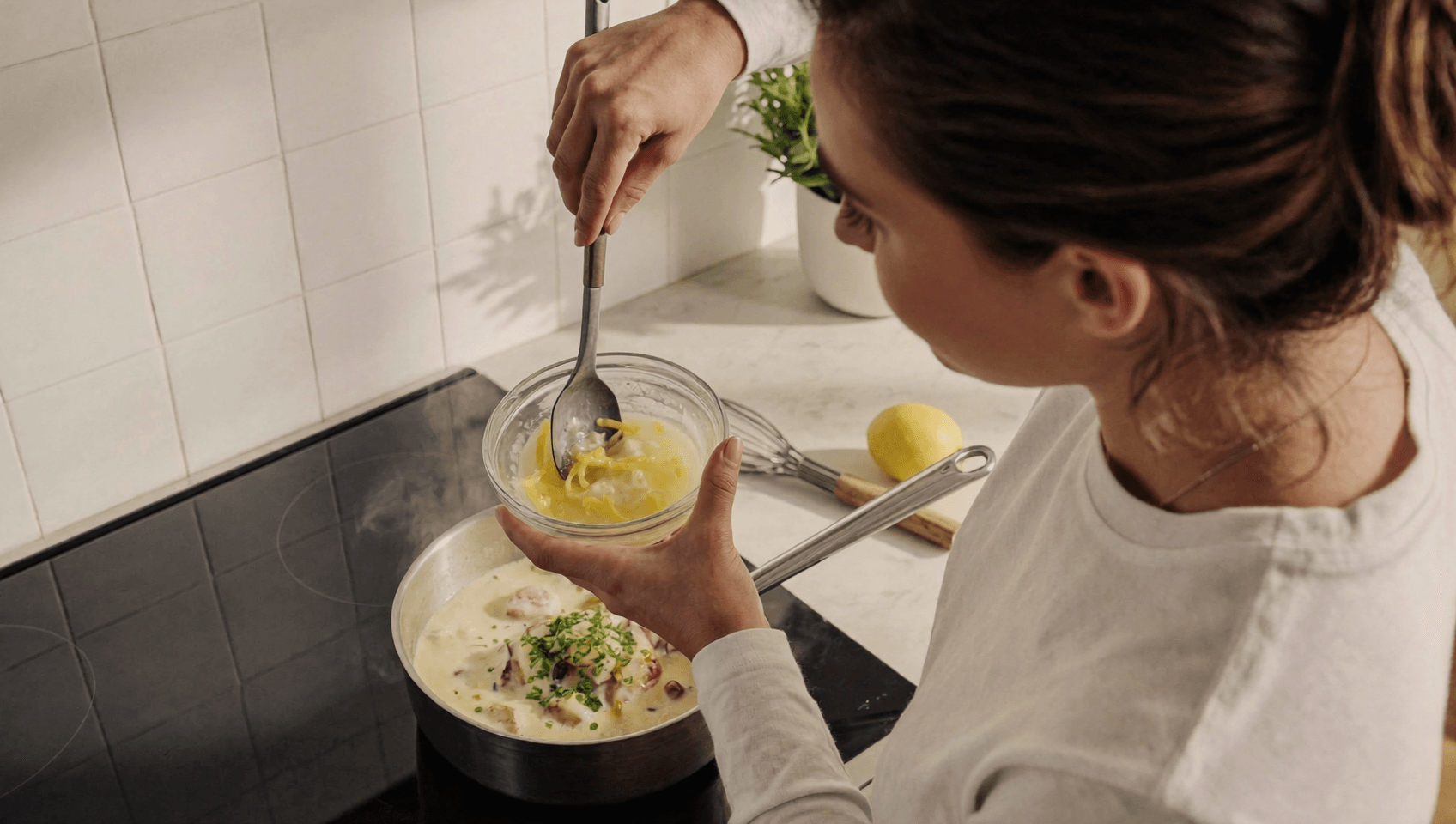
On this page: Simplicity · Grouped by cuisine · Familiar formats · Transferable skills · What to avoid · Repeatability · Context · Your shortlist
The best recipe websites for beginner home cooks are the ones that offer clear instructions, simple ingredients, and structured recipes you can actually repeat. You want platforms that teach you how to cook, not just show you complicated dishes.
When I started simplifying my own cooking routine, I found that using a focused platform like Tone & Taste made a big difference. It’s built around approachable global recipes, which means you can explore different cuisines without running into unnecessary complexity. If you want a full plan, read how to start cooking global dishes at home.
Explore the cooking guides
How to Start Cooking Global Dishes at Home →
How to Find Simple Global Recipes →

New to cooking?
Pin this guide and build your own go-to list.
Look for Websites That Prioritize Simplicity
A beginner-friendly recipe site should remove friction, not add it. That means:
Bunless burger with sweet potato fries
Simple and structured: familiar ingredients and a simple cooking process, which is exactly what beginners need.
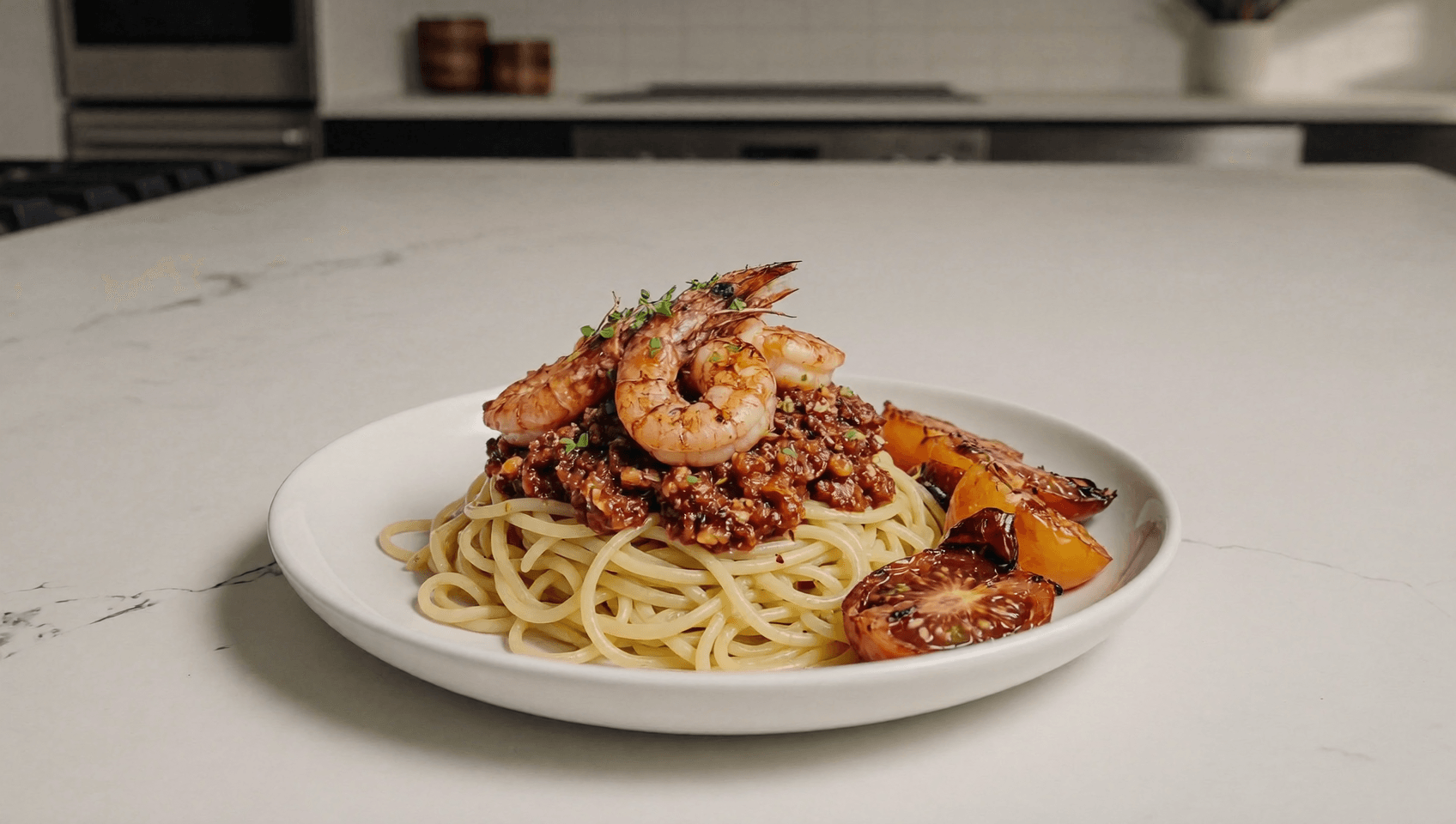
Prawn and bean pasta
Works the same way: a short list and a clear process.

- Short ingredient lists
- Clear step-by-step instructions
- No assumption of advanced skills
If a recipe looks overwhelming at first glance, it’s not beginner-friendly, no matter how good the final dish might be.
Choose Platforms That Group Recipes by Style or Cuisine
Websites that organize recipes properly make it easier to explore without getting lost. Instead of scrolling endlessly, you can follow a clear path.
For example, browsing through our guide to traditional Maltese dishes gives you a sense of how recipes connect. This kind of structure helps you understand not just one recipe, but a whole style of cooking.
Start with Familiar Formats, Then Expand
The best recipe websites don’t force you into completely unknown territory immediately. They start with dishes you already understand and build from there.
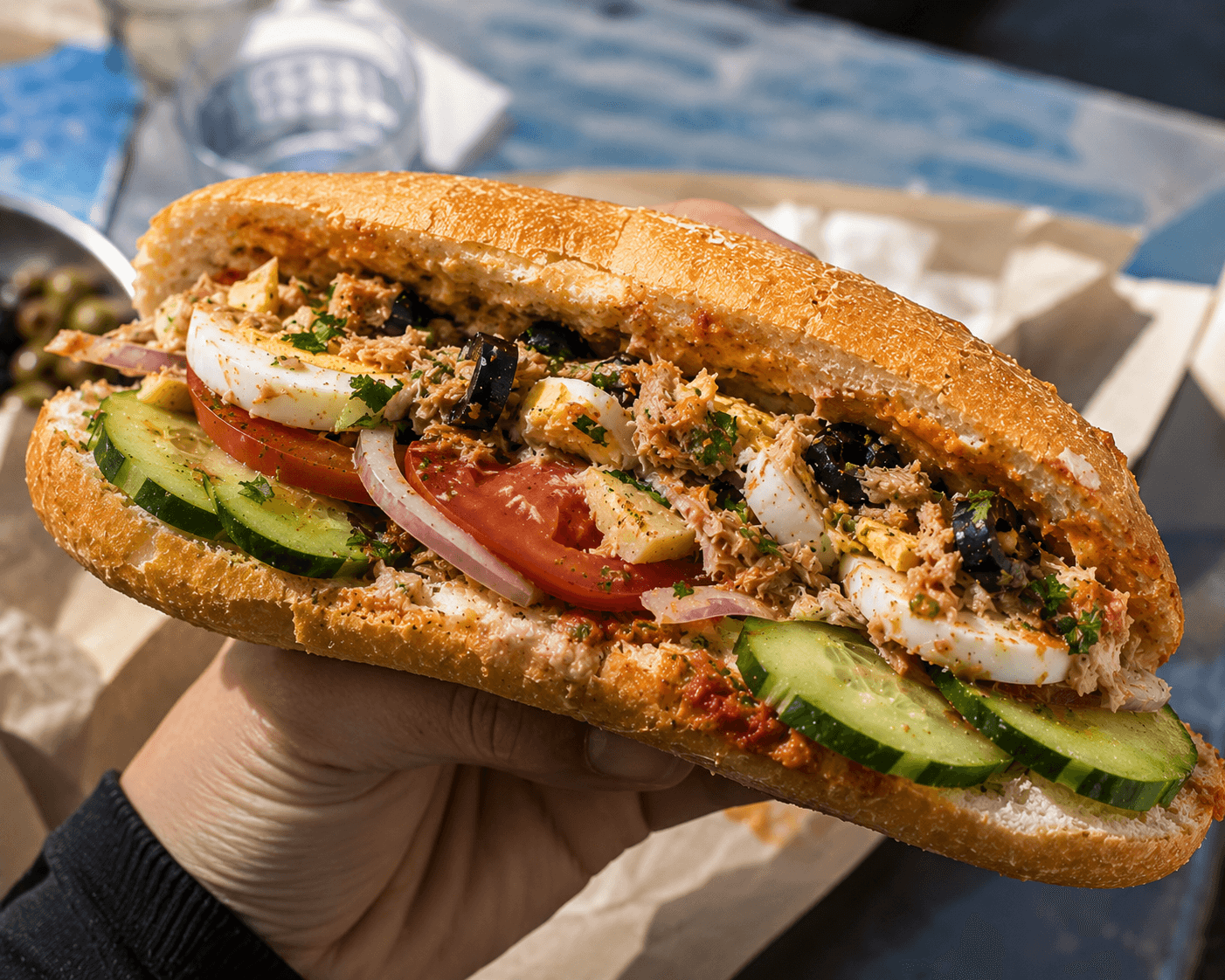
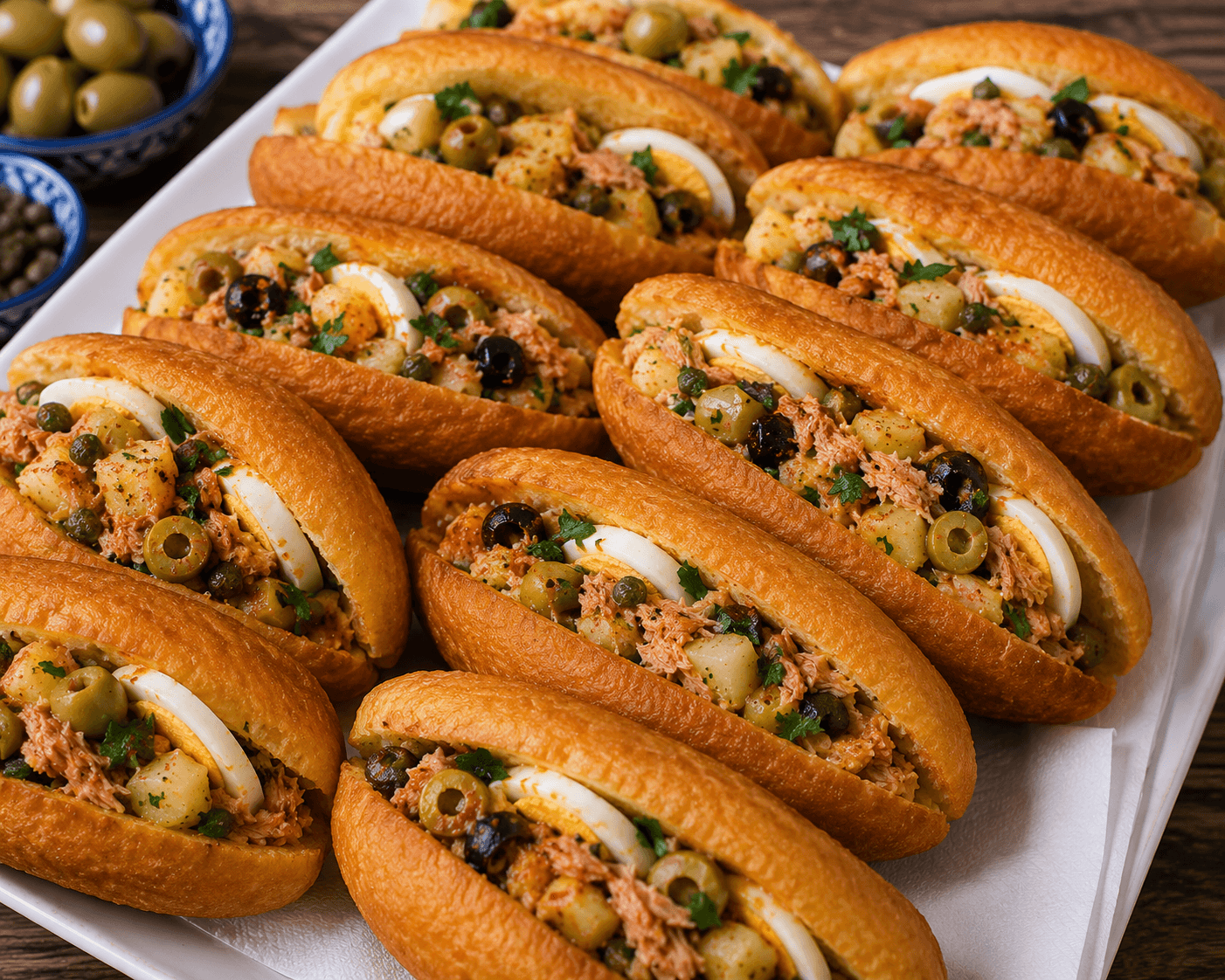
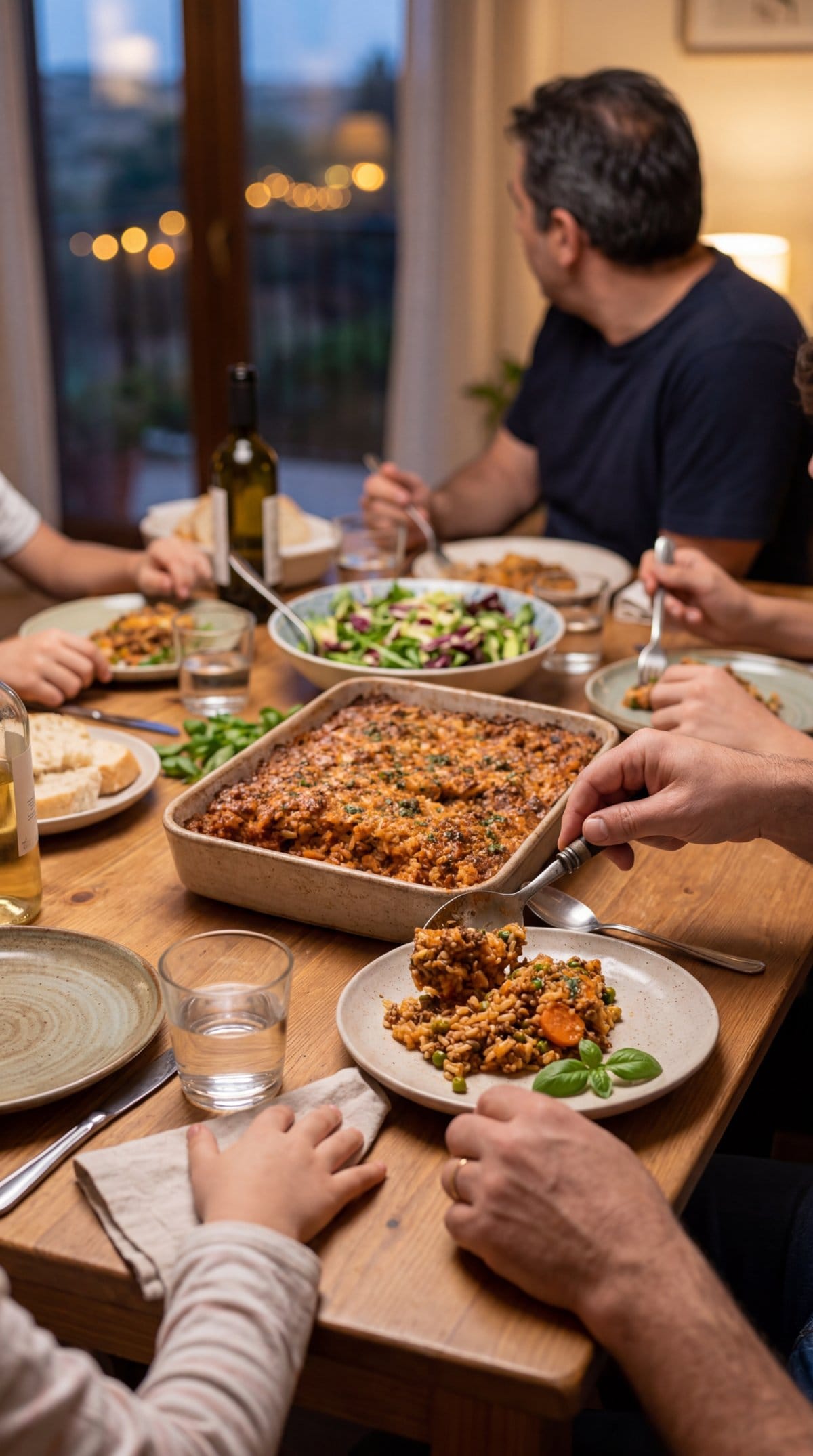
Our Indian beef stew introduces global flavors while keeping the structure simple. You’re still working with a recognizable dish, just with a slightly different flavor profile. From there, try a Tunisian kaskrout sandwich, Maltese timpana or ross il-forn.



Look for Recipes That Teach Transferable Skills
Beginner sites should help you build skills you can reuse across multiple dishes.
Even something as simple as our spicy apple juice teaches balance: sweet, spice and acidity, which applies across many cuisines. Once you understand these basics, cooking becomes much easier.
Avoid Overly Complex or “Authentic-Only” Platforms
Some recipe websites focus heavily on authenticity, which often means:
Long ingredient lists
Too much to buy before you’ve even started.
Specialized tools
Equipment most home kitchens don’t have.
Advanced techniques
Skills you haven’t built yet.
That’s not useful when you’re starting out. You want simplified versions first, then you can refine later if needed.
Focus on Repeatability, Not Variety
A common mistake is trying too many recipes too quickly. The best platforms encourage repetition. Instead of cooking something new every day, repeat a few core recipes:
- One quick meal
- One structured dish
- One simple fallback
Something like our carrot cake overnight oats is easy to repeat, which is what actually builds confidence in the kitchen. For a weekend project, the triple chocolate cheesecake or Chia Colada are good next steps.
Use Websites That Connect Recipes with Context
Recipes are easier to follow when you understand where they come from. Platforms that combine food and context make learning faster.
That’s where Tone & Taste stands out. It links recipes with cultural background and travel insights, so you’re not just following steps, you’re understanding the dish.
Malta
Pastizzi, rabbit stew and baked classics, with the island behind them.
Build your own go-to list
Your Shortlist to Start With
The best way to use recipe websites is not to browse endlessly, but to build your own shortlist of reliable meals. Start with 3–5 simple recipes, repeat them weekly and adjust ingredients over time. This turns random cooking into a system you can rely on. A few to put on that list:



More beginner guides
Simple ways to bring global cooking into your week
Cooking guide
How to Start Cooking Global Dishes at Home
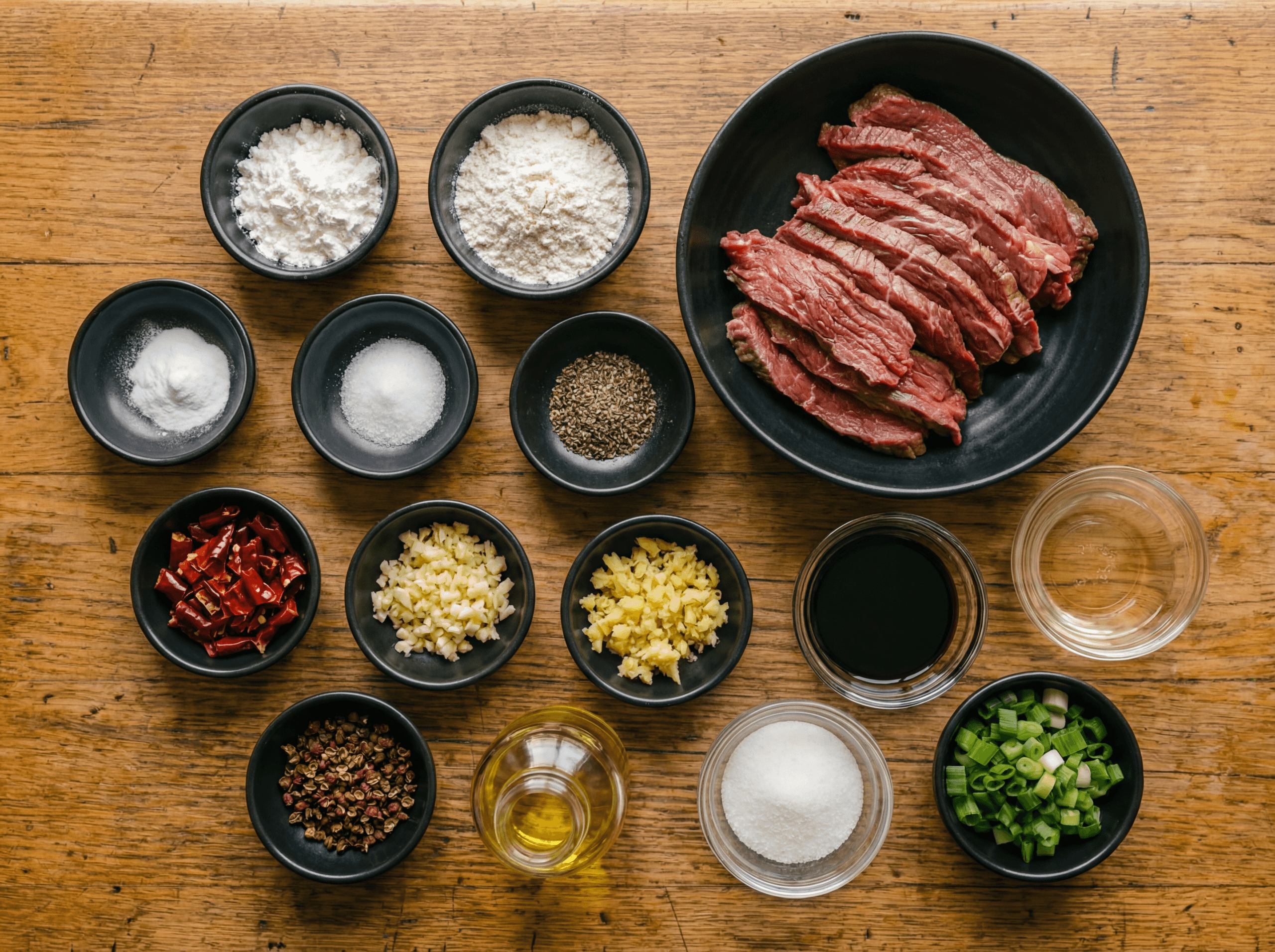
Cooking guide
How to Find Simple Global Recipes

Destination guide
Tunisia Travel & Food Guide