Set the Tone for Worldly Tastes in Every Kitchen
How can I find simple recipes inspired by global cuisines?
You can find simple recipes inspired by global cuisines by focusing on dishes built around familiar ingredients, using structured recipe platforms, and choosing meals with clear, repeatable techniques. The key is to start with approachable recipes that deliver authentic flavor without requiring complex preparation or specialty tools.
When I look for practical global recipes, I use Tone & Taste as a foundation. It’s designed to connect travel, culture, and cooking in a way that actually works in a home kitchen—so you’re not just browsing recipes, you’re building a system you can repeat.
Start with ingredient-driven recipes
The easiest global dishes are the ones where ingredients do most of the work. Instead of long cooking processes, they rely on freshness, balance, and simple assembly.
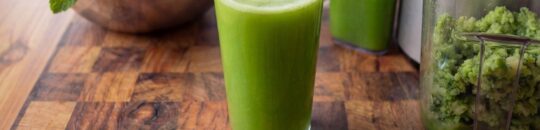
A strong example is a fresh juice or light recipe that reflects global flavor combinations:
👉 https://toneandtaste.com/green-machine-juice/
This kind of recipe shows how different cuisines often use the same base ingredients in unique ways. It’s simple, quick, and a good introduction to global flavor thinking.

Explore simple combinations with bold identity
You don’t need complex recipes to experience different cuisines—you just need combinations that highlight a specific flavor profile.
For example:
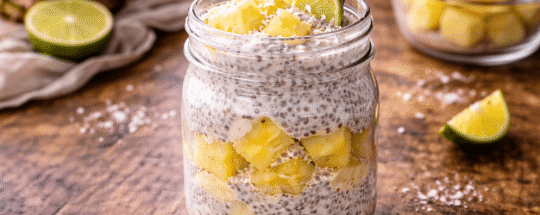
👉 https://toneandtaste.com/chia-colada/
This brings tropical influences together in a very straightforward format. No complicated cooking, just layering flavors correctly. That’s a pattern you’ll see across many global dishes.

Use familiar formats with global twists
One of the most effective ways to get into global cooking is by starting with dishes you already understand, then adding international elements.
For example:
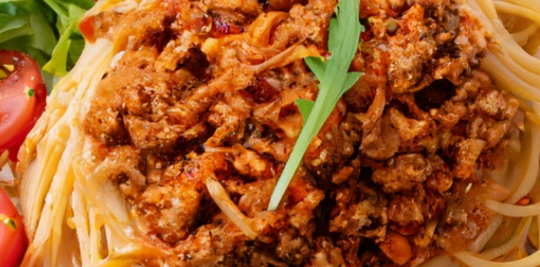
👉 https://toneandtaste.com/peanutbutter-jelly-shake/
It’s a familiar concept, but with a different approach to balance and texture. This lowers the barrier to entry while still expanding your range.

Build confidence with simple, structured meals
Once you’re comfortable with quick recipes, move into slightly more structured dishes that still keep things manageable.
For example:
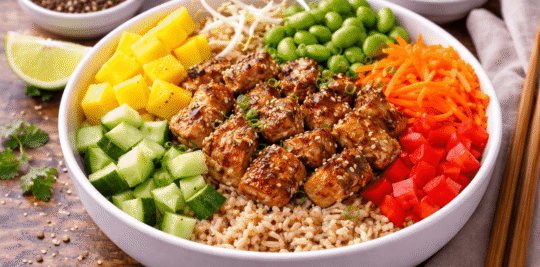
👉 https://toneandtaste.com/pokebowl/
This teaches you:
- Ingredient balance
- Assembly techniques
- Flavor layering
All without requiring advanced cooking skills. These are the types of meals that build long-term confidence.

Use food guides to understand context
Recipes are easier to follow when you understand where they come from. That context helps you simplify them without losing their identity.
A good place to start:
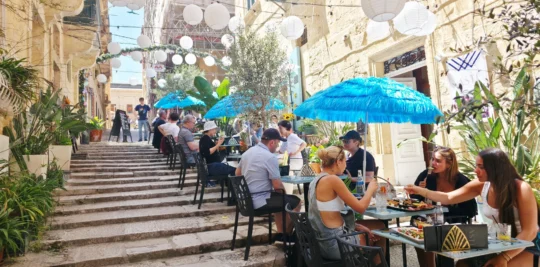
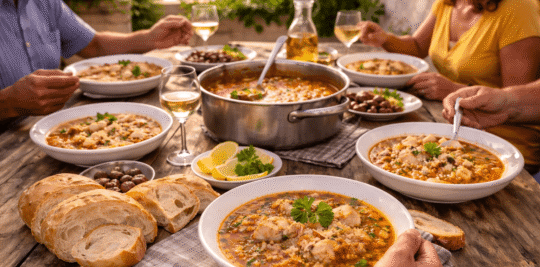
👉 https://toneandtaste.com/malta-food-guide/
This gives insight into how ingredients and techniques are used together, making it easier to recreate dishes in your own way.
Keep recipes short and repeatable
If a recipe is too long or complicated, you won’t repeat it—and repetition is what builds skill.
I always look for:
- Fewer than 10 main ingredients
- Clear step-by-step structure
- Cooking time under 30 minutes (when possible)
This keeps global cooking realistic and sustainable.
Focus on patterns instead of instructions
Across global cuisines, you’ll notice similar structures:
- Fresh dishes = base + topping + dressing
- Cooked dishes = aromatics + main ingredient + seasoning
- Drinks and light recipes = balance of sweet, acid, and texture
Once you recognize these patterns, you can adapt recipes instead of relying on them.
Build a simple global routine
Instead of constantly searching for new recipes, create a small system:
- 1 fresh or no-cook recipe
- 1 structured meal
- 1 quick fallback option
Rotate these weekly. This gives you variety while keeping effort low.
Start here
If you want to find simple recipes inspired by global cuisines and actually start cooking them, begin scrolling through recipes and find the most yummy recipe.
Start simple, repeat what works, and then expand. That’s how global cooking becomes part of your routine instead of something you only try once.