

Tunisian Food Lunch
Mlewi: Tunisian Flaky Flatbread Recipe
Tunisia’s Flaky Flatbread You’ll Fall in Love With.
Serves
6
Calories
210 kcal
Cuisine
Tunisian


On this page: What is it · History · What you need · Step by step · Serving & storage · Recipe card
Mlewi (sometimes spelled Mlawi) is a traditional Tunisian flatbread, made from semolina flour, folded into thin layers, and cooked on a hot griddle until golden, flaky, and slightly chewy. It’s one of the most popular street foods in Tunisia — eaten plain, drizzled with honey, or stuffed with savory fillings like tuna, eggs, cheese, or spicy merguez sausage. The beauty of Mlewi is its simplicity: just flour, water, oil, and salt, transformed into something addictive.
What Is It?
They’re similar, but not the same. Moroccan Msemen is a square, layered flatbread made with flour and semolina, while Tunisian Mlewi is usually round, thinner, and made mainly with semolina flour. Both are folded and cooked on a griddle, but Mlewi has a slightly chewier bite and is more often used as sandwich bread in Tunisia.
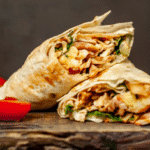
Mlewi is the flatbread itself, while Makloub is a pressed Tunisian sandwich that can be made with Mlewi or other types of bread. Think of Mlewi as the base, and Makloub as one of the delicious dishes you can create with it.
Mlewi is made from simple ingredients — semolina, water, salt, and oil — so it’s more wholesome than heavily processed breads. It’s high in carbohydrates for energy and contains some fiber from the semolina. Of course, since it’s cooked with oil, it’s not diet food — but compared to fried snacks, it’s a lighter option.
A Little History
Tunisians enjoy it with honey or jam for a quick breakfast. At lunch, it becomes a sandwich base stuffed with tuna, harissa, or fresh vegetables. And at night, you’ll often see it paired with grilled meats or cheese. It’s cheap, fast, and always satisfying — the perfect street food.
At a glance
Serves
6
Calories
210 kcal
Protein
6 g
Course
Snack
Why it works
01 Just semolina, water, salt and oil
02 Folding creates the flaky layers
03 Sweet with honey or savory as a wrap
Cooking this later?
Save it to your Pinterest board so it’s there when you need it.
What You Need
Exact amounts are in the recipe card
Equipment tip: A broad, evenly heated surface helps with flaky flatbreads; see the cast-iron griddle we recommend.
For the Mlewi
- fine semolina flour
- salt
- warm water
- olive oil, plus more for shaping and cooking
- extra flour or semolina for dusting (optional)
Step-by-Step Instructions
The dough is kneaded until smooth, then divided into balls. Each ball is flattened, stretched thinly, and folded into layers before being cooked on a flat griddle with a touch of oil. The folding gives Mlewi its characteristic flakiness — a texture somewhere between a flatbread and a pastry. Watching a street vendor stretch, fold, and cook Mlewi to order is half the magic, and biting into one hot from the griddle is the other half.
Yes! Mlewi is surprisingly easy to make in your own kitchen. All you need is semolina flour, water, a bit of oil, and a hot pan. The secret is in stretching the dough thinly and folding it to create layers. Even if your first ones aren’t perfect, they’ll still taste delicious.
1. Make the dough
In a large bowl, mix the semolina flour and salt. Gradually add warm water and knead until you have a soft, elastic dough (about 10 minutes). Add olive oil and knead again briefly.
Tip: Dough should feel soft but not sticky. Add water or semolina as needed.
2. Rest the dough
Cover and let rest for 30 minutes at room temperature.
3. Shape the mlewi
Divide the dough into 6–8 balls. On a lightly oiled surface, flatten each ball thinly into a circle, then fold the sides inward to form a square or fold into layers for extra flakiness.
4. Cook
Heat a griddle or non-stick pan over medium heat. Brush lightly with oil and cook each mlewi until golden brown spots appear on both sides (2–3 minutes per side).
5. Serve
Enjoy warm with honey, olive oil, cheese, or use as a wrap for sandwiches.
Serving & Storage
Serving
Mlewi can be eaten sweet or savory: with honey or sugar for breakfast, with harissa, tuna, and egg for a street sandwich, with cheese and olives for a light snack, or with grilled meats like merguez sausage for dinner.
Its neutral flavor makes it the perfect base for almost anything.
Storing Leftovers
Mlewi is best eaten fresh off the pan, but you can reheat it in a dry skillet.
| Mlewi | best on the day, reheat in a dry skillet |
Mlewi (Tunisian Flatbread)
Ingredients
- 500 g semolina flour fine
- 1 tsp salt
- 250 ml warm water adjust as needed
- 2 tbsp olive oil plus more for shaping and cooking
- Optional: extra flour or semolina for dusting
Instructions
- Make the dough: In a large bowl, mix the semolina flour and salt. Gradually add warm water and knead until you have a soft, elastic dough (about 10 minutes). Add olive oil and knead again briefly.
- Rest the dough: Cover and let rest for 30 minutes at room temperature.
- Shape the Mlewi: Divide the dough into 6–8 balls. On a lightly oiled surface, flatten each ball thinly into a circle, then fold the sides inward to form a square or fold into layers for extra flakiness.
- Cook: Heat a griddle or non-stick pan over medium heat. Brush lightly with oil and cook each Mlewi until golden brown spots appear on both sides (2–3 minutes per side).
- Serve: Enjoy warm with honey, olive oil, cheese, or use as a wrap for sandwiches.
Made this mlewi?
Rate it with the stars in the recipe card and tell us how it went in the comments: what you swapped, what you added, how spicy you made it.
Products we use
Our kitchen kit for this recipe
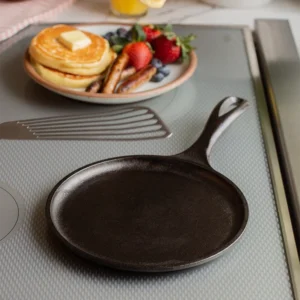
Lodge Cast Iron Round Griddle (26.7 cm)
View in shop
T-fal Stainless Steel Cookware Set (11-piece)
View in shop
Stainless Steel Bowls
View in shop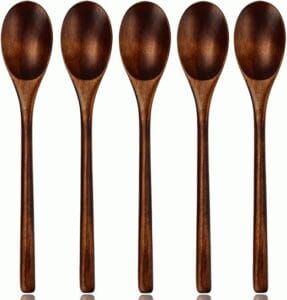
Wooden Spoons
View in shopMore to cook
More recipes from our kitchen

Tunisia
Makloub

Tunisia
Kaskrout Lablebi
Tunisia
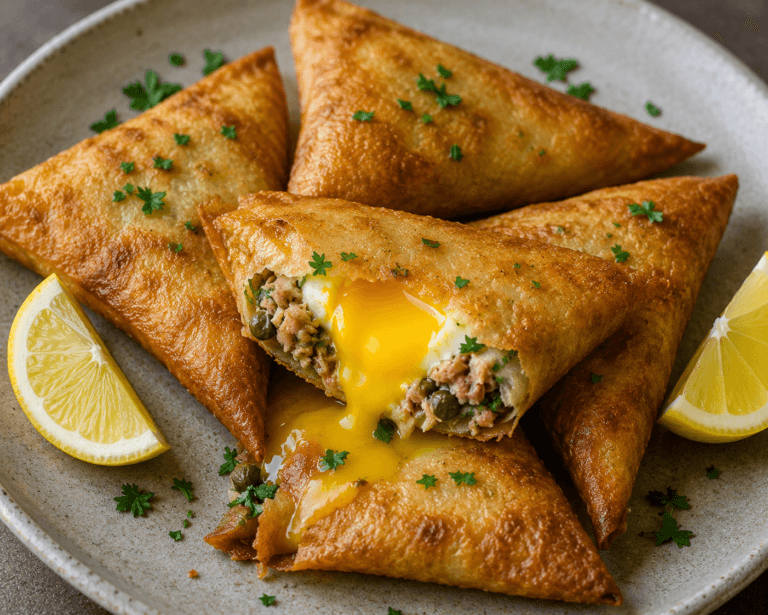
Brik