

Tunisian Food Sweets
Makroudh: Tunisian Date-Filled Semolina Pastries Recipe
Crisp semolina pastry wrapped around spiced date paste, cut into diamonds, fried and dipped in orange blossom syrup. Tunisia’s favourite sweet for Eid.
Makes
30
Calories
150 kcal each
Cuisine
Tunisian
On this page: What is it · History · What you need · Step by step · Serving & storage · Recipe card
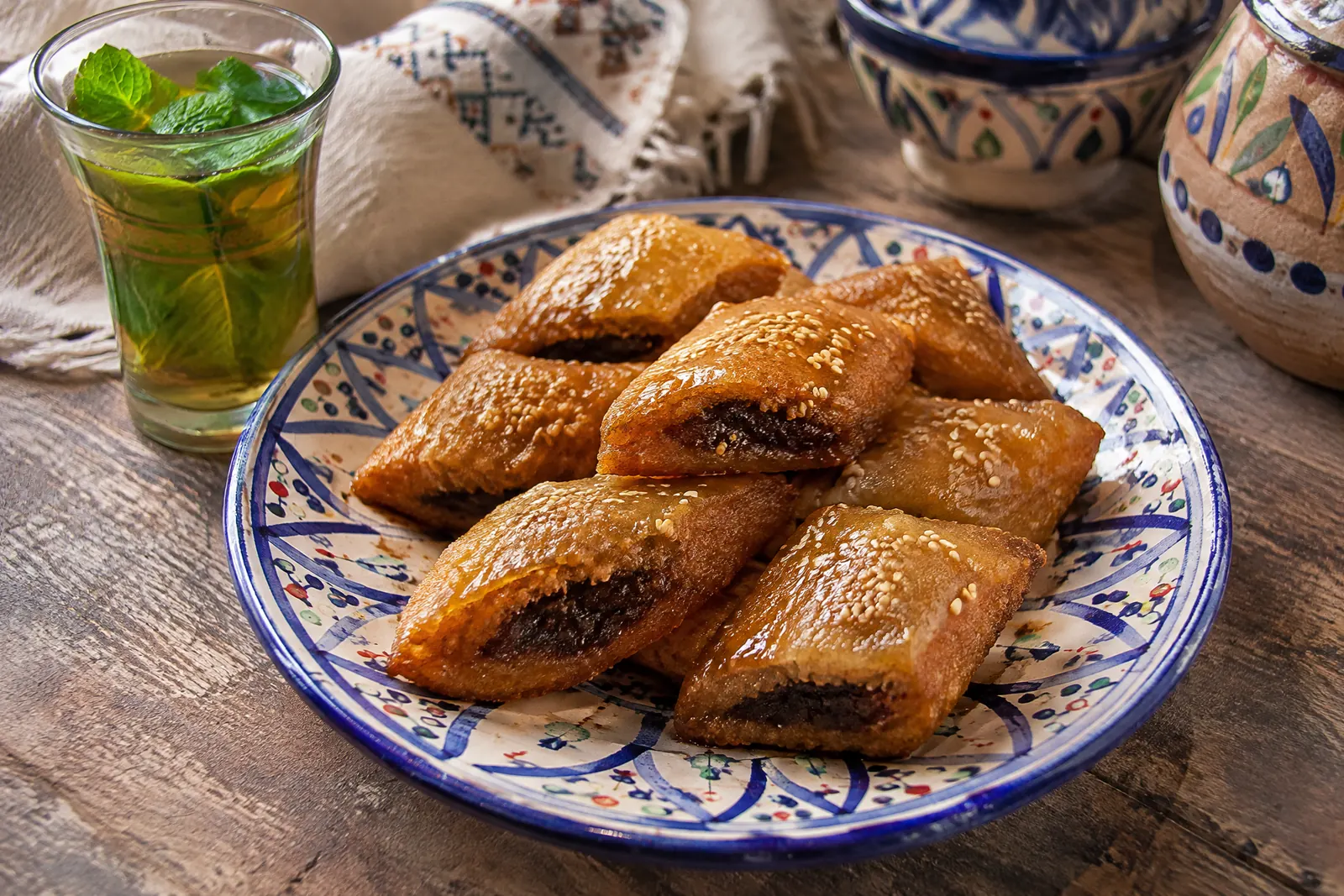
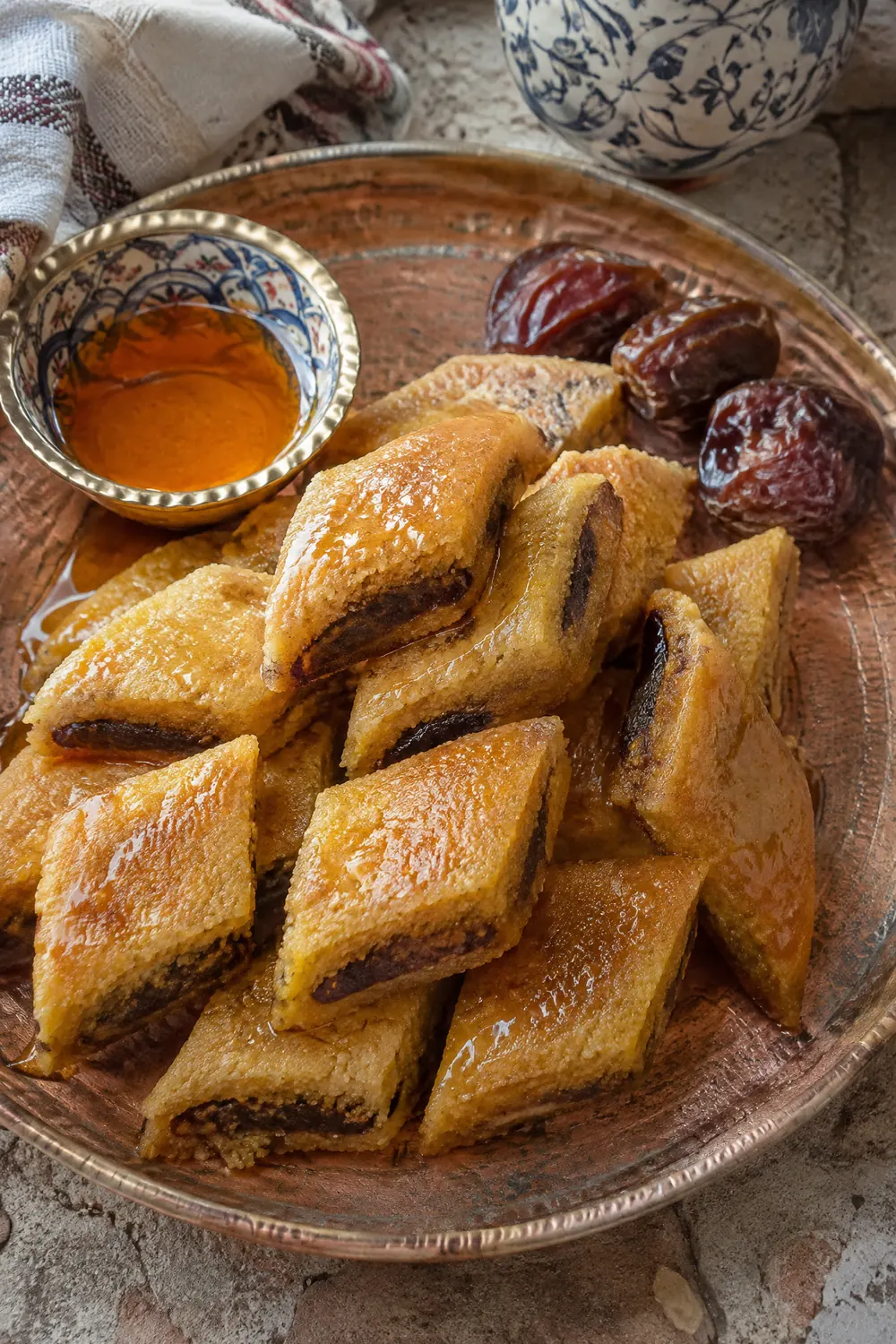
Makroudh are small Tunisian pastries made from semolina dough wrapped around a ribbon of date paste. They are cut into diamonds, fried until crisp and dipped in syrup, so they are crunchy outside and soft and sticky inside.
They are sold by the kilo in pastry shops and markets all over Tunisia, and they are on every table at Eid. We bought them often during our winter there; making them at home is easier than it looks.
Plan about an hour and a half, including resting the dough.
What Is Makroudh?
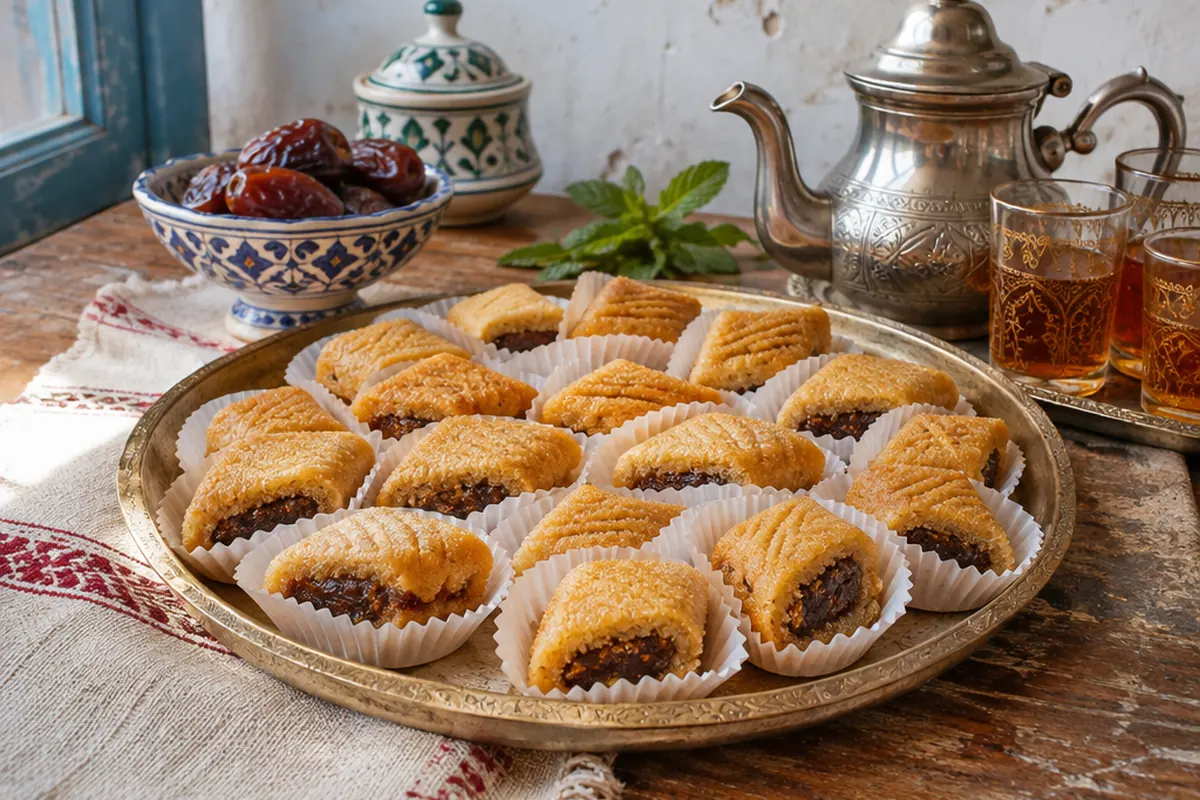
Makroudh (also makrout or maqrout) is a pastry of coarse semolina rubbed with oil, bound with a little water and orange blossom water, and filled with date paste spiced with cinnamon. The surface is pressed with a patterned mould or scored with a knife before cutting.
Most are fried and then soaked in syrup or honey. A baked version exists too; it is drier and less sweet but keeps longer.
The pastry should be crisp and sandy, never doughy, and the date layer should run through the middle of every piece.
A Little History
Makroudh is most closely linked with Kairouan, the old holy city in central Tunisia, where it has been made for centuries and is still sold in shops that specialise in nothing else. The same pastry is made across Algeria, Morocco and Libya under similar names.
Dates and semolina are two of the oldest staples in Tunisian cooking, and makroudh brings them together. Families make large batches before Eid al-Fitr at the end of Ramadan, and for weddings and other celebrations.
Today, Kairouan makroudh is one of Tunisia’s best-known sweets, and boxes of it are a classic gift.
Planning a trip, or just back from one? Our Tunisian food guide covers what to eat, and the Tunisia travel and food guide covers where to stay and what to explore.
At a glance
Makes
30
Calories
150 kcal each
Protein
2 g
Course
Sweet, Snack
Why it works
01 Only a handful of pantry ingredients
02 Crisp outside, soft date middle
03 Keeps for a week in a tin
Cooking this later?
Save it to your Pinterest board so it’s there when you need it.
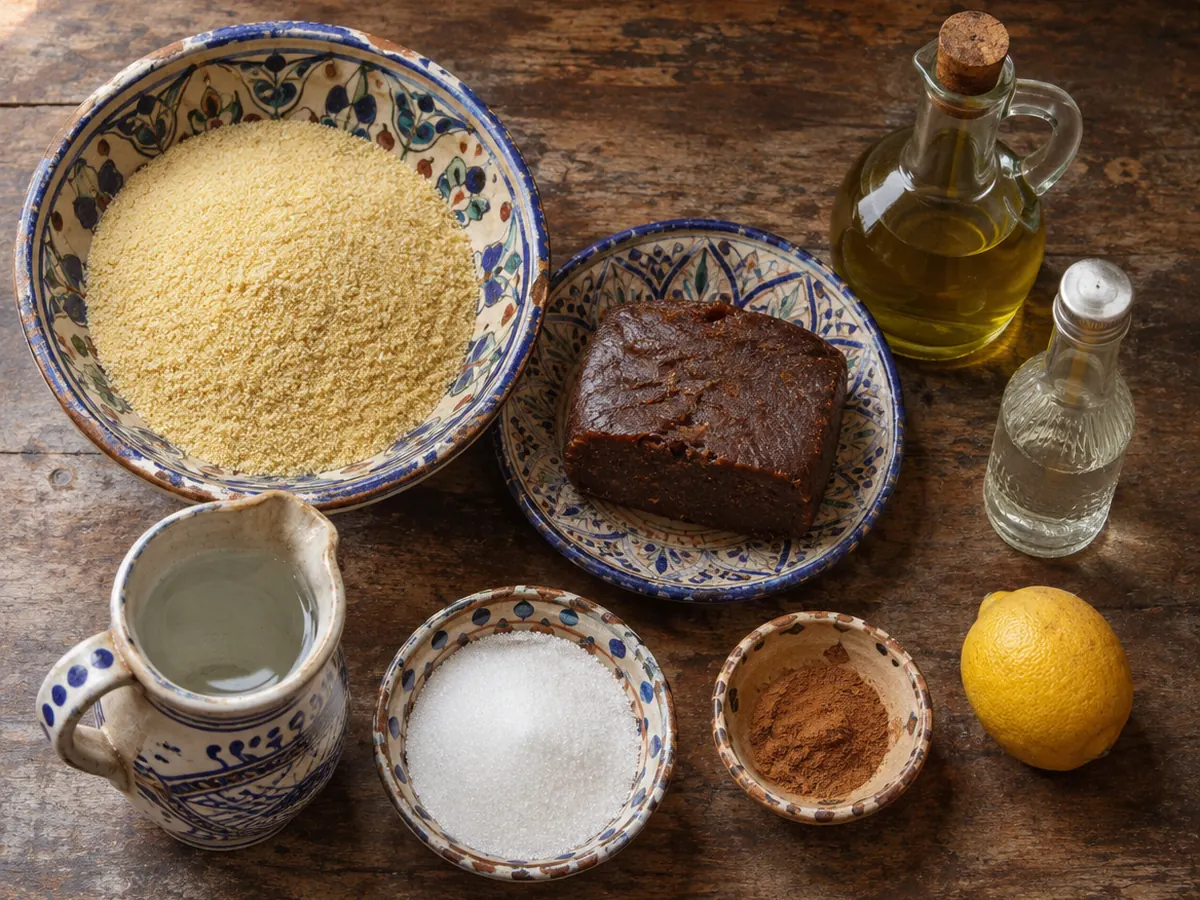
What You Need
Exact amounts are in the recipe card
For the Dough
- coarse semolina
- fine sea salt
- olive oil, or half olive, half sunflower oil
- warm water, added a little at a time
- orange blossom water
For the Filling
- date paste, or soft pitted dates, blended
- ground cinnamon
- ground cloves
- olive oil
- orange blossom water
For the Syrup
- sugar
- water
- lemon juice
- orange blossom water
To Fry
- sunflower oil, for deep frying
Step-by-Step Instructions
Make the syrup first so it can cool, then the filling, then the dough. Shaping takes a little practice; the first log is always the slowest.
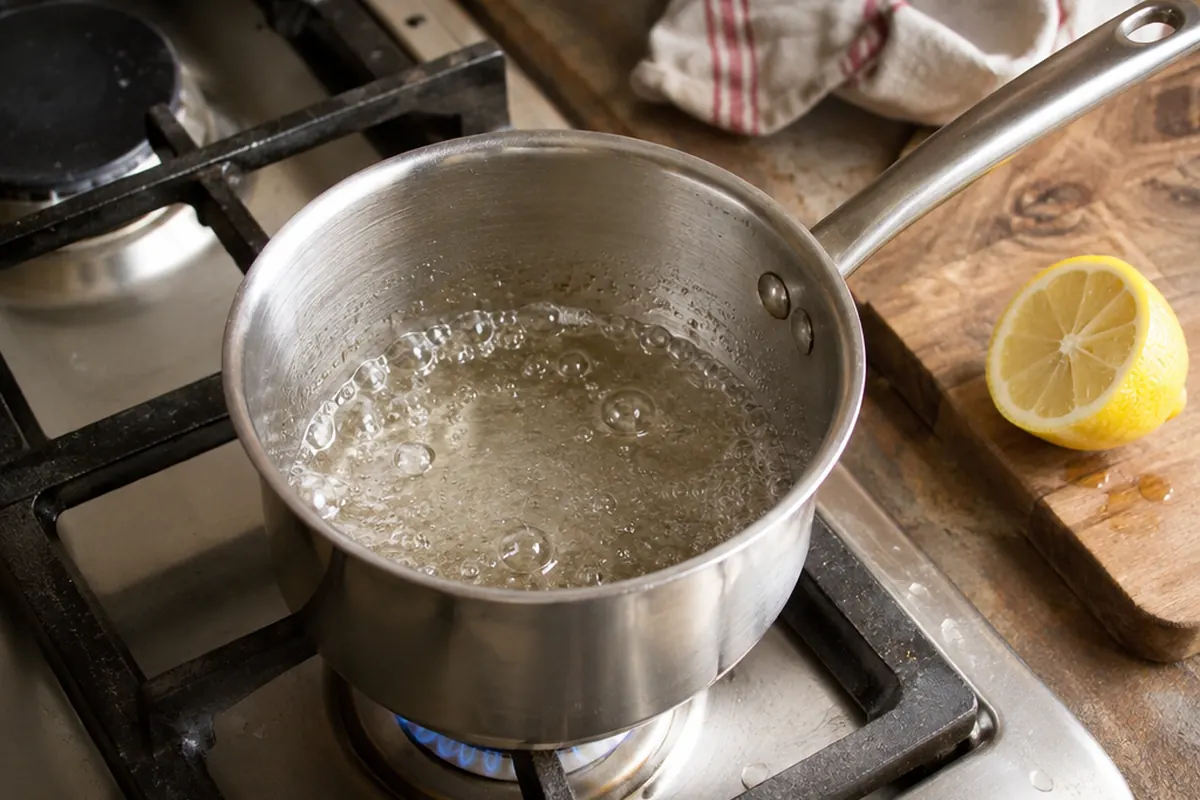
1. Make the syrup
Put the sugar, water and lemon juice in a small saucepan. Bring to the boil, then simmer for 8 to 10 minutes until slightly syrupy. Stir in the orange blossom water and leave to cool until just warm.
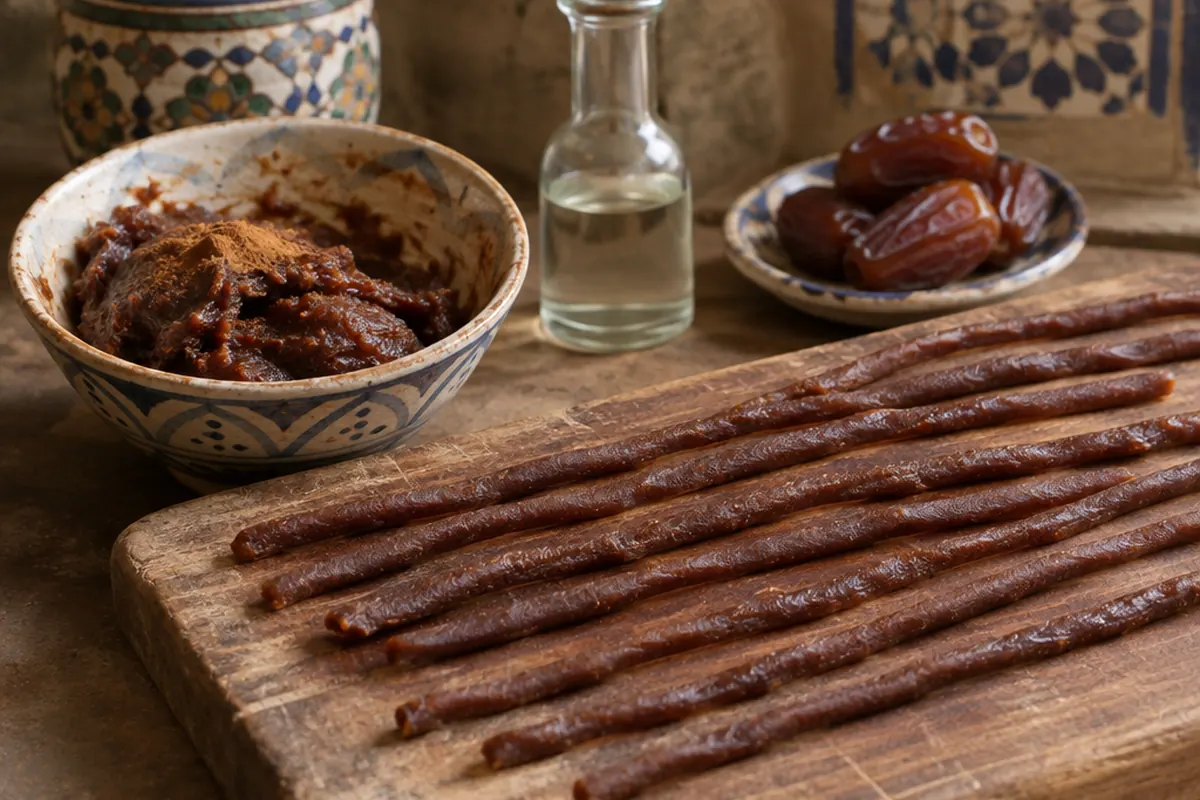
2. Make the date filling
Knead the date paste with the cinnamon, cloves, olive oil and orange blossom water until smooth and soft. Divide into 4 pieces and roll each into a rope about 1.5 cm thick.
Tip: If the paste is too firm to roll, warm it for a few seconds in the microwave or knead in a teaspoon of water.
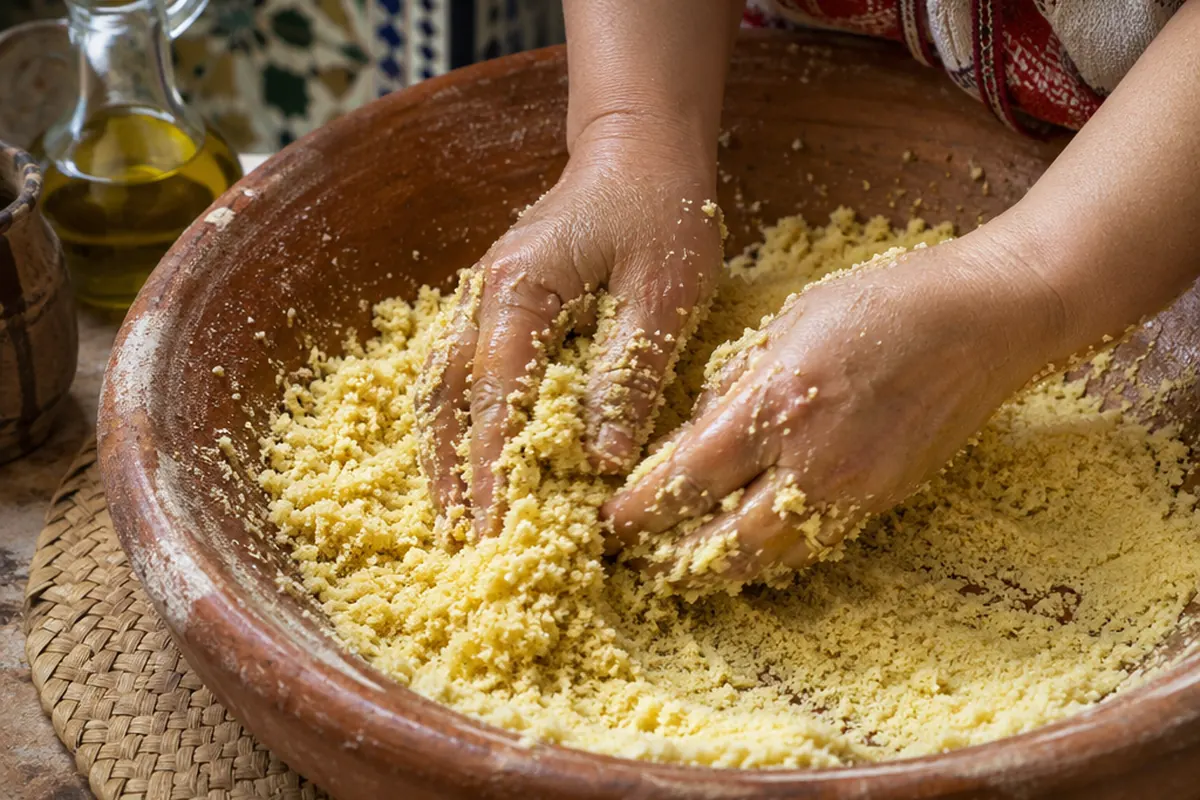
3. Make the semolina dough
Mix the semolina and salt in a wide bowl. Pour in the oil and rub it in with your fingertips for 3 to 4 minutes, until every grain is coated and the mixture feels like damp sand. Cover and rest for 30 minutes. Then sprinkle in the orange blossom water and enough warm water, a little at a time, to bring it together into a soft dough. Do not knead it.
Tip: Rubbing in the oil and letting it rest is what makes the pastry crisp and sandy. Kneading develops gluten and makes it tough.
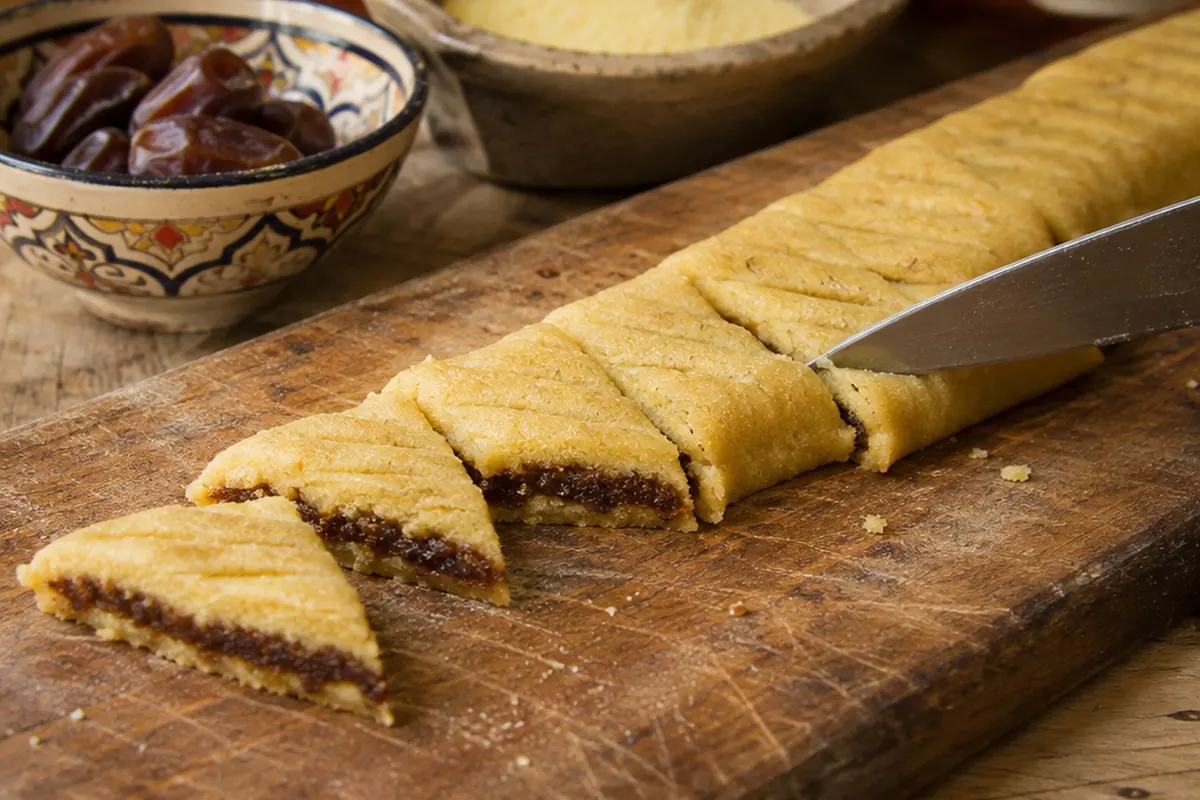
4. Shape and cut
Take a quarter of the dough and shape it into a log about 3 cm thick. Press a deep groove along the top, lay a date rope inside and pinch the dough over it to enclose it completely. Roll gently to seal, then flatten to about 2 cm high. Score the top with a knife or press with a makroudh mould, then cut on the diagonal into diamonds about 4 cm long. Repeat with the rest.
5. Fry and soak
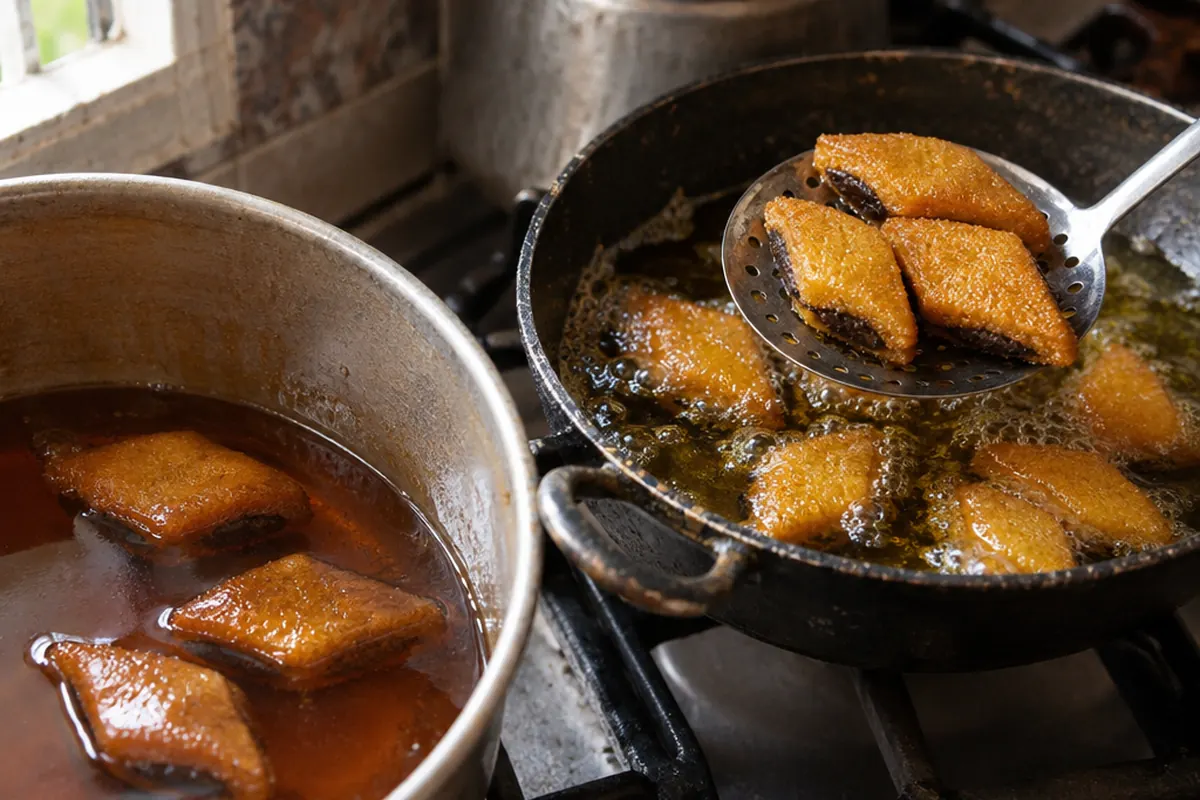
Heat the frying oil to 170°C. Fry the makroudh in batches for 5 to 6 minutes, turning once, until deep golden. Lift out with a slotted spoon, drain for a few seconds, then drop into the warm syrup for 1 to 2 minutes. Transfer to a rack to drain and set.
Tip: Hot pastries into warm, not hot, syrup keeps them crisp. If the syrup is too hot they turn soggy.
Serving & Storage
Serving
Serve makroudh at room temperature with mint tea, Tunisian tea with pine nuts or strong coffee. Arrange them in paper cases for a festive tray at Eid.
For a less sweet finish, dip them in warm honey instead of syrup and sprinkle with a few sesame seeds.
Storing Leftovers
Once completely cool, keep makroudh in an airtight tin at room temperature, layered with baking paper.
| Makroudh | up to 1 week |
| Freezer, unsoaked | up to 2 months |
| Syrup | 2 weeks in the fridge |
To freeze, fry but skip the syrup. Thaw, warm in the oven at 160°C for 5 minutes, then dip in warm syrup.
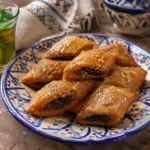
Makroudh (Tunisian Date Pastries)
Equipment
- Large wide bowl
- Small saucepan
- Deep pan or fryer
- Kitchen thermometer
- Sharp knife
- Slotted spoon
Ingredients
Dough
- 500 g coarse semolina
- 1/2 tsp fine sea salt
- 150 ml olive oil or half olive, half sunflower oil
- 150 ml warm water added a little at a time
- 1 tbsp orange blossom water
Filling
- 350 g date paste or soft pitted dates, blended
- 1 tsp ground cinnamon
- 1 pinch ground cloves
- 1 tbsp olive oil
- 1 tbsp orange blossom water
Syrup
- 300 g sugar
- 200 ml water
- 1 tbsp lemon juice
- 1 tbsp orange blossom water
To Fry
- sunflower oil for deep frying
Instructions
- Put the sugar, water and lemon juice in a small saucepan. Bring to the boil, then simmer for 8 to 10 minutes until slightly syrupy. Stir in the orange blossom water and leave to cool until just warm.
- Knead the date paste with the cinnamon, cloves, olive oil and orange blossom water until smooth and soft. Divide into 4 pieces and roll each into a rope about 1.5 cm thick.
- Mix the semolina and salt in a wide bowl. Pour in the oil and rub it in with your fingertips for 3 to 4 minutes, until every grain is coated and the mixture feels like damp sand. Cover and rest for 30 minutes. Then sprinkle in the orange blossom water and enough warm water, a little at a time, to bring it together into a soft dough. Do not knead it.
- Take a quarter of the dough and shape it into a log about 3 cm thick. Press a deep groove along the top, lay a date rope inside and pinch the dough over it to enclose it completely. Roll gently to seal, then flatten to about 2 cm high. Score the top with a knife or press with a makroudh mould, then cut on the diagonal into diamonds about 4 cm long. Repeat with the rest.
- Heat the frying oil to 170°C. Fry the makroudh in batches for 5 to 6 minutes, turning once, until deep golden. Lift out with a slotted spoon, drain for a few seconds, then drop into the warm syrup for 1 to 2 minutes. Transfer to a rack to drain and set.
Made makroudh?
Rate them with the stars in the recipe card and tell us in the comments whether you fried or baked them.
Products we use
Our kitchen kit for this recipe
T-fal Deep Fryer with Oil Filtration (3.5 L)
View in shop
Stainless Steel Bowls
View in shop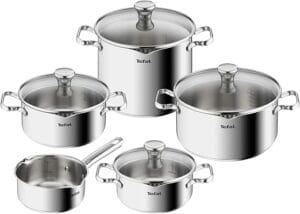
T-fal Stainless Steel Cookware Set (11-piece)
View in shop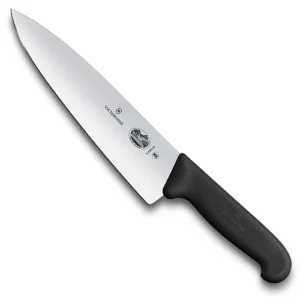
Victorinox Fibrox Pro Chef’s Knife (20 cm)
View in shopMore to cook
More Tunisian recipes from our kitchen

Tunisia
Bambalouni

Tunisia
Pine Nut Tea

Tunisia
Tunisian Couscous