

Tunisian Food Mains
Tunisian Tajine Recipe — Baked Egg & Cheese Frittata
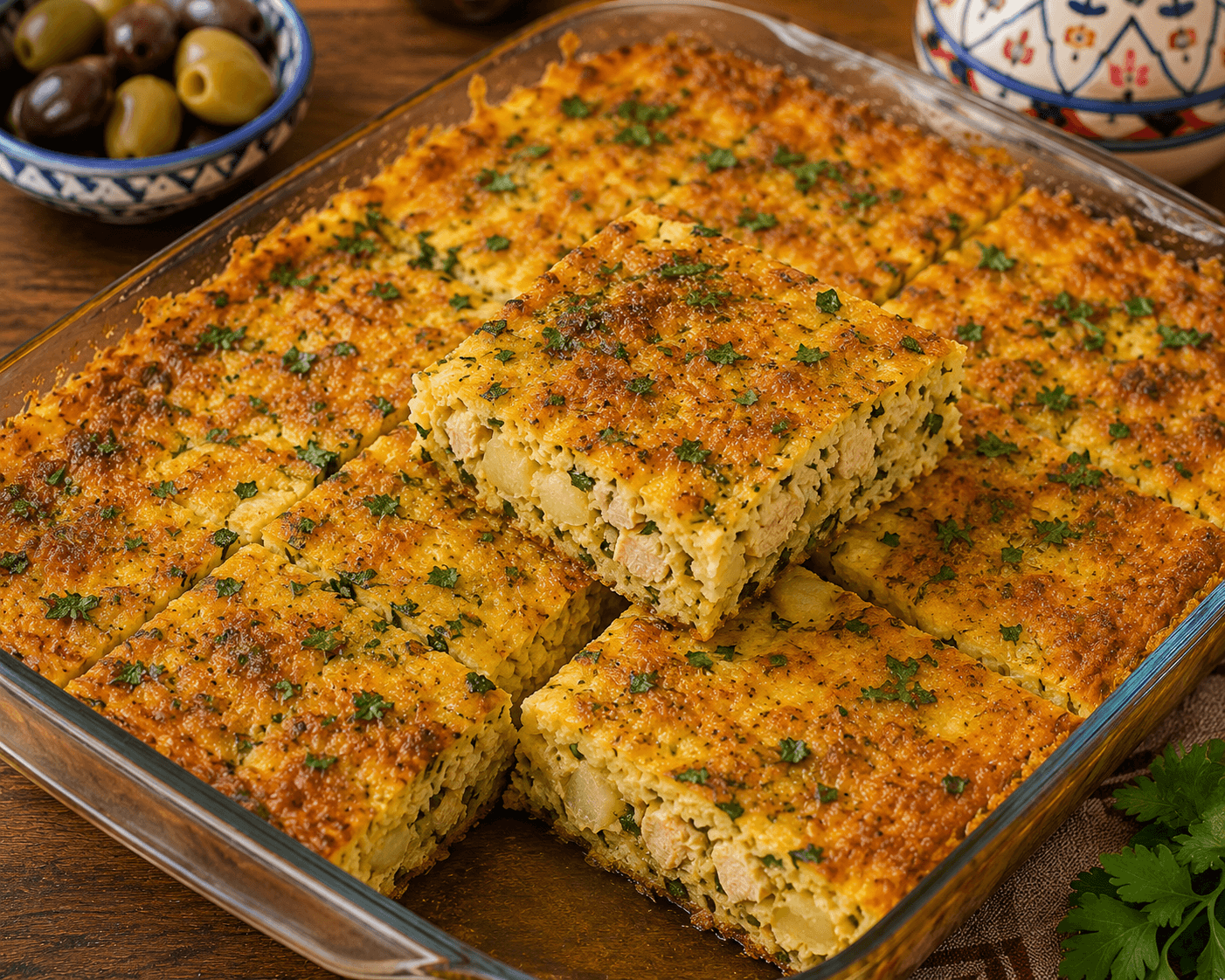
Traditional Tunisian Tajine with Chicken, Potato & Herbs.
Serves
6
Calories
260 kcal
Cuisine
Tunisian

On this page: What is it · History · What you need · Step by step · Serving & storage · Recipe card
Tunisian tajine is completely different from the slow-cooked Moroccan version many people know. In Tunisia, tajine is a rich baked egg dish somewhere between a frittata, casserole, and savory pie — packed with meat, herbs, cheese, potatoes, and warm spices.
Golden on top and soft inside, it is hearty, deeply comforting, and incredibly versatile. Served sliced into squares or wedges, Tunisian tajine is common at family meals, celebrations, and Ramadan tables.
The eggs hold everything together while spices, parsley, cheese, and tender meat create layers of flavor in every bite.
What Is It?
Tunisian tajine is a baked egg-based dish made with cooked meat, potatoes, cheese, herbs, and spices.
Unlike Moroccan tagines cooked in clay pots, Tunisian tajine is oven-baked in a dish until firm and golden. The texture sits between an omelette and a casserole, making it easy to slice and serve.
Chicken and lamb are common fillings, though variations with spinach, tuna, vegetables, or liver are also popular throughout Tunisia.
A Little History
The Tunisian word “tajine” shares roots with the North African cooking vessel but evolved into an entirely different style of dish within Tunisian cuisine.
Influences from Ottoman, Mediterranean, and Arab cooking traditions helped shape the baked egg structure commonly seen today.
Tajines became practical household dishes because they could stretch smaller amounts of meat using eggs, potatoes, herbs, and cheese while still feeding large families.
Today, Tunisian tajine remains a staple for gatherings, buffets, and shared meals.
At a glance
Serves
6
Calories
260 kcal
Protein
18 g
Course
Main, Side Dish
Why it works
01 Stretches a little meat into a full dish
02 Golden outside, soft inside
03 Holds together, good cold for picnics
Cooking this later?
Save it to your Pinterest board so it’s there when you need it.
What You Need
Exact amounts are in the recipe card
For the Tajine
- Chicken breast or lamb
- Onion
- Olive oil
- Eggs
- Potato
- Grated cheese
- Fresh parsley
- Ground turmeric
- Ground cumin
- Cinnamon
- Salt
- Black pepper
- Breadcrumbs
Step-by-Step Instructions
The onions and meat are first sautéed with spices to build flavor before being folded into beaten eggs with potatoes, herbs, cheese, and breadcrumbs.
Breadcrumbs help bind the mixture while also creating texture. Baking the tajine allows the eggs to puff slightly and firm up while the top develops a golden crust.
Letting the dish rest briefly after baking helps it slice cleanly into neat portions.
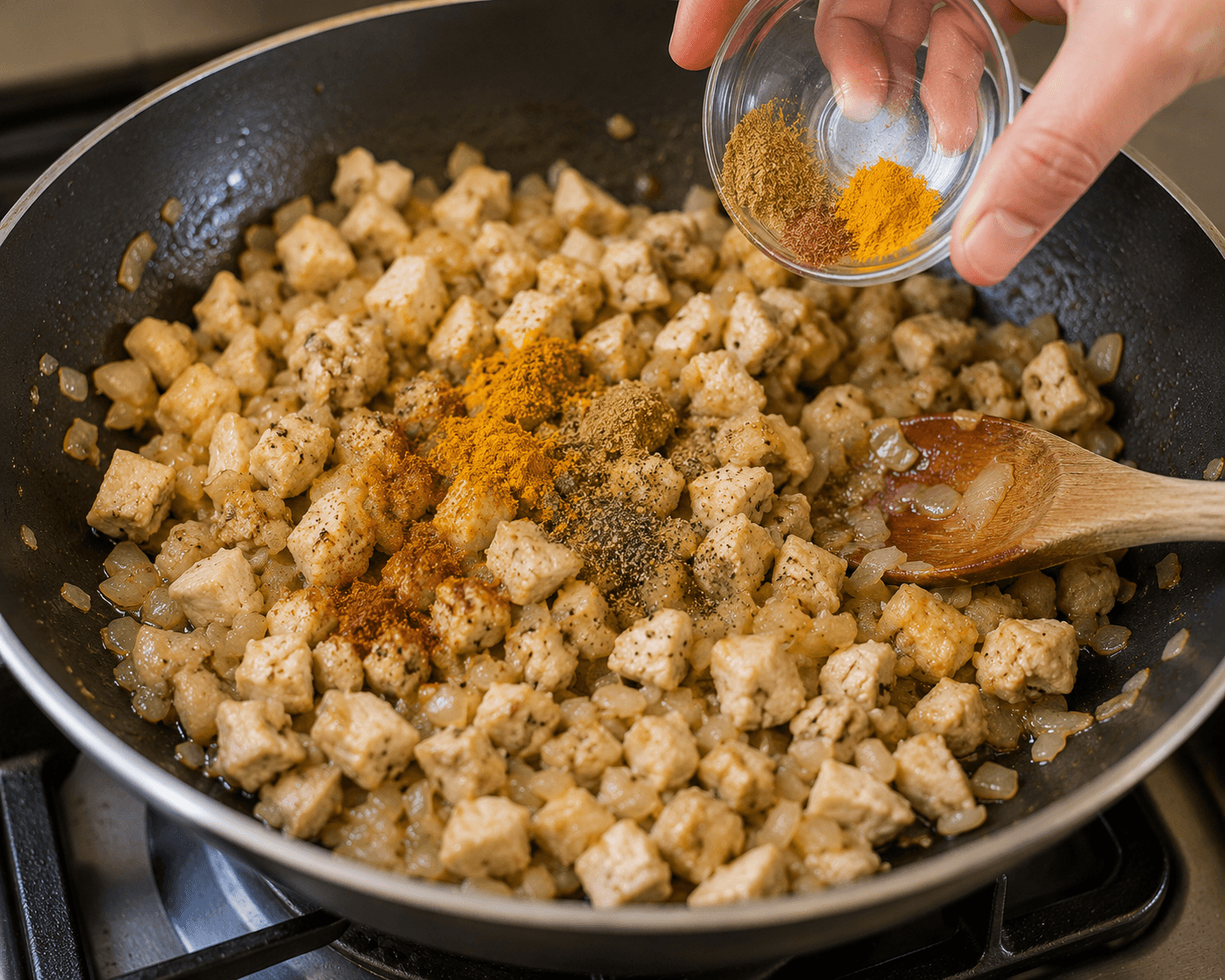
1. Cook the filling
Heat olive oil in a pan over medium heat.
Add the chopped onion and sauté until soft and translucent.
Stir in the cooked diced chicken or lamb.
Season with turmeric, cumin, cinnamon, salt, and black pepper.
Cook for 5–7 minutes until fragrant, then remove from heat.
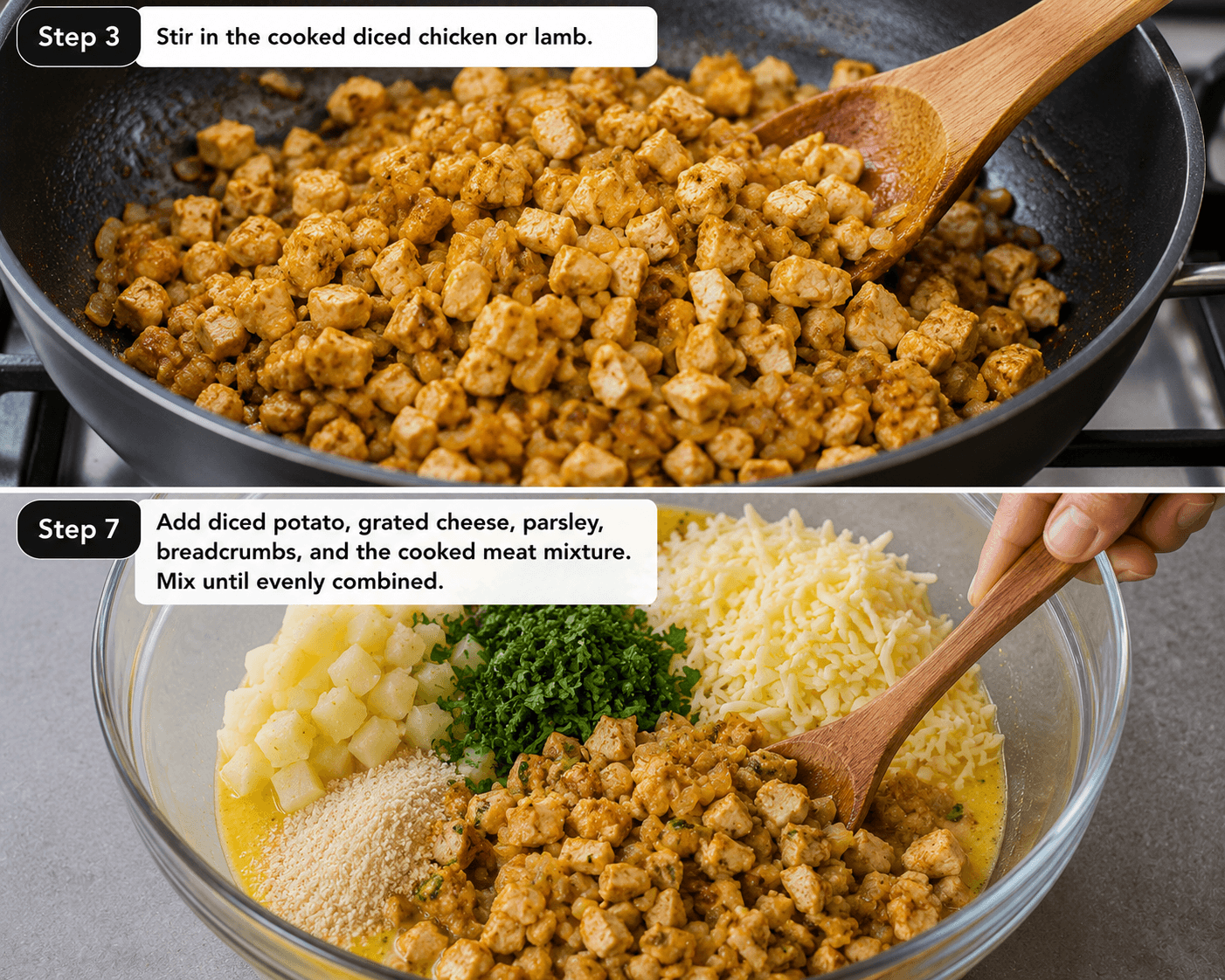
2. Mix with the eggs
In a large bowl, beat the eggs thoroughly.
Add diced potato, grated cheese, parsley, breadcrumbs, and the cooked meat mixture.
Mix until evenly combined.
Tip: Swap the chicken or lamb for tuna, merguez, or keep it vegetarian with spinach or zucchini.
3. Prepare the dish
Grease a baking dish lightly with olive oil.
Dust the dish with breadcrumbs to prevent sticking.
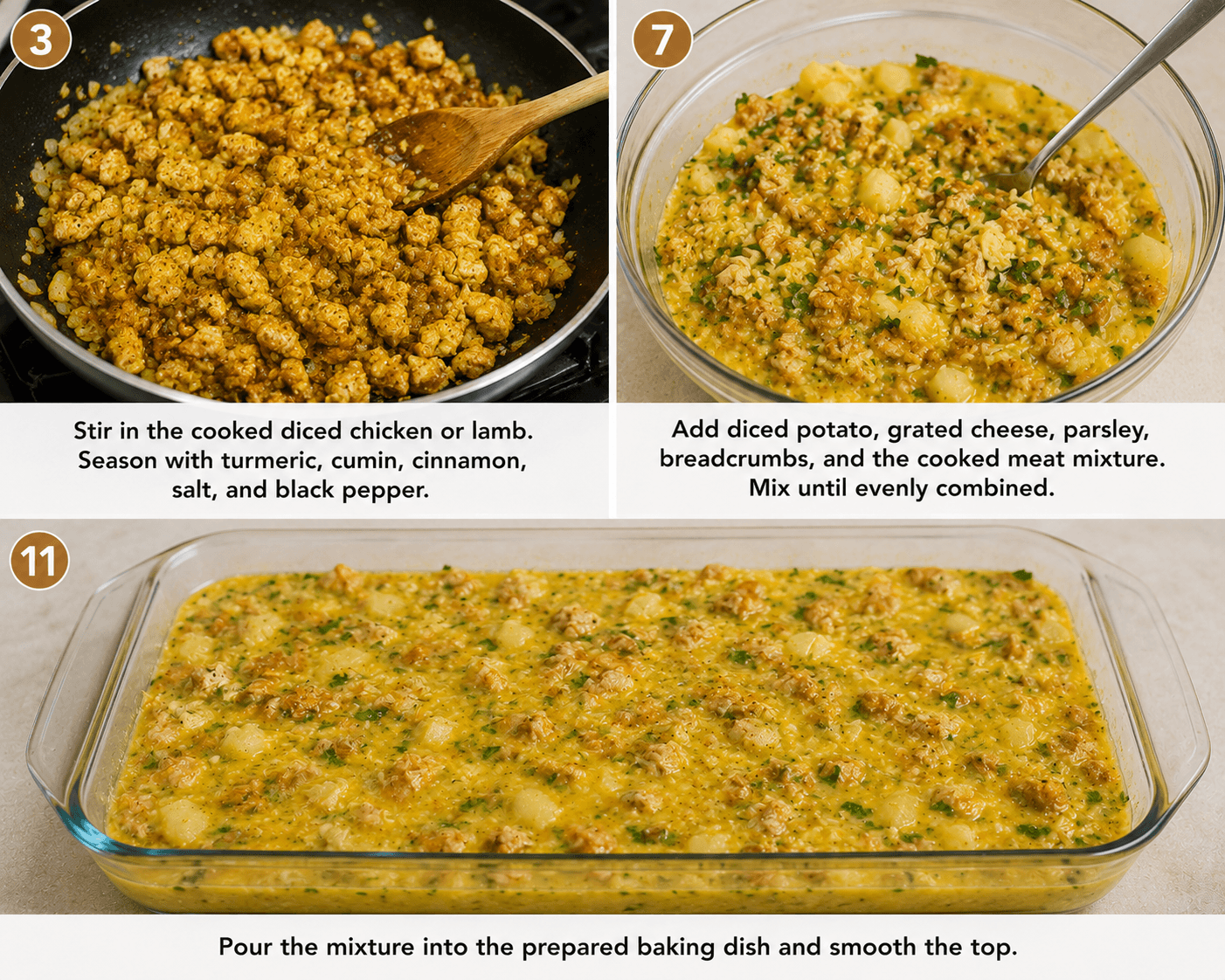
4. Bake and rest
Pour the mixture into the prepared baking dish and smooth the top.
Bake at 180°C (350°F) for 25–30 minutes until firm and golden.
Allow the tajine to cool slightly before slicing.
Serve warm or at room temperature.
Serving & Storage
Serving
Tunisian tajine is often served with salads, olives, harissa, bread, or fresh herbs.
It works well as a main meal, side dish, or part of a larger mezze-style spread.
Storing Leftovers
Store leftovers refrigerated in an airtight container for up to 3 days. It can be reheated gently in the oven or enjoyed cold.
| Tunisian tajine | up to 3 days |
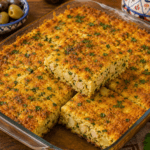
Tajine (Baked Egg & Meat Casserole)
Ingredients
- 300 g chicken breast or lamb cooked and diced
- 1 medium onion finely chopped
- 3 tbsp olive oil
- 5 large eggs
- 1 medium potato boiled and diced
- ½ cup grated cheese Gruyère, Parmesan, or local cheese
- 2 tbsp chopped parsley
- 1 tsp ground turmeric
- 1 tsp ground cumin
- ½ tsp cinnamon optional
- Salt and pepper to taste
- 2 tbsp breadcrumbs plus extra for dusting the baking dish
Instructions
- Prepare the meat: Heat olive oil in a pan and sauté the onion until soft. Add the diced cooked chicken or lamb, season with turmeric, cumin, cinnamon (if using), salt, and pepper. Cook for 5–7 minutes, then set aside.
- Mix the base: In a large bowl, beat the eggs. Stir in the diced potato, grated cheese, parsley, breadcrumbs, and the cooked meat mixture. Combine well.
- Prepare the dish: Grease a baking dish with olive oil and dust lightly with breadcrumbs to prevent sticking.
- Bake: Pour in the mixture, smooth the top, and bake in a preheated oven at 180°C (350°F) for 25–30 minutes, until firm and golden on top.
- Serve: Let cool slightly before slicing into squares or wedges. Serve warm or at room temperature.
Made this tajine?
Rate it with the stars in the recipe card and tell us how it went in the comments: what you swapped, what you added, how spicy you made it.
Products we use
Our kitchen kit for this recipe
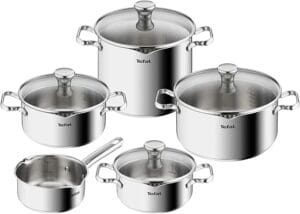
T-fal Stainless Steel Cookware Set (11-piece)
View in shop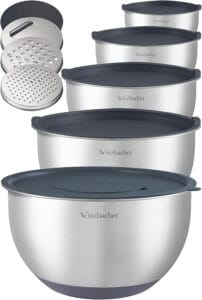
Stainless Steel Bowls
View in shop
Wooden Spoons
View in shopMore to cook
More recipes from our kitchen

Tunisia
Brik
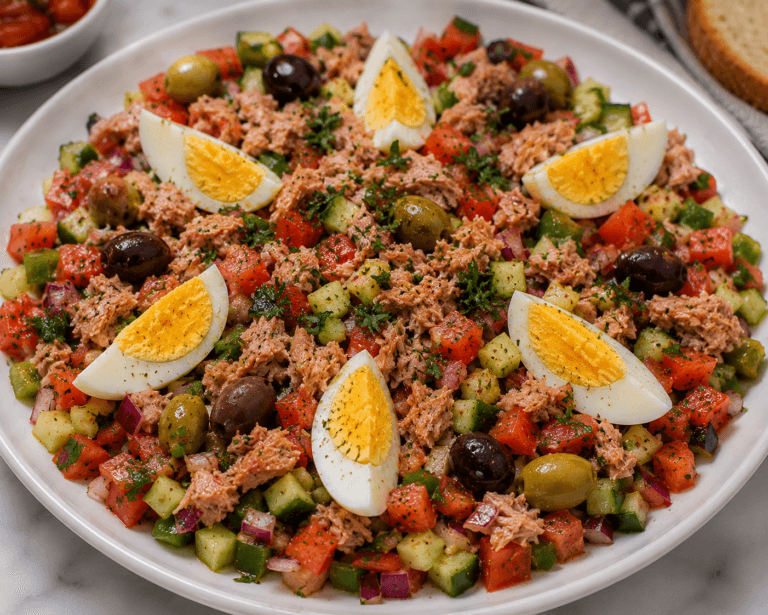
Tunisia
Slata Tounsiya
Tunisia
Lamb Marqa