

Healthy cooking Meal prep
Meal Prep Made Simple: A Chef’s System for the Week
Plan, batch cook, store and reheat like a professional kitchen, scaled down for a home fridge.
Prep time
2–3 hours a week
Fridge
3–4 days
Freezer
Up to 3 months
Reheat
Until piping hot

On this page: Why a system · The system · Planning · Storage · Reheating · Recipes · FAQ
Meal prep has a reputation for being boring: the same chicken, rice and broccoli in plastic boxes all week. It doesn’t have to be like that.
Done well, meal prep is simply a system. You decide what you’ll eat, cook the parts that take time in one go, and store them so that a good meal is ready when you are. The result is less stress, less waste and fewer last-minute takeaways.
Why a Chef Thinks in Systems
Before Tone & Taste, our chef Reiss built and ran a health-focused meal prep business. The menus rotated and were built around macronutrients, flavour variety and consistency at scale.
That last part is the key. In a professional kitchen you don’t rely on motivation; you rely on a system. Planning, prep lists, labelled containers, proper cooling and storage. The same thinking works at home, just on a smaller scale.
This guide breaks that system down into steps you can use every week.
At a glance
Best day
Whenever suits you
Start with
2–3 recipes
Key tool
Good containers
Golden rule
Label everything
Explore healthy cooking
Planning your prep day?
Pin this guide so the system and storage times are ready when you cook.
The Weekly Meal Prep System
Six steps, from planning to the plate. Once it becomes routine, most people can prep a good part of their week in a single afternoon.
01
Block out the time
Pick one session a week that suits your schedule, whether that’s Sunday afternoon or a weekday evening, and treat it like an appointment. Two to three hours is plenty to start.
02
Plan your meals
Choose two or three recipes, not seven. Aim for a protein, vegetables and a sensible carb in each meal, and pick dishes that reheat well, like stews, curries and sauces.
03
Shop from a list
Check what you already have, then write a list by recipe. It saves money and stops half-used ingredients piling up at the back of the fridge.
04
Batch cook the slow parts
Cook the things that take time all at once: a pot of stew, a tray of roasted vegetables, a batch of grains. Prep raw vegetables and marinades while they cook.
05
Cool, portion and label
Divide into individual containers, let them cool quickly, then label each with the dish and the date. It’s the habit that matters most.
06
Store and rotate
Keep what you’ll eat in the next few days in the fridge and freeze the rest. Eat the oldest first, just as a restaurant kitchen would.
Plan for Flavour, Not Just Macros
The quickest way to give up on meal prep is to get bored. A rotating menu solves that. Instead of making one dish in bulk, cook a few components that can be combined in different ways.
Pick a protein base
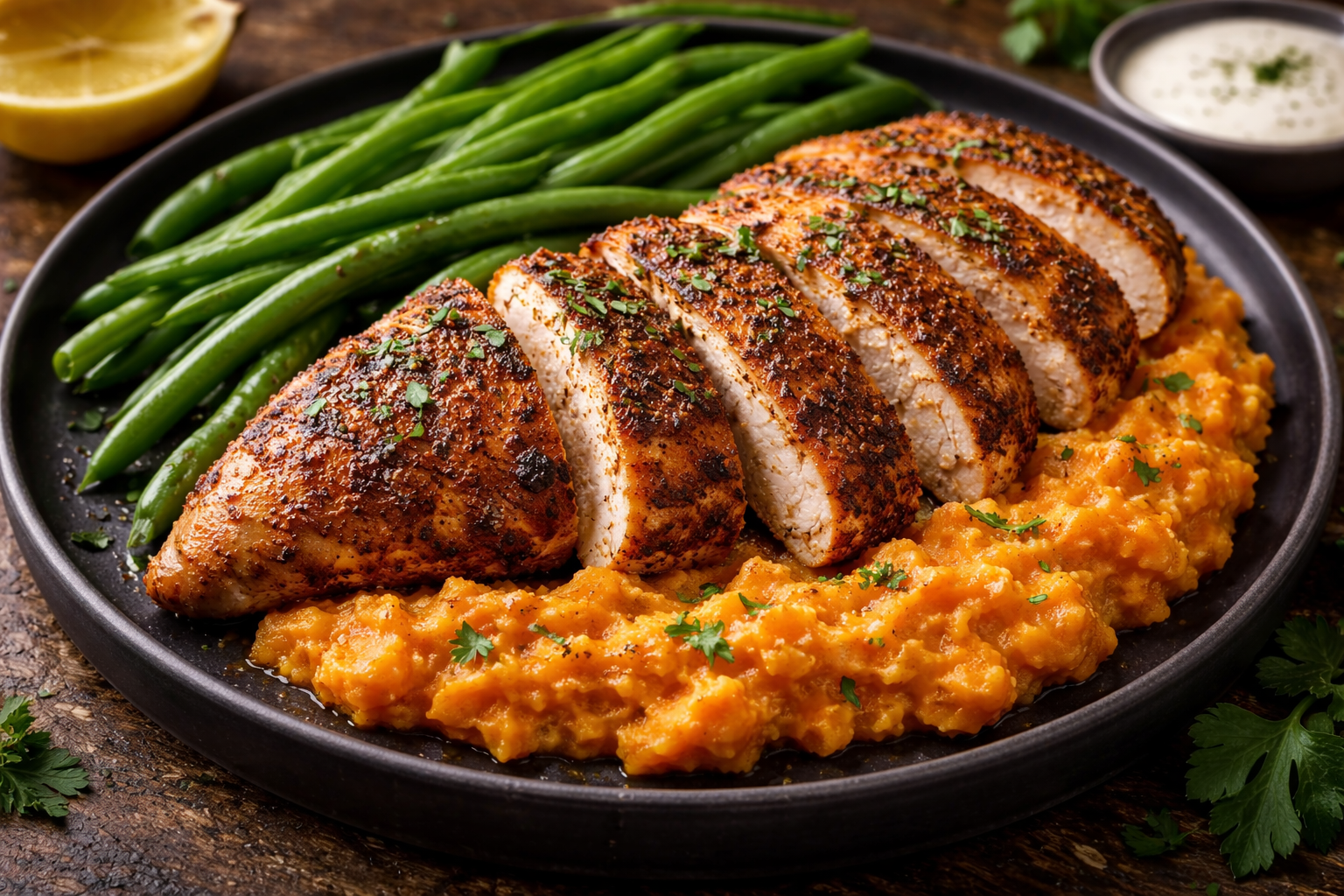
Something that works across several meals: Cajun chicken, a lean mince sauce or a pot of lentils.
Add a sauce or stew
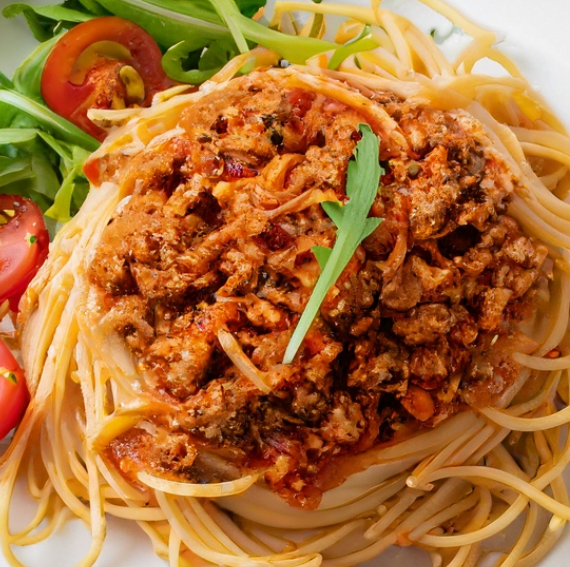
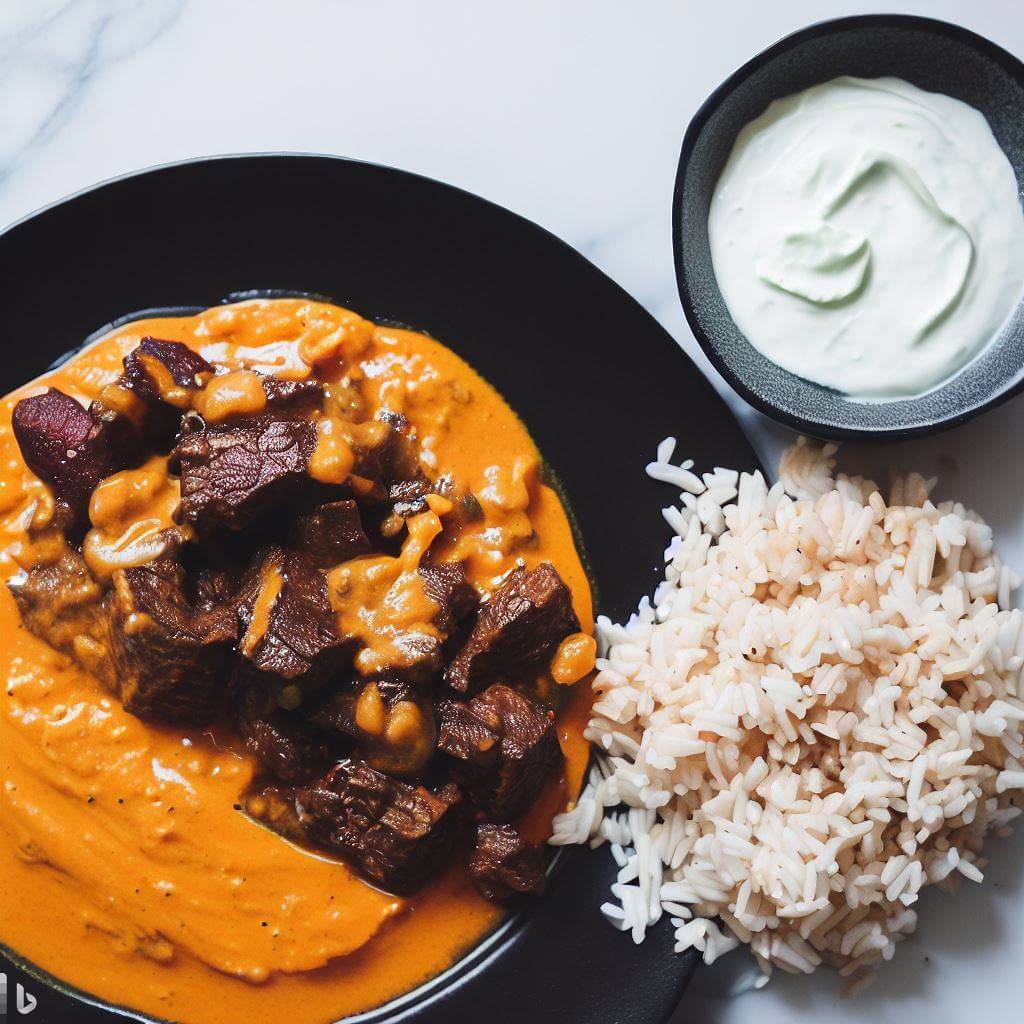
Dishes like Indian beef stew or dhal curry often taste even better the next day, once the spices have settled.
Keep fresh things fresh
Salads, herbs, citrus and crunchy toppings are best added on the day, so the meal still feels freshly made.
Change one or two components each week and the menu keeps moving without needing a whole new plan.
Storing Meals Safely
Good storage keeps meals tasting good and, more importantly, safe to eat. These are the general guidelines we work to.
In the fridge
Most cooked dishes keep for 3–4 days in the fridge at 5°C or below. Get food into the fridge within two hours of cooking, and spread it into shallow containers so it cools quickly.
Cooked rice is the exception: cool it fast and eat it within a day.
In the freezer
Anything you won’t eat within a few days should go in the freezer. Most cooked dishes keep their quality for two to three months.
Freeze in single portions, leave a little space at the top of the container and write the date on the lid.
Defrosting
The safest way is overnight in the fridge. If you’re short on time, use the defrost setting on the microwave and reheat straight away.
Don’t refreeze food that has already been defrosted and reheated.
Dry goods
Grains, pasta, tins and spices belong in a cool, dry cupboard away from direct sunlight. Keeping them stocked makes planning far easier.
Portioning and Reheating
Portioning is where meal prep pays off. Packing meals into individual containers on prep day means there are no decisions to make when you’re tired and hungry.
- Use one container per meal. It makes portions consistent and grabbing lunch easy.
- Reheat only once. Take out what you’ll eat and leave the rest in the fridge.
- Heat until piping hot. Food should be steaming hot all the way through. Stir halfway when using a microwave.
- Add a splash of water. Stews, sauces and grains can dry out; a little water before reheating keeps them moist.
- Keep crunchy toppings separate. Add them after reheating so they stay crisp.
Leftovers from a prep week can also become something new. Our guide to cooking with leftovers has ideas.
Recipes and tips on Tone & Taste are for everyday cooking inspiration, not medical or dietary advice. If you have specific health needs, talk to a doctor or registered dietitian.
Recipes that suit meal prep
Good Dishes to Batch Cook
These recipes hold up well in the fridge, reheat well or are quick to finish fresh on the day.
Slow-cooked
Freezer friendly
Protein base
High protein

Plant-based
Frequently Asked Questions
How long does meal prep last in the fridge?
Most cooked dishes keep for 3–4 days in the fridge at 5°C or below. Cooked rice is best eaten within a day. Freeze anything you won’t eat in that time.
How many days should I prep for?
Three to four days at a time works well for most people. Cook once at the weekend and again midweek, or freeze some portions for later in the week.
What dishes are best for meal prep?
Stews, curries, sauces, roasted vegetables, grains and cooked proteins all keep and reheat well. Leave salads and crunchy toppings to add on the day.
Can I reheat meal prep more than once?
It’s best to reheat each portion only once. Take out what you need and make sure it’s piping hot all the way through.
More healthy cooking
Chef-led, flavour-first ways to eat better every day
Healthy cooking
Healthy Cooking Guide
Healthy cooking
High-Protein Cooking
Healthy cooking
Cooking with Leftovers