

Healthy cooking Everyday swaps
Easy Healthy Swaps: More Vegetables, Less Effort, Real Life
Small, realistic changes that keep the flavour on the plate and fit around work, family and busy weeks.
Swaps
6 simple ones
Vegetables
Every meal
Approach
Flavour first
Effort
Low
On this page: Six swaps · Keep the flavour · More vegetables · Busy days · Recipes · FAQ
Eating a bit better rarely comes down to one big decision. It comes down to small swaps you barely notice, a few extra vegetables on the plate, and a plan that still works on the evenings when everything runs late.
That’s the approach behind everything in our Healthy Cooking guide. Our chef Reiss has spent more than 18 years in professional kitchens and built and ran a health-focused meal prep business, with rotating menus built around macronutrients, flavour variety and consistency. The lesson that carries over to a home kitchen is simple: if it doesn’t taste good, nobody keeps eating it.
So this isn’t a list of rules. It’s a set of practical swaps, ideas for getting more vegetables in without a fight, and a few habits that make healthy cooking easier on busy days.
At a glance
Best for
Busy weeks
Swaps
6
Veg ideas
Breakfast to dinner
Time
Minutes
Explore healthy cooking

Saving this for later?
Pin these swaps so they’re easy to find when you plan your week.
Six Simple Swaps
None of these ask you to give anything up completely. They’re easy trades that keep a meal satisfying while nudging it in a better direction.
01
Breakfast
Swap sugary cereal for porridge, eggs or wholegrain toast with avocado. If mornings are rushed, make overnight oats the night before.
02
Snacks
Swap crisps and sweet bars for fruit with yoghurt or nut butter, vegetable sticks with hummus, or a small handful of nuts.
03
Grains
Swap some of the white bread, rice and pasta for wholegrain versions, brown rice or quinoa. Going half and half is a good place to start.
04
Protein
Lean on chicken, fish, eggs, beans and lentils more often, and grill, bake or roast instead of deep-frying. Our high-protein cooking guide goes further.
05
Drinks
Swap fizzy drinks and sweetened juices for water with lemon, cucumber or mint, or a pot of herbal tea. Homemade smoothies beat most shop-bought ones.
06
Sweet things
Keep dessert, just change the shape of it: fruit-based puddings, a couple of squares of dark chocolate, or a smaller portion of the real thing.
A swap only sticks if you actually enjoy the result. If one doesn’t work for you, drop it and try another. There’s no prize for forcing yourself through food you don’t like.
Swaps That Keep the Flavour
The best swaps are the ones that still feel like the dish you wanted. A few from our kitchen:

Baked fish ‘n chips
All the comfort of the chippy classic, baked instead of fried. Our healthy fish ‘n chips keeps the crunch.
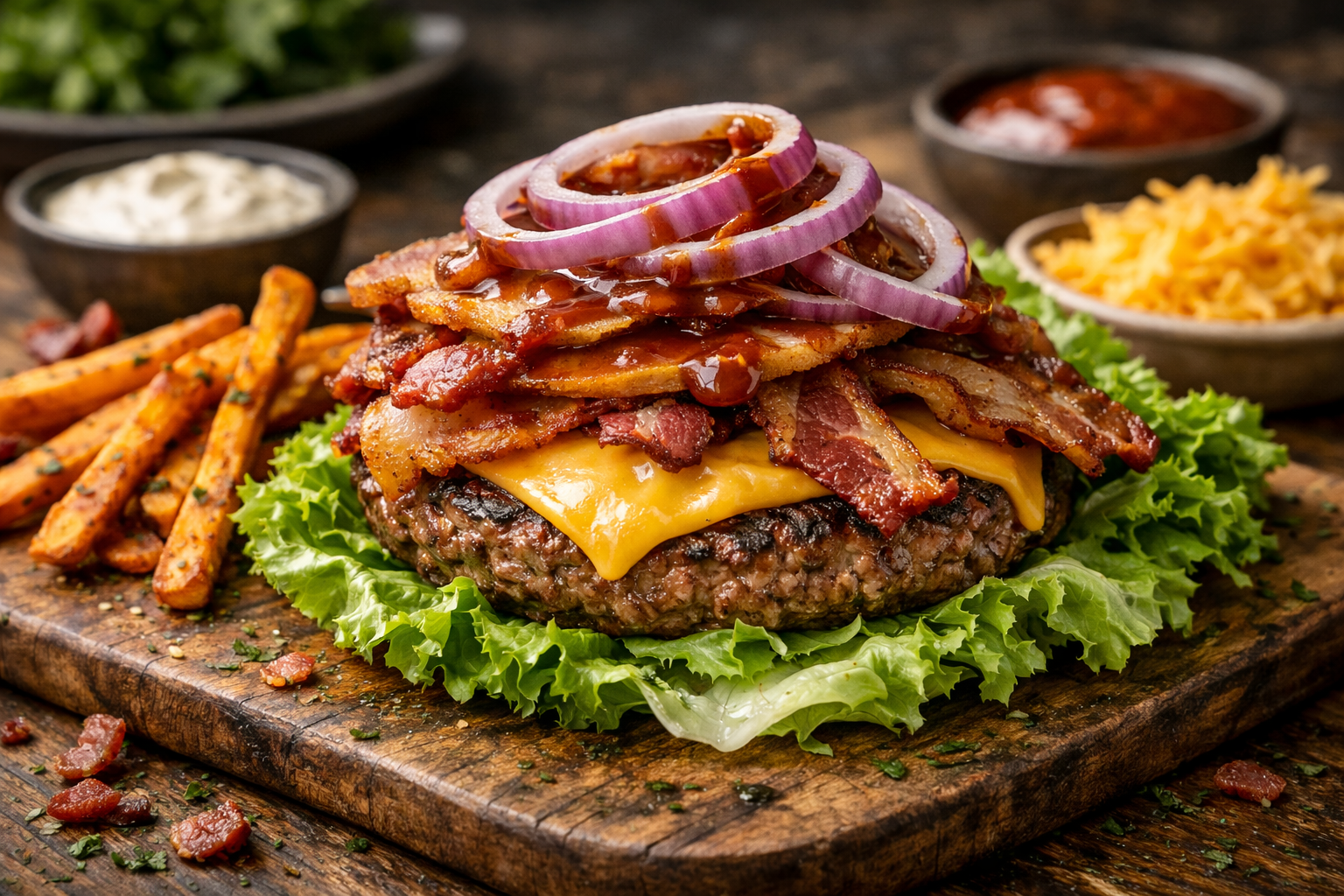
Bunless burger
Lose the bun, keep the burger, and add sweet potato fries on the side. Try our bunless burger with sweet potato fries.

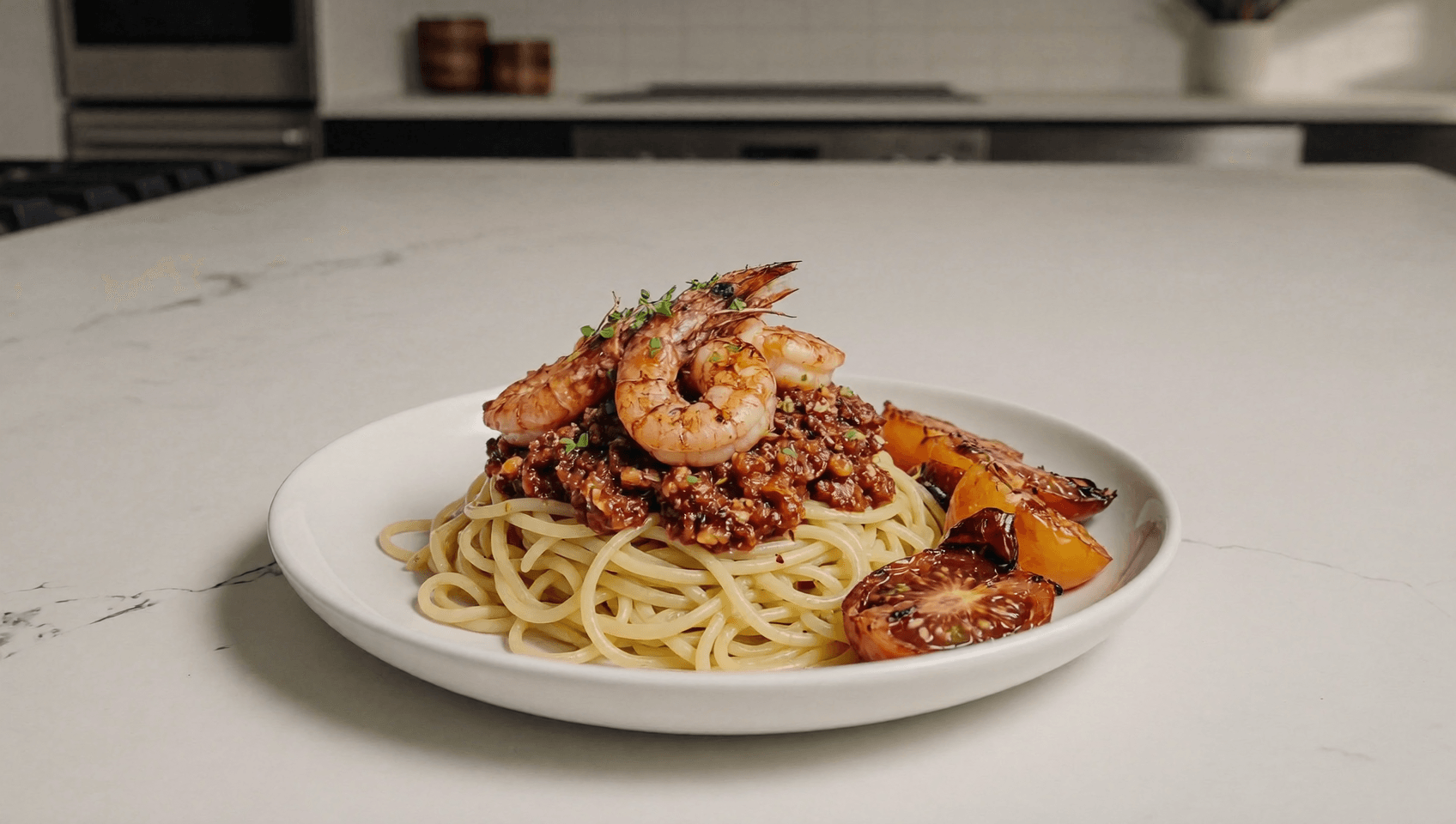
A lighter bolognese
The family favourite, made a little lighter without losing what makes it good. Here’s our healthy spaghetti bolognese.
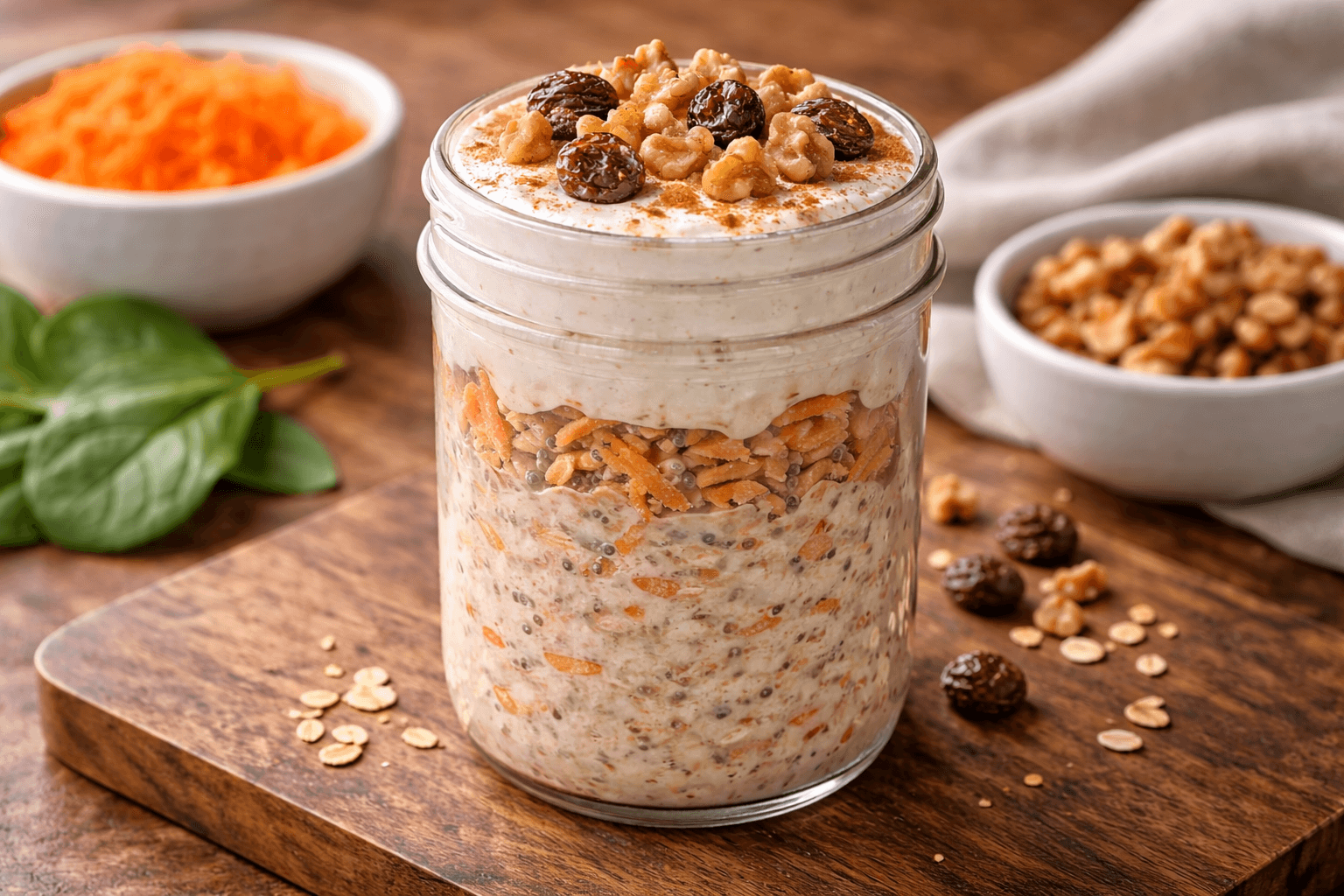
Cake for breakfast, sort of
Oats, carrot and warm spice in a breakfast that tastes like a treat: our carrot oat cake.
Getting More Vegetables into Every Meal
The familiar advice is to aim for at least five portions of fruit and vegetables a day. The easiest way to get there isn’t a giant salad. It’s adding a little to every meal, so vegetables become part of how you cook rather than an extra job.
Breakfast
Fold spinach, peppers or mushrooms into an omelette, grate courgette into fritters, or blend a handful of greens into a smoothie.
Our Hulk Shake is an easy green start.
Lunch
Add roasted peppers or grilled vegetables to sandwiches and wraps, and build bowls with a base, a protein and plenty of colour.
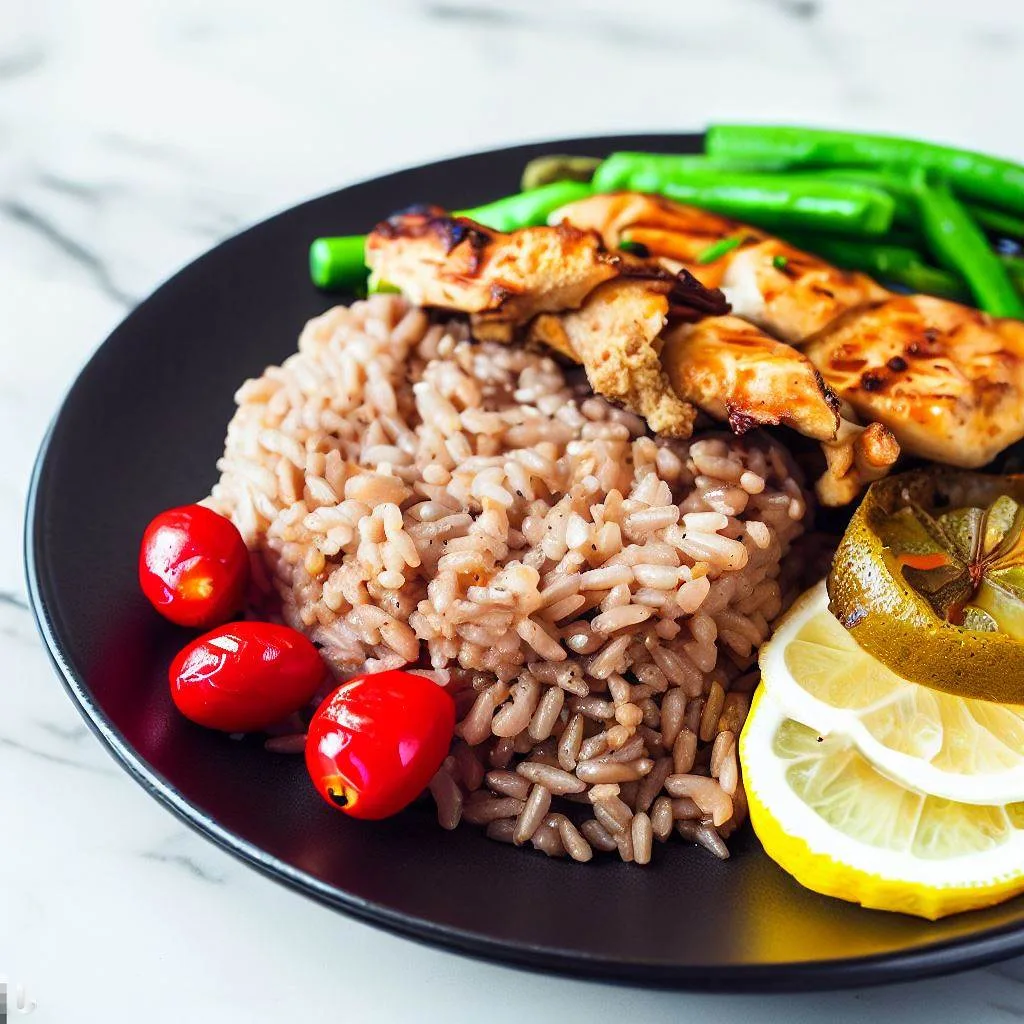
Try our grilled shrimp bowl or tuna poke bowl.
Snacks
Vegetable sticks with hummus or a yoghurt dip, roasted vegetable skewers, or homemade baked vegetable crisps.
Dinner
Grate or finely chop vegetables into sauces, mince, burgers and meatballs. Mushrooms disappear into a bolognese, and spinach wilts into almost any curry or stew in a minute.
- Roast for flavour. A hot oven, a little oil and salt brings out sweetness that boiling never will.
- Season them properly. Garlic, lemon, chilli and herbs do as much for vegetables as they do for meat.
- Cut for even cooking. Pieces of a similar size cook at the same rate, so nothing turns soggy while the rest catches up.
- Keep frozen veg as a backup. Peas, spinach and mixed vegetables mean there’s always something to add. More on that in the healthy pantry.
Cook vegetables with the same care as the rest of the plate, and they stop being the bit that gets left behind.
Making It Work on Busy Days
Most healthy plans fall apart on a Wednesday evening, not on a Sunday when there’s time to think. A meal prep kitchen runs on deciding things in advance, and the same idea works at home: make the healthy option the easy one before the busy day arrives.
01
Plan a few meals
You don’t need a full weekly menu. Pick three or four dinners, write the shopping list from them and you’ve removed most of the last-minute guessing. Our meal prep guide shows how.
02
Prep in one go
Wash and chop vegetables, cook a batch of grains, and marinate a protein while you’re already in the kitchen. Twenty minutes of prep saves a lot of effort later in the week.
03
Keep good snacks to hand
Fruit, nuts, yoghurt or vegetables with hummus at work or in the bag mean you’re not relying on whatever the shop or vending machine has.
04
Cook once, eat twice
Make a little extra at dinner and turn it into tomorrow’s lunch. Our guide to cooking with leftovers is full of ideas.
05
Eating out or ordering in
Look for dishes that are grilled, baked or steamed, ask for sauces and dressings on the side, and share a dish or take half home if portions are big.
06
Keep it relaxed
A takeaway or a pizza night isn’t a failure. What matters is what most of your week looks like, not any single meal.
Start here
Recipes to Start With
Pick one or two of these for next week. They’re simple, full of flavour and easy to repeat.
Quick pasta

Spice-driven
Weeknight


Frequently Asked Questions
Do healthy swaps mean giving up food I enjoy?
No. The swaps here are about trading like for like, such as baked instead of fried or wholegrain instead of white, while keeping the flavour. If a swap doesn’t taste good to you, try a different one.
What’s the easiest way to eat more vegetables?
Add a little to every meal rather than trying to eat a lot at once: greens in a smoothie or omelette, roasted vegetables in a lunch wrap, and grated or chopped vegetables folded into sauces and mince at dinner.
How do I eat healthily when I’m busy?
Plan three or four dinners a week, do a short prep session to chop vegetables and cook grains, keep good snacks to hand, and cook a little extra so tomorrow’s lunch is already sorted.
How many swaps should I start with?
One or two. Once they feel normal, add another. Small changes you keep are worth more than a big overhaul you drop after a week.
Start with One Swap
Choose one swap from this page and one vegetable idea, and try them this week. When they feel like habit, add the next. That’s how healthy cooking becomes part of everyday life rather than a project.
Recipes and tips on Tone & Taste are for everyday cooking inspiration, not medical or dietary advice. If you have specific health needs, talk to a doctor or registered dietitian.
More healthy cooking
Chef-led, flavour-first ways to eat better every day

Healthy cooking
Healthy Cooking Guide

Healthy cooking
The Healthy Pantry
Healthy cooking
Meal Prep Made Simple

Healthy cooking
Cooking with Leftovers