

Healthy cooking Protein
High-Protein Cooking: How to Build Protein into Everyday Meals
Food-first ways to put more protein on the plate, from breakfast to dinner, without relying on supplements.
Approach
Food first
Sources
Animal & plant
Habit
Protein at every meal
Easiest win
Breakfast

On this page: Our approach · Protein sources · Rough guide · Easy ways · Flavour · Recipes · FAQ
Protein gets a lot of attention, and much of it comes wrapped in powders, bars and big promises. You don’t need any of that to eat well.
Protein is one of the main building blocks of the body, and your muscles, skin and many other tissues rely on it. For most people, the practical question isn’t whether protein matters. It’s how to get enough of it into everyday meals in a way that tastes good and doesn’t take extra effort.
A Chef’s Approach to Protein
Our chef Reiss built and ran a health-focused meal prep business, with rotating menus built around macronutrients. Protein was the starting point for every meal, but flavour and variety were what kept people coming back.
That’s the approach we use here. Build the plate around a protein source, cook it well, season it properly, then add vegetables and carbs. Many people find that a meal with a good portion of protein keeps them satisfied for longer.
How much protein you need depends on things like your age, size and how active you are. If you have a specific target or health condition, a registered dietitian can give you a personal figure.
At a glance
Start with
Breakfast
Plant protein
Beans & lentils
Quick win
Eggs & yoghurt
Meal prep
Cook protein in batches
Explore healthy cooking

Building better meals?
Pin this guide so the protein sources and recipe ideas are ready when you plan your week.
Everyday Sources of Protein
Variety is the goal. Mixing animal and plant sources gives you different flavours and textures, and a wider range of nutrients along the way.
Meat and poultry
Chicken, turkey, lean beef and pork. Choose leaner cuts for everyday cooking and season them generously, as in our Cajun chicken.
Fish and seafood
White fish, salmon, tuna and prawns cook quickly and work in bowls, pasta and bakes. Try the tuna poke bowl or baked fish ‘n chips.
Eggs
One of the most versatile proteins in the kitchen. Boiled, scrambled, baked or folded into an omelette, they turn almost anything into a meal.
Dairy
Greek-style yoghurt, cottage cheese, milk and cheese. Strained yoghurt is especially useful for breakfasts, dressings and dips.
Beans, lentils and chickpeas
Affordable, filling and full of fibre too. A pot of dhal curry or a bowl of lablébi shows how satisfying plant protein can be.
Tofu, nuts and seeds
Tofu and tempeh take on flavour well. Nuts, seeds and nut butters add protein, crunch and richness in smaller amounts.
A Rough Guide to Protein in Everyday Foods
These are approximate figures, as values vary by product and cooking method. They’re useful for building a plate, not for counting every gram.
- Cooked chicken breast: around 30 g per 100 g
- Tinned tuna, drained: around 25 g per 100 g
- One large egg: around 6 g
- Greek-style strained yoghurt: around 10 g per 100 g
- Firm tofu: around 12–15 g per 100 g
- Cooked lentils or chickpeas: around 8–9 g per 100 g
Easy Ways to Add Protein to Every Meal
Small changes to meals you already make are more useful than an entirely new way of eating.
01
Upgrade breakfast
Breakfast is often the lowest-protein meal of the day. Add eggs, Greek-style yoghurt or make-ahead overnight oats with yoghurt stirred through.
02
Build the plate around protein
Decide on the protein first, then add vegetables and a carb. It’s the simplest way to make sure every meal is balanced.
03
Add beans and lentils
Stir a tin of beans or lentils into soups, stews and sauces. It adds protein and fibre and stretches the meal further.
04
Cook protein in batches
A tray of chicken or a pot of lentils on prep day gives you a protein base for several meals. See meal prep made simple.
05
Snack smarter
Keep boiled eggs, yoghurt, hummus or a handful of nuts within reach for the times you’re hungry between meals.
06
Use shakes as a convenience, not a rule
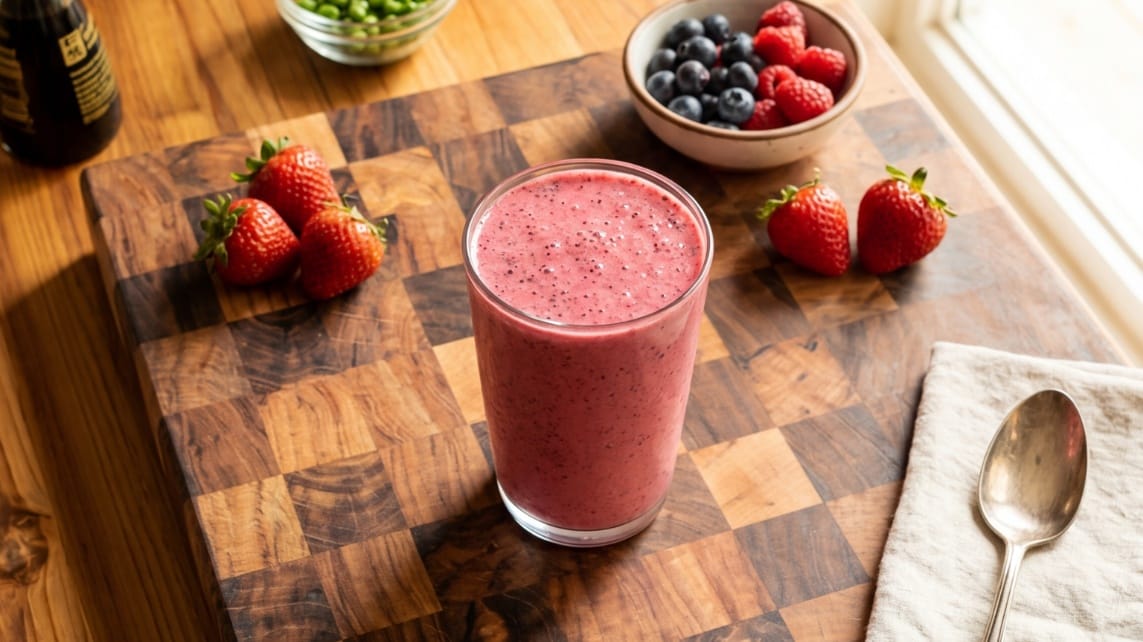
A shake can be handy after a busy morning or a workout, but it’s not essential. If you enjoy one, try the Berry Best Protein Shake or the Hulk Shake.
Keep Protein Interesting
The biggest risk with a protein-focused diet is boredom. Plain chicken breast every day won’t last long. This is where good cooking matters.
Season properly
Spice rubs, marinades, citrus and fresh herbs make lean proteins taste generous. Our guide to essential spices for healthy meals is a good place to start.
Don’t overcook
Lean meat and fish dry out fast. Cook chicken through but no further, and let meat rest for a few minutes before slicing.
Rotate your sources
Swap between meat, fish, eggs and pulses across the week. Different proteins bring different flavours, textures and nutrients.
Borrow from global kitchens
Many cuisines have been building meals around beans, lentils and fish for generations. They’re a great source of ideas.
Recipes and tips on Tone & Taste are for everyday cooking inspiration, not medical or dietary advice. If you have specific health needs, talk to a doctor or registered dietitian.
Protein-friendly recipes
Recipes to Build Protein In
A mix of quick dinners, fresh bowls and shakes, all with a good source of protein at their centre.


Frequently Asked Questions
Do I need protein powder to eat high protein?
No. Meat, fish, eggs, dairy, beans, lentils and tofu can cover everyday needs for most people. A shake is a convenience, not a requirement.
What are good plant-based sources of protein?
Beans, lentils, chickpeas, tofu, tempeh, nuts and seeds. Mixing a few of them across the day gives you variety.
What’s the easiest way to add more protein?
Start with breakfast, which is often the lowest-protein meal of the day. Eggs, Greek-style yoghurt or overnight oats with yoghurt are quick options.
How much protein do I need?
It depends on your age, size and activity level. For a personal figure, especially if you have a health condition, speak to a doctor or registered dietitian.
More healthy cooking
Chef-led, flavour-first ways to eat better every day
Healthy cooking
Healthy Cooking Guide
Healthy cooking
Meal Prep Made Simple

Healthy cooking
Healthy Recipes Under 500 Calories