

Healthy cooking Pantry & kitchen
The Healthy Pantry: Staples, Fresh vs Frozen & Kitchen Essentials
The staples, the freezer and the handful of tools that make healthy cooking quick on any night of the week.
Staples
10 to keep in
Freezer
Frozen veg
Tools
5 essentials
Approach
Flavour first

On this page: Pantry staples · Pantry recipes · Fresh vs frozen · Kitchen essentials · Recipes · FAQ
A good meal on a busy night usually starts long before you cook it. It starts with what’s already in the cupboard, the freezer and the drawer.
This page is part of our Healthy Cooking guide. Our chef Reiss built and ran a health-focused meal prep business, with rotating menus built around macronutrients, flavour variety and consistency. Kitchens like that depend on a reliable store cupboard, and a home kitchen is no different: with the right staples in, a healthy dinner is twenty minutes away instead of a takeaway.
Below are the ten staples we’d always keep in, a straight answer on fresh versus frozen, and the few kitchen tools that genuinely make a difference.
At a glance
Best for
Stocking up
Staples
10
Fresh or frozen
Both
Tools
5
Explore healthy cooking
Stocking your kitchen?
Pin this list and take it with you on your next shop.
The 10 Pantry Staples
These keep well, work across lots of cuisines and turn a few fresh ingredients into a complete meal.
01
Brown rice
Nuttier and more filling than white rice, and a good base for bowls, stir-fries and curries. Cook a batch and it keeps in the fridge for a couple of days.
02
Quinoa
Quick to cook, naturally gluten-free and a good source of plant protein. Use it in salads, as a side or in place of rice.
03
Lentils
Red lentils cook down in about 20 minutes with no soaking, which makes them ideal for soups, stews and dhal like our parippu.
04
Chickpeas and beans
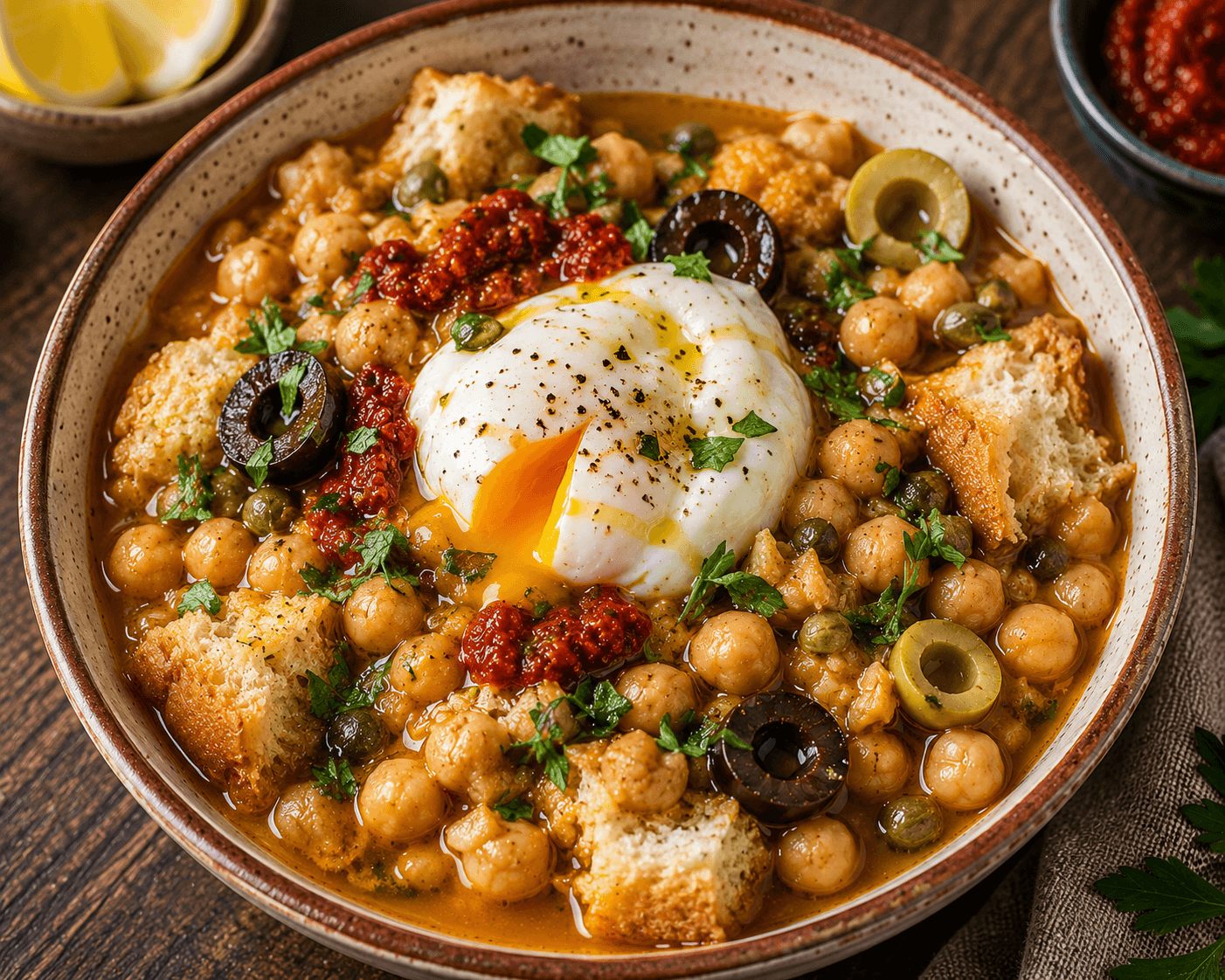
Tinned are ready to use straight away. Rinse them, then add to salads, curries, stews or soups like Tunisian lablebi.
05
Tinned tomatoes
The base for countless sauces, soups and curries. A tin or two in the cupboard means a proper dinner is always possible.
06
Extra virgin olive oil
For dressings, drizzling and everyday cooking. Good oil adds flavour on its own, so a little goes a long way.
07
A good vinegar
Apple cider, red wine or balsamic. A splash of acid lifts dressings, marinades and sauces, and brightens a dish that tastes flat.
08
Nuts
Almonds, walnuts or cashews for crunch on salads and porridge, blending into sauces, or a small handful as a snack.
09
Chia seeds
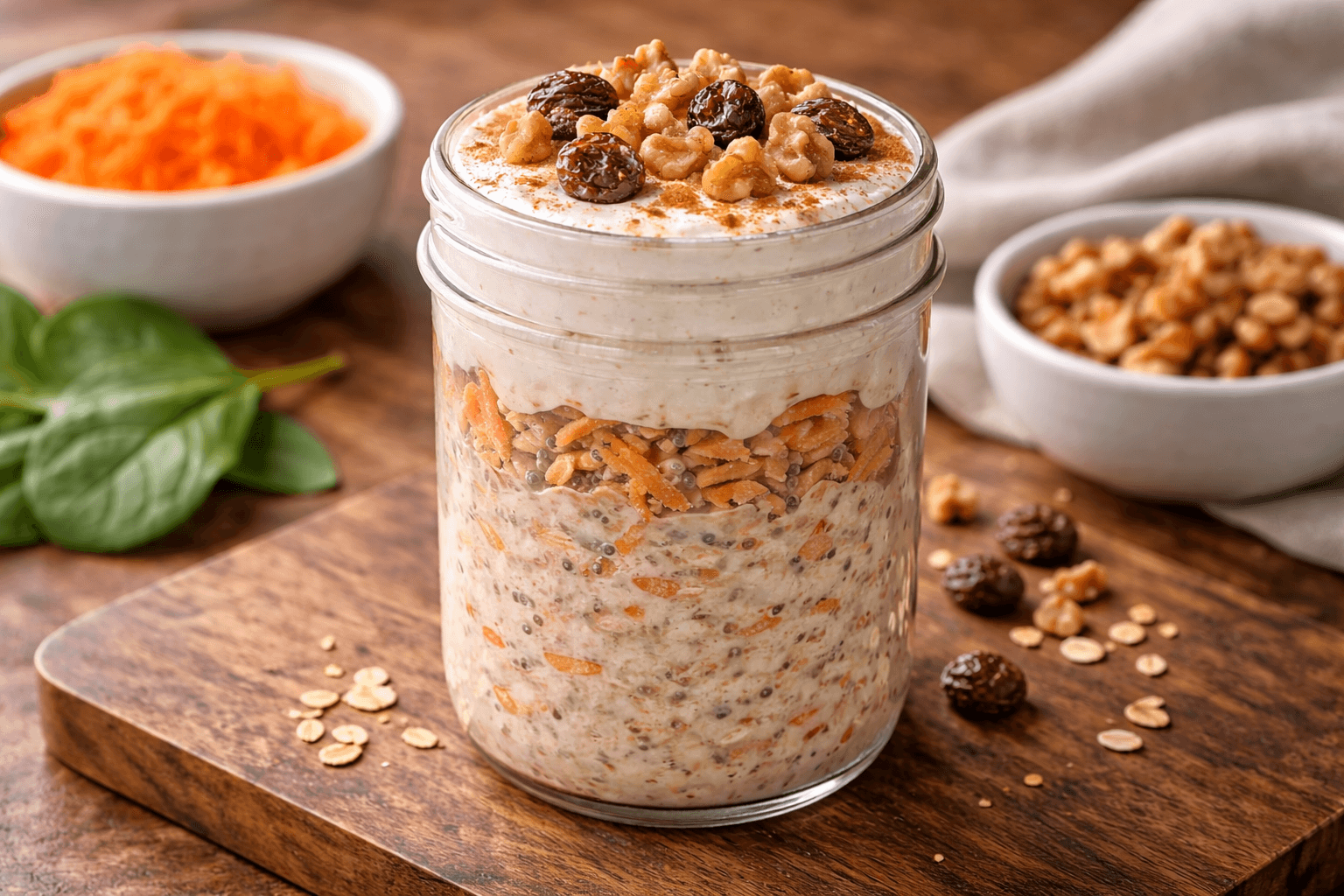
They thicken as they soak, so they work in puddings, overnight oats and drinks like our Chia Colada.
10
Spices
Turmeric, cumin, cinnamon, paprika and chilli bring flavour without much effort. See our guide to spices for healthy meals.
You don’t need all ten on day one. Start with the ones that match how you already cook and add the rest as you go.
Cooking from the Pantry
A few of our recipes that lean on the store cupboard:
Parippu (dhal curry)
Lentils, spices and coconut make a comforting Sri Lankan dhal curry.
Prawn & bean pasta
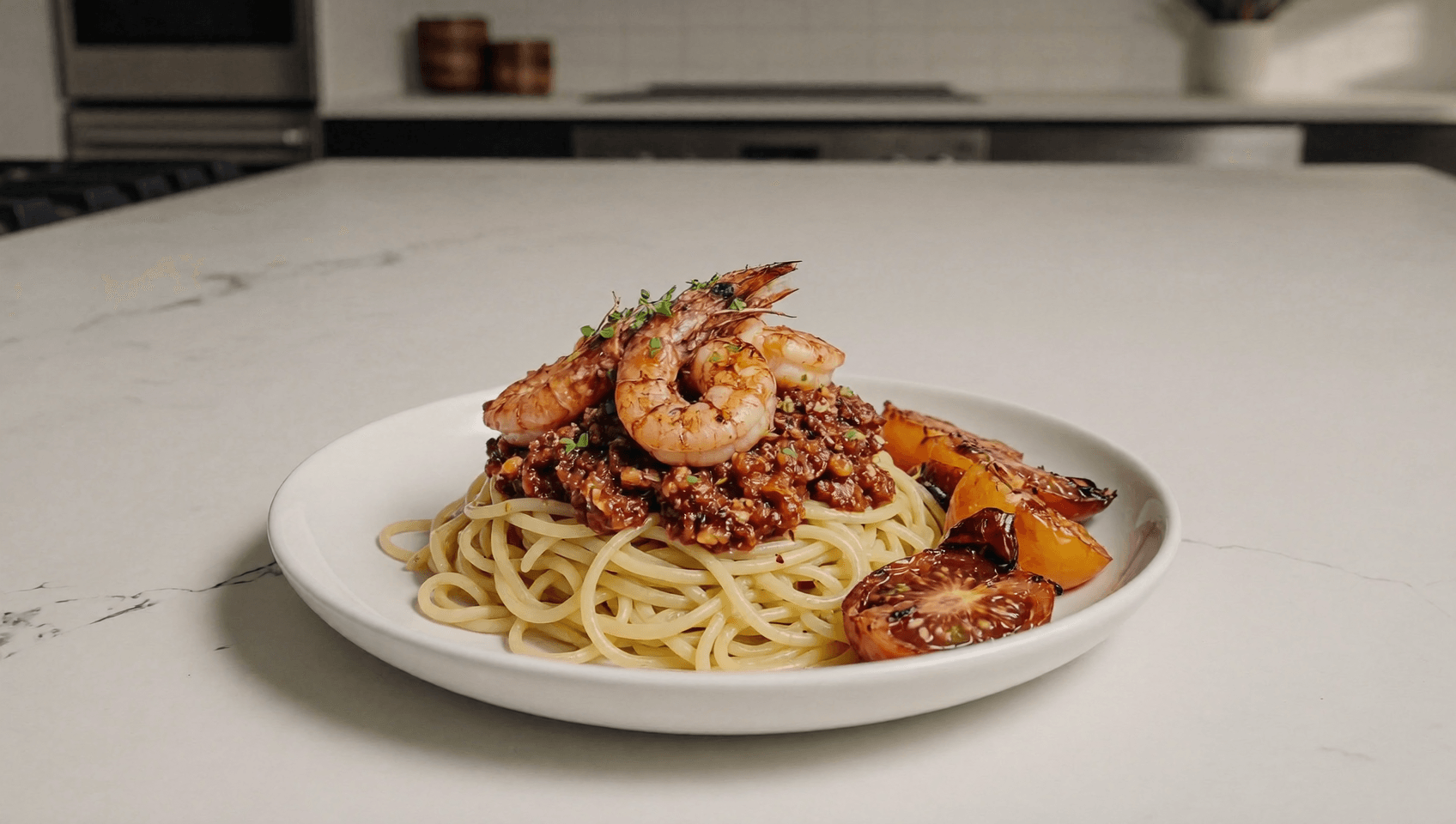
Beans bulk out a quick Mediterranean-style pasta in our prawn and bean pasta.

Indian beef stew
A slow-cooked, spiced stew that shows what a well-stocked spice shelf can do: our Indian beef stew.
Fresh vs Frozen
This doesn’t need to be a debate. Both have a place in a healthy kitchen, and most of the time the right answer is a mix.
Frozen vegetables and fruit are usually frozen soon after harvest, so they keep well for months and are a practical, perfectly good everyday option. Fresh produce brings texture and flavour that matters most when you eat it raw or barely cooked.
When fresh makes sense
Salads, slaws, salsas and anything where crunch matters. Seasonal produce at the market is often the tastiest and good value.
The trade-off: it doesn’t last long, so buy what you’ll use within a few days.
When frozen makes sense
Soups, stews, curries, stir-fries and smoothies, where texture matters less. Use what you need and put the rest back.
The trade-off: some vegetables soften once thawed, so they’re better cooked than eaten raw.
- Read the label. Plain frozen vegetables or fruit are what you want. Skip the ones with added sauces, salt or sugar.
- Cook from frozen. Most frozen vegetables can go straight into the pan, pot or oven without thawing.
- Less waste. Frozen is useful when you’re cooking for one or two, or when plans change and the fresh veg would otherwise go off.
- Keep a few basics. Peas, spinach, sweetcorn and mixed vegetables cover a lot of meals.
The Kitchen Essentials
You don’t need a drawer full of gadgets to cook well. A handful of good, reliable tools does most of the work.
01
A sharp knife
One good chef’s knife you keep sharp is safer and faster than a block of blunt ones. Chopping vegetables stops being a chore.
02
Chopping boards
At least two, so raw meat and fish stay separate from vegetables and anything ready to eat. Colour-coded boards make that easy.
03
A stick blender
Soups, sauces, dips and smoothies in the pan or jug you’re already using, with less washing up than a full blender.
04
A good peeler
Cheap, quick and underrated. It also makes vegetable ribbons for salads and stir-fries.
05
A few solid pans
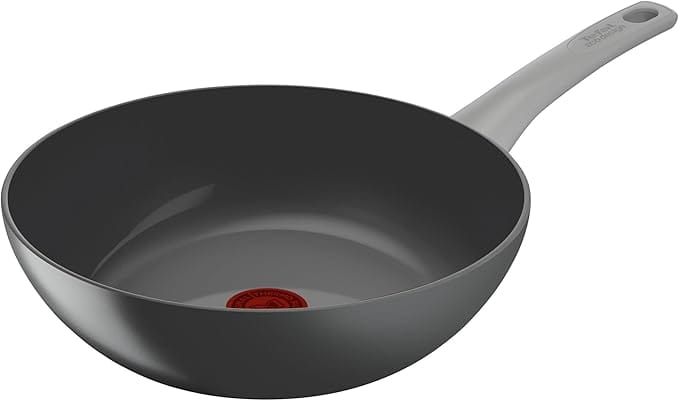
A large pan, a saucepan and a wok or deep frying pan cover nearly everything. Good pans heat evenly, so food cooks properly with less oil.
From the Tone & Taste Shop
If you’re filling gaps in your kitchen, these are a few pieces from our shop that fit the way we cook.

T-fal Stainless Steel Cookware Set (11-piece)
A stainless steel set that covers everyday cooking, from sauces to stews.


Ninja Foodi DualZone Air Fryer
Air frying gives a crisp finish with little or no oil.
Cook from the cupboard
Pantry Recipes to Cook This Week
With the staples in, all of these come together with just a few fresh ingredients.



Frequently Asked Questions
What should I keep in a healthy pantry?
Start with brown rice, quinoa, lentils, tinned chickpeas and beans, tinned tomatoes, extra virgin olive oil, a good vinegar, nuts, chia seeds and a few spices. With those in, a few fresh ingredients turn into a full meal.
Are frozen vegetables as good as fresh?
They’re a practical, perfectly good everyday option. They’re usually frozen soon after harvest and keep for months. Fresh is best where texture matters, such as salads; frozen works well in soups, stews, curries and smoothies.
What kitchen tools do I really need?
A sharp chef’s knife, at least two chopping boards, a stick blender, a good peeler and a few solid pans. That covers almost everything in everyday healthy cooking.
Do I need to buy everything at once?
No. Start with the staples that match what you already cook and build up over a few weeks.
Build It Up Over Time
A healthy pantry isn’t a shopping list to complete in one go. Add a staple or two each week, keep a few bags of frozen veg in, and the quick, healthy dinner becomes the easy option.
Recipes and tips on Tone & Taste are for everyday cooking inspiration, not medical or dietary advice. If you have specific health needs, talk to a doctor or registered dietitian.
More healthy cooking
Chef-led, flavour-first ways to eat better every day

Healthy cooking
Healthy Cooking Guide
Healthy cooking
Easy Healthy Swaps
Healthy cooking
Spices for Healthy Meals
Healthy cooking
Meal Prep Made Simple