

Healthy cooking Pantry
Essential Spices for Healthy, Flavourful Meals
The everyday staples plus the spices behind our favourite Sri Lankan, Tunisian and Indian dishes, and how to use them.
Staples
7
Global extras
4
Store
Airtight, dark
Best trick
Bloom in oil

On this page: Why spices matter · Everyday essentials · Global spices · Tips · Recipes
Healthy food doesn’t have to taste plain, and spices are the reason. A good spice mix can make a simple piece of chicken, a pot of lentils or a tray of roasted vegetables taste like something you’d happily order. This guide is part of our Healthy Cooking guide, where flavour always comes first.
Leaning on spices, herbs and citrus is one of the easiest ways to make lighter food satisfying without relying on lots of extra fat, salt or sugar. Below are the everyday staples worth keeping in your cupboard, and the spices that bring the cuisines on Tone and Taste to life.
Why Spices Matter in Healthy Cooking
When you cut back on heavy sauces or deep-frying, flavour has to come from somewhere. Spices give you warmth, colour, depth and heat in a teaspoon.
That’s the approach behind recipes like our Cajun chicken, where a spice crust does the work that a rich sauce might do elsewhere.
At a glance
Best for
Everyday cooking
Buy
Small amounts
Store
Away from heat
Use
Bloom, toast, rub
Explore healthy cooking

Stocking your spice shelf?
Pin this list so you know what to buy next time.
The Everyday Essentials
Start here. With these seven in your cupboard, you can season almost anything.
Salt
The cornerstone of seasoning. It brings out the natural flavour of ingredients, balances sweetness and softens bitterness. Add it gradually and taste as you go. When the other spices are doing their job, you often need less.
Black pepper
Warm and gently sharp, it works in almost every savoury dish. Freshly ground has more aroma, so a simple grinder is worth having.
Garlic powder
A convenient way to add garlic flavour to rubs, marinades and dressings without peeling and chopping. Fresh garlic still has its place, but the powder is great in dry spice mixes.
Onion powder
Adds a savoury, slightly sweet depth to soups, stews, sauces and spice rubs. Like garlic powder, it’s a staple in mixes such as Cajun seasoning.
Paprika
Sweet, smoked or hot, paprika adds colour and gentle flavour to meat, fish, vegetables and rice. We use it on the sweet potato fries in our healthy fish ‘n chips.
Cumin
Earthy and warm, cumin is used across Middle Eastern, North African, Indian and Mexican cooking. Use it ground in rubs and stews, or fry the seeds in a little oil at the start of a dish.
Italian seasoning
A dried blend of herbs such as basil, oregano, thyme and rosemary. Good in tomato sauces, marinades, soups and on roasted vegetables.
Chilli & cayenne
A little heat goes a long way and makes food feel more exciting. Start small and build up. Cayenne is part of the spice mix on our Cajun chicken.
Spices From the Cuisines We Cook
Once the basics are covered, these are the spices that open up the dishes we love from Sri Lanka, Tunisia and India.
Cumin & coriander
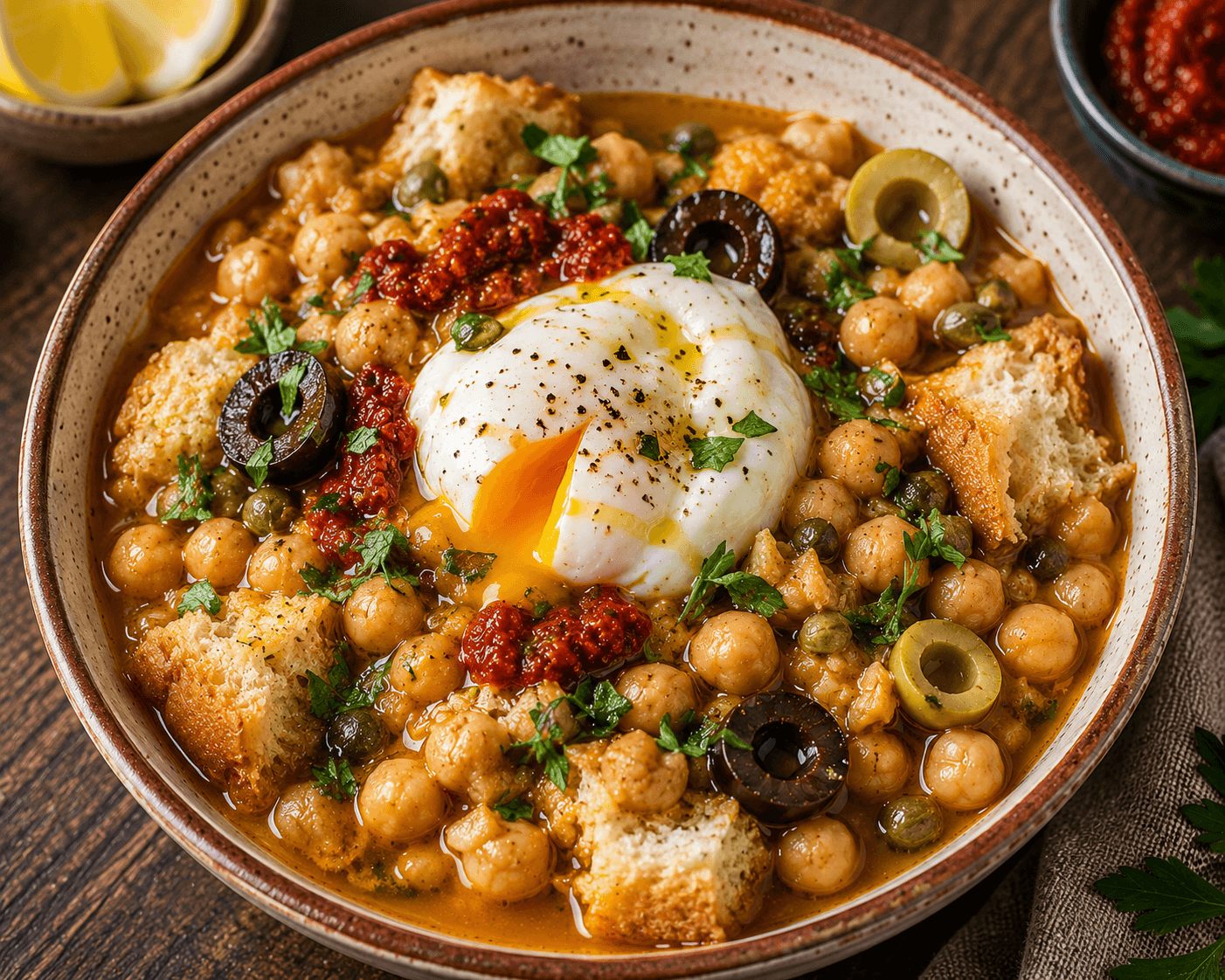
Two spices that turn up again and again in Sri Lankan curries and Tunisian cooking. In Tunisia, ground cumin and garlic flavour the chickpea broth of lablebi, finished with harissa, olive oil and lemon.
Turmeric
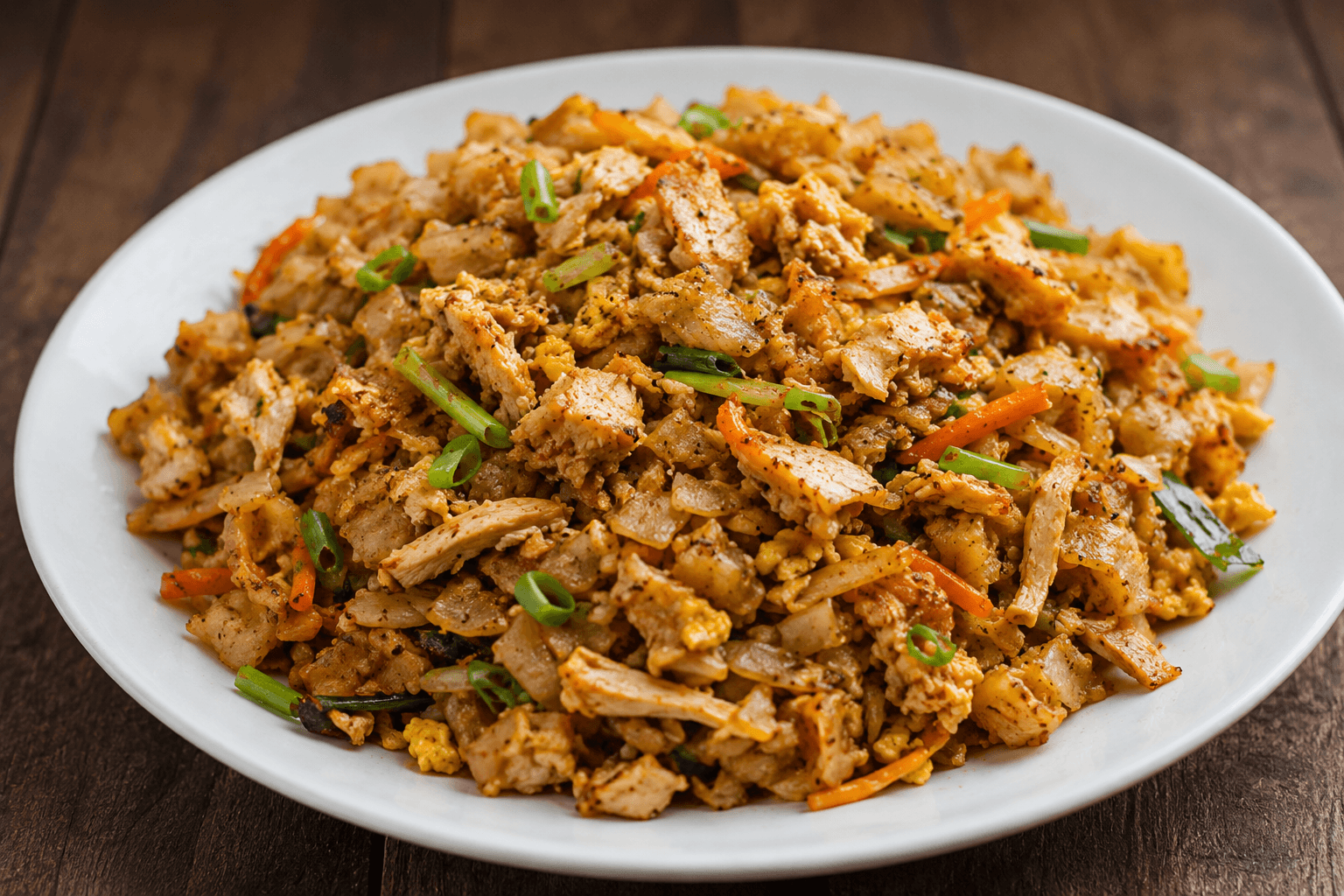
Turmeric gives Sri Lankan parippu (dhal curry) its golden colour and gentle, earthy flavour. It also goes into the curry spices in our kottu roti.
Curry leaves
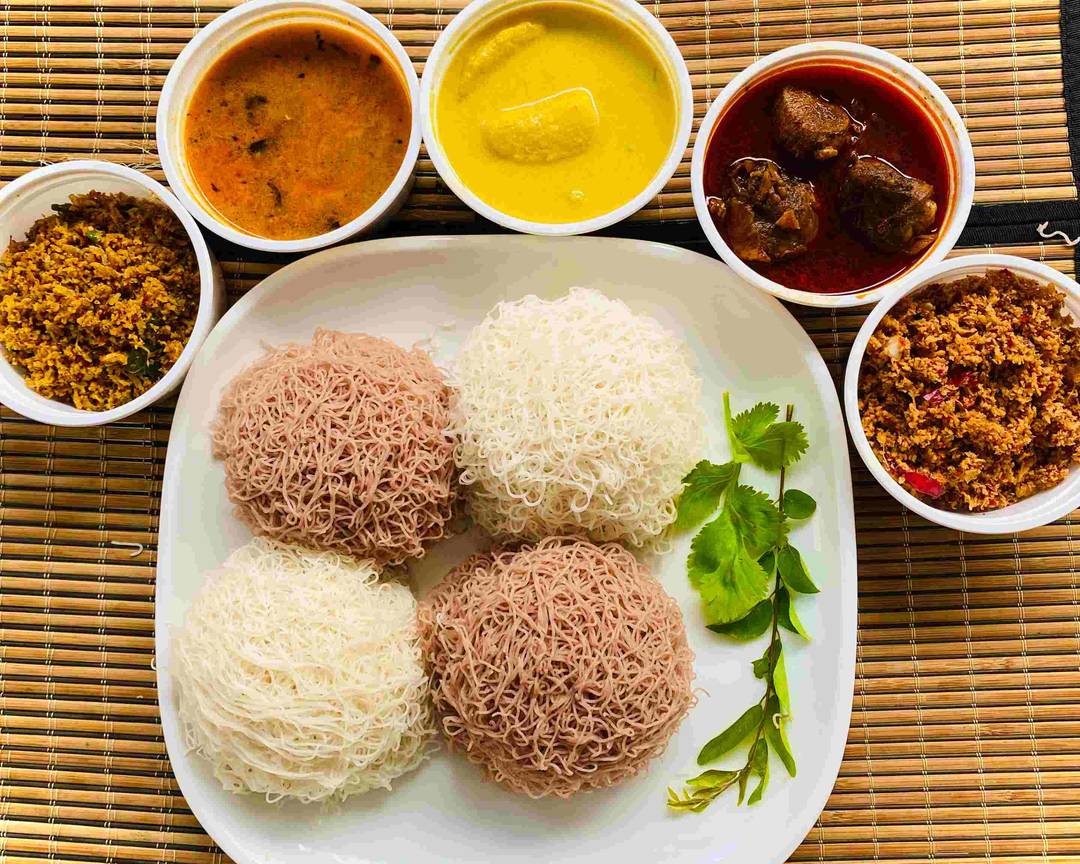
Fresh curry leaves fried in coconut oil with mustard seeds and onion make the fragrant tempering that’s poured over parippu at the end. Serve it with string hoppers for a classic Sri Lankan breakfast.
Cinnamon, cardamom & cloves
Warm spices that work in savoury dishes as well as sweet ones. Our Indian beef stew uses cinnamon, ground cardamom, cloves, cumin seeds and paprika in its squash sauce.
How to Get the Most From Your Spices
- Bloom them in oil. Frying spices briefly in hot oil at the start of cooking releases their aroma.
- Toast whole spices. A minute in a dry pan, then grind, gives a deeper flavour.
- Buy small, buy often. Ground spices lose their aroma over time, so smaller jars you use up are better than big ones that sit.
- Store them well. Keep jars airtight and away from heat and light, not right above the stove.
- Make your own mixes. A jar of homemade Cajun-style rub (paprika, garlic powder, onion powder, cayenne, oregano and thyme) makes weeknight cooking quicker.
Spice-led recipes
Recipes to Put Your Spices to Work


Frequently Asked Questions
Which spices should a beginner buy first?
Start with salt, black pepper, garlic powder, onion powder, paprika and cumin. Add chilli or cayenne for heat, and an Italian herb blend for tomato sauces and roasted vegetables.
How long do ground spices last?
They don’t really go off, but they lose aroma over time. If a spice smells faint when you open the jar, it’s time to replace it.
Can spices replace salt?
Not completely, as food still needs some salt. But plenty of spice, herbs and a squeeze of citrus mean you often need less of it.
Where can I find fresh curry leaves?
Look in Asian or Indian grocery shops. They freeze well, so buy a bag and keep them in the freezer.
Build Your Spice Shelf Slowly
You don’t need forty jars. Start with the essentials, then add one new spice each time you cook a new dish. For the rest of the cupboard, see our healthy pantry guide, or head back to the Healthy Cooking guide.
Recipes and tips on Tone & Taste are for everyday cooking inspiration, not medical or dietary advice. If you have specific health needs, talk to a doctor or registered dietitian.
More healthy cooking
Chef-led, flavour-first ways to eat better every day

Healthy cooking
Healthy Cooking Guide
Healthy cooking
The Healthy Pantry
Healthy cooking
Easy Healthy Swaps