

Destination guide Greece Travel + Food
Greece Travel & Food Guide: Where to Eat, Stay & Explore
Sweet tomatoes, sizzling saganaki and long lunches by the water: Greece the way we know it, from summers in the Ionian islands to two years on Crete and a spring in Kalamata.
Where we went
Ionian · Crete · Kalamata
Best time
May–Jun · Sep–Oct
Our base
Crete, 2 years
Must eat
Saganaki
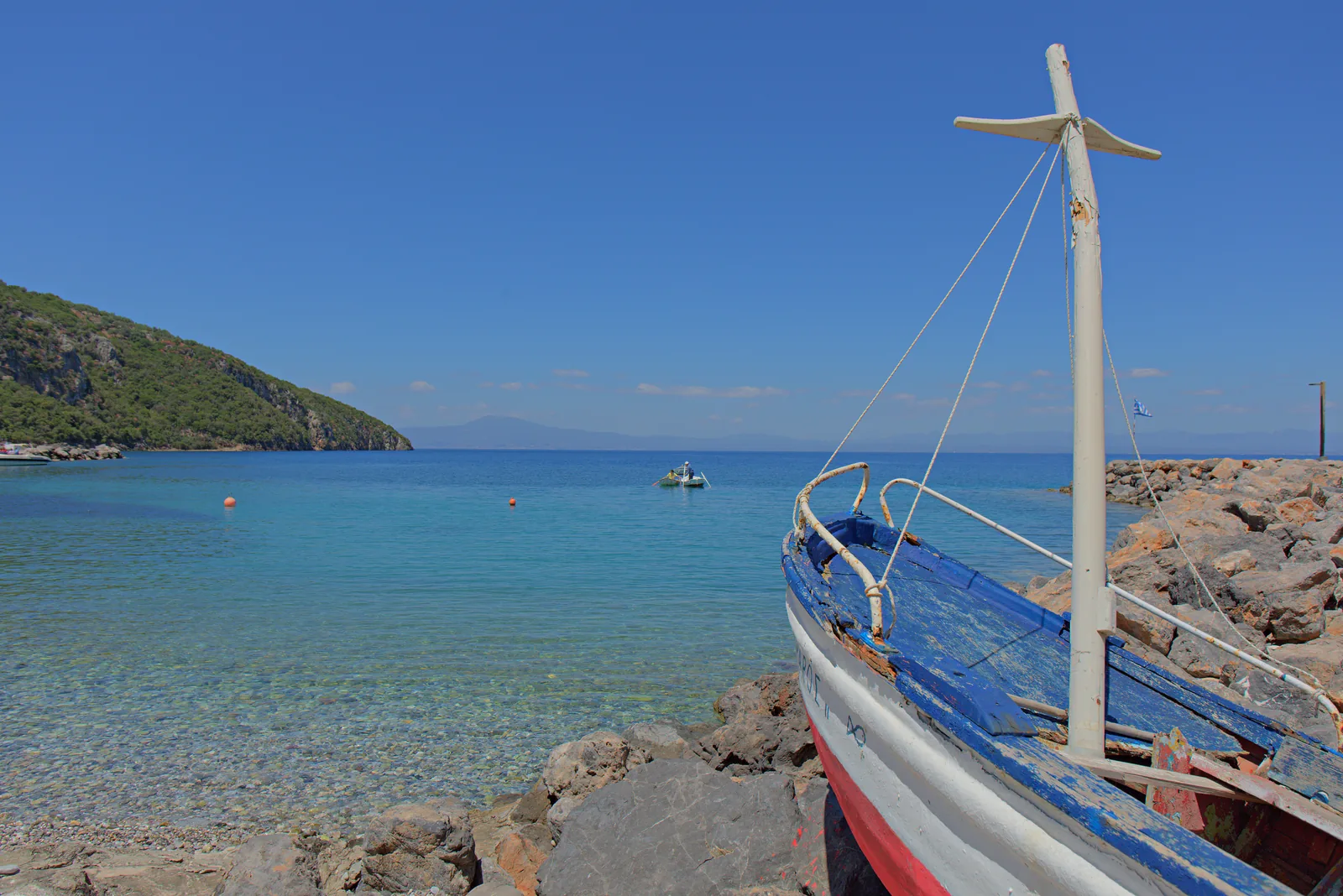
On this page: About Greece · Best time · Places we visited · Things to do · Still on our list · Where to stay · Food · FAQ
This Greece travel guide covers the parts of the country we know first-hand: summers in the Ionian islands, a spring in Kalamata and two years on Crete. At Tone & Taste we write about the places we have actually lived and travelled, so here you’ll find when to go, the places we visited, where to stay, the famous spots still on our list and the Greek food worth travelling for.
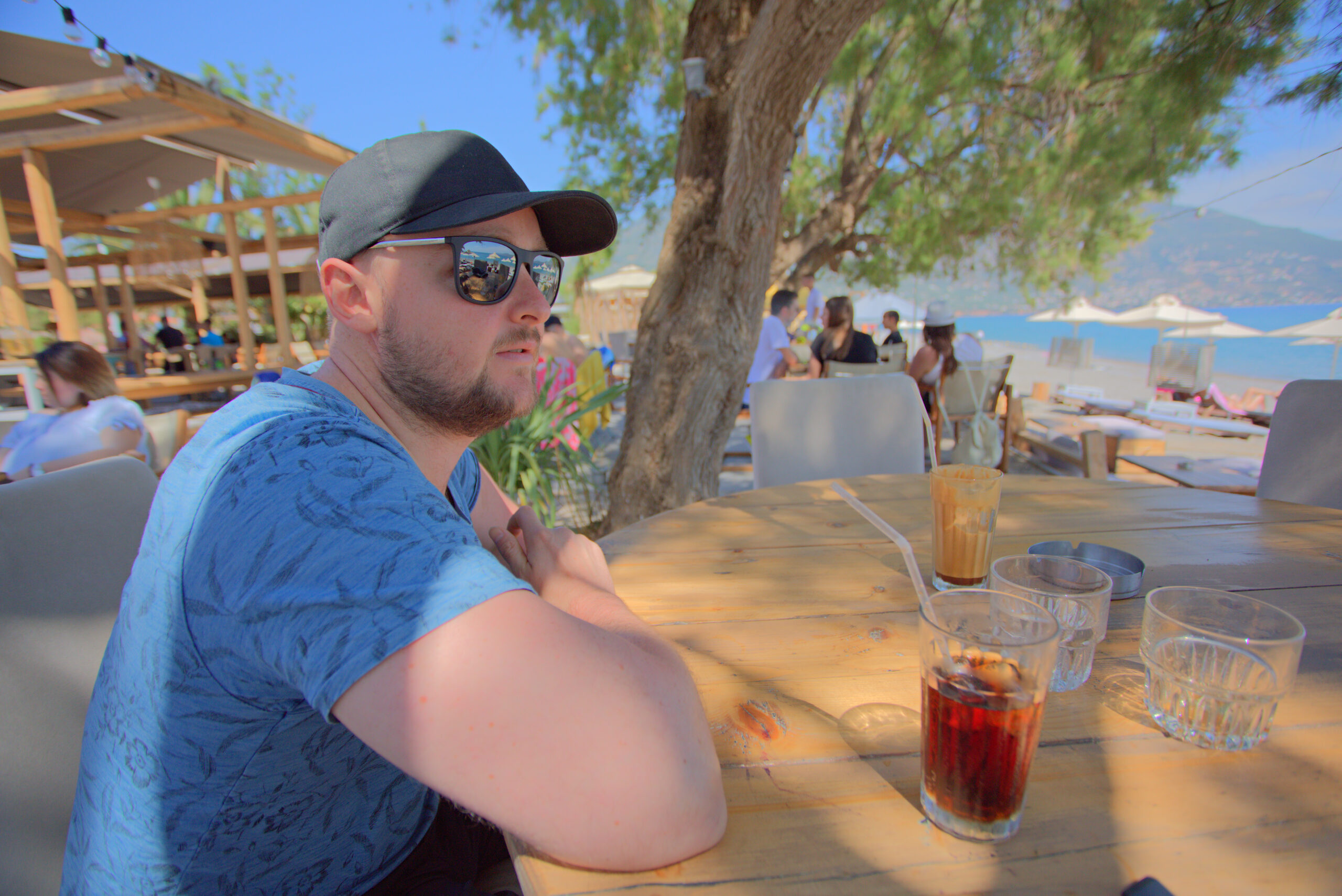
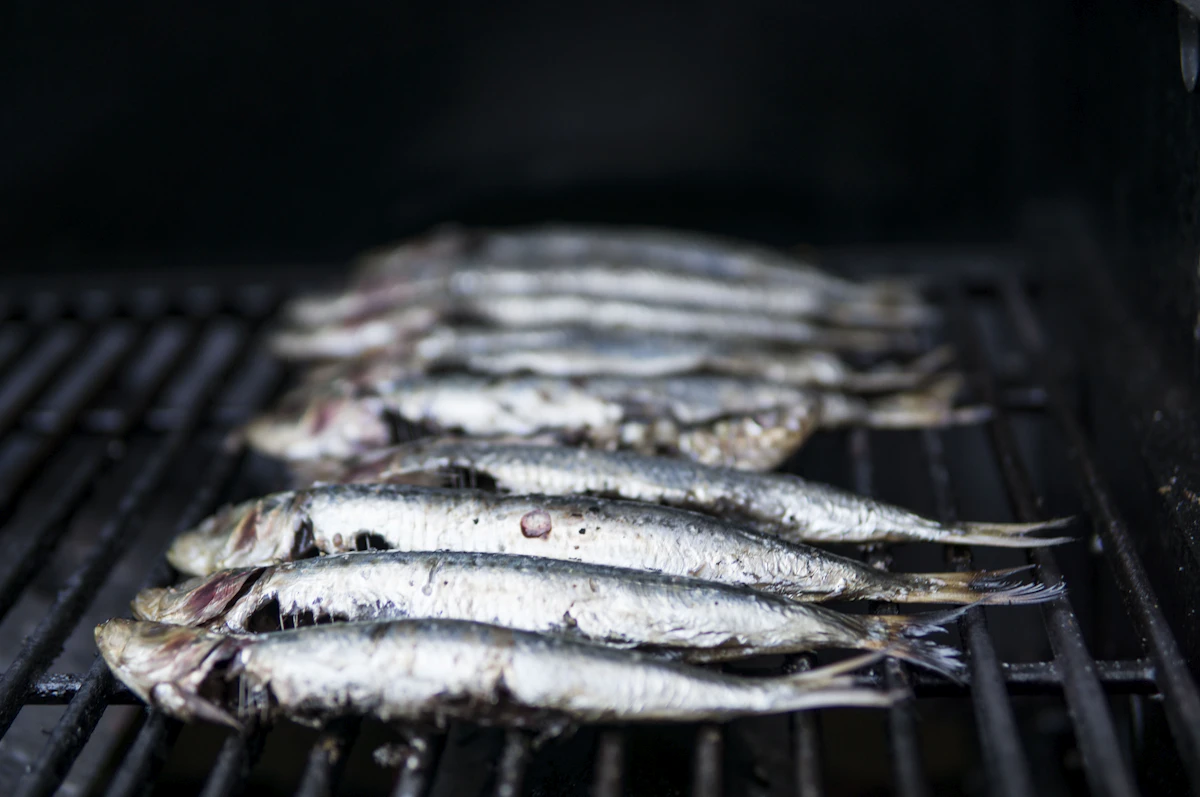
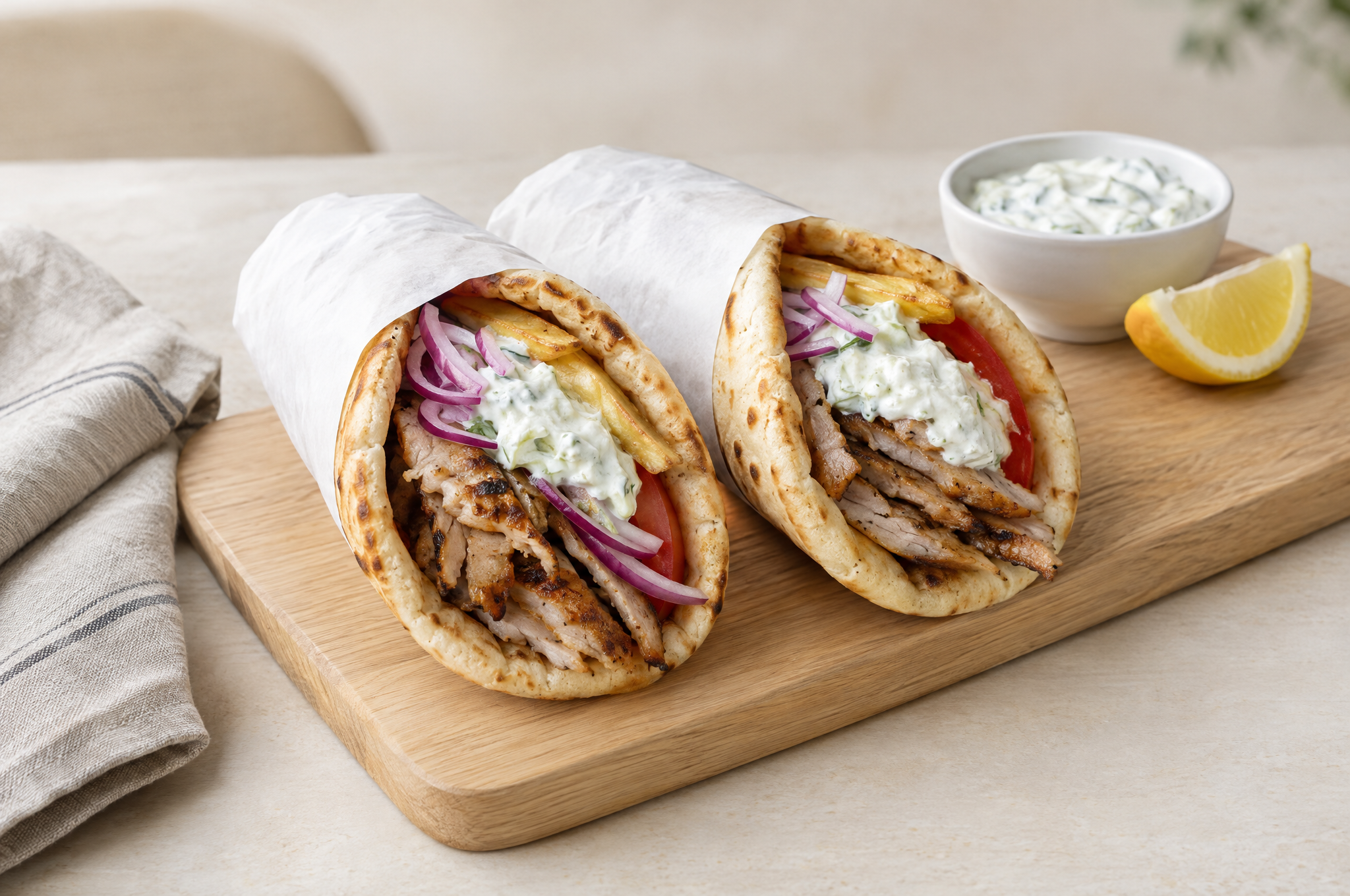
Some of our favourite Greek memories are the simplest ones. Lunch at The White House in Kalami on Corfu’s north-east coast. Gyros in Gouvia that we still talk about. Saganaki on Zakynthos, grilled sardines in Kalamata and, on Crete, the best Greek salad we have ever eaten, with tomatoes as sweet as sugar.
About Greece
Greece stretches from the Ionian Sea in the west to the Aegean in the east, with a mountainous mainland and more than 200 inhabited islands. The regions we know best feel like different countries. The Ionian islands are green, wooded and shaped by centuries of Venetian rule. Crete is Greece’s largest island, with its own mountains, dialect and cooking. Kalamata, in the southern Peloponnese, is olive country.
What ties them together is the table. Greek food is simple and ingredient-led: a horiatiki salad, tzatziki, something off the grill and something baked in the oven, all shared. Olive oil, vegetables, beans, fish, herbs and thick Greek yoghurt are everyday ingredients, which is why Greek food sits at the heart of the Mediterranean diet without anyone calling it healthy.
Greece’s Living History
History in Greece is layered rather than locked away. On Crete, the Minoan palace of Knossos dates back to the Bronze Age, long before classical Athens. The Ionian islands spent centuries under Venice, and you can still see it in Corfu’s arcades, fortresses and old town lanes, which are a UNESCO World Heritage Site. Byzantine churches, Venetian harbours and Ottoman-era buildings sit side by side in many towns, often with a taverna table right in front of them.
Greece: Practical Basics
Currency: euro. Cards are widely accepted, but carry some cash for small tavernas, bakeries and kiosks. Language: Greek, with English widely spoken in tourist areas. Getting around: Corfu, Kefalonia and Zakynthos have their own airports, Preveza (Aktion) airport serves Lefkada and Parga, and ferries link the Ionian islands. Crete has airports at Heraklion and Chania, and Kalamata has its own airport plus KTEL buses to the rest of the Peloponnese.
Meal times: Greeks eat late. Lunch often runs from about 14:00 into the afternoon, and tavernas fill up for dinner from around 21:00. Tipping: not obligatory; rounding up or leaving 5 to 10% for good service is common.
At a glance
Currency
Euro
Best season
May–June, Sep–Oct
Don’t miss
Corfu Old Town
Good for
Food lovers, slow travel
Explore the Greece hub
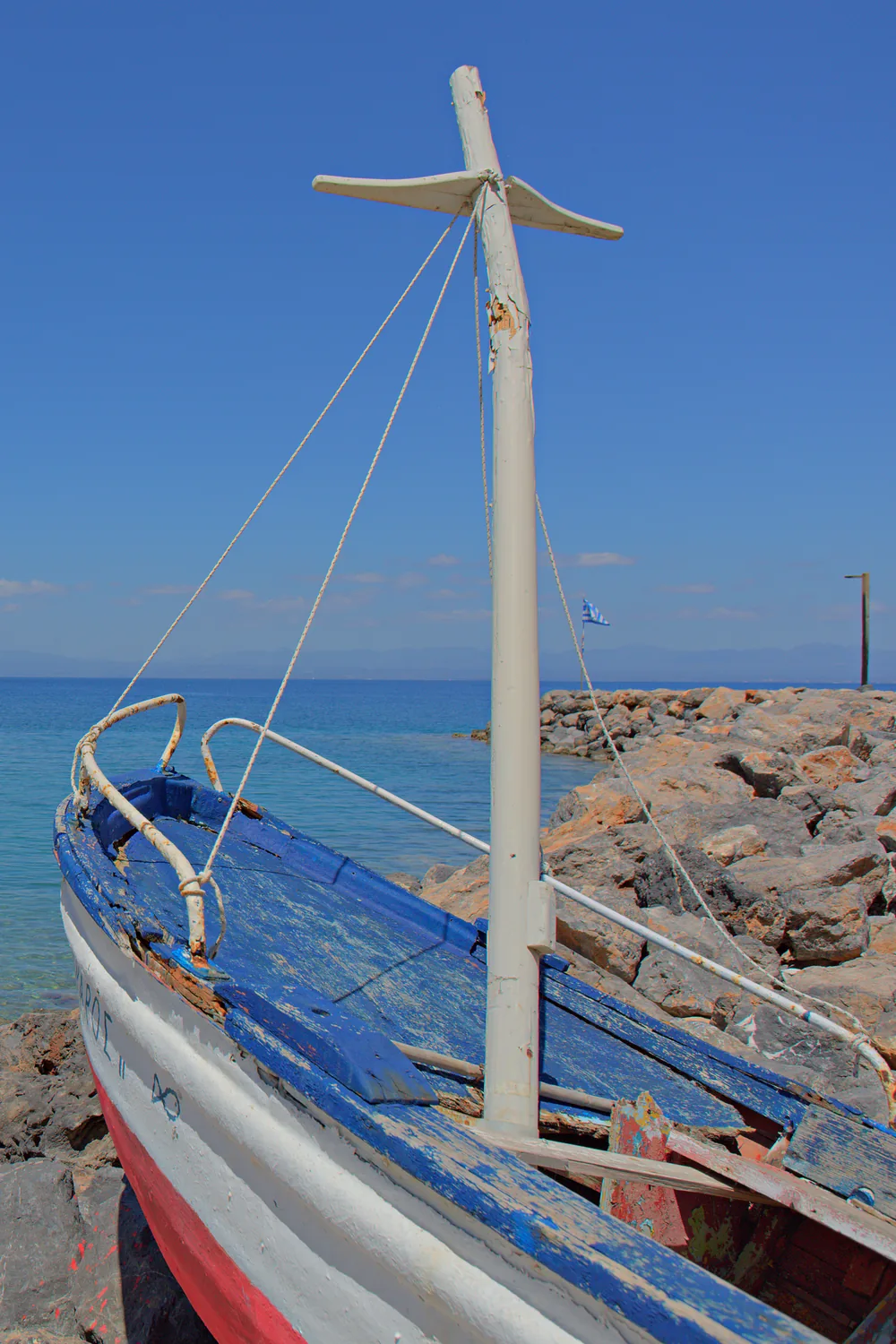
Planning a Greece trip?
Pin this guide so it’s ready when you book.
Best Time to Visit Greece
Greece is at its best when the sun is warm but not punishing and the tavernas are busy without being overrun. We have seen it in every season, and each one suits a different kind of trip.
April to June
This is when we were in Kalamata, and spring is a lovely time for the mainland: green hills, warm days and comfortable weather for exploring by bike. The sea warms up through May and June, and Greek Easter, the biggest celebration of the year, often falls in April or May.
July to August
We spent our Ionian summers moving between Corfu, Paxos, Parga, Kefalonia and Zakynthos. Expect heat, long bright evenings and the best swimming of the year, but also the most visitors. Book your stays ahead and save town visits for the morning or evening.
September to October
Usually the sweet spot. The sea is still warm from summer, the crowds thin out, prices drop and the light softens. It is the best time for long lunches outdoors and for sightseeing without the midday heat.
After two years on Crete we can say the island never fully switches off. Heraklion stays lively all year, while many resort hotels and tavernas in places like Elounda close over the winter months.
Places We Visited in Greece
These are the places we have spent real time in, from the green Ionian coast to Crete and the Peloponnese.
Corfu
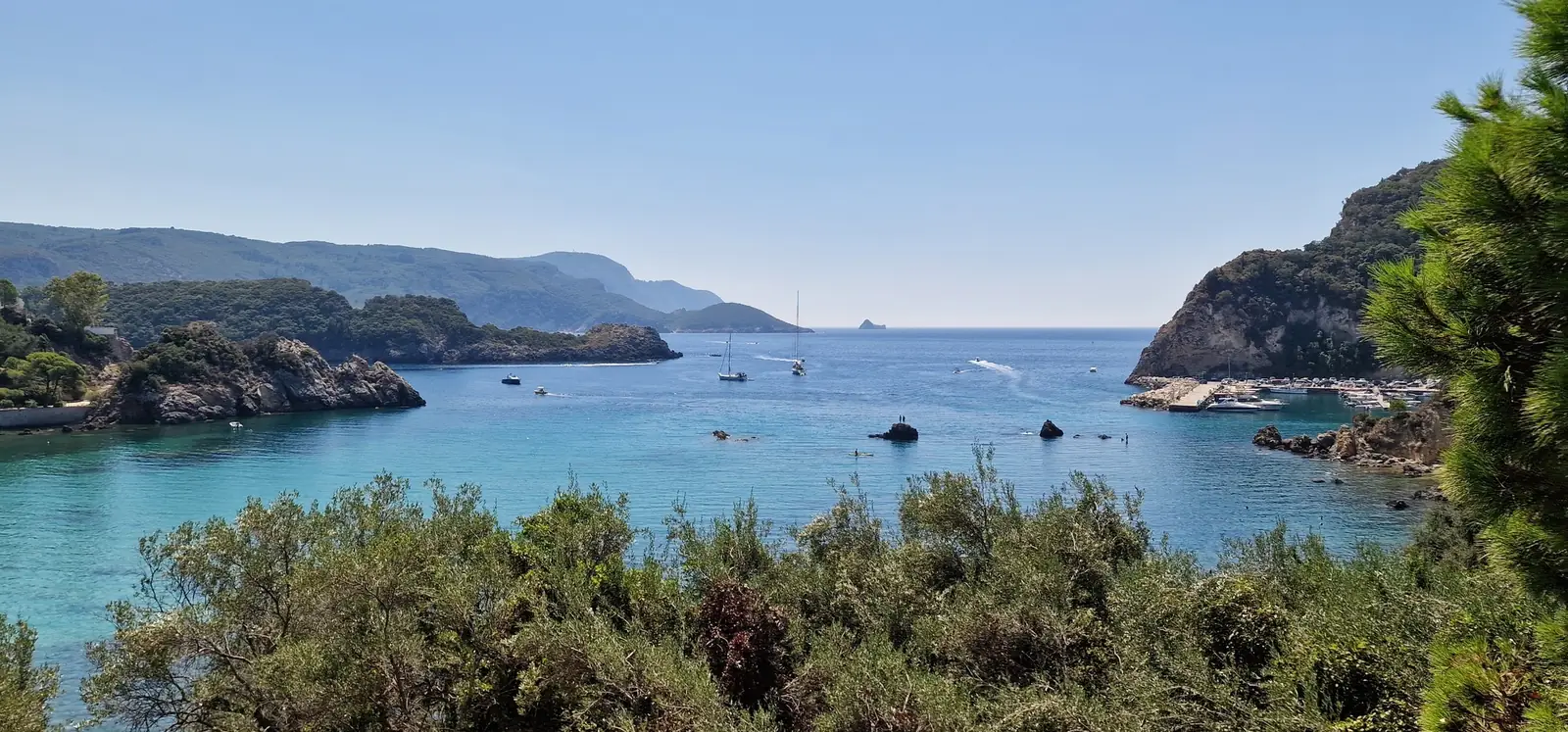
The greenest of the Ionian islands and our favourite for food. Corfu Old Town is a maze of Venetian lanes, arcades and squares, and the place to try traditional Corfiot dishes. Up the north-east coast, Kalami is a small bay where we had lunch at The White House, and in Gouvia, at a little place called The Best, we ate the best gyros of the whole trip. It was also the cheapest.
Paxos
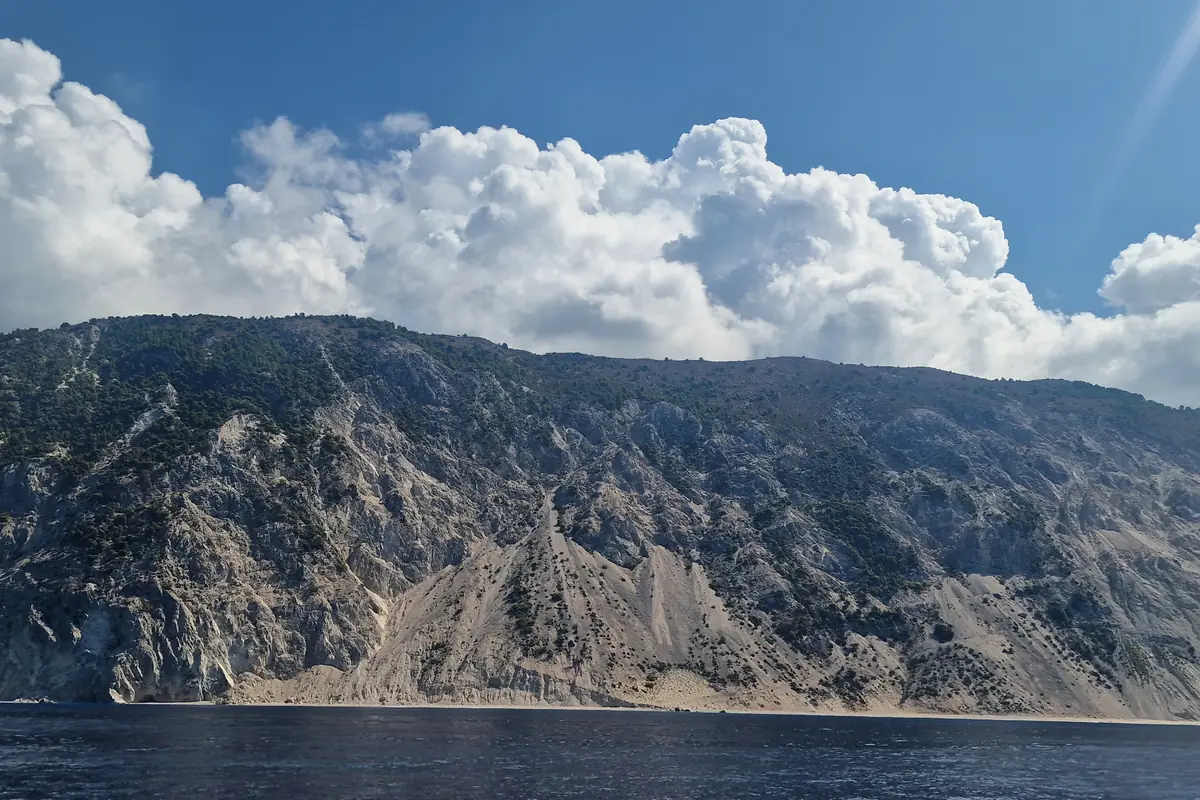
Small, quiet and covered in olive trees, a short ferry ride south of Corfu. Paxos is the kind of island where the day is a harbour town, a swim and a long lunch, and that is exactly the point.
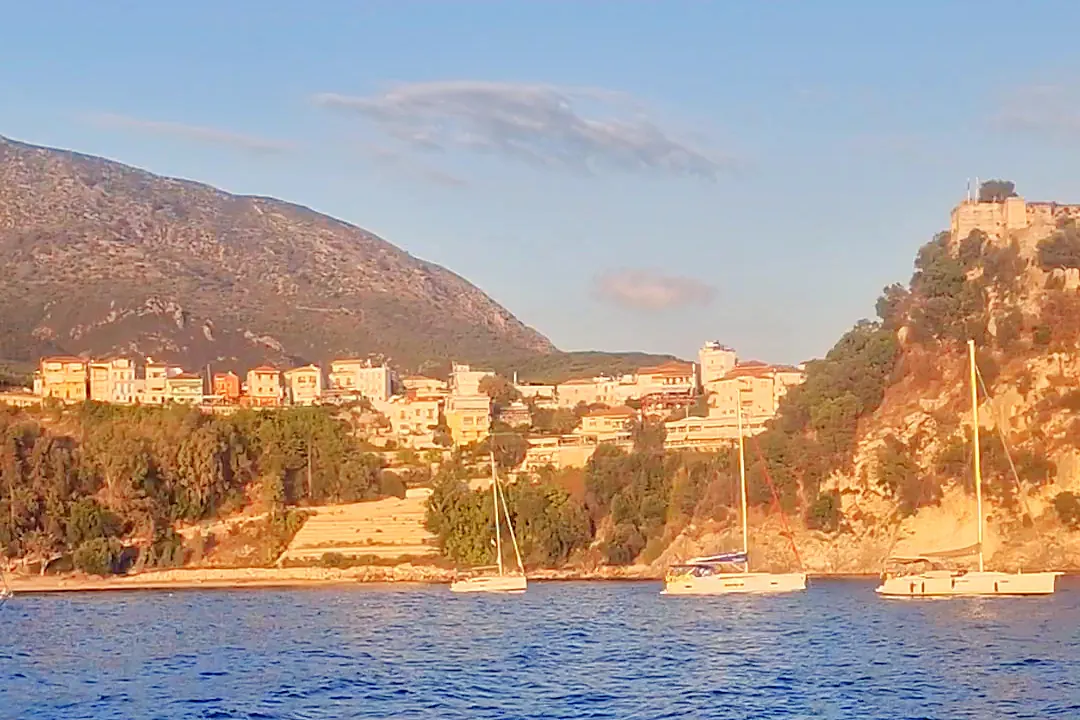
Parga
A mainland town on the Epirus coast, with colourful houses stacked up the hill towards a Venetian castle and beaches right in town. Boats run from the harbour to Paxos, which makes Parga an easy base for both.
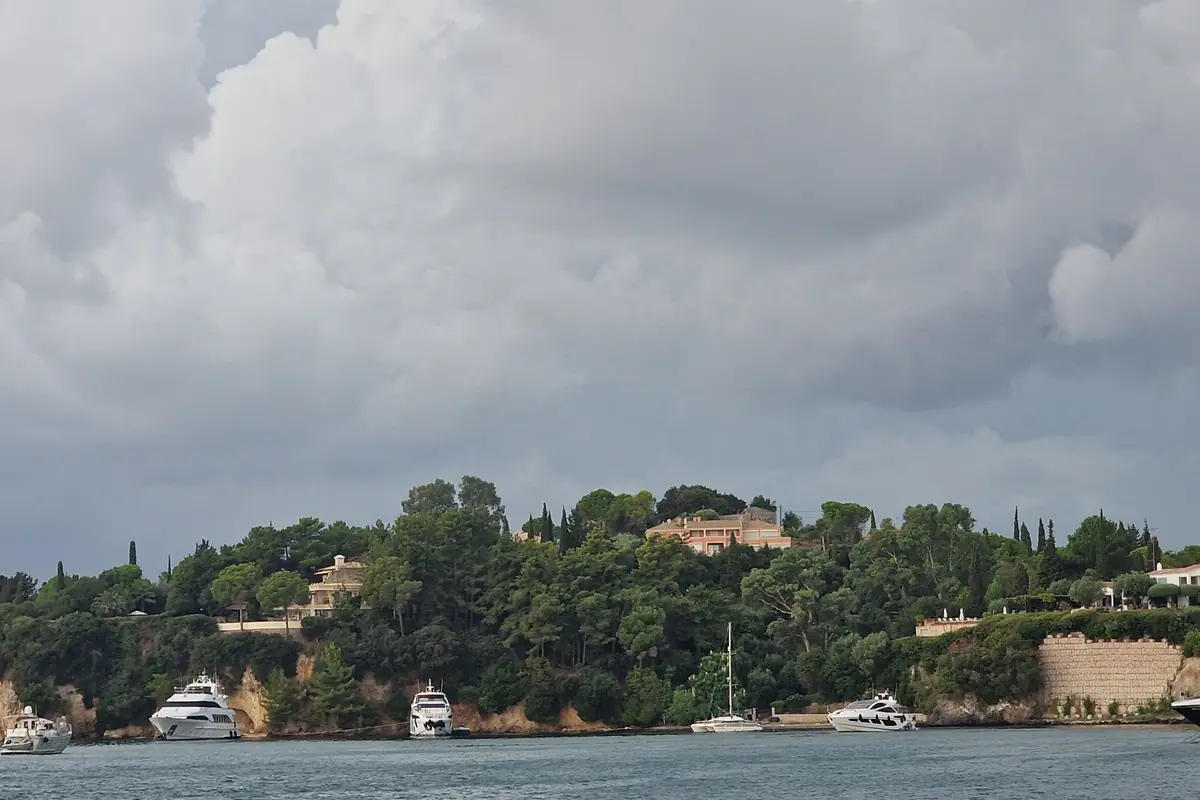
Preveza & Lefkada
Preveza is a relaxed waterfront town at the mouth of the Ambracian Gulf, close to Aktion airport. From there it is a short drive to Lefkada, the Ionian island you can reach by road, connected to the mainland by a causeway and a floating bridge.
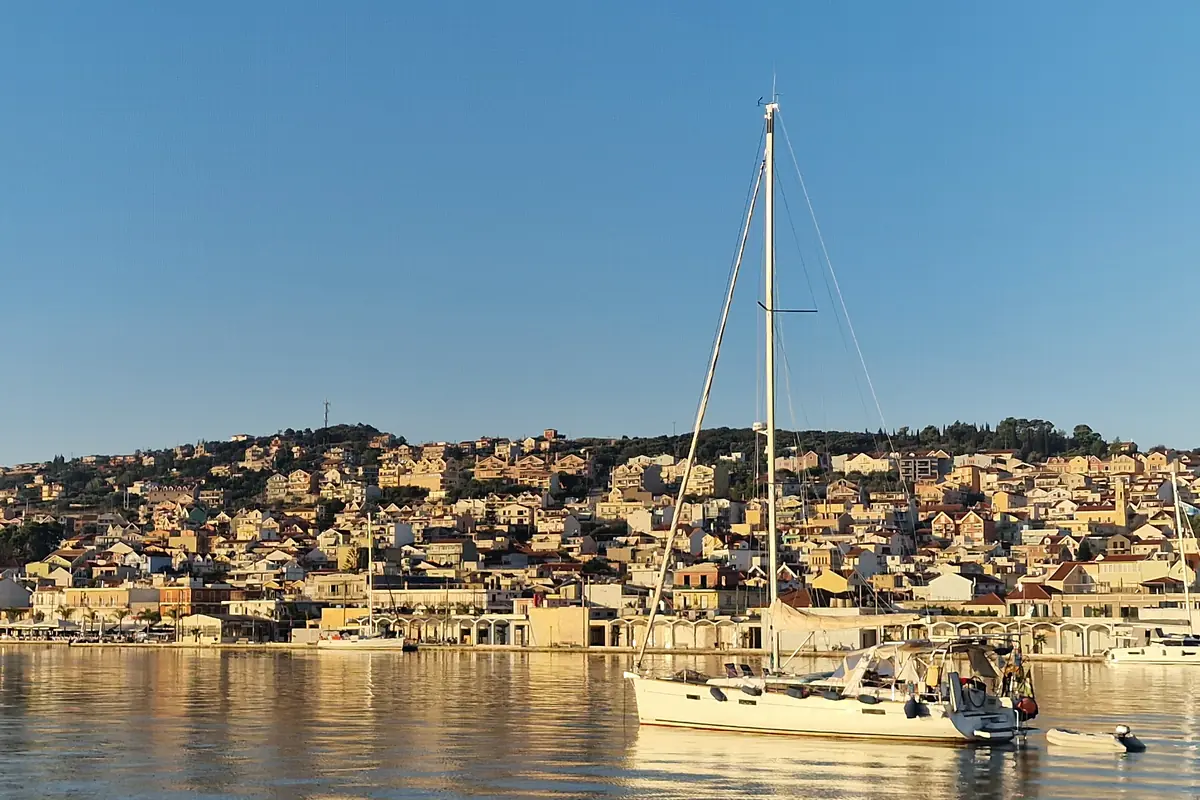
Kefalonia
The largest of the Ionian islands: mountainous, green and dotted with beaches. It is big enough that every area feels different, from the main town of Argostoli to the small harbours further north.
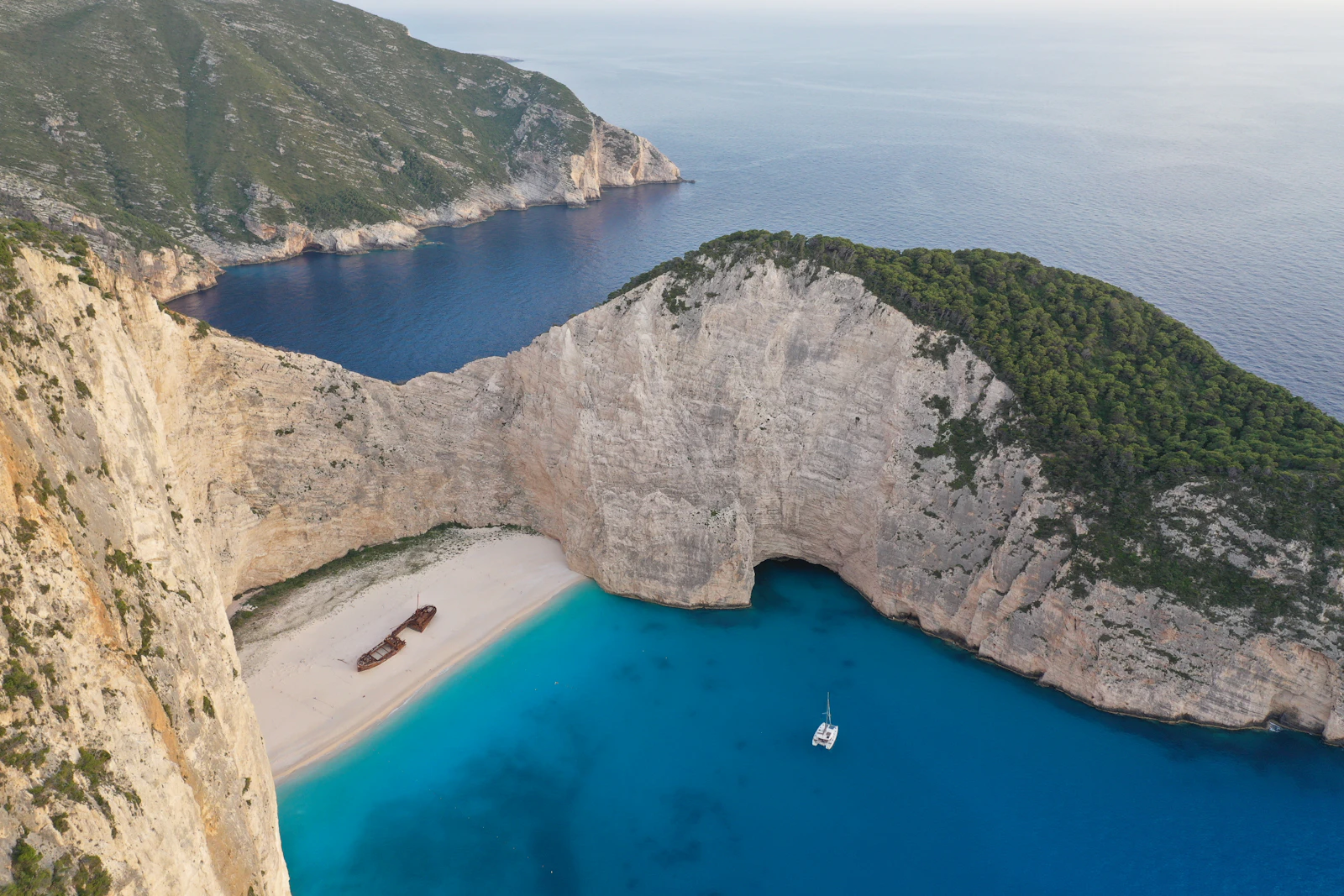
Zakynthos
Clear water, beach days and the island where we ate some of our best saganaki, the pan-fried cheese that arrives still sizzling with a wedge of lemon.
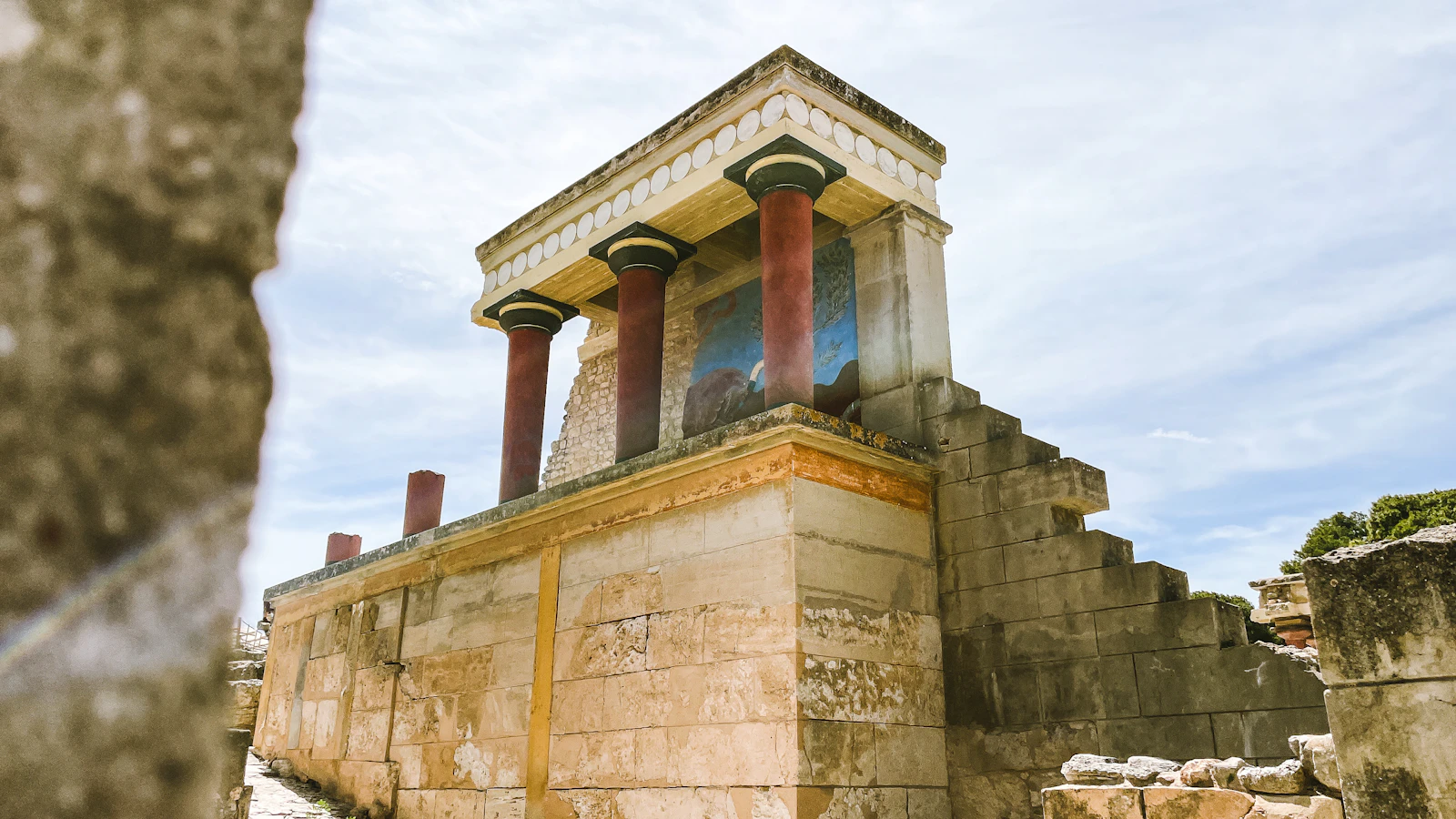
Heraklion & Knossos
Crete’s capital and biggest city, with Venetian walls, a fortress guarding the old harbour and a busy food scene. Just outside town is Knossos, the Minoan palace at the centre of one of Europe’s oldest civilisations.
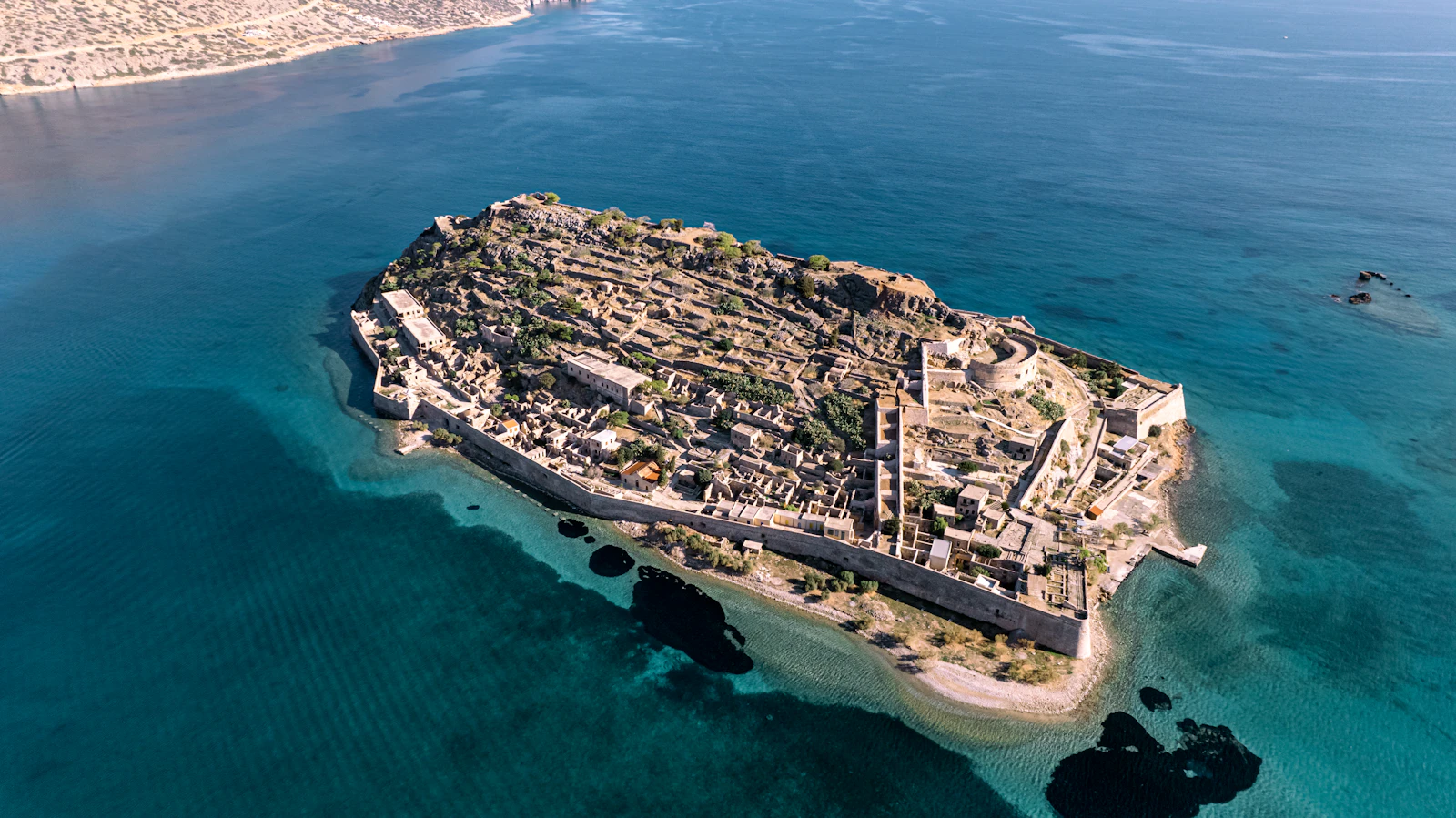
Agios Nikolaos & Elounda
The calmer east of Crete. Agios Nikolaos is a lively harbour town built around a small lake, and nearby Elounda sits on a sheltered bay with boats crossing to the island fortress of Spinalonga.
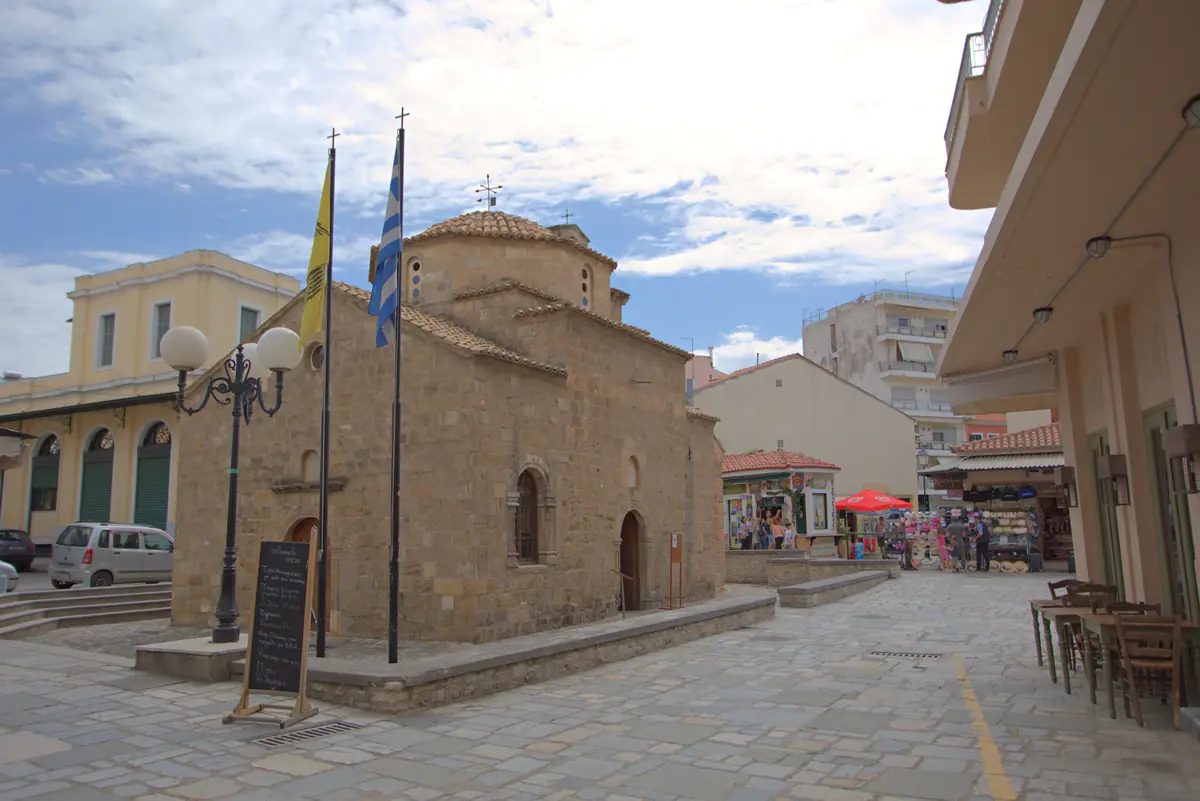
Kalamata
Olive country in the southern Peloponnese. Kalamata is relaxed and easy to get around: we rented bikes and explored at our own pace, then ate some of the best grilled sardines we have had anywhere in Greece.
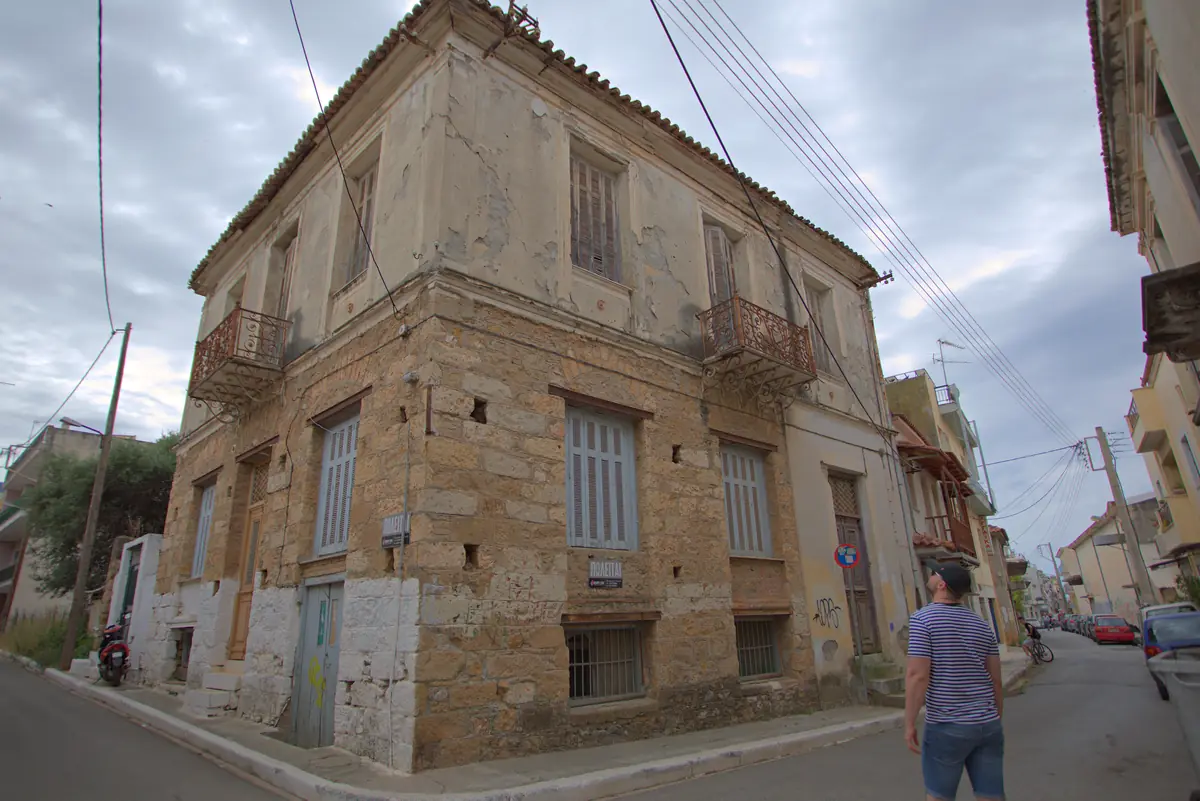
Things To Do in Greece
Most of our days in Greece followed the same easy rhythm: a town in the morning, a beach in the afternoon and a long dinner. These are the things we would do again.
01
Get lost in Corfu Old Town
Wander the Venetian lanes, the arcaded Liston and the squares below the Old Fortress, then stay for a traditional Corfiot dinner.
02
Have lunch in Kalami
The White House sits right on the bay on Corfu’s north-east coast. Book ahead in summer and take your time.
03
Hop over to Paxos
Boats run from Corfu and from Parga. Paxos rewards slow days: harbour towns, olive groves and clear water.
04
Beach-hop the Ionian
Corfu, Kefalonia and Zakynthos all have clear, calm water. Pick a different beach each day and keep the plans loose.
05
Rent a bike in Kalamata
Kalamata is easy to explore on two wheels, along the seafront and through town, with stops for coffee and sardines.
06
Visit the palace of Knossos
Just outside Heraklion. Go at opening time to beat the heat and the tour groups.
07
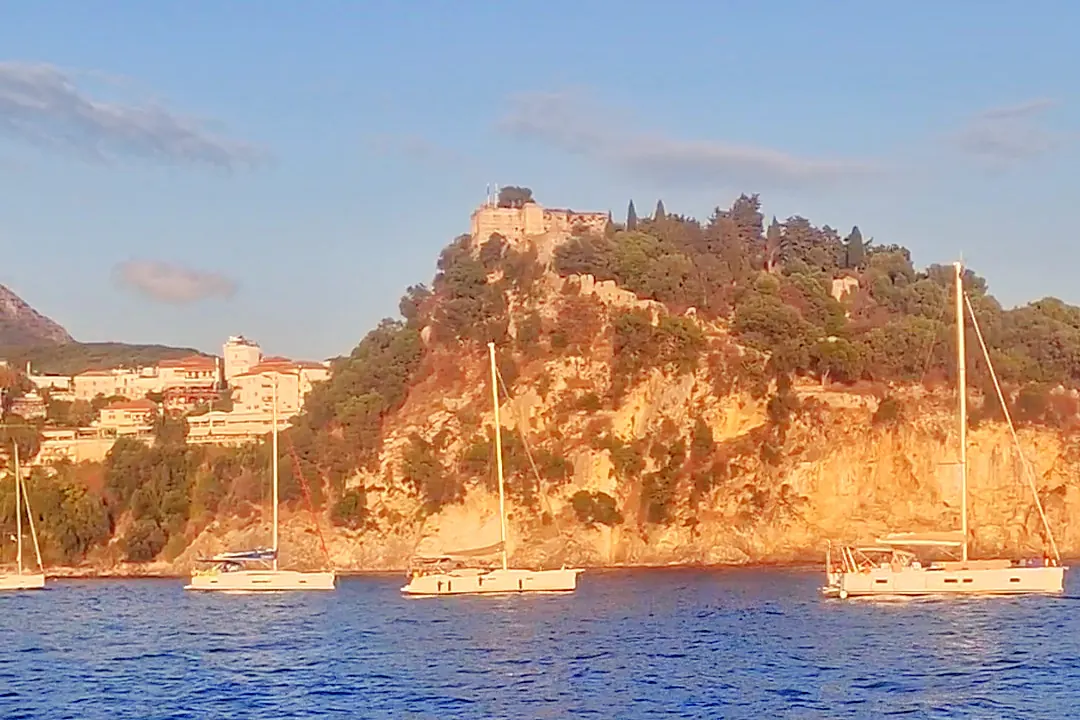
Walk up to Parga’s castle
Climb through town to the Venetian castle for the view over the bay and the beaches below.
08
Take a boat to Spinalonga
Boats cross from Elounda and nearby Plaka to the island fortress, one of the most visited sights in eastern Crete.
09
Eat your way through each island
Saganaki on Zakynthos, gyros in Gouvia, Greek salad on Crete. In Greece the food is half the reason to go.
Still On Our List: Famous Places in Greece
We have not been to these yet, so there are no personal tips here. These are the classic Greek destinations most first-time visitors look at, what they are known for, and why they are next on our list.
Athens
The capital and the starting point for most trips. The Acropolis and the Parthenon rise above the city, with the Acropolis Museum at its foot and the old neighbourhoods of Plaka and Monastiraki below. Ferries to the Aegean islands leave from nearby Piraeus.
Santorini
The volcanic island in the Cyclades known for its caldera views, the whitewashed cliff villages of Oia and Fira and its sunsets. It is also one of the busiest islands in summer.
Mykonos
Famous for its windmills, the waterfront of Little Venice, beaches and nightlife. A short boat ride away is Delos, one of the most important archaeological sites in Greece.
Naxos & Paros
Two Cycladic neighbours linked by ferry. Naxos is the largest of the Cyclades, with mountain villages, long beaches and the marble Portara gate. Paros is known for the harbour village of Naoussa.
Meteora
Monasteries built on top of towering rock pillars in central Greece, near the town of Kalambaka. A UNESCO World Heritage Site and one of the most striking landscapes in the country.
Delphi
The ancient sanctuary of Apollo and home of the oracle, on the slopes of Mount Parnassus. A UNESCO World Heritage Site and a popular day trip from Athens.
Nafplio
A pretty harbour town in the Peloponnese and the first capital of modern Greece, with the Palamidi fortress above it and the little Bourtzi castle in the bay.
Chania
Crete’s Venetian harbour town in the west, with a lighthouse, pastel houses and waterfront tavernas. Our Crete years were spent further east, so this one is still waiting.
Rhodes
The largest of the Dodecanese islands, with a medieval Old Town built by the Knights of St John that is a UNESCO World Heritage Site, and the acropolis of Lindos on the east coast.
Thessaloniki
Greece’s second city and, for many Greeks, its food capital. Known for its Byzantine churches, the White Tower on the seafront, busy markets and bougatsa for breakfast.
Where to Stay in Greece
We stayed in hotels and apartments across Greece. On the islands especially, which part of the island you choose matters more than the exact hotel, so these are the areas we would pick again.
Corfu
Stay in or near Corfu Town if you want the old town, restaurants and evening walks on your doorstep. Gouvia, north of town, is handy for the coast, and the north-east around Kalami is quieter, with small bays and waterfront tavernas.
Paxos
Small enough that everything is close. Gaios, the main harbour town, puts you next to the ferries, shops and tavernas, which makes it the easiest base.
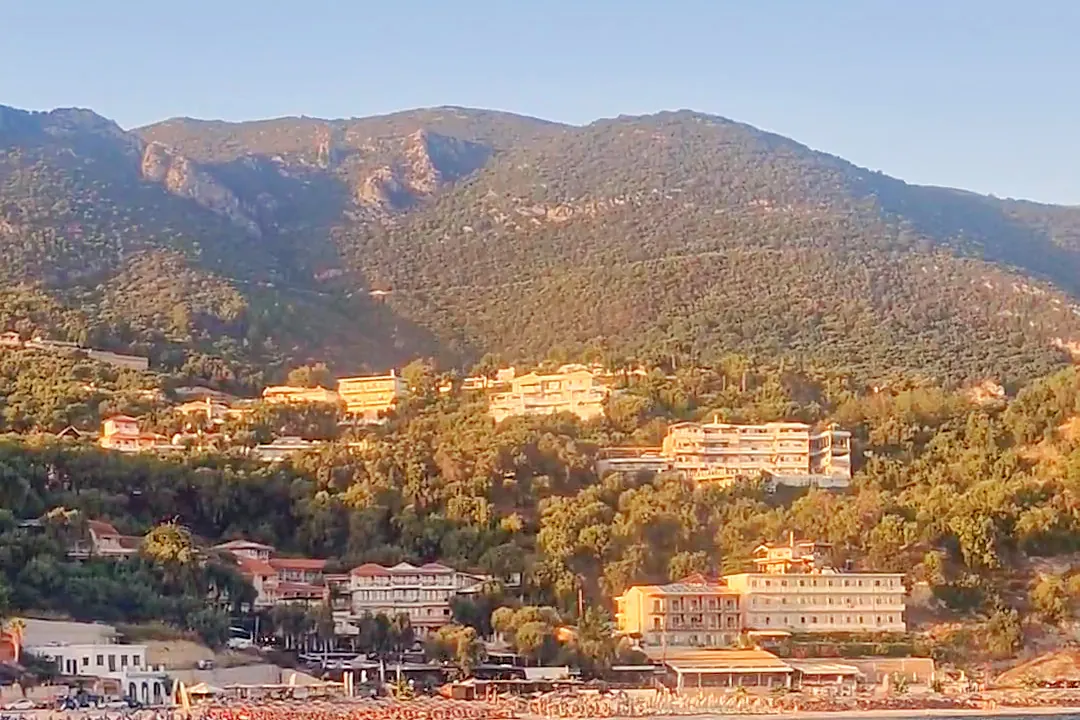
Parga
Stay in town so you can walk to the beaches, the castle and the harbour. It also makes day trips by boat to Paxos simple.
Preveza
A practical, relaxed base close to Aktion airport, with an easy drive to Lefkada and the rest of the coast.
Kefalonia
A big island, so choose your area by what you want to do. Argostoli, the main town, has the most choice for food and shops. A car makes exploring the rest of the island much easier.
Zakynthos
Zakynthos Town gives you a real Greek town with harbour-front tavernas, while the beach areas suit days spent mostly by the water.
Crete
Heraklion is the obvious base for city life, the airport and Knossos. For something calmer, Agios Nikolaos and Elounda in the east have a slower pace and sheltered bays.
Kalamata
Stay near the seafront. You can walk or cycle to most places, and the town is an easy base for exploring the olive country of Messinia.
Cook it at home
Greek Food You Must Try
Greek food is built on a few very good ingredients treated simply: ripe tomatoes, olive oil, lemon, oregano, feta, Greek yoghurt and whatever came off the grill that day. These are the dishes we kept ordering, where we ate them best, and the ones we still make at home. Grilled sardines are one to eat by the sea; the rest you can cook from our recipes.
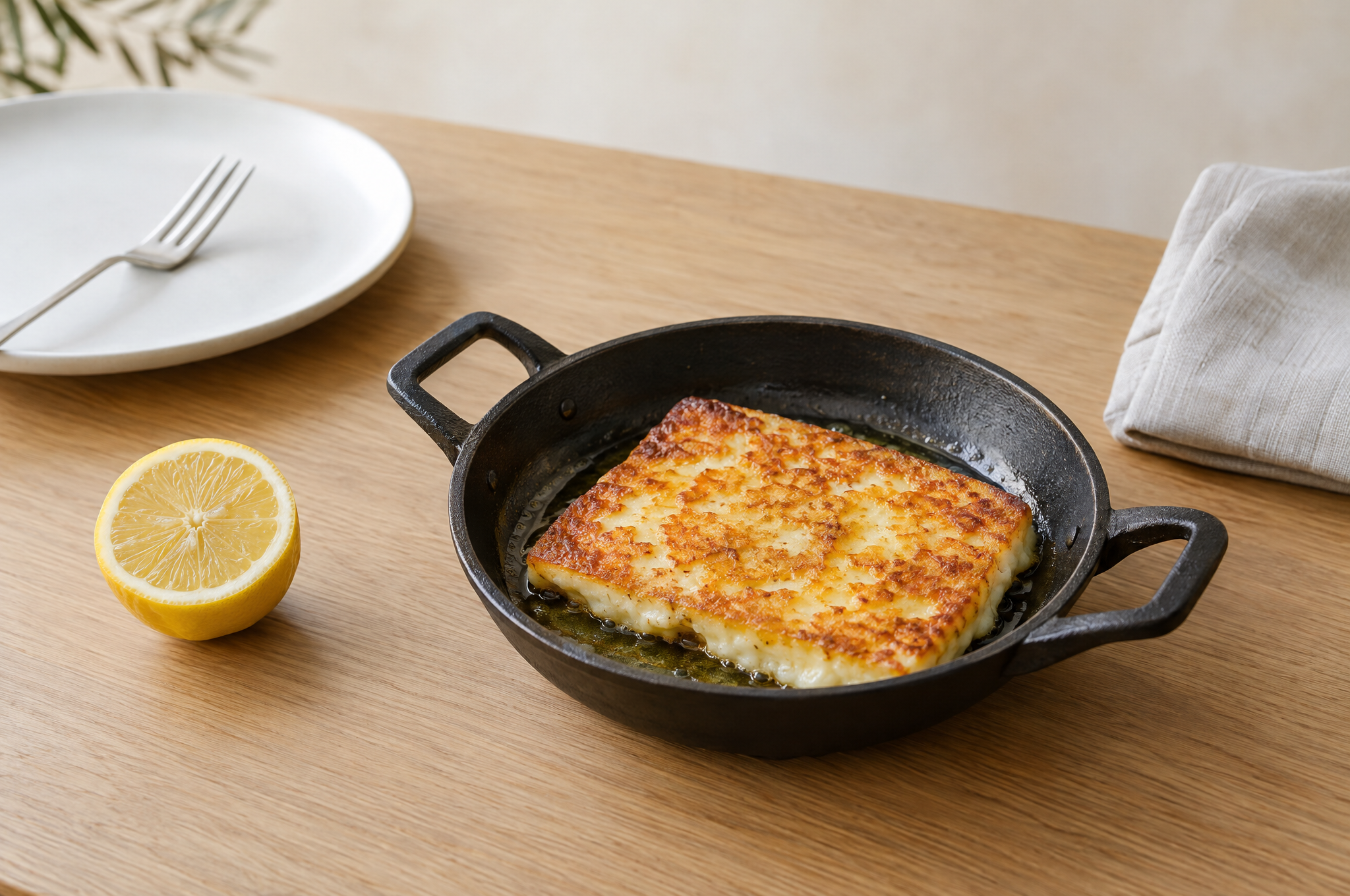
Best on Zakynthos
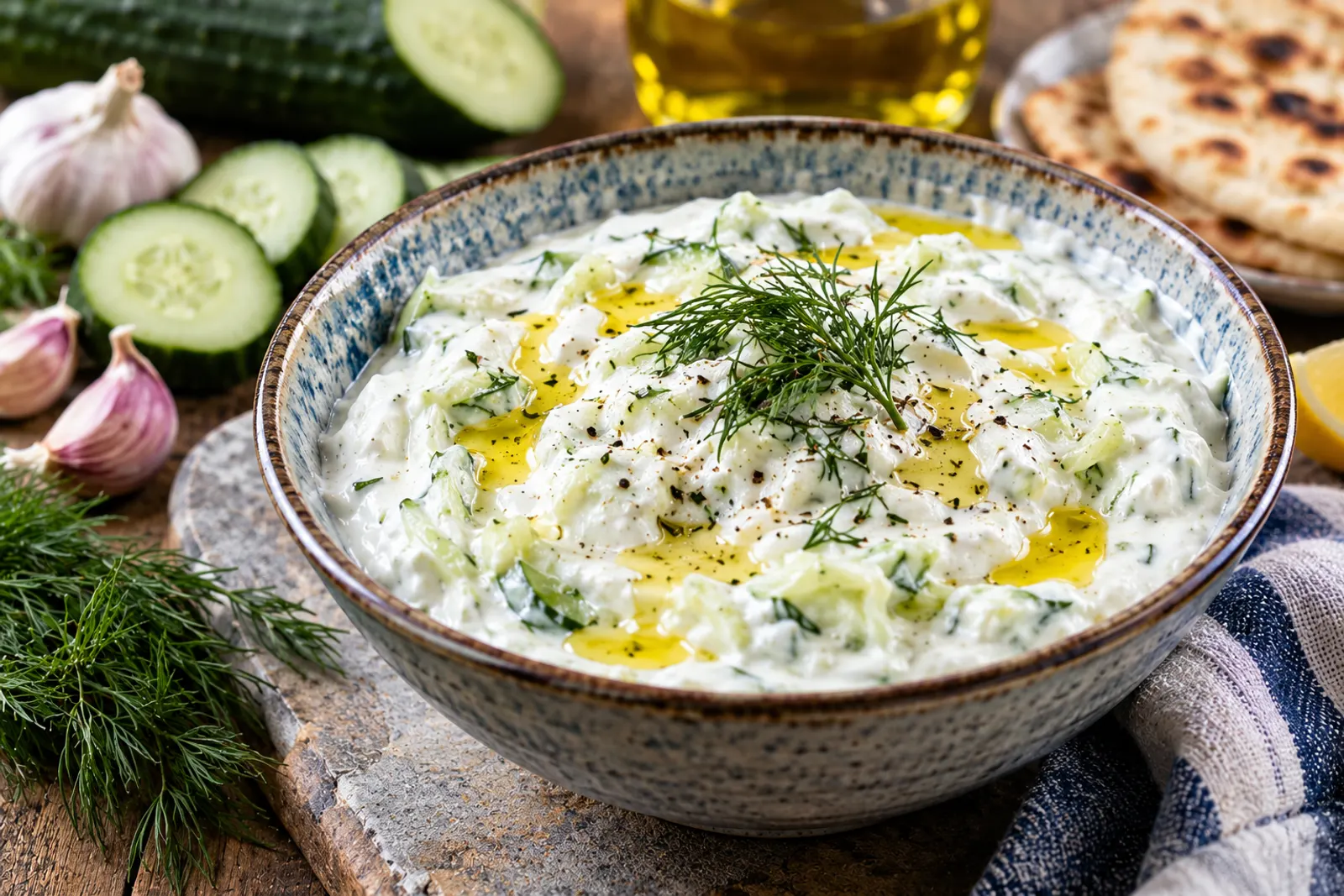
Every single day
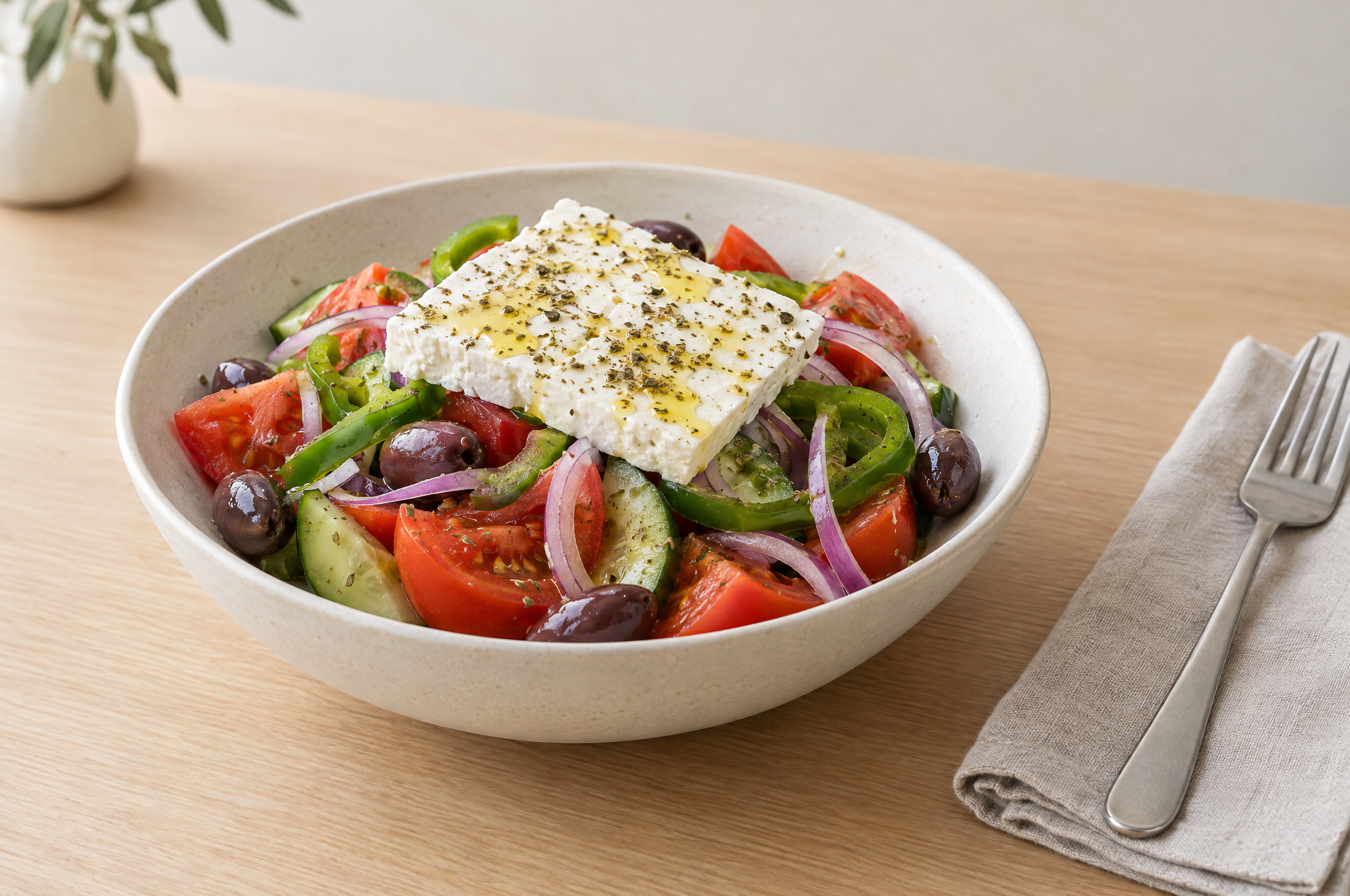
Best on Crete
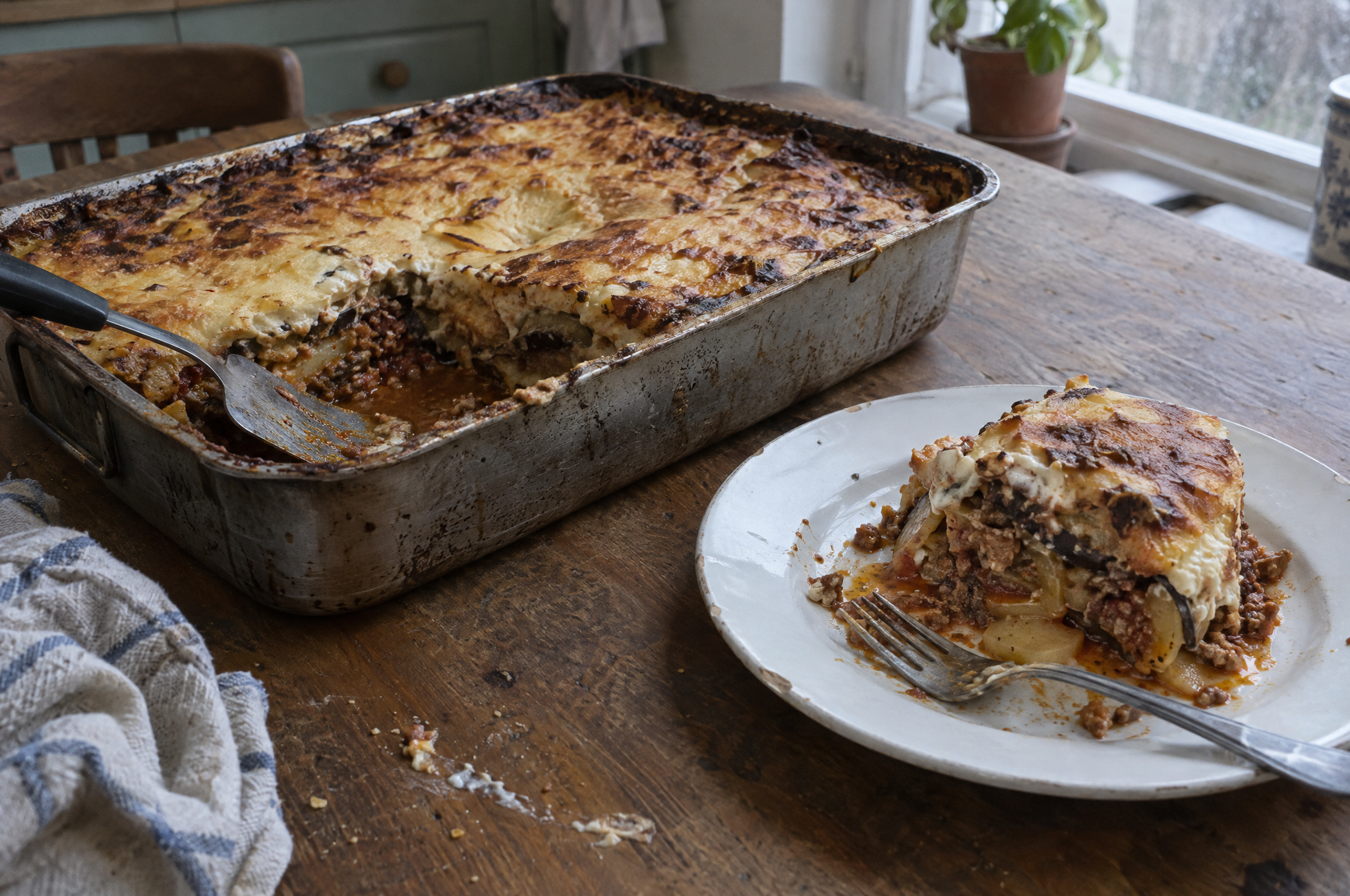
Oven bake
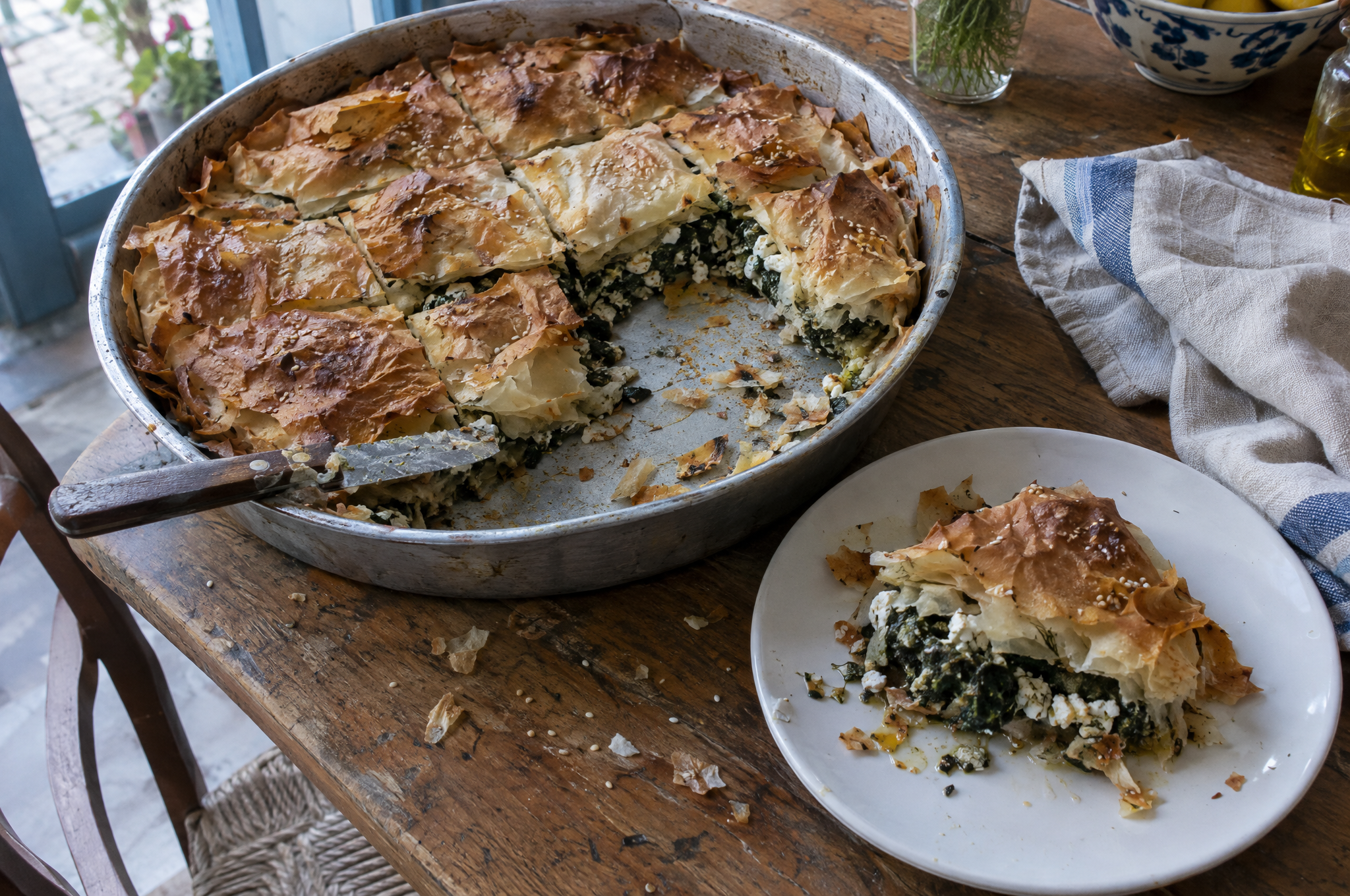

Where We Ate Best
- Kalami, Corfu: lunch at The White House, right on the bay.
- Gouvia, Corfu: the best gyros of the whole trip.
- Corfu Old Town: traditional Corfiot dishes in the Venetian lanes.
- Zakynthos: saganaki, again and again.
- Crete: the best Greek salad we have ever eaten.
- Kalamata: grilled sardines and, of course, the olives.
Eat Your Way Through Greece
Greek Food Guide
Saganaki, sweet tomatoes, tzatziki every day, sardines off the grill and the regional kitchens of Crete, Kalamata and the Ionian islands.
Greek Recipes
Meze, salads, pies and oven bakes, written to work in a real home kitchen with ingredients you can find outside Greece.
Cook it at home
All Our Greek Recipes
The Greek dishes from our travels, developed by Reiss to work in a normal home kitchen. Start with tzatziki and a Greek salad, then build a full table from there.
Salads, soups & sides
Frequently Asked Questions
When is the best time to visit Greece?
Late spring (May and June) and early autumn (September and October) are the best all-round months: warm weather, swimmable sea and fewer crowds than July and August. Summer is ideal for island beach days if you book ahead, and spring is lovely for the mainland and the Peloponnese.
Which Greek islands are best for food?
Every island has its own specialities. Corfu Old Town is great for traditional Corfiot dishes, Zakynthos is where we ate our best saganaki, and Crete is famous for its olive oil, rusks, wild greens and, in our experience, the best Greek salad in the country.
Is Kalamata worth visiting?
Yes. Kalamata is relaxed, easy to explore by bike and the gateway to the olive country of Messinia. Spring is a lovely time to go, and the grilled sardines alone are worth the trip.
Where should I stay on Corfu?
Corfu Town for the old town and restaurants, Gouvia for an easy coastal base close to town, or the north-east coast around Kalami for quiet bays and waterfront tavernas.
What food should I try in Greece?
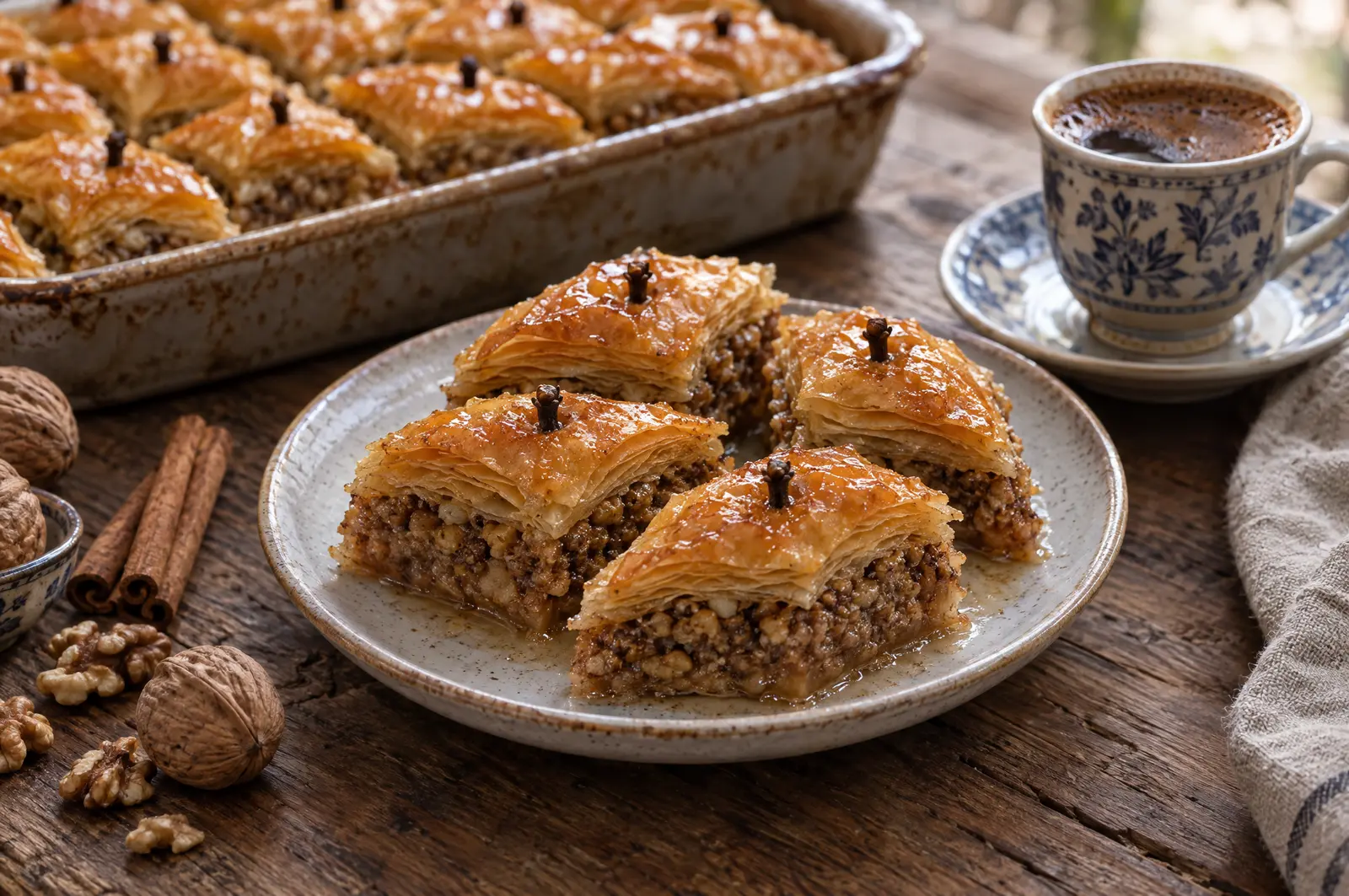
Saganaki, tzatziki, Greek salad (horiatiki), moussaka, spanakopita, grilled sardines, gyros, souvlaki and baklava. Start with a few meze plates and share everything.
What time do Greeks eat dinner?
Late. Most tavernas fill up from around nine in the evening, and lunch often runs well into the afternoon.
Is Greek food healthy?
Traditional Greek food is a cornerstone of the Mediterranean diet: plenty of olive oil, vegetables, beans and lentils, fish, herbs and Greek yoghurt, with meat and sweets in smaller amounts. Dishes like Greek salad, tzatziki, grilled sardines and bean soups are healthy Greek food at its simplest. Fried cheese and baklava are for sharing.
What are the best ancient Greek sites to visit?
We have visited the Minoan palace of Knossos near Heraklion on Crete, one of the oldest sites in Europe. The most famous sites still on our list are the Acropolis in Athens, Delphi and Delos near Mykonos.
Greece in One Word? Unhurried.
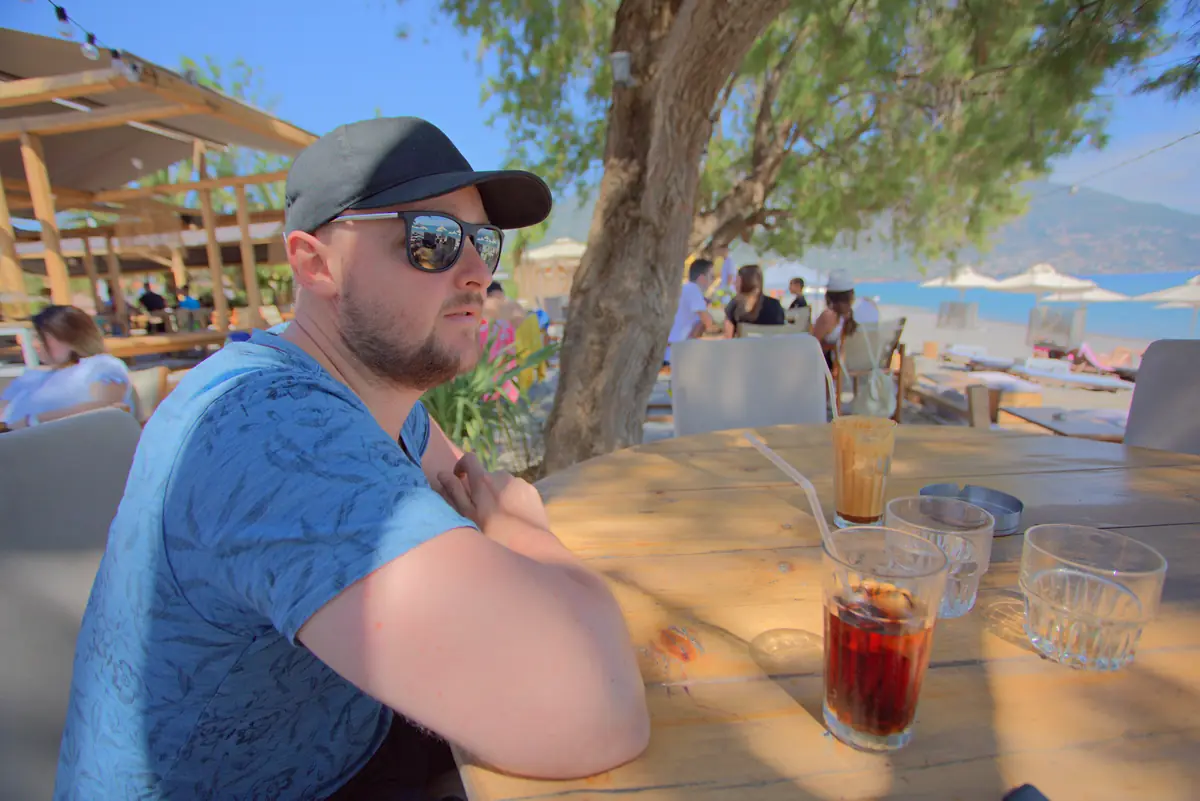
Greece is easy to rush. There is always another island, another beach, another ruin on the list. But the moments we remember most were the slow ones: a long lunch in Kalami, saganaki still sizzling in its pan on Zakynthos, a bike ride along the seafront in Kalamata and a Greek salad on Crete with tomatoes so sweet they tasted like fruit.
Two years on Crete and summers in the Ionian have only shown us part of the country. Athens, the Cyclades, Meteora and Thessaloniki are all still waiting, and that is exactly why Greece keeps pulling us back.
More Countries to Explore
Food and travel guides from the places we’ve lived and travelled
Destination guide
Malta Travel & Food Guide

Destination guide
Sri Lanka Travel & Food Guide
Destination guide
Tunisia Travel & Food Guide